Itsukushima Shrine (Minami Ward, Kyoto Prefecture) Complete Guide | The Charm of its Mysterious History and Long Approach
Itsukushima Shrine, located in Kuze Nakakucho, Minami Ward, Kyoto City, is an extremely rare shrine whose founding date and detailed history are unknown. Despite being located very close to the busy National Route 171 (commonly known as Inaichi), its long approach, surrounded by trees, is enveloped in tranquility, offering visitors a strange sense of peace.
This article provides the most detailed information about this mysterious Itsukushima Shrine, including its charm, enshrined deities, highlights within the grounds, and access methods.
What is Itsukushima Shrine? | Basic Information and Overview
Itsukushima Shrine is a small but historically significant shrine located in the Kuze area of Minami Ward, Kyoto City. Its official name is “Itsukushima Shrine,” but it is sometimes written as “Itsukushima Shrine.”
Deities Enshrined
Itsukushima Shrine enshrines the three Munakata goddesses:
- Ichikishima-hime no Mikoto: Main deity
- Tagiri-hime no Mikoto
- Tagitsu-hime no Mikoto
These goddesses are widely worshipped as deities of maritime traffic and water. Ichikishima-hime no Mikoto, in particular, is identified with Benzaiten and is therefore revered as a goddess of performing arts and wealth.
Subsidiary Shrines
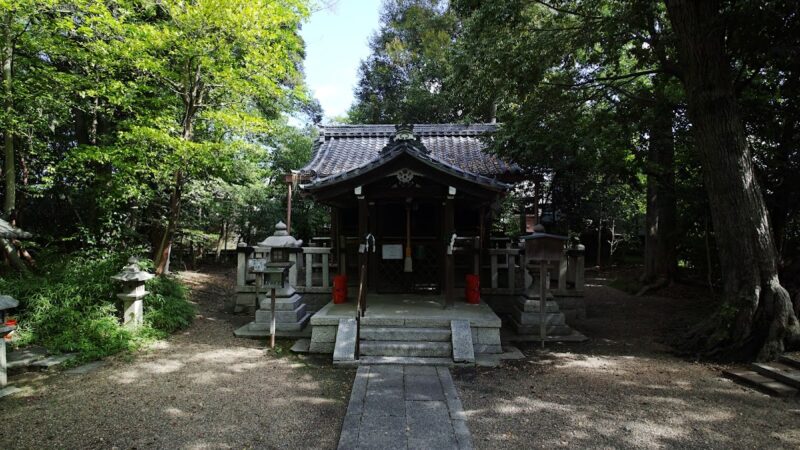
The following subsidiary shrines are located within the grounds of Itsukushima Shrine:
- Hachioji Shrine: Dedicated to the eight princes of Gozu Tenno
- Daishogun Shrine: Dedicated to the god of direction
- Nento-kosha: A local religious association
These subsidiary shrines attest to the deep faith of the community and the central role this shrine has played in the local community. ## The Mysterious Itsukushima Shrine: Unknown Date and Details
The most striking feature of Itsukushima Shrine is that its founding date and detailed history are unknown. The shrine’s historical records explicitly state that questions such as “Why was Itsukushima Shrine placed in this location?” and “When was Itsukushima Shrine established?” are unknown.
A Mysterious Connection to Water Transportation
Particularly interesting is the statement in the historical records that “it is difficult to interpret why the shrine is located in this area, which has little connection to water transportation.”
Itsukushima Shrine (Itsukushima Jinja) is famous for its main shrine located on Miyajima Island in Aki, Hiroshima Prefecture, known as one of Japan’s three most scenic spots. The Munakata Three Goddesses were originally revered as guardian deities of maritime transportation. However, this area in Minami Ward, Kyoto City, is located inland, far from the sea and major rivers.
Several hypotheses can be considered regarding this contradiction:
- Relationship with ancient waterways: It’s possible that there were once waterways or ponds in this area, related to water transport and irrigation.
- Circumstances of enshrinement: It’s possible that a local influential figure enshrined Itsukushima Shrine for some reason.
- Changes in beliefs: It’s possible that a different deity was originally worshipped, but later the belief shifted to Itsukushima worship.
However, these are merely speculations, and no definitive records remain. This “mystery” is arguably the greatest charm of Itsukushima Shrine.
Records from the Edo Period
Itsukushima Shrine first appears in historical documents during the Edo period. At that time, the shrine was located along a road called “Yamazaki-dori” on the Saigoku Kaido, which is now Kyoto Prefectural Road 207. The Saigoku Kaido was an important road connecting Kyoto and western Japan, and was a place where many travelers and merchants passed through.
The fact that the shrine was located along a major road suggests that it functioned as a place to pray for safe travels and as a center of local faith.
A long, solemn approach surrounded by trees
Visitors to Itsukushima Shrine unanimously cite the long approach as the most memorable feature.
Characteristics of the approach
The entrance to Itsukushima Shrine is located just west of the Kuze-Tonoshiro intersection on National Route 171. Stepping away from the hustle and bustle of modern life, one enters a different world.
The approach is surrounded by trees and enveloped in a silence that makes you forget the noise of the city. The approach, which continues from the asphalt road, gradually becomes more natural, inviting visitors into the sacred grounds.
Along both sides of the approach to the shrine stand ancient trees, displaying different appearances with each season:
- Spring: New green leaves sprout, enveloping you in refreshing air.
- Summer: The shade of the trees is cool, offering an escape from the urban heat island.
- Autumn: Autumn leaves color the approach, and fallen leaves add to the atmosphere.
- Winter: The bare trees create a solemn atmosphere.
Torii Gate and Shrine Grounds
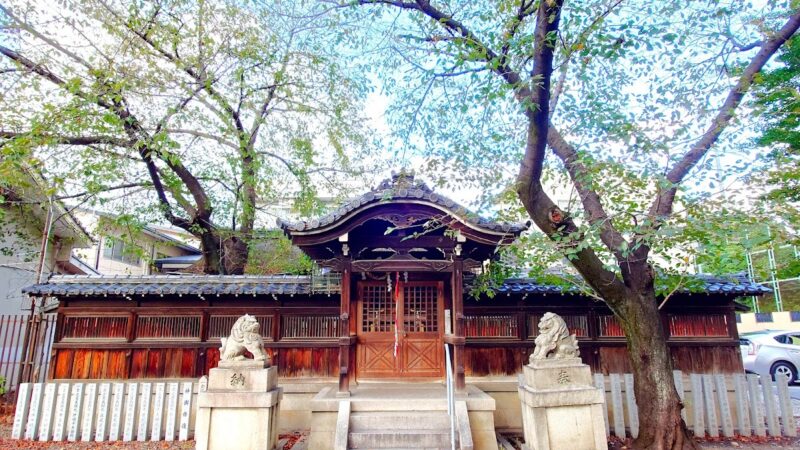
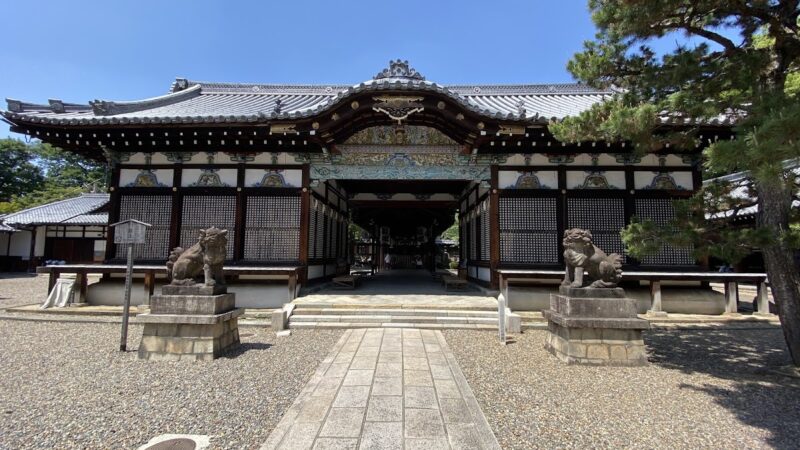
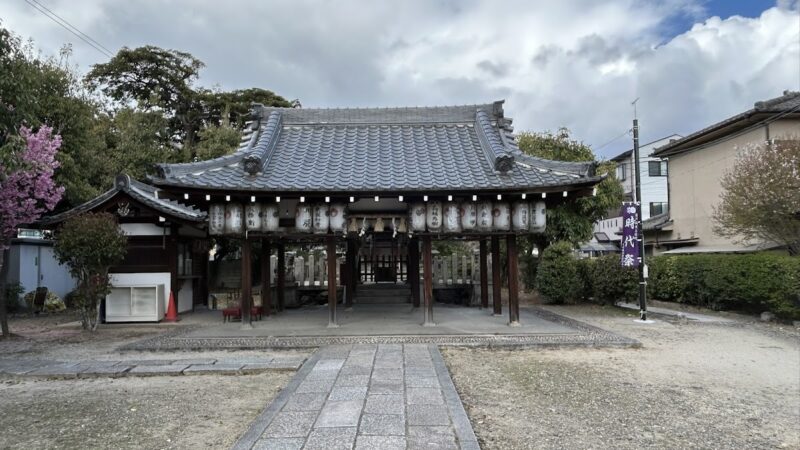
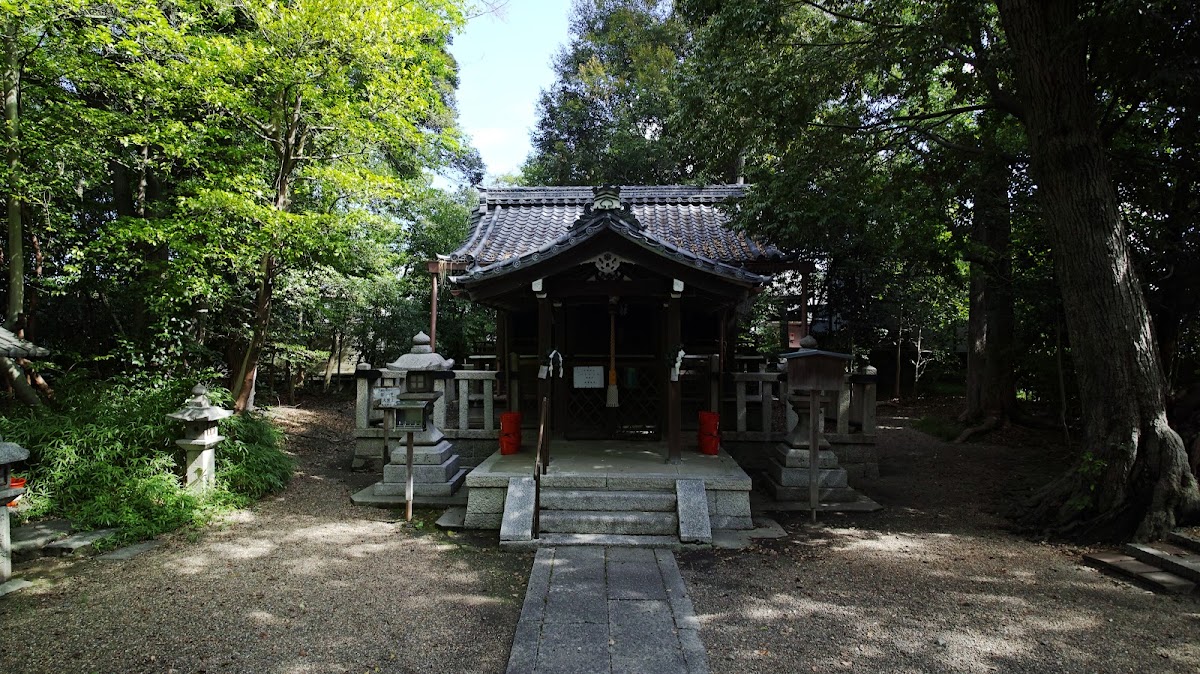
As you proceed along the approach, you will see the shrine’s torii gate. Passing through the gate, you will find a small but neatly maintained shrine grounds.
The main hall, though simple, is carefully maintained, reflecting the deep faith of the local people. The grounds are always kept clean, providing an ideal environment for quiet worship.
The Role of Itsukushima Shrine in the Community
Itsukushima Shrine continues to be an important place of worship for the people of the Kuze area in Minami Ward, Kyoto City.
The Heart of the Local Community
The Nento-kosha (a local religious association) located within the shrine grounds represents the local religious organization. A “ko” is a mutual aid group formed by people sharing a common faith, and it has historically been responsible for the maintenance and management of the shrine and the operation of festivals.
The continued existence of such an organization demonstrates that Itsukushima Shrine is not merely a historical building, but a living place of faith.
History of the Kuze Area
The Kuze area has long played an important role as the southern gateway to Kyoto. It has a history of flourishing as a transportation hub, with the Saigoku Kaido (Western Japan Highway) passing through it.
Itsukushima Shrine can be said to have quietly watched over the history of this region. While the exact founding date is unknown, it is certain that it has attracted the faith of local people since at least the Edo period.
Relationship between Itsukushima Shrine and Other Itsukushima Shrines
There are several other Itsukushima Shrines in Kyoto Prefecture besides Itsukushima Shrine. Understanding the characteristics of each will further clarify the uniqueness of Itsukushima Shrine.
Itsukushima Shrine in Kyoto Gyoen
Within Kyoto Gyoen, in Kamigyo-ku, Kyoto City, stands another Itsukushima Shrine. This one is said to have been established by Taira no Kiyomori for his mother, Gion Nyogo, and has a clear historical background.
Standing by the pond, this shrine, affectionately known as “Ike no Benten-san” (Benten of the Pond), was also the guardian shrine of the Kujo family. The stone torii gate in front of the shrine features a karahafu-style kasagi (top beam) and is counted as one of Kyoto’s three rare torii gates.
Itsukushima Shrine in Shizuichi Ichihara-cho, Sakyo-ku
There is also an Itsukushima Shrine in Shizuichi Ichihara-cho, Sakyo-ku, Kyoto City, also known as “Awaho no Benzaiten no Yashiro” (Awaho Benzaiten Shrine). It is said to have been established in Eikyo 2 (1430) and has a unique history linked to the legend of the white snake.
The Uniqueness of Itsukushima Shrine in Minami Ward
Compared to other Itsukushima Shrines, Itsukushima Shrine in Minami Ward stands out for its unknown history. However, this does not mean it is of low value. Rather, it can be said to be a valuable presence that conveys to the present day a simple form of faith rooted in the community and the faith of ordinary people that is not recorded.
How to Enjoy Visiting Itsukushima Shrine
Itsukushima Shrine has a different charm from large-scale tourist shrines. When visiting, keeping the following points in mind will allow you to enjoy the shrine more deeply.
Enjoying the Silence
Despite being located very close to a major road, National Route 171, the shrine grounds are surprisingly quiet. This silence is the greatest charm of Itsukushima Shrine. You can escape the hustle and bustle of the city and have time to calm your mind.
Walking the Approach
By slowly walking along the long approach to the shrine, you can experience the transition from everyday life to a sacred space. As you gaze upon the trees and listen to the birdsong, compose yourself before heading to the main shrine.
Imagining the Mysteries
Why is Itsukushima Shrine located here? When was it founded? Imagining such mysteries while visiting is a unique way to enjoy Itsukushima Shrine.
Don’t Forget the Subsidiary Shrines
Besides the main shrine, be sure to visit the subsidiary shrines such as Hachioji Shrine and Taishogun Shrine. Each shrine speaks to the depth of the local faith.
Photography
There are many photo opportunities, including the long approach, the grounds surrounded by trees, and the simple yet charming worship hall. However, please be considerate of other visitors and remember that this is a sacred place.
Sightseeing in the Surrounding Area
There are other places worth visiting around Itsukushima Shrine.
Exploring the Kuze Area
The Kuze area retains the atmosphere of an old highway. Exploring the surrounding area before or after visiting the shrine is highly recommended. ### Around Katsuragawa Station
The area around JR Katsuragawa Station, the nearest station, has commercial facilities such as Aeon Mall Kyoto Katsuragawa, allowing you to enjoy shopping and dining after visiting the shrine.
Exploring the History of the Saigoku Kaido Road
It would be interesting to trace the history of the old Saigoku Kaido Road (Yamazaki-dori) that Itsukushima Shrine faced, and visit the surrounding historical sites.
Basic Information & Access
Basic Information
- Official Name: Itsukushima Shrine (Itsukushima Jinja)
- Pronunciation: Itsukushima Jinja
- Deities Enshrined: Ichikishimahime-no-Mikoto, Takirihime-no-Mikoto, Takitsuhime-no-Mikoto
- Subsidiary Shrines: Hachioji Shrine, Taishogun Shrine, Nento Kōsha
- Location: 601-8207 Kuze Nakakucho, Minami-ku, Kyoto City, Kyoto Prefecture
- Visiting Hours: Grounds are open for free exploration
- Admission Fee: Free
- Parking: None
- Goshuin (Shrine Seal): No information available (It is highly likely that goshuin are not issued as there is no permanent shrine office)
Access by Train
From JR Katsuragawa Station
- Travel Time: Approximately 15 minutes on foot
- Route: From Katsuragawa Station West Exit, head northwest along National Route 171, near the Kuze-Tonoshiro intersection.
From JR Mukomachi Station
- Travel Time: Approximately 18 minutes on foot
- Route: From Mukomachi Station, head southeast along National Route 171.
Access by Bus
Kyoto City Bus
- Nearest Bus Stop: Nakakuze
- Travel Time: Approximately 2 minutes on foot from the bus stop
- Routes: Kyoto City Bus South 5 line from Kyoto Station, etc.
Access by Car
- National Route 171: Immediately west of the Kuze-Tonoshiro intersection
- Parking: There is no dedicated parking lot for the shrine. We recommend using nearby coin-operated parking lots or public transportation.
Notes on Access
- No Parking: The shrine does not have a parking lot, so visitors arriving by car will need to use nearby paid parking lots.
- Traffic Volume on National Route 171: National Route 171 is a major road with very heavy traffic. Please exercise extreme caution regarding traffic safety when accessing the shrine on foot.
- Difficulty Finding the Entrance to the Shrine: Because the entrance is located along a main road, care must be taken not to miss it. Using the Kuze-Tonoshiro intersection as a landmark will make it easier to find.
Manners When Visiting Itsukushima Shrine
Itsukushima Shrine is a community-based shrine that has not been commercialized for tourism. Please observe the following manners when visiting.
Basic Manners for Visiting a Shrine
- Bow at the Torii Gate: Bow before passing through the torii gate.
- Walk along the edge of the path: The center of the path is considered the path of the gods.
- Purify yourself at the water basin if available: Purify your hands and mouth before praying.
- Two bows, two claps, one bow: This is the basic etiquette for visiting a shrine.
Photography Manners
- Refrain from taking photos inside the main hall.
- Be considerate of other worshippers in your photos.
- Avoid using flash photography.
- Use tripods sparingly.
Other Points to Note
- Do not speak loudly.
- Always take your trash with you.
- Do not touch plants or buildings on the shrine grounds.
- Be considerate when visiting with pets.
Summary | The Mysterious Charm of Itsukushima Shrine
Itsukushima Shrine in Minami Ward, Kyoto City, is an extremely rare shrine whose founding date and detailed history are unknown. However, it is precisely this “mystery” that stimulates the imagination of visitors and creates a unique charm.
Why are the Munakata Three Goddesses, deities of water transport, enshrined in this inland area? When, who, and for what purpose was it founded? There are no clear answers to these questions, but even so (or perhaps because of them), Itsukushima Shrine is cherished by the local people and continues to attract worshippers to this day.
Despite being located right next to the modern hustle and bustle of National Route 171, the long approach to the shrine, surrounded by trees, is enveloped in silence, offering peace to visitors. Itsukushima Shrine’s greatest charm lies in its simple and warm atmosphere, unlike that of large-scale tourist shrines.
If you have the opportunity to visit Minami Ward in Kyoto City, please do visit this small, mysterious shrine. The time spent walking along the quiet approach, while contemplating the mysteries of history, will surely be a memorable experience.
Itsukushima Shrine conveys to the present day a simple form of faith rooted in the community, a faith of ordinary people that is not recorded in historical records. Its very existence reveals a part of Kyoto’s profound history and culture.