Complete Guide to Kamikawa Shrine (Kyoto Prefecture) | History, Deities, Access, and Goshuin Information
Kamikawa Shrine, located in Hazukashi Kamogawa-cho, Fushimi-ku, Kyoto City, is a historic shrine situated near the confluence of the Kamo River and Katsura River. It is a Shikinaisha (a shrine listed in the Engishiki Jinmyocho) and is affectionately known locally as “Sumiyoshi Daimyojin.” This article provides a detailed explanation of Kamikawa Shrine’s history, enshrined deities, highlights of the grounds, goshuin information, and access methods.
Basic Information about Kamikawa Shrine
Location: 368, Hazukashi Kamogawa-cho, Fushimi-ku, Kyoto City, Kyoto Prefecture
Phone Number: 075-921-5991
Shrine Rank: Shikinaisha (Minor Shrine), Former Village Shrine
Common Name: Sumiyoshi Daimyojin
Nearest Station: Fushimi Station (Keihan Main Line/Kintetsu Kyoto Line)
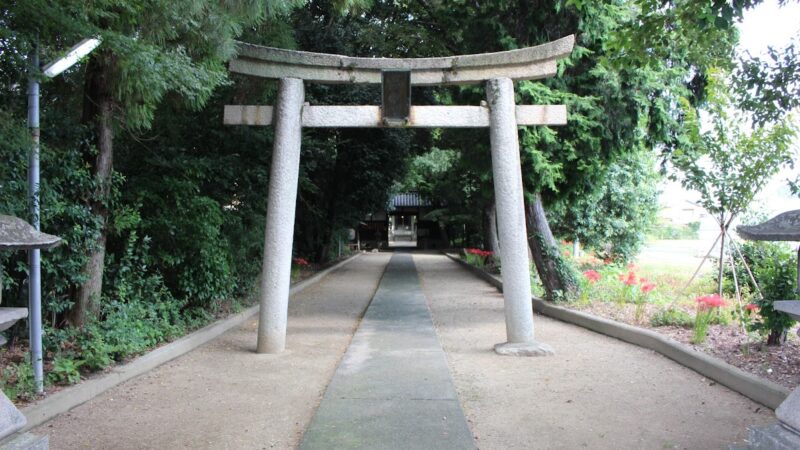
Kamikawa Shrine is located in the Hazukashi area, in the southwestern part of Fushimi-ku, Kyoto City. The surrounding area is a quiet mix of residential and agricultural land, adjacent to Kamikawa Elementary School. The torii gate bears the inscription “Sumiyoshi Daimyojin,” and the shrine has been affectionately known by this name by local residents for centuries.
History and Origins of Kamikawa Shrine
Status as a Shikinaisha Shrine
Kamikawa Shrine is a Shikinaisha shrine, counted among the nineteen shrines (five major and fourteen minor) located in Otokuni District, Yamashiro Province, as listed in the Engishiki Jinmyocho (a list of shrines compiled in the Engi era). The Engishiki Jinmyocho is a list of shrines throughout Japan compiled in 927 AD, and the shrines listed are considered to be historically significant shrines recognized by the imperial court since ancient times.
According to the Ancient Shrine and Temple Survey, its former location was recorded as “Kamogawa, Hazukashi Village, Otokuni District,” which corresponds to the present-day Hazukashi Kamogawa-cho, Fushimi Ward, Kyoto City. Under the Meiji era’s shrine ranking system, it was ranked as a village shrine and played an important role as a center of local faith.
Origin of the Invocation of Sumiyoshi-no-Kami
According to shrine traditions concerning the founding of Kamikawa Shrine, the area is located on the right bank (west bank) where the Kamogawa and Katsuragawa rivers merge, and has long been an important point for water transport. However, this confluence point had complex currents, and it is said that boat traffic was often difficult. Therefore, it is said that the three Sumiyoshi deities were invited from Sumiyoshi Taisha Shrine in Settsu Province (present-day Osaka Prefecture) to pray for safe voyages.
The location at the confluence of the Kamo River and Katsura River is deeply connected to water transport beliefs. From ancient to medieval times, rivers were important transportation routes, indispensable for the transport of goods and people. Kamikawa Shrine was founded as a shrine to protect the safety of these water transport routes and has attracted the faith of the local people.
Changes since the Modern Era
After the Meiji-era separation of Shinto and Buddhism, Kamikawa Shrine functioned as a village shrine and the local tutelary deity. In 1982, the main hall was rebuilt, resulting in the current concrete structure. The shrine grounds are surrounded by a sacred grove, forming a valuable green space in the increasingly urbanized Fushimi Ward of Kyoto City.
Deities and Divine Virtues
The following four deities are enshrined at Kamikawa Shrine:
Sumiyoshi Three Gods
- Sokotsutsu-no-Mikoto
- Nakatsutsu-no-Mikoto
- Uwatsutsu-no-Mikoto
The Sumiyoshi Three Gods are widely worshipped as gods of the sea and navigation. According to the Kojiki and Nihon Shoki, they were born when Izanagi-no-Mikoto performed a purification ritual upon his return from the underworld. They are particularly known as guardians of maritime safety, fishing prosperity, and waka poetry and literature.
Uwatsuwadatsumi-no-Mikoto
This deity is worshipped as a god of water and the sea. Wadatsumi-no-Mikoto is a general term for sea gods, and Kamitsu-Wadatsumi-no-Mikoto is specifically considered the god who governs the surface of the sea. This god is believed to bestow a wide range of divine virtues related to water, including safe water transport, abundant catches, and protection of agricultural waters.
Divine Virtues
The main divine virtues of Kamikawa Shrine are as follows:
- Safe Navigation and Traffic Safety: Through the divine virtues of the three Sumiyoshi deities, safety is protected not only by water but also by land.
- Business Prosperity: Prosperity in business is bestowed through the protection of trade via water transport.
- Maritime Safety and Fishing Prosperity: Safety and prosperity for those involved in sea and river work.
- Abundant Harvest: Prosperity in agriculture is ensured through the divine virtues of the water deities.
- Protection from Misfortune and Good Fortune: Protection from misfortune through the purifying power of the Sumiyoshi deities.
Highlights of the Shrine Grounds
Torii Gate and Shrine Name Plaque
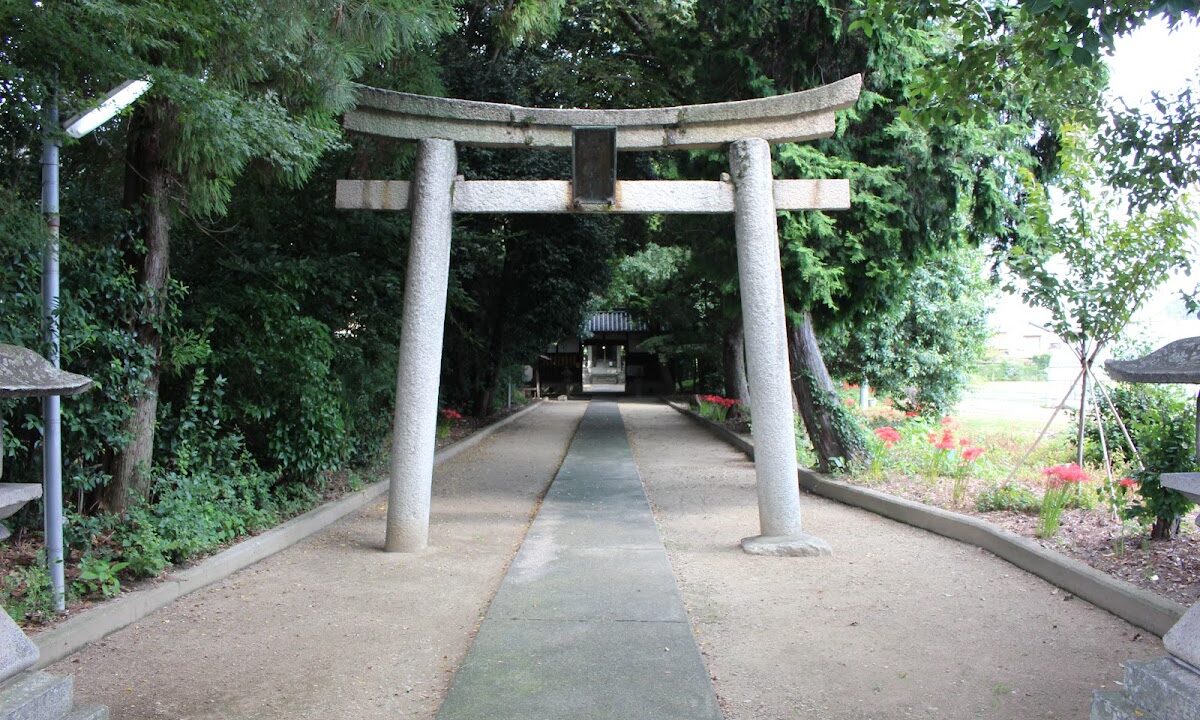
The torii gate of Kamikawa Shrine bears a plaque inscribed with “Sumiyoshi Daimyojin.” This is evidence that Kamikawa Shrine, as a shrine dedicated to the Sumiyoshi deities, has been affectionately known locally as “Sumiyoshi Daimyojin.” Passing through the torii gate reveals a small, tranquil shrine grounds.
Main Shrine
The current main shrine is a concrete structure built in 1982. While it has a modern structure, it follows the traditional style of shrine architecture and functions as the center of local faith.
Sacred Grove
The shrine grounds are surrounded by a sacred grove of trees, creating a valuable natural space in the increasingly urbanized Fushimi Ward of Kyoto City. Some visitors comment that it feels “dimly lit,” but this contributes to the tranquil atmosphere created by the abundant trees. It is a space where you can feel the sacred atmosphere unique to shrines.
Surrounding Environment
Kamikawa Shrine is adjacent to Kamikawa Elementary School, integrated with local educational facilities. Because it is slightly set back, it is not easily visible from the main road, which contributes to a quiet and peaceful environment for worship.
Goshuin (Shrine Seal) Information
Goshuin (shrine seals) are available at Kamikawa Shrine. Those wishing to receive a goshuin are advised to confirm by phone in advance.
Phone Number: 075-921-5991
Goshuin (temple/shrine stamps) are proof of a visit to a shrine and are popular souvenirs for many worshippers. The goshuin at Kamikawa Shrine includes the shrine’s name, the date of visit, and the shrine’s seal. Bringing your goshuincho (stamp book) will create a memorable record.
Access Methods
Access by Public Transportation
By Train:
- Approximately 20 minutes on foot from Fushimi Station on the Keihan Main Line and Kintetsu Kyoto Line
- Alternatively, taking a bus from Fushimi Station is convenient.
By Bus:
- Approximately 2 minutes on foot from the Kamikawa Elementary School bus stop (Kyoto City Bus)
- Very close to the bus stop, making it easily accessible.
Access by bus is the most convenient, as the shrine is located right next to the Kamikawa Elementary School bus stop. Kamikawa Elementary School, which gives the bus stop its name, is a landmark.
Access by Car
Please search for 368 Hazukashi Kamogawa-cho, Fushimi-ku, Kyoto City using your car navigation system or map app. The surrounding area is residential, and some roads are relatively narrow. It is recommended to check with the shrine in advance regarding parking.
Landmarks in the Area
- Kamikawa Elementary School (adjacent)
- Confluence of the Kamogawa and Katsura Rivers (west side)
- Residential area of Hazukashi
Manners and Precautions for Visiting a Shrine
Etiquette for Visiting a Shrine
The basic etiquette for visiting a shrine is as follows:
- When passing through the torii gate: Bow before entering the shrine grounds.
- Purification at the water basin: Purify your hands and mouth (if there is a water basin).
- Worship at the main hall: The basic procedure is two bows, two claps, and one bow.
- When leaving: Turn around and bow when leaving the torii gate.
Visiting Hours
Kamikawa Shrine is generally open to visitors at any time. However, please refrain from visiting early in the morning or late at night out of consideration for the surrounding residents. Visiting during daylight hours is recommended.
Photography
Photography is generally permitted on the shrine grounds, but please take photos with respect in the main hall and other sacred areas. It is also important to be considerate of other visitors.
Nearby Attractions and Temples
Other historical shrines and temples are scattered around Kamikawa Shrine in Fushimi Ward, Kyoto City.
Fushimi Inari Taisha
The head shrine of approximately 30,000 Inari shrines nationwide. A representative tourist spot in Kyoto, famous for its thousands of torii gates. Located about 15 minutes by car from Kamikawa Shrine.
Jonan-gu Shrine
An ancient shrine founded to protect the south of the capital during the Heian period. Known as a deity of protection against evil.
Gokogu Shrine
A shrine revered as the tutelary deity of Fushimi. Also known as a shrine associated with Toyotomi Hideyoshi.
Annual Events at Kamikawa Shrine
Kamikawa Shrine, as the local guardian shrine, holds various festivals throughout the year. For detailed dates, please contact the shrine directly.
General annual events at shrines include the following:
- New Year’s Day Festival (January 1st): A festival celebrating the New Year
- Setsubun Festival (February): A festival for warding off evil and bringing good fortune
- Annual Grand Festival (Autumn): The shrine’s most important festival
- Monthly Festival: Regular monthly festivals
The Charm and Characteristics of Kamikawa Shrine
Historical Value as a Shikinaisha Shrine
Being listed as a Shikinaisha shrine in the Engishiki Jinmyocho (a list of shrines compiled in the Heian period) indicates that Kamikawa Shrine is a venerable shrine with a history of over a thousand years. While there are many shrines in Kyoto City, only a limited number hold the status of a Shikinaisha, making it a shrine of high historical value.
Center of Water Transport Worship
Its location at the confluence of the Kamo River and Katsura River indicates that Kamikawa Shrine played an important role as a center of water transport worship. From ancient to medieval times, river transport was the primary means of logistics, and shrines praying for its safety were indispensable to the region.
A Faith Rooted in the Community
Nearby nestled in a residential area adjacent to Kamikawa Elementary School, Kamikawa Shrine functions as a guardian deity deeply integrated into the lives of the local people. While not flashy, it continues to attract devotion as a spiritual anchor for the local community.
A Tranquil Worship Environment
Located slightly off the main road and surrounded by a sacred grove, the shrine grounds offer a quiet and peaceful worship environment despite its urban location. It’s a valuable place to experience the true essence of a shrine, unlike the bustling, tourist-filled famous shrines.
A Recommendation for Visiting Kamikawa Shrine
Kamikawa Shrine, located in Fushimi Ward, Kyoto City, is a historically significant shrine listed in the Engishiki (ancient Japanese legal code). It enshrines the three Sumiyoshi deities and Kamitsu-no-Sawada-no-Mikoto, and is believed to bestow blessings for safe voyages, traffic safety, and business prosperity.
It’s not a famous tourist destination, but that’s precisely what makes it so appealing for its quiet and peaceful worship. This shrine is especially recommended for those visiting shrines in Kyoto, those seeking Shikinaisha (shrines listed in the Engishiki), and those interested in local history.
Its convenient location, just a 2-minute walk from the Kamikawa Elementary School bus stop, makes it easily accessible by bus. Visiting it along with other shrines and temples in Fushimi Ward will make for a more fulfilling Kyoto experience.
Its location near the confluence of the Kamo and Katsura rivers is also intriguing, allowing visitors to reflect on the history of ancient water transport while praying. Please visit Kamikawa Shrine to experience a part of Kyoto’s history.
Summary
Kamikawa Shrine (Fushimi Ward, Kyoto City, Kyoto Prefecture) is a Shikinaisha listed in the Engishiki Jinmyocho (a list of shrines compiled in the Heian period), a historically significant shrine enshrining the three Sumiyoshi deities and Kamitsu-no-Shōdō-no-Mikoto. Situated near the confluence of the Kamo and Katsura rivers, it has long been revered as a shrine protecting the safety of water transport.
Locally known as “Sumiyoshi Daimyojin,” this shrine is believed to bestow blessings for safe voyages, traffic safety, and business prosperity. It boasts excellent accessibility, being approximately a 2-minute walk from the Kyoto City Bus “Kamikawa Elementary School” bus stop.
The quiet and peaceful grounds offer a rare opportunity to experience the authentic atmosphere of a Shinto shrine, despite its urban location. When visiting shrines in Kyoto, be sure to stop by Kamikawa Shrine. The serene atmosphere of this Shikinaisha (shrine listed in the Engishiki) with over a thousand years of history will surely soothe your soul.