Complete Guide to Ochikata Shrine (Uji City, Kyoto Prefecture) | History and Access to a Shrine Associated with The Tale of Genji
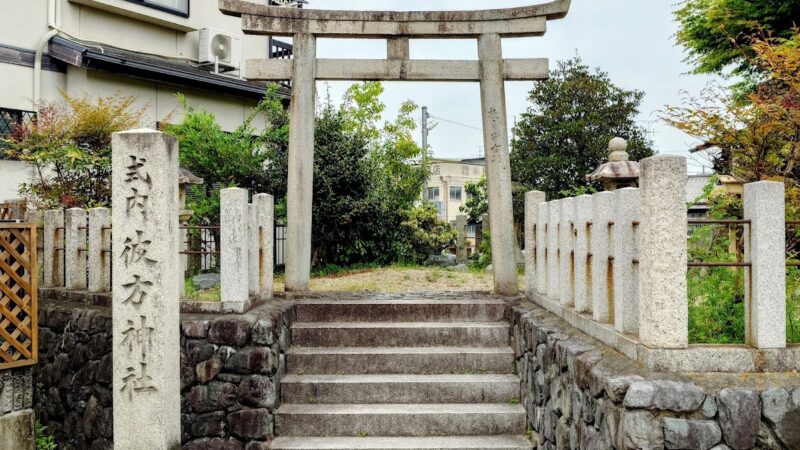
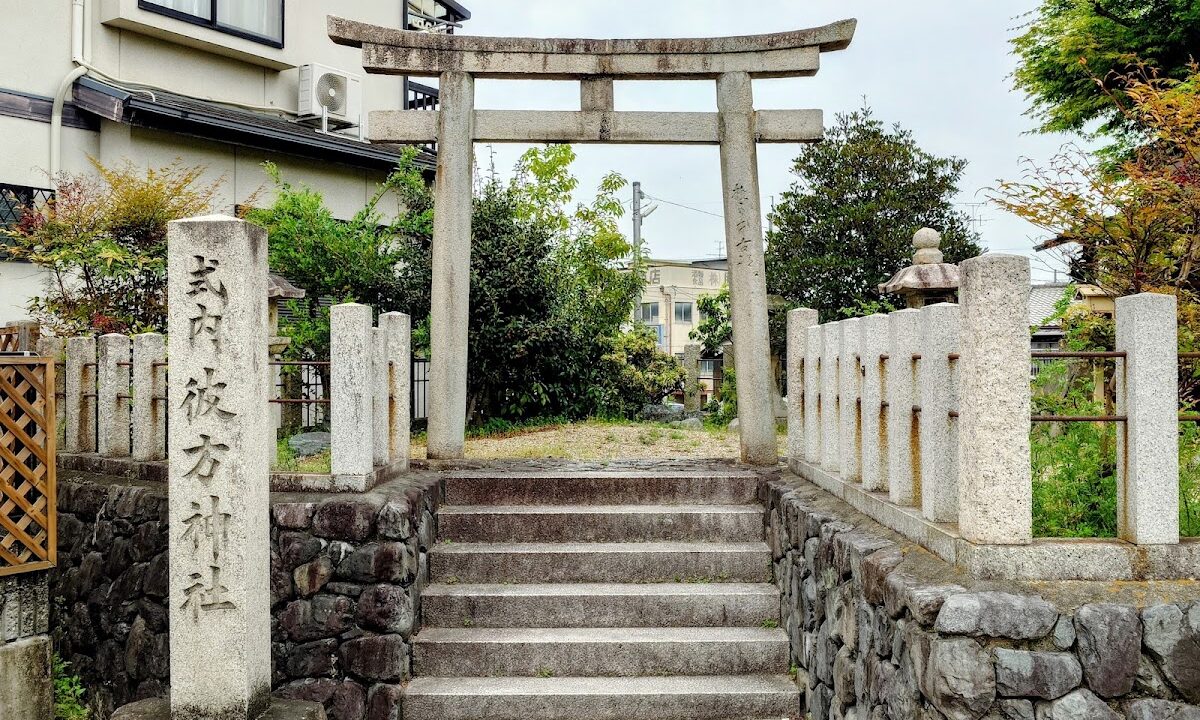
Ochikata Shrine, located on the east bank of the Uji River in Uji City, Kyoto Prefecture, is a historically significant shrine listed in the Engishiki Jinmyocho (a list of shrines compiled in the Heian period). Known as the setting for the second chapter of the Uji Ten Chapters of The Tale of Genji, “Shiimoto,” it is a historical shrine that maintains a tranquil atmosphere despite its convenient location just a few minutes’ walk from the east end of Uji Bridge.
This article provides detailed information you should know before visiting Ochikata Shrine, including its history, enshrined deities, highlights within the grounds, access methods, and nearby tourist attractions.
Basic Information about Ochikata Shrine
Shrine Name: Ochikata Shrine
Location: 28-31 Ochikata, Uji City, Kyoto Prefecture 611-0021
Deities Enshrined: Ōmononushi-no-Mikoto, Munakata-no-Kami
Shrine Rank: Shikinaisha (listed in the Engishiki Jinmyōchō), Former Village Shrine
Annual Festival Date: December 6th
Visiting Hours: Grounds are freely accessible (24-hour worship available)
Parking: None (Use nearby paid parking)
Telephone Number: No information available (Managed by local parishioners)
History of Ochikata Shrine
History as a Shikinaisha
Ochikata Shrine is listed in the “Engishiki Jinmyōchō,” compiled in the 5th year of the Enchō era (927 AD), as “Yamashiro Province, Uji District” This shrine is listed as “Uji Ochikata Shrine,” a Shikinaisha (a shrine listed in the Engishiki, an ancient Japanese legal code). It is evident that it existed as a prestigious shrine recognized by the imperial court during the Heian period.
There are several theories regarding the origin of the shrine’s name, “Ochikata,” but the most likely explanation is that it was named after the “flow” of the Uji River, meaning the point where the river flows from the mountains into the plains. Located where the Uji River emerges from steep mountains into the open plains, it has historically been an important point for water transport and transportation.
Changes in Former Name and Beliefs
From the medieval period onward, Ochikata Shrine was also known as “Suwa Daimyojin.” This indicates that the Suwa faith was incorporated during the evolution of beliefs. However, during the Meiji era’s separation of Shinto and Buddhism and the reorganization of shrines, it was restored to its original name, “Ochikata Shrine.”
During the Edo period, it was a village shrine, attracting the faith of local people and revered as the tutelary deity of the Ochikata district of Uji.
Deep Connection to The Tale of Genji
One of the reasons why Kanata Shrine is particularly noteworthy is its connection to the Uji Ten Chapters of The Tale of Genji. This area is said to appear in the story as the setting for the second chapter of the Uji Ten Chapters, “Shiigamoto.”
“Shiigamoto” begins with Kaoru visiting the Eighth Prince of Uji, and beautifully describes the scenery along the Uji River. A stone monument inscribed with “Shiigamoto no Koseki” (Ancient Site of Shiigamoto) stands within the grounds of Kanata Shrine, making it a sacred site visited by fans of The Tale of Genji and literature enthusiasts.
Deity and Divine Virtues
Ōmononushi-no-Mikoto
The main deity enshrined at Kanata Shrine is Ōmononushi-no-Mikoto. Ōmononushi-no-Mikoto is known as the enshrined deity of Ōmiwa Shrine, located on Mount Miwa in Yamato Province, and is widely worshipped as the god of nation-building, agriculture, and commerce.
Divine Blessings:
- Abundant Harvest
- Business Prosperity
- Family Safety
- Healing from Illness
- Matchmaking
Munakata-no-kami
Some sources indicate that Munakata-no-kami is also enshrined here. Known as the god of safe voyages and traffic, Munakata-no-kami is a fitting deity for this area, which has deep ties to the Uji River’s water transport.
Highlights of the Shrine Grounds
“Shiimoto no Koseki” Stone Monument
The most noteworthy feature of the shrine grounds is the stone monument inscribed with “Shiimoto no Koseki.” This monument marks the setting of the “Shiimoto” chapter of the Uji Ten Chapters of The Tale of Genji, and is known as an important historical site in literary history.
Standing before the monument, one can imagine the scenery of the Uji River that was cherished by the Heian period aristocrats. The scene depicted by Murasaki Shikibu still lives on here, transcending a thousand years.
Main Shrine and Worship Hall
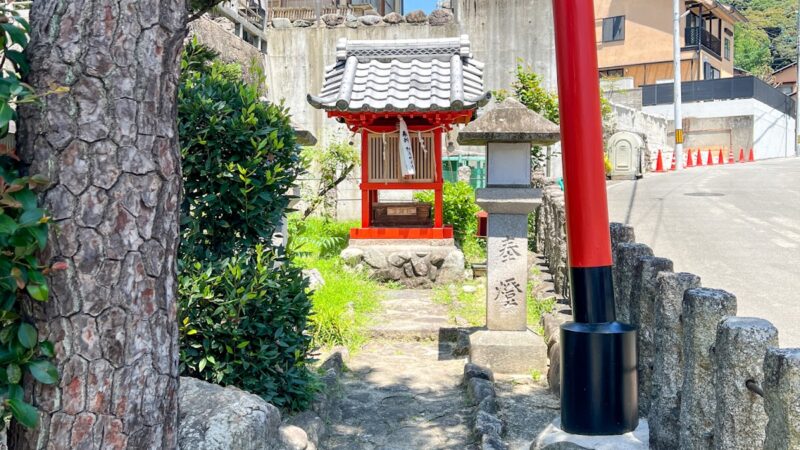
Although small, the shrine buildings of Kanata Shrine are meticulously maintained. The main shrine is built in the one-bay nagare-zukuri style and has been carefully preserved by the local parishioners. The worship hall is simply constructed but kept clean, exuding a tranquil atmosphere.
Nature within the Shrine Grounds
The shrine grounds are home to ancient trees, including chinquapin trees, creating a peaceful forest atmosphere despite its urban location. The beauty of the trees is particularly striking in the spring with its fresh green leaves and in the autumn with its vibrant foliage.
Despite its small size, the well-maintained gravel and stone paths are beautiful and soothe the hearts of visitors.
Access Methods
Access by Train
Using Keihan Railway:
- Get off at Uji Station on the Keihan Uji Line, approximately 5 minutes on foot.
- Exit the station and head towards Uji Bridge, then proceed approximately 100m northeast from the east end of Uji Bridge.
Using JR:
- Get off at Uji Station on the JR Nara Line, approximately 12 minutes on foot.
- Cross Uji Bridge and proceed northeast from the east end.
Access from Keihan Uji Station is the most convenient. From the station to the east end of Uji Bridge, the path is flat, and the shrine is located a short, gentle uphill walk from there.
Access by Car
From Kyoto:
- Approximately 10 minutes from Uji-Higashi IC or Uji-Nishi IC on the Keiji Bypass.
From Osaka:
- Approximately 15 minutes from Ogura IC on the Daini Keihan Expressway.
Note: There is no dedicated parking lot at Kanata Shrine. If you are visiting by car, please use the paid parking lots around Uji Bridge (such as the Uji City Municipal Parking Lot). The area around Uji Bridge can get crowded during peak tourist season, so we recommend using public transportation.
Address and Map
28-31 Uji Otsukata, Uji City, Kyoto Prefecture 611-0021
Located approximately 100m east of the east end of Uji Bridge, up a gentle slope in a residential area. Look for the “Shiimoto no Koseki” (Shiimoto Ancient Site) sign for easy access.
Points to Note When Visiting
Visiting Hours and Crowds
Kanata Shrine is a shrine with freely accessible grounds, and you can visit anytime, 24 hours a day. There is no permanent shrine office, so they do not offer services such as issuing Goshuin (shrine stamps).
As it is a small shrine, there are usually few visitors, allowing for a peaceful visit. However, during events related to The Tale of Genji or during peak tourist season, literature enthusiasts may visit.
Regarding Photography
Photography is generally permitted on the shrine grounds, but please be considerate of the nearby residents as it is located in a residential area. Especially when visiting early in the morning or late at night, please pray quietly.
Regarding Goshuin (Shrine Seals)
Currently, Kanata Shrine does not issue Goshuin. There is no permanently staffed shrine office, so those wishing to obtain a Goshuin should take note.
However, there are many other shrines in Uji City that issue Goshuin, such as Ujigami Shrine (a World Heritage Site) and Agata Shrine, so we recommend visiting them as well.
Nearby Shrines and Temples
Agata Shrine
Located about a 3-minute walk from Kanata Shrine, Agata Shrine is an ancient shrine known as the guardian shrine of Uji. The Agata Festival, held annually from late night on June 5th to the early morning of June 6th, is famous as a “mysterious festival in the dark” and attracts many worshippers.
Ujigami Shrine
Ujigami Shrine, a World Heritage Site, is about a 10-minute walk from Kanata Shrine. Its main hall (late Heian period), the oldest existing shrine architecture in Japan, and its worship hall (early Kamakura period) are designated National Treasures.
Uji Shrine
Uji Shrine, the counterpart to Ujigami Shrine, is also within walking distance. Known for the legend of the “Looking Back Rabbit,” its cute rabbit-shaped fortune slips are popular.
Byodo-in Temple
Byodo-in Temple, located across the Uji River, is a World Heritage Site also known for its design on the 10-yen coin. It’s about a 10-minute walk from Kanata Shrine, just across the Uji Bridge.
Nearby Tourist Attractions
Uji Bridge
Uji Bridge, one of Japan’s three oldest bridges, is very close to Kanata Shrine. While the current bridge was rebuilt in 1996, it is a historically significant bridge said to have been first built in 646.
In the center of the bridge is a protruding section called “San-no-ma,” known as the place where Toyotomi Hideyoshi had water drawn for his tea ceremonies.
Genji Monogatari Museum
The Uji City Genji Monogatari Museum is a facility where you can experience the world of Genji Monogatari through videos and models. It’s about a 15-minute walk from Kanata Shrine, and visiting before or after touring the locations of the Uji Ten Chapters will deepen your understanding of the story.
Uji River Scenery
The walking path along the Uji River offers beautiful scenery throughout the seasons. The views are especially spectacular during the cherry blossom season in spring, the fresh greenery in early summer, and the autumn foliage season. Tea houses are scattered along the river, allowing you to relax and enjoy Uji tea.
Kōshōji Temple
This is a Sōtō Zen Buddhist temple located on the hillside on the east bank of the Uji River. The autumn foliage along the approach to the temple, called “Kotozaka,” is beautiful, attracting many tourists in the fall. It’s about a 15-minute walk from Kanata Shrine.
Uji Ten Chapters Pilgrimage Course
Kanata Shrine is one of the points on the “Uji Ten Chapters Stamp Rally,” which tours locations associated with the Uji Ten Chapters of The Tale of Genji. Monuments related to each of the Uji Ten Chapters are installed throughout Uji City, allowing you to enjoy a literary walk.
Recommended Pilgrimage Course
- Uji Station (Keihan Railway) → Starting Point
- Kanata Shrine (Shiimoto) → Approx. 5 minutes
- Agata Shrine → Approx. 3 minutes
- Uji Shrine/Ujigami Shrine → Approx. 10 minutes
- The Tale of Genji Museum → Approx. 10 minutes
- Uji Bridge (Hashihime) → Approx. 10 minutes
- Byodo-in Temple → Approx. 5 minutes
This course takes approximately 2-3 hours (including time spent at each location).
History and Culture of Uji
The Home of Uji Tea
Uji is known as one of Japan’s leading tea-producing regions. Many long-established tea houses are scattered around Kanata Shrine, where you can enjoy authentic Uji tea. Enjoying matcha, sencha, and tea dumplings after visiting the shrine is a highlight of Uji sightseeing.
A Villa Area for Heian Aristocrats
During the Heian period, Uji flourished as a villa area for Kyoto aristocrats. Many aristocrats built mountain villas in Uji, including Byodo-in Temple, built by Fujiwara no Michinaga. The fact that this area was one of the centers of aristocratic culture is also why it became the setting for The Tale of Genji.
Precautions When Visiting the Shrine
Manners and Etiquette
- As the shrine is located in a residential area, please refrain from loud conversations and noise.
- The shrine grounds are kept clean, so please be sure to take your trash with you.
- Please be mindful of the boundaries of private property and do not enter restricted areas.
- Please be especially quiet when visiting early in the morning or at night.
Attire
There are no specific dress code requirements, but please wear clean clothing appropriate for visiting a shrine. Since the grounds are covered with gravel and cobblestones, comfortable walking shoes are recommended.
Seasonal Highlights
Spring (March-May)
This is a beautiful season of fresh greenery. The trees on the shrine grounds are budding, creating an atmosphere full of vitality. The cherry blossoms along the Uji River are also magnificent, and you can enjoy strolling around the area during cherry blossom season.
Summer (June-August)
Visiting in early June to coincide with the Agata Shrine’s Agata Festival is also recommended. Furthermore, it’s the season for cormorant fishing on the Uji River, making a visit to the shrine in the evening, while enjoying the cool breeze, a truly picturesque experience.
Autumn (September-November)
During the autumn foliage season, the entire Uji area is beautifully colored. The grounds of Kanata Shrine also take on an autumnal appearance, making it a season to more deeply experience the world of The Tale of Genji.
Winter (December-February)
On December 6th, the annual festival day, a Shinto ritual is performed by local parishioners. Visiting the shrine in the quiet of winter creates an even more sacred atmosphere.
Combining with Uji Sightseeing
Half-Day Course
A recommended course is to visit Byodo-in Temple and Ujigami Shrine in the morning, enjoy Uji tea cuisine for lunch, and then tour the places associated with the Ten Chapters of The Tale of Genji, including Kanata Shrine, in the afternoon.
One-Day Course
Starting with a learning experience at the Tale of Genji Museum, this course carefully tours sites associated with the Uji chapters of the Tale of Genji, interspersed with breaks at teahouses, allowing you to deeply appreciate the history and culture of Uji.
Summary
Kanata Shrine, though small in scale, is a historically significant shrine listed in the Engishiki Jinmyocho (a list of shrines compiled in the Heian period), and is also important in literary history as the setting for the “Shiimoto” chapter of the Uji chapters of The Tale of Genji.
Despite its convenient location just a 5-minute walk from the east end of Uji Bridge, it maintains a quiet and peaceful atmosphere, and its thousand-year-old history soothes the hearts of visitors.
When visiting Uji, be sure to visit this small shrine in addition to the World Heritage sites of Byodo-in Temple and Ujigami Shrine. It will be a valuable experience to reflect on the world of The Tale of Genji and feel the atmosphere of the Heian period.
It is within walking distance of Keihan Uji Station, and there are many other tourist spots and teahouses nearby, making it easy to stop by as part of your Uji sightseeing. Spend a special time at Kanata Shrine, where history, literature, and nature harmonize.