Matafuri Shrine (Uji City, Kyoto Prefecture) Complete Guide | A Shrine of Goryo Faith Dedicated to the Vengeful Spirit of Fujiwara no Tadabumi
Nearby along the Uji River in Uji City, Kyoto Prefecture, stands a small, unassuming shrine. Matafuri Shrine is known as a shrine of Goryo faith, founded to appease the vengeful spirit of Fujiwara no Tadabumi, a nobleman of the Heian period. While often overshadowed by World Heritage sites like Uji Shrine and Ujigami Shrine, it boasts a fascinating history deeply connected to the Taira no Masakado Rebellion, a major event in Japanese history.
Overview of Matafuri Shrine
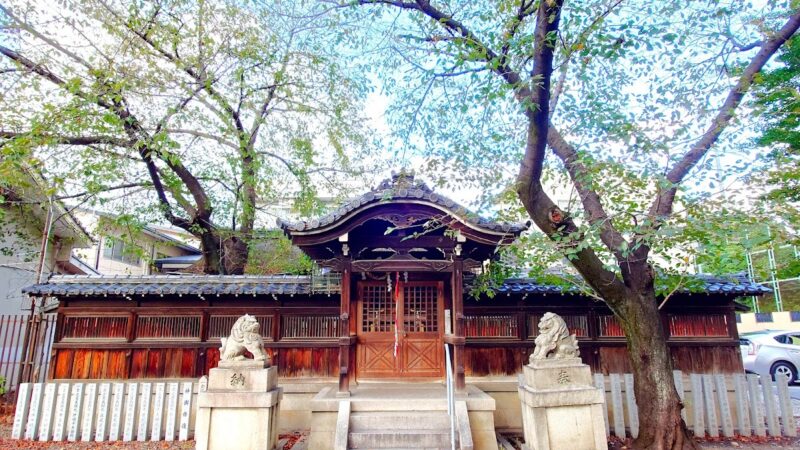
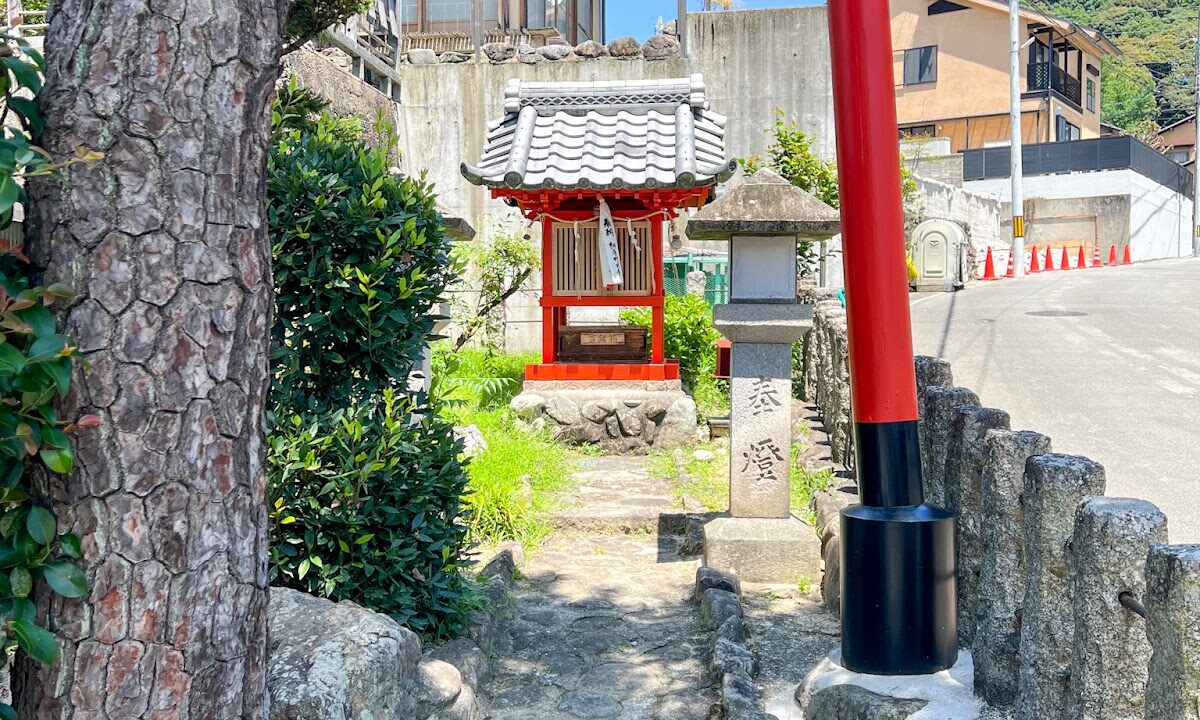
Matafuri Shrine is a small shrine located at 47 Uji Matafuri, Uji City, Kyoto Prefecture. The reading “Matafuri” originates from the place name “Matafuri,” and it is affectionately known locally as “Matafuri-sama.” The grounds are not particularly large, but the neatly maintained shrine buildings and tranquil atmosphere welcome visitors. Located on the east bank of the Uji River, on the path from Uji Shrine to Hashihime Shrine, this small shrine is often stumbled upon by visitors during their Uji sightseeing. However, this small shrine holds significant historical significance, revealing the deep layers of Japanese culture: power struggles and vengeful spirit worship during the Heian period.
Deity: Fujiwara no Tadabumi
The Life of Fujiwara no Tadabumi
The deity enshrined at Sueta-Muri Shrine is Fujiwara no Tadabumi. Tadabumi was from the Fujiwara Shikike branch of the Fujiwara clan. While the Fujiwara Hokke held the center of power, he served as a local official for a long time as a member of a collateral branch. His deep connection to Uji is evident from the fact that he was called Uji Minbu-kyo (Minister of Civil Affairs of Uji).
From a young age, Tadabumi held various local government positions, including provincial governor, and was known as a highly capable bureaucrat. However, he was unable to attain a high-ranking position in the central government for a long time, and only in his later years was he appointed to the position of Councilor, making him a late bloomer.
The Rebellion of Taira no Masakado and the Appointment of Commander-in-Chief of the Eastern Expedition
The rebellion of Taira no Masakado, which broke out in 940 AD, dramatically changed Fujiwara no Tadabumi’s life. In response to Taira no Masakado’s rebellion in the Kanto region, the imperial court appointed Tadabumi as Commander-in-Chief of the Eastern Expedition (also known as Commander-in-Chief of the Expeditionary Force against the Barbarians) and dispatched him to the eastern provinces as the supreme commander of the imperial army.
This was a golden opportunity for Tadabumi to leverage his many years of experience as a local official and establish his position in the central government. However, fate was not on Tadabumi’s side. Before Tadabumi could reach the eastern provinces, Taira no Masakado was killed by Fujiwara no Hidesato and Taira no Sadamori.
The Issue of Rewards and the Beginning of Resentment
The great achievement of defeating Masakado belonged to Fujiwara no Hidesato and Taira no Sadamori, while Tadabumi effectively achieved no military success. Upon seeing this situation, Dainagon Fujiwara no Saneyori argued that Tadabumi should be excluded from the list of those eligible for rewards.
Fujiwara no Saneyori was the legitimate heir of the Fujiwara Hokke clan and a figure of immense power in the imperial court at the time. Due to Saneyori’s opposition, Tadabumi, despite holding the important position of Seito Taishogun (Commander-in-Chief of the Eastern Expedition), received no rewards whatsoever.
Tadabumi’s resentment at having his long years of hardship in the provinces thwarted from the opportunity for honor he had finally attained is immeasurable. According to historical records, Tadabumi harbored a deep hatred for Fujiwara no Saneyori, and this resentment is said to have persisted even after his death.
History: From Vengeful Spirit to Guardian Deity
The Death of Tadabumi and the Beginning of the Curse
On June 26, 947 (Tenryaku 1), Fujiwara no Tadabumi passed away. However, Tadabumi’s death was rather the beginning of a new terror. Immediately after Tadabumi’s death, a series of misfortunes befell Fujiwara no Saneyori’s family. First, Nobuko, the daughter of Saneyori who had become a consort of Emperor Murakami, died suddenly without leaving any children. In the same year, Saneyori’s eldest son, Atsutoshi, also fell ill and died young. These misfortunes were rumored to be the curse of Tadabumi’s vengeful spirit, and people trembled in fear.
The Legend of the “Evil Spirit Minister of Civil Affairs”
Due to this series of misfortunes, Fujiwara no Tadabumi came to be known as the “Evil Spirit Minister of Civil Affairs.” The Heian period was a time when the belief in vengeful spirits was prevalent, and it was believed that the spirits of those who died tragically or with unfulfilled regrets would cause curses.
Just as Sugawara no Michizane was feared as a vengeful spirit and later enshrined at Tenmangu shrines as the god of learning, Tadabumi’s vengeful spirit also became an object of appeasement. The belief in the worship of vengeful spirits, which involves respectfully enshrining the spirits of those who died harboring resentment to appease their curses and transform them into guardian deities, lies behind the founding of Matafuri Shrine.
Founding of Matafuri Shrine
While there are no clear records of the exact founding date of Matafuri Shrine, it is said to have been built after the death of Fujiwara no Tadabumi to appease his vengeful spirit. The choice of Uji is thought to be due to Tadabumi’s deep connection to the area during his lifetime, as he was known as Uji Minbu-kyo (Minister of Civil Affairs of Uji).
The shrine’s name, “Matafuri,” originates from the place name “Matafuri,” but some theories suggest it also includes the meaning of “looking back again (resurrecting).” This may reflect the fear of vengeful spirits repeatedly resurrecting and causing trouble, and the wish to appease them and bring peace back.
Context of Goryo Faith
Metaburi Shrine is one of the shrines that embodies Goryo faith of the Heian period. Goryo faith is a belief that enshrines the spirits of people who have fallen from power or met untimely deaths, appeasing their vengeful spirits and worshipping them as guardian deities.
Representative examples include Kitano Tenmangu Shrine, which enshrines Sugawara no Michizane, and Sudo Shrine, which enshrines Prince Sawara. Fujiwara no Tadabumi also became an object of Goryo faith as a person who died without being rewarded due to political injustice.
Shrine Grounds and Highlights
Shrine Buildings and Grounds
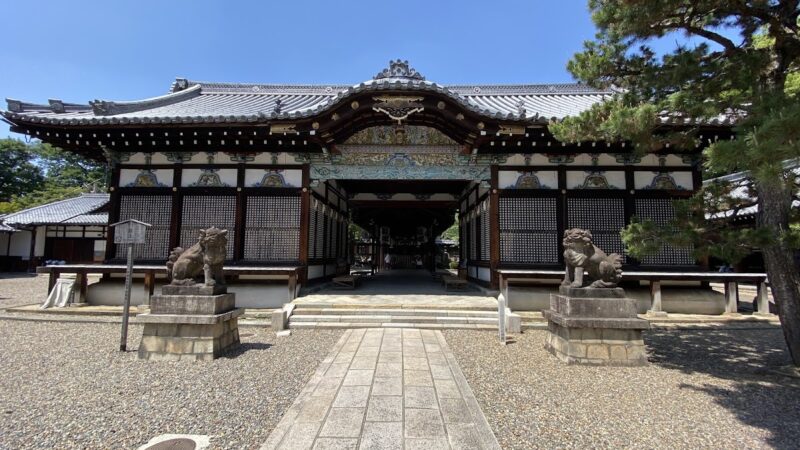
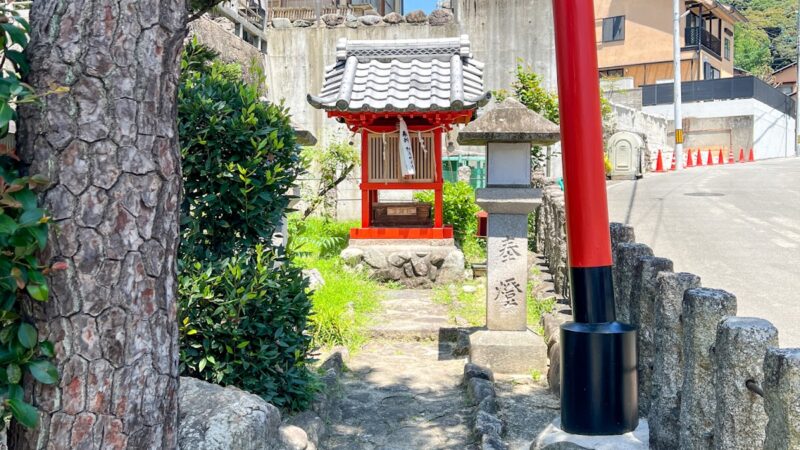
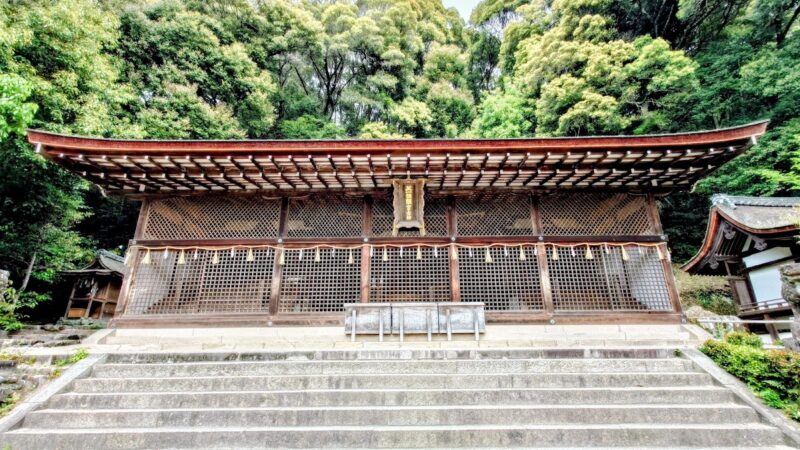
The grounds of Mataburi Shrine are small but meticulously maintained. Upon passing through the torii gate, the main hall is visible straight ahead. The main hall has a simple structure, but its simplicity creates a sacred atmosphere.
Large trees flourish within the grounds, creating a quiet space away from the hustle and bustle of the city. Located along the Uji River, the soothing sound of the flowing water provides a calming atmosphere for worshippers.
Points to Note During Your Visit
While Sueta-buri Shrine is a shrine dedicated to vengeful spirits, it is now worshipped as a deity of protection against misfortune and disaster. Worshippers visit to pray to Fujiwara no Tadabumi, who transformed from a vengeful spirit into a guardian deity, for protection from misfortune and calamities in life.
In particular, those who have experienced unfair treatment or are suffering from not receiving fair recognition may empathize with Tadabumi’s unfulfilled desires and seek solace from his spirit.
Relationship with Surrounding Shrines
Although Sueta-buri Shrine is small among the shrines of Uji, it is located in the same area on the east bank of the Uji River as Uji Shrine, Ujigami Shrine, and Hashihime Shrine. Visiting Sueta-buri Shrine while touring these other shrines allows for a deeper understanding of Uji’s multifaceted history and beliefs.
In particular, Hashihime Shrine is associated with legends of breaking off relationships and jealousy, sharing elements with the vengeful spirit worship at Sueta-buri Shrine. You can sense the dark history of passions hidden beneath the splendid Heian-era aristocratic culture of Uji.
Festivals and Annual Events
Sueta-buri Shrine is a small shrine, and therefore does not hold large-scale festivals, but it is carefully preserved by the local people. Regular cleaning and maintenance are carried out, and it continues to thrive as an object of local faith.
At the beginning of the year, worshippers visit for Hatsumode (first shrine visit of the year), praying for good health and protection from illness in the new year. People in their unlucky years also visit to pray for protection from misfortune.
Access and Local Information
Location
Address: 47 Uji Matafuri, Uji City, Kyoto Prefecture
Access Methods
Access by Train:
- Approximately 15 minutes on foot from JR Nara Line “Uji Station”
- Approximately 10 minutes on foot from Keihan Uji Line “Uji Station”
The route from Keihan Uji Station is slightly closer, and the route along the Uji River offers excellent scenery. Walking via Uji Shrine and Ujigami Shrine allows you to enjoy a historical stroll through Uji before arriving.
Access by Car:
- Approximately 10 minutes from Keiji Bypass “Uji Higashi IC”
- There is no dedicated parking lot, so you will need to use a nearby paid parking lot.
Visiting Hours and Admission Fee
Metsutaburi Shrine is open to the public 24 hours a day. There is no admission fee. However, visiting at night is not recommended as the surrounding area becomes dark; daytime visits are recommended.
About Goshuin (Shrine Seals)
Metaburi Shrine is an unmanned shrine, so there are no resident priests, and therefore, goshuin are not issued. Those collecting goshuin can obtain them at the nearby Uji Shrine or Ujigami Shrine.
Nearby Tourist Attractions
Metaburi Shrine is surrounded by many of Uji’s most famous tourist attractions.
Uji Shrine: Approximately 5 minutes on foot. An ancient shrine dedicated to Uji no Wakiiratsuko no Mikoto, known for its blessings of academic success.
Ujigami Shrine: Approximately 7 minutes on foot. A World Heritage site, known as the oldest existing shrine architecture.
Byodo-in Temple: Approximately 15 minutes on foot. A World Heritage site also known for its design on the 10-yen coin. The Phoenix Hall is a must-see.
Hashihime Shrine: Approximately 3 minutes on foot. Known as a shrine for severing relationships, and the setting of the Hashihime legend.
Uji River: Located very close by. Enjoy the beautiful river scenery, cherry blossoms in spring, and autumn foliage in fall.
Recommended Time to Visit
Metsutaburi Shrine is a small shrine, so it is rarely crowded. You can visit anytime and enjoy a peaceful visit, but the following times are especially recommended:
Spring (late March to April): The cherry blossoms along the Uji River are beautiful, making it perfect for a stroll.
Autumn (November): It is the season of autumn leaves, and the entire Uji area is beautifully colored.
Weekdays: While major tourist spots in Uji are crowded on weekends, you can visit the shrine peacefully on weekdays.
Historical Lessons from Matsutaburi Shrine
Metsutaburi Shrine is not just a tourist spot, but an important place for a deep understanding of Japanese history and culture. The message conveyed by this small shrine resonates with us living in the modern age.
Injustice and Human Emotions
The story of Fujiwara no Tadabumi symbolizes the injustice that exists in every era. Even in modern society, it’s not uncommon to experience situations where, despite having ability and striving to fulfill one’s duties, one fails to receive fair recognition due to political reasons or the whims of those in power.
Tadabumi’s resentment is a natural expression of human emotion in the face of such injustice. The belief in vengeful spirits (Goryo Shinto) can be seen as a wisdom of Japanese culture that acknowledges and sublimates such negative emotions rather than denying them.
From Vengeful Spirits to Guardian Deities: A Japanese Philosophy of Reconciliation
The most interesting aspect of Goryo Shinto embodied at Sueta-Mukuri Shrine is the idea of not only fearing vengeful spirits, but also respectfully enshrining them to transform them into guardian deities. This can be seen as a manifestation of a Japanese philosophy that guides conflict toward reconciliation.
Instead of completely rejecting the adversary, the relationship is transformed by understanding and comforting their suffering and anger. This philosophy contains universal wisdom that can be applied to solving modern interpersonal relationships and social problems.
The Multifaceted Nature of History
Even a historical event like the Taira no Masakado Rebellion reveals entirely different aspects when viewed from the perspective of Fujiwara no Tadabumi. While history is often written from the victor’s point of view, places like Sueta-buri Shrine tell the stories of people hidden in the shadows of history.
Uji has a glamorous image as the setting of The Tale of Genji, but at the same time, it is deeply connected to dark human emotions and resentments, as seen in Sueta-buri Shrine and Hashihime Shrine. This multifaceted nature is the charm of Uji and demonstrates the depth of Japanese culture.
Summary: A Big Story Hidden in a Small Shrine
Although the grounds of Sueta-buri Shrine are small, it encapsulates major themes such as political struggles of the Heian period, the belief in vengeful spirits, and the universality of human emotions. When visiting Uji, be sure to visit this small shrine in addition to the World Heritage sites and famous tourist spots.
The unfulfilled desires of Fujiwara no Tadabumi, and the feelings of those who tried to comfort him, still quietly speak to us today, transcending more than a thousand years. Sometimes, small stories not found in history textbooks resonate most deeply within our hearts.
As you quietly offer your prayers at Sueta-buri Shrine, listening to the gentle murmur of the Uji River, you can share the same human emotions as the people of the Heian period. Perhaps that is the true meaning of learning history and visiting shrines.