Complete Guide to Itsuki Shrine (Kyoto Prefecture) | History, Goshuin (Shrine Seal), and Access Information
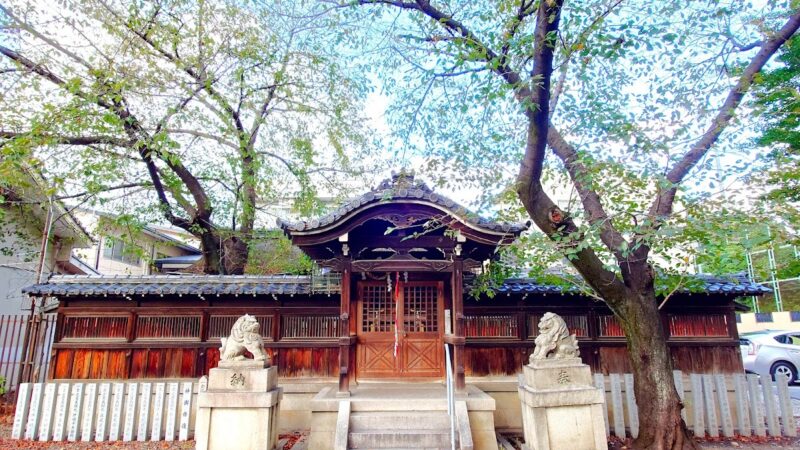
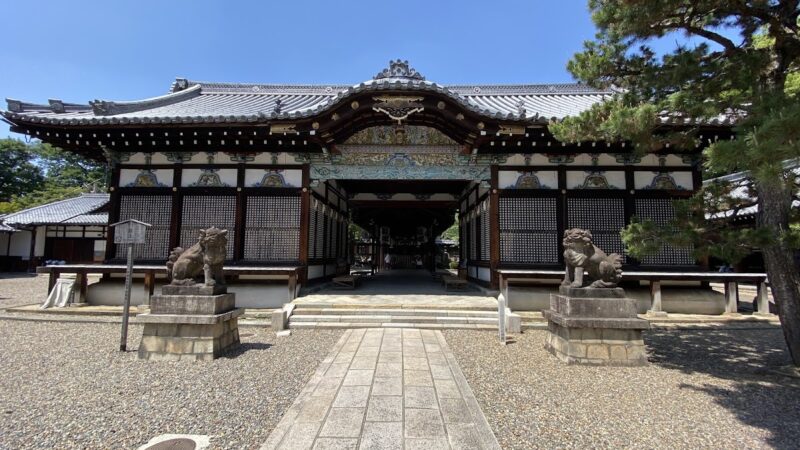
Kyoto Prefecture has several historical shrines whose names include the character “齋” (sai). This article focuses on Itsuki Shrine in Ayabe City, which was designated a National Important Cultural Property in 2024, and also provides detailed information on Saigu Shrine in Ukyo Ward, Kyoto City. We comprehensively cover the historical value of each shrine, information on goshuin, and points to consider when visiting.
Basic Information on Itsuki Shrine (Ayabe City)
Location and Access
Address: 100 Fumo, Shimohara-cho, Ayabe City, Kyoto Prefecture
Itsuki Shrine is an ancient shrine located in Shimohara-cho, in the southern part of Ayabe City. The nearest station is Yamaga Station on the JR San’in Main Line, and access is by foot or taxi from the station. It is situated in a rich natural environment, maintaining a peaceful atmosphere for worship.
Access:
- Approximately 10 minutes by car from Yamaga Station on the JR San’in Main Line
- Approximately 20 minutes by car from Ayabe Interchange on the Maizuru-Wakasa Expressway
- Parking: Parking available for visitors on the shrine grounds
Deities and History
The exact founding date of Itsuki Shrine is not clearly recorded, but it has been revered as the local tutelary deity since ancient times. The name “Itsuki” means sacred, representing a pure place for serving the gods.
With a history dating back to the Muromachi period, it has been revered by local people for generations as a guardian deity of local agriculture and life. As a valuable surviving example of medieval shrine architecture in the Tanba region, it is a shrine of extremely high cultural value.
Shrine Building Designated as a National Important Cultural Property
Designated as an Important Cultural Property in August 2024
The main hall of Itsuki Shrine was officially designated as a National Important Cultural Property (building) on August 15, 2024. This is evidence of the exceptional value of this shrine architecture in the northern Kyoto Prefecture region.
Architectural Style and Characteristics
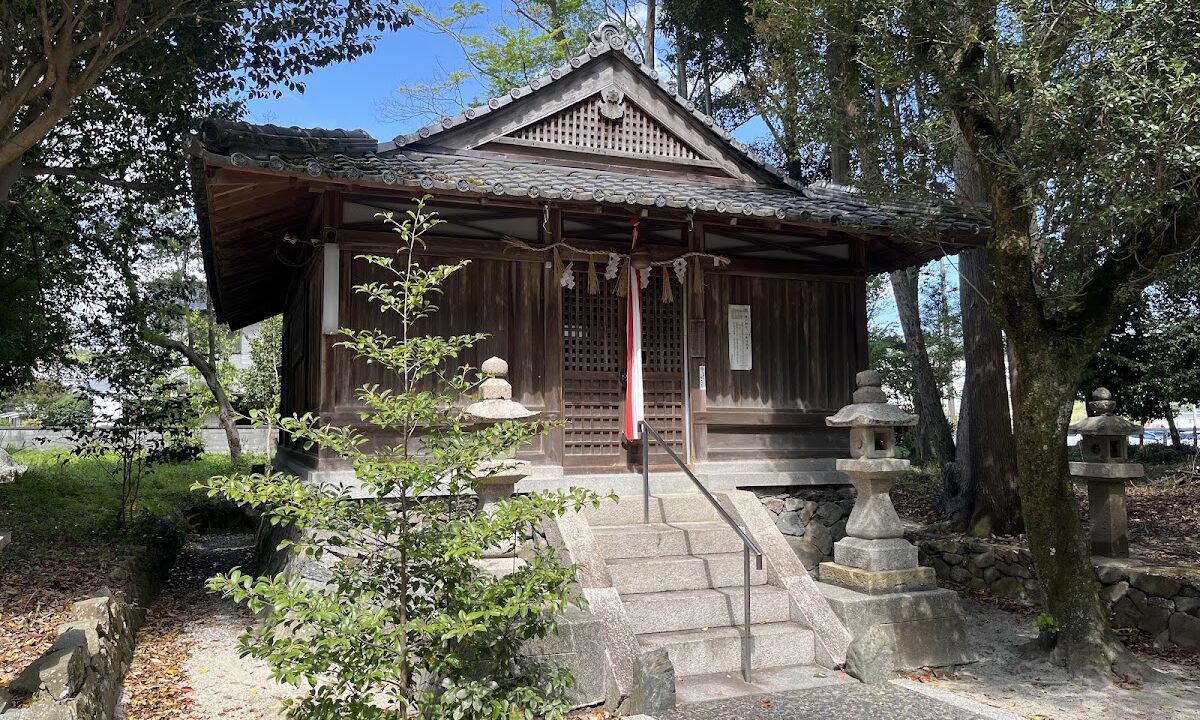
Architectural Form: Ikkensha Nagare-zukuri (single-bay nagare-zukuri style)
Roof: Itabuki (wooden shingle roof)
The main hall is estimated to have been built in the mid-Muromachi period (around the 15th century). Its architectural features include:
- A veranda with a balustrade surrounds the front and three sides of the main building.
- Side screens are erected, and a wooden staircase is provided at the front.
- Large chamfers are applied to the corner pillars, brackets, and rafters of the eaves.
- The eaves beams and rafters have a curve, creating elegant lines.
- Muromachi period techniques can be seen in the processing marks of the materials and in the decorative moldings.
These architectural techniques are historically extremely important as a surviving example of a medieval shrine main hall in the Tanba region, and serve as valuable material for understanding the architectural techniques and religious practices of the time.
Preservation Status and Cultural Value
Despite being over 500 years old, the main shrine building remains in relatively good condition. This is the result of careful maintenance and appropriate restoration work carried out by local residents.
There are few medieval shrine buildings in the Tanba region, making the Sai Shrine main building an indispensable part of the region’s architectural history. It is also highly valued academically for tracing the evolution of architectural styles.
Sai Shrine’s Goshuin (Shrine Seal) Information
Special Goshuin Using Kurotani Washi Paper
Sai Shrine offers a special goshuin (shrine seal) using “Kurotani Washi,” a Kyoto Prefecture-designated intangible cultural property. Kurotani Washi is a traditional craft of Ayabe City and is a high-quality, handmade Japanese paper with a history of over 800 years.
Features of the Goshuin (Shrine Seal):
- The warm texture of Kurotani washi paper
- Beautiful ink color, suitable for long-term preservation
- A masterpiece blending local traditional culture and shrine faith
Regarding the issuance of Goshuin
We recommend contacting the shrine or local tourism association in advance regarding the issuance of Goshuin. Since the chief priest may be absent, it is best to contact them beforehand if you wish to be sure of receiving one.
Contact Information: Ayabe City Tourism Association (0773-42-9550)
Detailed Information on Saigu Shrine (Ukyo-ku, Kyoto City)
Basic Information and Access
Address: 34 Sagano Miyanomoto-cho, Ukyo-ku, Kyoto City, Kyoto Prefecture
Saigu Shrine is a historical shrine located in the Sagano area, near Nonomiya Shrine.
Transportation Access:
- Approximately 15 minutes on foot from Arisugawa Station on the Keifuku Electric Railway Arashiyama Line
- Approximately 20 minutes on foot from Saga-Arashiyama Station on the JR Sagano Line
- Approximately 5 minutes on foot from the Nonomiya bus stop (City Bus)
Deity and History
Deity: Amaterasu Omikami
Saigū Shrine is said to be the former site where the Saigū (high priestess serving at Ise Grand Shrine) built a Nonomiya (field shrine) on the banks of the Arisugawa River and performed purification rituals.
Historical Background:
According to oral tradition, this site is said to be the location of the villa of Yamato-hime no Mikoto, the second daughter of Emperor Suinin. Princess Yamato-hime, as the first Saigu (Imperial Princess serving at Ise Grand Shrine), was an important princess who carried the sacred object of Amaterasu Omikami (the sun goddess) throughout Japan, eventually enshrining it in Ise and founding Ise Grand Shrine.
Shrine Buildings and Cultural Properties
The current shrine building was rebuilt on December 16, 1955. However, a ridge beam inscription from 1669 is preserved at the shrine, conveying its history from the Edo period.
The shrine grounds are surrounded by the nature of Sagano, creating a tranquil atmosphere. As a shrine with deep ties to Ise Grand Shrine, it is a place where one can feel a special spiritual energy.
Goshuin (Shrine Seal) of Saigu Shrine
Saigu Shrine offers Goshuin. Many visitors receive them as a record of their visit and as a memento of their shrine pilgrimage.
Goshuin (temple/shrine stamp) issuance hours:
- Generally during daytime visiting hours
- As the chief priest may be absent, prior confirmation is recommended for those who wish to receive a Goshuin.
Nearby shrines, temples, and tourist spots
Around Ayabe City (Saigū Shrine)
Ayabe City tourist attractions:
- Gunze Museum: A facility where you can learn about the history of Ayabe’s textile industry
- Ayabe Rose Garden: Enjoy flowers of all seasons
- Kurotani Washi Workshop: Observe and experience traditional Japanese paper making
Nearby temples and shrines:
- Kōmyōji Temple: An ancient temple in Ayabe City
- Kimiosan Kōmyōji Temple: The Niomon Gate is a nationally important cultural property
Sagano area (Saigū Shrine)
Major nearby temples and shrines:
- Nonomiya Shrine: Famous as a god of matchmaking
- Tenryūji Temple: A Zen temple that is a World Heritage Site
- Jōjakkōji Temple: A famous spot for autumn leaves
- Nison-in Temple: An ancient temple at the foot of Mt. Ogura
- Giō-ji Temple: A nunnery associated with the Tale of the Heike
Arashiyama/Sagano Tourist Spots:
- Bamboo Grove Path: A representative landscape of Sagano
- Togetsukyo Bridge: A symbol of Arashiyama
- Torokko Train: Enjoy the spectacular view of Hozukyo Gorge
Manners and Etiquette for Visiting Temples
Basic Visiting Etiquette
- Bow at the Torii Gate: Bow before entering the temple grounds
- Watering Rituals: Cleanse your left hand, right hand, and mouth in that order
- Worship Etiquette: Two bows, two claps, and one bow are the basics
- Behavior on Temple Grounds: Worship quietly and with reverence
Regarding Photography
Photography is generally permitted on temple grounds, but please note the following:
- Photography may be prohibited inside the main hall or in sacred areas
- We will be considerate of other visitors and avoid causing any inconvenience.
- We will refrain from using flash photography.
- We will be careful to avoid inappropriate content when posting on social media.
Seasonal Highlights
Spring (March-May)
- A beautiful season of fresh greenery.
- Enjoy cherry blossoms and wildflowers within the shrine grounds.
- A pleasant experience of worship in the refreshing air.
Summer (June-August)
- Shrine grounds enveloped in deep green.
- Worship in the cool shade of trees.
- The summer atmosphere filled with the sound of cicadas.
Autumn (September-November)
- A beautiful season of autumn leaves (especially in the Sagano area).
- A season of harvest, a time to offer thanks for the bounty.
- Enjoy a quiet worship experience in the crisp air.
Winter (December-February)
- The shrine also has a charming snowscape.
- Worship in the crisp air.
- The New Year’s visit season.
Regional Culture and Tradition
Kurotani Washi Paper from Ayabe City
Kurotani Washi paper, used for the Goshuin (seal stamp) of Saijinja Shrine, is a Kyoto Prefecture-designated Intangible Cultural Property. This traditional handmade paper, dating back to the Heian period, is highly valued for its durability and beauty, making it ideal for the restoration of ancient documents and as calligraphy paper.
Characteristics of Kurotani Washi Paper:
- Strong paper made from mulberry (kozo)
- Unique texture and warmth
- Excellent for long-term preservation
- Handcrafted by artisans
History of the Tamba Region
The Tamba region, including Ayabe City, has long been a vital transportation hub connecting Kyoto and the Sea of Japan. Agriculture and forestry thrived, and a unique culture flourished within its rich natural environment.
Saijinja Shrine is an important cultural heritage site that conveys this regional history and is a symbol of the region’s identity.
Precautions When Visiting the Shrine
Regarding Attire
There are no specific dress code requirements for visiting the shrine, but please keep the following in mind:
- Clean and neat clothing
- Avoid revealing clothing
- Wear comfortable shoes (especially for Saijinja Shrine in Ayabe, which is located in a natural setting)
Visiting Hours
Both shrines are generally open for daytime visits, but the shrine office hours are limited. If you wish to receive a Goshuin (shrine stamp), it is recommended to visit between 9:00 AM and 4:00 PM.
Health and Safety
- In summer, take precautions against heatstroke (hydration, hats, etc.)
- In winter, take precautions against the cold
- Watch your step (especially in rainy weather or winter)
- Do not run or make noise on the shrine grounds
Prayers at Saida Shrine
Types of Prayers
Various prayers are possible at the shrine:
- Family Safety: Health and peace for the family
- Business Prosperity: Development and prosperity of the business
- Academic Success: Prayers for academic improvement and passing exams
- Protection from Misfortune: Protection from disaster
- Matchmaking: Prayers for a good match
- Safe Childbirth: Safety of mother and child
How to Pray
If you wish to have a formal prayer, it is recommended that you contact the shrine in advance and make a reservation. For individual visitors, simply offering a quiet prayer in front of the main hall is sufficient.
Frequently Asked Questions (FAQ)
Q1: Can I always get a Goshuin (temple/shrine stamp) at Saijinja Shrine (Ayabe City)?
A1: Since the chief priest may be absent, if you want to be sure to get a Goshuin, we recommend contacting the Ayabe City Tourism Association (0773-42-9550) in advance. A special Goshuin using Kurotani Washi paper is available.
Q2: Are Saijinja Shrine and Saigu Shrine the same shrine?
A2: No, they are different shrines. Saijinja Shrine is located in Ayabe City, Kyoto Prefecture, and has a shrine building from the Muromachi period that was designated a National Important Cultural Property in 2024. Saigu Shrine, on the other hand, is located in Sagano, Ukyo-ku, Kyoto City, and is a shrine associated with the Saigu of Ise Grand Shrine.
Q3: How do I get to Sai Shrine (Ayabe City)?
A3: The nearest station is Yamaga Station on the JR San’in Main Line, and it’s about a 10-minute drive from the station. Access by public transport alone is difficult, so we recommend using a taxi or private car. It’s about a 20-minute drive from the Ayabe Interchange on the Maizuru-Wakasa Expressway.
Q4: What are the highlights of Saigu Shrine (Sagano)?
A4: Saigu Shrine is a historically important site as the former site where the Saigu (high priestess) of Ise Grand Shrine performed purification rituals. As a place associated with Princess Yamato-hime, its quiet and sacred atmosphere is a major attraction. Also, because it’s located in the Sagano area, you can visit it in conjunction with exploring the surrounding bamboo groves and temples.
Q5: Why was the main hall of Sai Shrine designated as an Important Cultural Property?
A5: It has high historical value as a valuable example of medieval shrine architecture in the Tanba region, as it has well preserved the architectural style of the mid-Muromachi period (approximately 500 years ago). The shrine building is a one-bay nagare-zukuri style structure, and the techniques and designs of the time are strongly reflected in the details.
Q6: Is there appropriate attire for visiting?
A6: There are no specific dress code requirements, but clean and neat clothing is desirable. Since Saijinja Shrine in Ayabe is located in a natural setting, comfortable walking shoes are recommended. Avoid revealing clothing and dress appropriately for the season.
Q7: Is there parking available?
A7: Saijinja Shrine in Ayabe City has parking spaces for visitors on its grounds. There is no dedicated parking lot around Saigu Shrine (Sagano), so it is recommended to use nearby coin-operated parking lots or access by public transportation.
Q8: Can I visit the shrines year-round?
A8: Yes, both shrines are open for visits year-round. However, since the shrine office has limited operating hours, it is recommended to visit during daytime hours (around 9:00 AM to 4:00 PM) if you wish to receive a Goshuin (shrine stamp) or prayers.
Summary
Saida Shrine (Saida Shrine and Saigu Shrine) in Kyoto Prefecture are valuable shrines, each with its own distinct history and characteristics.
Saida Shrine in Ayabe City boasts a shrine building from the Muromachi period, designated a National Important Cultural Property in 2024, and conveys the history and culture of the Tanba region to the present day. Its Goshuin, made with Kurotani washi (Japanese paper), also holds special value.
On the other hand, Saigu Shrine in Sagano is a shrine with a long history of faith dating back to ancient times, as it is associated with the Saigu (Imperial Princess serving at Ise Grand Shrine). Its convenient location makes it easy to visit while sightseeing in Arashiyama and Sagano.
Both shrines offer a chance to experience Kyoto’s rich history and culture. A peaceful visit to the shrine grounds will provide a valuable opportunity to calm your mind and connect with traditional Japanese beliefs. When visiting shrines, please observe proper etiquette and offer your prayers with reverence.
Through visiting shrines, discover the profound charm of Kyoto and spend time praying for inner peace and well-being.