
Complete Guide to Sakaya Shrine (Kyoto Prefecture) | Thorough Explanation of Deities, Blessings, Access, and History
Kyoto Prefecture boasts numerous shrines, but among them, Sakaya Shrine, with its deep connection to sake brewing, is a venerable shrine that attracts the faith of the local community. This article provides a detailed explanation of Sakaya Shrine’s deities, blessings, access methods, history, and other information you should know when visiting.
What is Sakaya Shrine?
Sakaya Shrine (Sakaya Jinja) is a shrine located in Kyoto Prefecture, and as its name suggests, it is known for its deep connection to sake brewing. It has been cherished since ancient times as the guardian deity of the region and as a shrine that attracts the faith of people involved in the sake brewing industry.
Basic Information about Sakaya Shrine
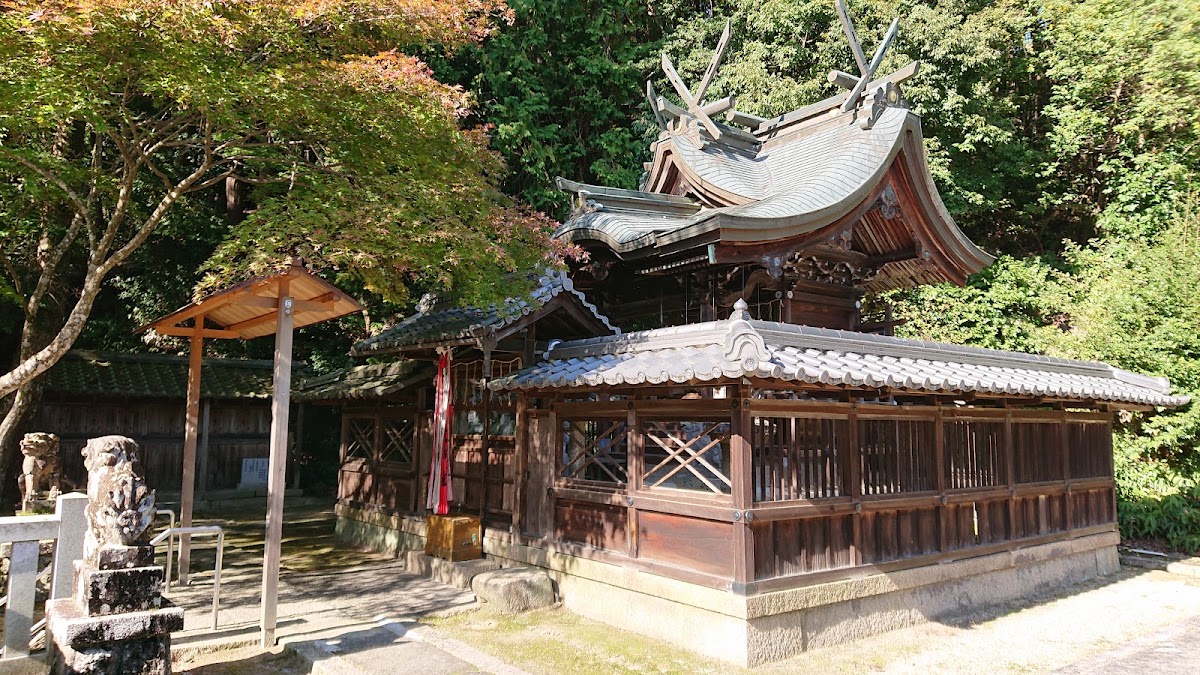
Sakaya Shrine is a community-based shrine, characterized by its calm atmosphere where visitors can worship in a peaceful environment. The shrine grounds are kept clean, and visitors can enjoy the changing seasons while worshipping.
About the Deities
The deities enshrined at Sakaya Shrine are gods known as the gods of sake brewing. In Japanese mythology, sake was considered sacred and played an important role in Shinto rituals.
Origin of the Main Deities
The gods of sake brewing are venerable deities who appear in the Nihon Shoki and Kojiki. Since ancient times, producing high-quality sake has been considered important as an offering to the gods, and the faith spread along with the development of sake brewing technology.
Sakaya Shrine is a place where people pray for the prosperity and safety of the brewing industry by enshrining these gods of sake brewing.
Benefits and Divine Virtues
The benefits that can be obtained by visiting Sakaya Shrine are numerous.
Main Benefits
Business Prosperity
You can pray for the prosperity of businesses, especially sake brewing. This shrine is particularly revered by those involved in the food and beverage and brewing industries.
Abundant Harvest
Prayers are offered for a bountiful harvest of agricultural products, including rice, which is essential for sake brewing. Many people involved in agriculture visit the shrine.
Family Safety
As the local guardian deity, the shrine protects the health and safety of families.
Protection from Misfortune and Good Fortune
It is believed to ward off misfortune and bring good luck.
Connection to Sake Brewing
Sake brewing is a delicate technique that utilizes the work of microorganisms. Since ancient times, sake brewing has been considered a sacred act, and brewers have purified themselves before beginning their work. Sakaya Shrine plays an important role as a place to pray for the success and safety of sake brewing.
History of Sakaya Shrine
The founding date of Sakaya Shrine is based on local traditions and records.
Origin of Founding
Kyoto has flourished as a capital city since ancient times, and many shrines and temples have been built. Sakaya Shrine is one of the shrines that has developed throughout this history, attracting the faith of local people.
Sake brewing is one of Kyoto’s important industries, and high-quality sake has been produced in areas such as Fushimi. Against this backdrop, it is believed that Sakaya Shrine, dedicated to the god of sake brewing, became deeply rooted in the community.
Historical Changes
Throughout history, Sakaya Shrine has been protected and maintained by the local people. The fact that faith has continued to this day, overcoming wars and disasters, is a testament to the strong ties of the local community.
Even in modern times, faith in Sakaya Shrine has continued alongside the development of the sake brewing industry, and many worshippers visit, especially during the new sake season and at the beginning of the year.
Highlights of the Shrine Grounds
There are several points of interest within the grounds of Sakaya Shrine that visitors should pay attention to.
Main Hall
The main hall, the heart of the shrine, preserves the traditional style of shrine architecture. Simple yet solemn, it quietly welcomes worshippers.
Subsidiary Shrines
In addition to the main hall, there are sometimes several smaller shrines enshrined within the grounds. These reflect the diverse beliefs of the region and cater to worshippers seeking various blessings.
Natural Environment
The shrine grounds are planted with plants that change with the seasons, offering different scenery each time of year. The beauty of nature, such as cherry blossoms in spring and autumn leaves in fall, is one of the shrine’s attractions.
Annual Events and Festivals
Sakaya Shrine holds various festivals throughout the year.
Annual Grand Festival
The annual grand festival, the most important festival for the shrine, is a ceremony to honor the enshrined deity and pray for peace and prosperity in the region. Local people gather, and traditional Shinto rituals are performed.
New Sake Prayer Festival
As befits a shrine dedicated to the god of sake brewing, a festival is sometimes held to pray for the success of the new sake brewing season. Those involved in sake brewing visit the shrine and pray for the production of high-quality sake.
New Year’s Visit
Many worshippers visit the shrine for their first shrine visit of the new year. The shrine is bustling with people praying for safety and prosperity throughout the year.
Access Information
For those planning a visit to Sakaya Shrine, here is detailed access information.
Access by Public Transportation
Kyoto City has an extensive public transportation network, allowing you to access the shrine by bus or train. Checking the walking route from the nearest station or bus stop in advance will ensure a smoother experience.
Using Trains
While it’s often possible to access the shrine on foot from the nearest station, the optimal route varies depending on the exact location of the shrine.
Using Buses
Multiple bus routes, including Kyoto City Buses and Kyoto Buses, cover the city. Check the nearest bus stop and walk from there.
Access by Car
If visiting by private car, enter the shrine name or address into your car’s navigation system to search for a route.
Parking
Depending on the size of the shrine, there may not be a dedicated parking lot. We recommend using nearby coin-operated parking lots or considering using public transportation.
Points to Note When Visiting a Shrine
- If the shrine is located in a residential area, please be considerate of noise.
- Please pray quietly within the shrine grounds and remember to be considerate of other visitors.
- Please take photographs only in areas where it is permitted.
About Goshuin (Shrine Seals)
Collecting Goshuin has become popular in recent years and is one of the joys of visiting shrines.
Issuance of Goshuin
Sakaya Shrine may also issue Goshuin, but smaller shrines may not always offer them. It is recommended to check in advance.
Manners When Receiving a Goshuin
- Please complete your prayers before receiving the Goshuin.
- Prepare a Goshuincho (stamp book) (notebooks or paper are inappropriate).
- Prepare the offering (money to offer).
- Please request using polite language.
- Please wait quietly while the Goshuin is being written.
Etiquette for Visiting a Shrine
There are basic etiquette rules for visiting a shrine. By praying with the correct etiquette, you can offer a more heartfelt prayer.
How to Pass Through the Torii Gate
The torii gate is the entrance to the sacred area. Before passing through the torii gate, bow once and walk while avoiding the center of the path (the path of the gods).
How to Purify Yourself at the Water Basin
- Take the ladle with your right hand and purify your left hand.
- Switch the ladle to your left hand and purify your right hand.
- Switch the ladle back to your right hand, receive water in your left hand, and rinse your mouth.
- Purify your left hand once more.
- Stand the ladle upright and pour water over the handle to purify it.
- Return the ladle to its original place.
How to Worship at the Main Hall
Two bows, two claps, one bow is the basic method.
- Gently place your offering in the offering box.
- If there is a bell, ring it.
- Bow deeply twice.
- Clap your hands twice at chest height.
- Offer your prayer with your hands clasped together.
- Finally, bow deeply once.
Nearby Tourist Attractions
When visiting Sakaya Shrine, you can enjoy a more fulfilling Kyoto sightseeing experience by also visiting nearby tourist attractions.
Kyoto’s Sake Brewing Facilities
Kyoto, especially the Fushimi area, has many sake breweries, some of which offer tours and tastings. Combining your visit to Sakaya Shrine with a trip to experience Japanese sake culture is highly recommended.
Nearby Shrines and Temples
Kyoto has countless shrines and temples. There’s a high probability that historical temples and shrines are scattered near Sakaya Shrine, so it’s a good idea to explore them while strolling around.
Kyoto’s Natural Spots
Depending on the season, visiting famous cherry blossom or autumn foliage spots is also recommended. Enjoy the beautiful nature of Kyoto and refresh your mind and body.
Sakaya Shrine and Japanese Sake Culture
To understand Sakaya Shrine, it’s important to know about Japanese sake culture.
History of Japanese Sake
Sake brewing is said to date back to the Yayoi period. Brewed alcohol, made from rice, has been treated as a sacred offering to the gods in Shinto rituals.
Sake Brewing and Shinto Rituals
The sake brewing process involves many Shinto rituals and ceremonies. Prayers are offered to the gods at each stage, from opening the brewery to starting the brewing process and pressing, hoping for the production of high-quality sake.
Sake Brewing in Kyoto
Kyoto is blessed with high-quality water, and the water from Fushimi, in particular, is known as “Fushimizu” and is soft water suitable for sake brewing. Sake brewed using this water is characterized by its mellow and easy-to-drink taste.
Visitor Voices and Reviews
Visitors to Sakaya Shrine have shared various impressions.
Quiet and Peaceful Atmosphere
Many visitors appreciate the quiet and peaceful atmosphere of Sakaya Shrine. It offers an environment where you can pray in peace, away from the hustle and bustle.
A Shrine Rooted in the Community
The well-maintained grounds reflect how much the shrine is cherished by the local community.
Faith of Those Involved in Sake Brewing
Those involved in the sake brewing industry hold deep faith in Sakaya Shrine as a special place to pray for success in sake production.
How to Enjoy Visiting Sakaya Shrine
Here are some suggestions to make your visit to Sakaya Shrine more fulfilling.
Visiting by Season
Kyoto, with its ever-changing seasonal scenery, offers different charms when visited multiple times throughout the year.
Spring
During cherry blossom season, you can enjoy beautiful cherry blossoms within and around the shrine grounds.
Summer
The fresh greenery is beautiful, and you can pray in the refreshing air.
Autumn
This is the season of beautiful autumn foliage. As Kyoto is ablaze with color, you can enjoy a peaceful visit.
Winter
The temple grounds, enveloped in silence during winter, exude an even more sacred atmosphere.
Combining with a Sake Brewery Tour
Combining a visit to Sakaya Shrine with a sake brewery tour allows for a deeper understanding of Japanese sake culture. Seeing the actual sake brewing process and then praying for success at the shrine will be a special experience.
As part of a Goshuin (Shrine Stamp) Pilgrimage
If you are visiting shrines in Kyoto, why not add Sakaya Shrine to your pilgrimage route? Learning about the unique history and characteristics of each shrine will deepen your understanding of Kyoto.
Frequently Asked Questions
Are there specific visiting hours?
While shrines are generally open 24 hours for worship, the shrine office has limited hours. If you wish to obtain a Goshuin or other offerings, it is recommended to visit during daytime hours.
Is there an entrance fee?
Visiting the shrine itself is free. Offering a monetary donation is optional, but it is customary to offer one as a token of gratitude.
Are there any dress code requirements?
There are no specific dress code requirements, but clean and modest attire is preferred, as it is a sacred place.
Is photography allowed?
Photography is generally permitted on the shrine grounds, but it may be prohibited inside the main hall or in certain areas. If unsure, please check before taking photos.
Can I bring my pet to the shrine?
Policies vary by shrine. Small dogs in carriers may be allowed, but it is recommended to check beforehand.
Summary
Sakaya Shrine is a shrine located in Kyoto Prefecture with deep ties to sake brewing. It enshrines the god of sake brewing and is believed to bring blessings for business prosperity, abundant harvests, and family safety.
As a shrine deeply rooted in the community, Sakaya Shrine has long attracted the faith of people and is a valuable place to worship in a quiet and peaceful atmosphere. This shrine is important for understanding Kyoto’s rich sake brewing culture, and is recommended not only for those involved in the sake brewing industry, but also for anyone interested in Japanese sake culture or who wants to learn more about Kyoto’s history and culture.
When you visit Kyoto, be sure to visit Sakaya Shrine and experience the connection between Japan’s traditional sake brewing culture and Shinto beliefs. By observing the correct worship etiquette and offering a heartfelt prayer, it will surely be a memorable experience.
In Kyoto, which showcases the beauty of each season, enjoy a wonderful time experiencing traditional Japanese culture through a visit to Sakaya Shrine.



