
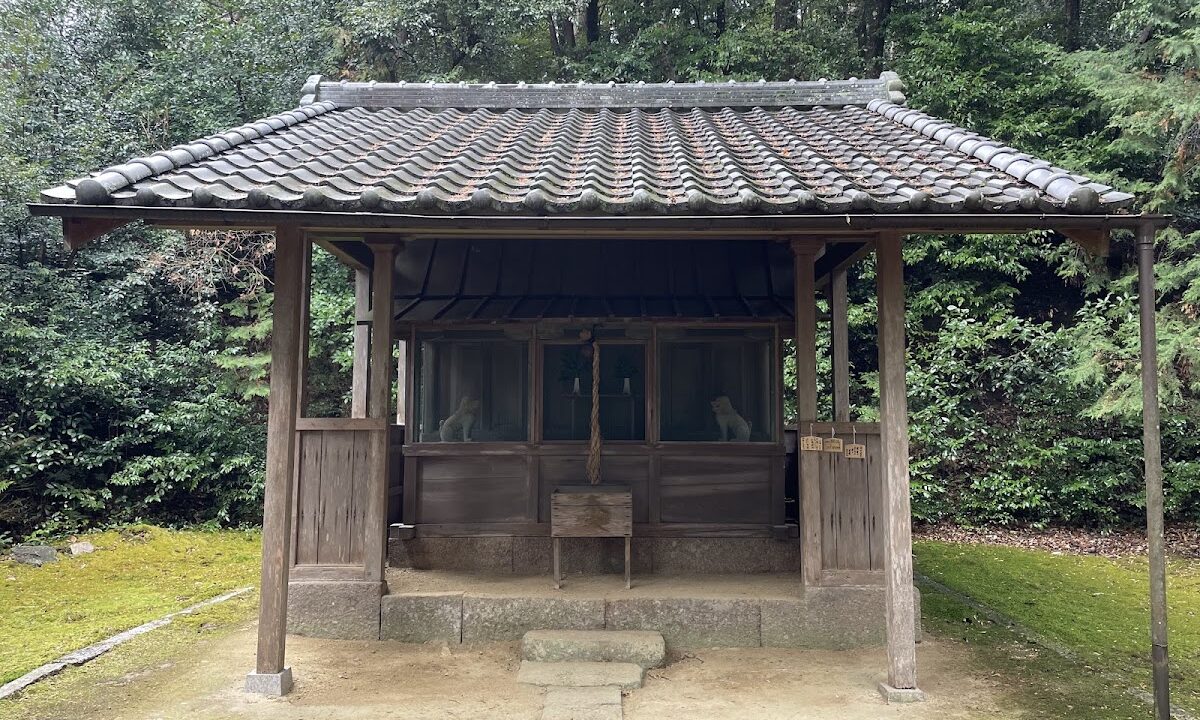
Complete Guide to Chigi Shrine (Kyotanabe City, Kyoto Prefecture) | History, Deities, and Access Information
Chigi Shrine, located in Fugenji, Kyotanabe City, Kyoto Prefecture, is a historically significant shrine listed in the Engishiki Jinmyocho (a list of shrines compiled during the Heian period). Situated within the grounds of Kannonji Temple, it is a historically significant shrine that has attracted the faith of the local community and holds an important position as a cultural asset of Kyotanabe City.
Basic Information on Chigi Shrine
Shrine Name: Chigi Shrine (Chigi Jinja/Kunitsukami Jinja)
Location: 65 Fugenji Shimodaimon, Kyotanabe City, Kyoto Prefecture
Former Province/District: Kamimura, Tsuzuki District, Yamashiro Province
Shrine Rank: Shikinaisha (Shrine listed in the Engishiki), Former Village Shrine
Annual Festival: October 18th (Some sources state October 8th depending on the year)
Deities Enshrined: Okuninushi-no-Mikoto, Oyamatsumi-no-Mikoto, Okinagatarashihime-no-Mikoto
Chigi Shrine is unique in that it is located within the grounds of Okinagayama Kannonji Temple, a temple of the Chizan sect of Shingon Buddhism. It can be considered a valuable example of the syncretism of Shinto and Buddhism.
History and Origins of Chigi Shrine
Listing in the Engishiki Jinmyocho (Register of Shrines in the Engi Era)
Chigi Shrine is a Shikinaisha (a shrine listed in the Engishiki Jinmyocho), completed in the 5th year of the Engi era (927 AD) during the Heian period. The Engishiki Jinmyocho lists it under the section for Tsuzuki District, Yamashiro Province, as “Fourteen Shrines: Three Major Shrines, Eleven Minor Shrines,” and Chigi Shrine is listed as one of them.
A Shikinaisha is a shrine listed in the Engishiki Jinmyocho, signifying a shrine of high status officially recognized by the imperial court. From this, it can be seen that Chigi Shrine was an established object of worship at least by the mid-Heian period.
Details of Founding and Changes
Unfortunately, there are no clear records regarding the founding date or detailed changes of Chigi Shrine. However, given its status as a Shikinaisha and the depth of faith in the region, it is believed to have been worshipped since a considerably ancient period.
According to tradition, the Chigi Shrine was once enshrined in the northeast of the Kannonji Temple grounds. While the exact time of its relocation to its current location is unknown, its deep connection with Kannonji Temple is presumed to be a long-standing one.
The Relationship Between Shinto-Buddhist Syncretism and Kannonji Temple
A major characteristic of the Chigi Shrine is its location within the grounds of Kannonji Temple, a Shingon-shu Chizan-ha temple. This strongly reflects the legacy of the Shinto-Buddhist syncretism era before the Meiji-era separation of Shinto and Buddhism.
Shinto-Buddhist syncretism is a form of belief that combined ancient Japanese Shinto with introduced Buddhism, and was common throughout Japan until the Edo period. While many shrines and temples were separated by the Meiji-era Shinto-Buddhist separation policy, the Chigi Shrine and Kannonji Temple still coexist on the same grounds, making them a valuable example of a historical form of belief.
About the Enshrined Deities
The Chigi Shrine enshrines three deities.
Ōkuninushi-no-Mikoto
Ōkuninushi-no-Mikoto is a representative deity of the Kunitsukami (earthly gods), also known as the principal deity of Izumo Taisha Shrine. He is widely worshipped as the god of nation-building, agriculture, and commerce, and is also famous as a god of matchmaking. As the principal deity of Chigi Shrine, he protects the prosperity of the region and the happiness of its people.
Ōyamatsumi-no-Mikoto
Ōyamatsumi-no-Mikoto is a deity known as the god of mountains and the sea. In Japanese mythology, he was born as the child of Izanagi and Izanami and has been revered as a nature god who governs mountains and seas. He is also worshipped as the guardian deity of agriculture, fishing, and navigation.
Okinagatarashihime-no-Mikoto
Okinagatarashihime-no-Mikoto refers to Empress Jingū. She is known as the empress of the 14th Emperor Chūai and the mother of Emperor Ōjin. Famous for the legend of the conquest of the Three Kingdoms of Korea, she has been revered as a woman of exceptional bravery and wisdom. She is also worshipped as a goddess of safe childbirth and child-rearing.
These three deities are all known as “Kunitsukami,” gods deeply rooted in the land of Japan since ancient times. The shrine’s name, “Chigi,” also means “Kunitsukami,” indicating a close connection between the enshrined deities and the shrine’s name.
Grounds and Shrine Buildings of Chigi Shrine
The grounds of Chigi Shrine are located within the grounds of Kannonji Temple. Although small in scale, it is a space that exudes an atmosphere of being carefully preserved by the local people.
Features of the Shrine Buildings
The current shrine buildings are relatively new, but they maintain the style of traditional shrine architecture. The main hall, though simple, is meticulously maintained and functions as the center of local faith.
The grounds are enveloped in a tranquil atmosphere, and visitors to Kannonji Temple can also pay their respects. The unique space where Shinto shrines and Buddhist temples coexist is a valuable place to experience the diversity of Japanese religious culture.
Annual Festival and Events
At Chigi Shrine, the annual festival is held every October. There are conflicting records regarding the date of the festival, with some stating October 18th and others October 8th; it may vary depending on the year and time of year.
Festivals and Events in 2026
The annual festival in 2026 is scheduled for October 18th (Sunday). During the festival, local parishioners and devotees gather for a solemn Shinto ritual. It is an important event for preserving local traditions and passing them on to future generations.
During the festival, Shinto priests recite prayers and offer sacred branches, praying for a bountiful harvest and peace in the community. While not large in scale, it is a warm and deeply rooted community festival.
Nearby Attractions and Tourist Information
Ikinagayama Kannonji Temple
Kannonji Temple, where the Chigi Shrine is located, is a Shingon sect Chizan school temple. Its principal image is the Eleven-Faced Kannon Bodhisattva, and it is an ancient temple that has attracted the faith of the local community. When visiting Kannonji Temple, we highly recommend also visiting the Chigi Shrine.
Other Shrines and Temples in Kyotanabe City
Besides the Chigi Shrine, Kyotanabe City has many other shrines and temples.
Sakaya Shrine: Located about a 16-minute walk (1.3 km) from the Chigi Shrine, it is possible to visit both together.
Ikkyu-ji Temple (Shuon-an): A Rinzai sect temple associated with Zen Master Ikkyu, and a representative tourist spot in Kyotanabe City.
Tsukuyomi Shrine: A Shikinaisha (shrine listed in the Engishiki) and an ancient shrine dedicated to Tsukuyomi-no-Mikoto.
By visiting these temples and shrines, you can experience the rich history and culture of Kyotanabe City. ## Access Information
This section provides information on how to access Chigi Shrine.
Nearest Station and Line
JR Gakken Toshi Line (Katacho Line)
- JR Miyamaki Station is the nearest station.
- From the station, you can walk, take a bus, or take a taxi.
Kintetsu Kyoto Line
- Kintetsu Shin-Tanabe Station is also accessible.
- From the station, you can travel by bus or taxi.
Nearest Bus Stop and Line
If using Kyotanabe City’s community bus or regular bus, take a bus bound for “Fugenji” and get off at the nearest bus stop. Since bus services are limited, it is recommended to check the timetable in advance.
Access by Car
If using the Keinawa Expressway, exit at Tanabe-Nishi IC or Tanabe-Kita IC and travel via local roads for approximately 10-15 minutes.
Kannonji Temple may have parking spaces for visitors, but it is recommended to check in advance.
Address and Navigation Settings
65 Shimodaimon, Fugenji, Kyotanabe City, Kyoto Prefecture 610-0322
For car navigation systems and smartphone map apps, entering “Kannonji (Kyotanabe City)” or the above address will provide accurate directions.
Manners and Precautions for Visiting
Proper Worship Etiquette
When visiting Chigi Shrine, please follow the general etiquette for visiting a shrine.
- Bow before passing through the torii gate.
- Cleanse your hands and mouth at the water basin (if available).
- Offer your donation in front of the main hall.
- Worship using the two bows, two claps, and one bow method.
- When leaving the shrine grounds, turn around and bow after passing through the torii gate.
Photography
Photography is permitted on the shrine grounds, provided it does not disturb other visitors. However, please remember that this is a sacred place and behave respectfully.
Consideration for Relationship with Kannonji Temple
Since Chigi Shrine is located within the grounds of Kannonji Temple, temple events and ceremonies may be taking place. Please observe quietly and be considerate so as not to disturb them.
The Charms of Kyotanabe City
Kyotanabe City is known as a tourist destination where you can spend a relaxing and leisurely time, based on the concept of “a town where you can take a break.”
History and Culture
Kyotanabe City, which flourished as a transportation hub since ancient times, has many historical sites and cultural assets. From Shikinaisha shrines like Chigi Shrine to famous temples such as Ikkyu-ji Temple and ancient burial mounds, there are many attractive spots for history buffs.
Natural Environment
Blessed with abundant nature, including the Kizu River and Mount Kannabi, Kyotanabe City offers easy access from urban areas while allowing visitors to enjoy tranquil rural landscapes and mountain scenery.
Easy Access
Located in a prime location approximately 30 minutes from Kyoto city center and 40 minutes from Osaka city center, it’s ideal for day trips. It’s easily accessible by public transport, with the JR Gakken Toshi Line and Kintetsu Kyoto Line running through it.
Significance of Visiting Chigi Shrine
Although not large in scale, Chigi Shrine is a historical shrine that has attracted the faith of local people for over a thousand years.
Value as a Shikinaisha (Shrine Listed in the Engishiki)
As a Shikinaisha (shrine listed in the Engishiki Jinmyocho), it is a valuable presence that conveys the history of ancient faith. Unlike large-scale tourist shrines, you can experience the origins of Japanese religious culture in a simple and tranquil atmosphere.
Experiencing the History of Shinto-Buddhist Syncretism
Its location within the grounds of Kannonji Temple is a valuable example of the religious practices of the Shinto-Buddhist syncretism era. The continued coexistence of shrines and temples even after the separation of Shinto and Buddhism in the Meiji period demonstrates the flexibility and tolerance of Japanese religious culture.
A Faith Rooted in the Community
The Chigi Shrine, cherished by the people of the Fugenji district as the local guardian deity, possesses a simple yet warm atmosphere that sets it apart from touristy shrines, offering a glimpse into the true essence of a Shinto shrine.
Summary
The Chigi Shrine (Kyotanabe City, Kyoto Prefecture) is a venerable shrine with over a thousand years of history, listed in the Engishiki Jinmyocho (a list of shrines compiled in the Heian period). It enshrines three deities: Okuninushi-no-Mikoto, Oyamatsumi-no-Mikoto, and Okinagatarashihime-no-Mikoto, and has the unique characteristic of being situated within the grounds of Kannonji Temple.
Although small in scale, the Chigi Shrine has been carefully preserved as the center of local faith. When visiting Kyotanabe City, be sure to pay a visit. In its tranquil grounds, you can experience traditional Japanese religious culture and enjoy a precious moment of respite.
By visiting a local shrine—a place different from Kyoto’s famous tourist spots, with its simple and warm atmosphere—you can truly experience the diversity and depth of Japan’s religious culture. Enjoy a peaceful moment of worship at the historic Chigi Shrine, a shrine listed in the Engishiki (ancient Japanese legal code).



