Complete Guide to Shiwaka Shrine (Nantan City, Kyoto Prefecture): History and Visiting Information
Shiwaka Shrine, located in Shiwaka, Hiyoshi-cho, Nantan City, Kyoto Prefecture, is a historic shrine listed in the Engishiki Jinmyocho (a list of shrines compiled in the Heian period), and has long been revered in this region. This article provides a detailed overview of Shiwaka Shrine, including its history, enshrined deities, highlights within the grounds, and information for visiting.
Basic Information on Shiwaka Shrine
Shiwaka Shrine is located at 50 Miyanooka, Shiwaka, Hiyoshi-cho, Nantan City, Kyoto Prefecture. It is also known locally as “Shiwaka Shrine,” and this name is sometimes used on maps. Its former shrine rank was Village Shrine, and it holds a historically significant position as a Shikinaisha (shrine listed in the Engishiki Jinmyocho) in Funai District, Tanba Province.
Location and Shrine Rank
- Location: 50 Miyanooka, Shiwaga, Hiyoshi-cho, Nantan City, Kyoto Prefecture
- Former Shrine Rank: Former Village Shrine
- Shikinaisha (Shrine listed in the Engishiki): Shiwaga Shrine, Funai District, Tanba Province
- Postal Code: 629-0302
History and Origins of Shiwaga Shrine
Founding Legend
The exact founding date of Shiwaga Shrine is unknown, but according to shrine tradition, it was founded in the second year of Keiun (705 AD). This period corresponds to the early Nara period, a time when the Japanese shrine system was being established. The founding year of the second year of Keiun is the same as that of Taji Shrine, also located in Hiyoshi-cho, Nantan City, indicating the spread of ancient faith in this region.
Status as a Shikinaisha Shrine
The Engishiki Jinmyocho (completed in 927), a list of shrines compiled during the mid-Heian period, lists “Shiwaka Shrine” as a Shikinaisha shrine in Funai District, Tanba Province. A Shikinaisha is a high-ranking shrine officially recognized by the imperial court, indicating its recognition as an important place of worship even at that time.
Although Shiwaka Shrine is classified as a minor shrine among Shikinaisha, it has a long and continuous history as a center of local faith, spanning from ancient times to the present.
Changes Since the Meiji Era
Due to the Meiji-era reforms to the shrine system, Shiwaka Shrine was elevated to the rank of a village shrine. While many small shrines were consolidated during this period, Shiwaka Shrine remained an independent shrine, continuing to attract the faith of the local people. Even after the Meiji era, it continues to serve as the local tutelary deity and a spiritual pillar of the community.
Deity and Worship
Tsukuyomi-no-Mikoto
The deity enshrined at Shiwaka Shrine is Tsukuyomi-no-Mikoto. Tsukuyomi-no-Mikoto is a moon god in Japanese mythology, known as one of the Three Noble Children along with Amaterasu-Omikami and Susanoo-no-Mikoto. He is said to have been born during Izanagi-no-Mikoto’s purification ritual upon returning from the underworld, and is revered as the god who rules the night world.
Significance of Moon God Worship
Shrines dedicated to Tsukuyomi-no-Mikoto are relatively rare throughout Japan, and Shiwaka Shrine is one of the precious examples. In agricultural societies, the phases of the moon played an important role as a calendar, especially in rice cultivation, serving as an indicator for determining the timing of planting and harvesting. The moon god worship at Shiwaka Shrine is thought to have been a form of faith deeply intertwined with agriculture in this region.
Highlights of the Shrine Grounds
Approach and Torii Gate
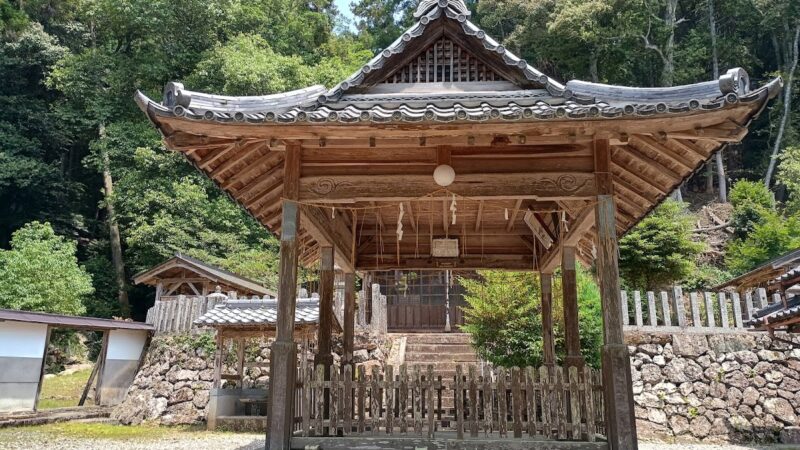
The approach to Shiwaka Shrine begins from the village of Shiwaka in Hiyoshi-cho. A torii gate stands at the entrance to the shrine grounds, leading into the sacred area. The approach is enveloped in a quiet atmosphere, allowing visitors to feel the solemnity characteristic of an ancient shrine.
Worship Hall and Main Shrine
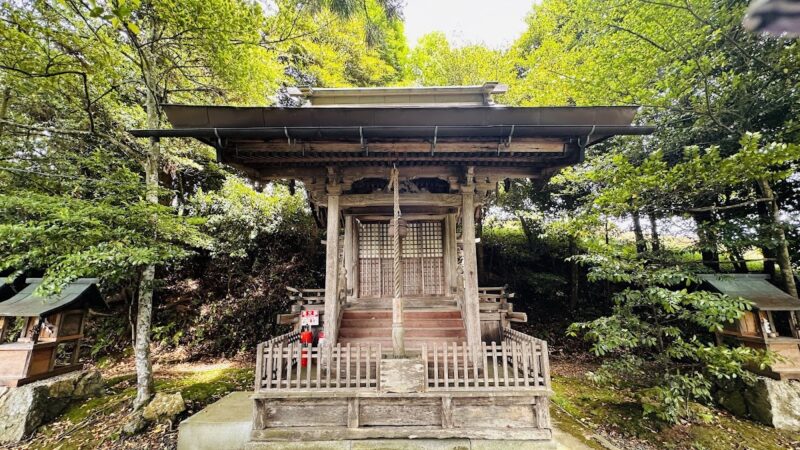
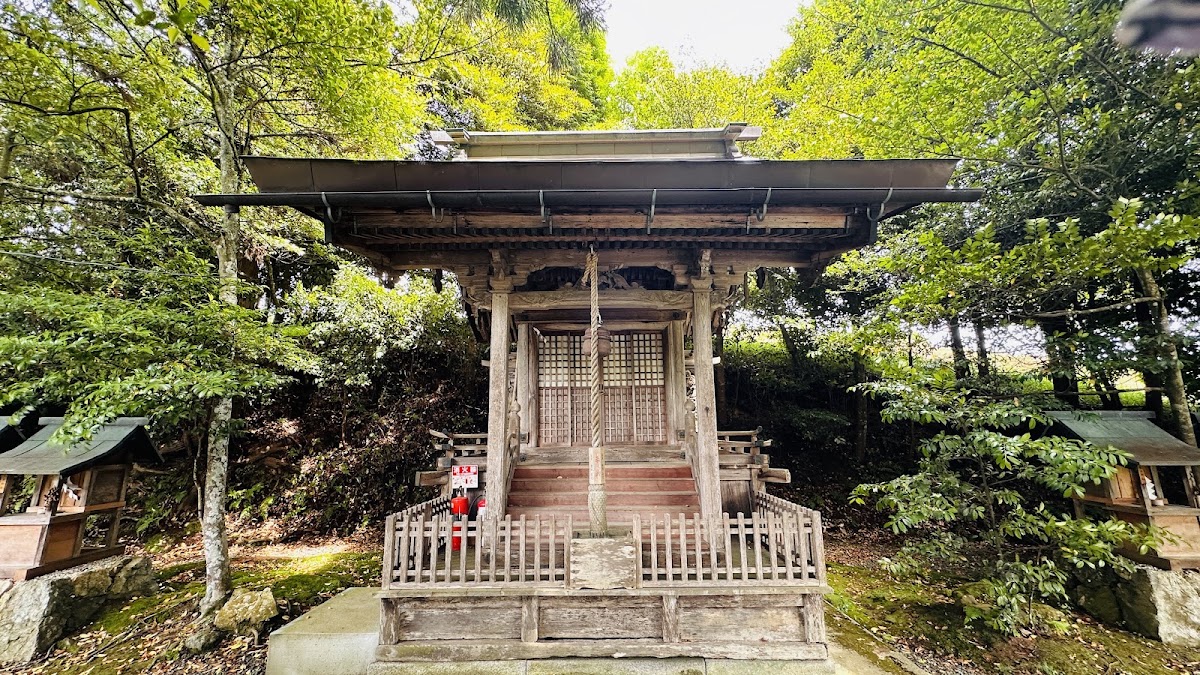
Within the shrine grounds is the worship hall, and behind it sits the main shrine. The main shrine is protected by a protective structure, preserving the characteristics of shrine architecture in the Tanba region. The grounds are moderately maintained while retaining a natural atmosphere, providing visitors with a peaceful environment.
Atmosphere of the Shrine Grounds
The grounds of Shiwaka Shrine are situated in a tranquil environment surrounded by forests. With relatively few visitors, it maintains an environment where one can worship at their own pace. A sacred atmosphere characteristic of ancient shrines permeates the air, creating a space where one can calmly offer prayers.
Access and Visiting Information
Access by Public Transportation
When visiting Shiwaka Shrine by public transportation, the nearest station is Hiyoshi Station on the JR San’in Main Line. Shiwaka Shrine is approximately 4 kilometers west of Hiyoshi Station.
- Nearest Station: JR San’in Main Line, Hiyoshi Station
- Distance from Station: Approximately 4km west
- Travel Time: Approximately 50 minutes on foot, approximately 10 minutes by car
From Hiyoshi Station, it is convenient to take a taxi or rent a car. While Nantan City buses operate, the number of services is limited, so it is recommended to check the timetable in advance.
Access by Car
If traveling by car, you can access the shrine via National Route 9 and National Route 477 from the Sonobe Interchange or Chiyogawa Interchange on the Kyoto Jukan Expressway. The Shiwaga area of Hiyoshi-cho is located slightly off the national highway; follow the signs.
Parking
There is parking space for visitors around the shrine grounds, but it is not large. It may get crowded, especially during festivals, so it is recommended to visit with plenty of time to spare.
Notes on Visiting
Shiwaga Shrine is always open and can be visited at any time. However, please note that the shrine office may not always be staffed, so it is recommended to check in advance if you wish to obtain a Goshuin (shrine stamp) or amulet. Also, the shrine grounds are maintained by local residents, so please observe proper etiquette and worship quietly.
Nearby Shikinaisha Shrines and Shrine Pilgrimages
Shrines of Hiyoshi-cho
In addition to Shiwaka Shrine, many other historical shrines are located in Hiyoshi-cho, Nantan City. Taji Shrine, also known as a Shikinaisha, is located in Tahara, Hiyoshi-cho, and its main hall, built in 1755 (Horeki 5), boasts one of the largest scales in the Tanba region. Furthermore, there are numerous locally rooted shrines such as Hiyoshi Shrine and Amawakamiya Shrine.
The Legend of Yokoo Pass and Sister Shrines
There is a legend that Shiwaka Shrine has a sister shrine located across Yokoo Pass. Such regional shrine networks are interesting subjects of research as they demonstrate the spread of religious spheres in ancient times.
A Guide to Visiting Shrines
When visiting Hiyoshi-cho, visiting not only Shiwaka Shrine but also the surrounding shrines will allow you to gain a deeper understanding of the history of faith in this region. Each shrine has its own unique history and characteristics, allowing you to experience the richness of the shrine culture in the Tanba region.
Annual Events at Shiwaka Shrine
Annual Festivals and Local Festivals
Shiwaka Shrine holds various festivals throughout the year. The autumn annual festival, in particular, is an important local event, bringing together parishioners and local residents for traditional ceremonies. These festivals serve as important opportunities to strengthen the bonds of the local community.
Monthly Festivals and Daily Faith
In addition to the annual festival, regular rituals such as monthly festivals are held, maintaining the connection between the shrine and the community. These daily religious activities have supported the shrine’s history of over 1300 years.
Cultural Value of Shiwaka Shrine
Historical Importance as a Shikinaisha Shrine
Shiwaka Shrine holds a significant position in the history of Japanese shrines as a Shikinaisha shrine listed in the Engishiki Jinmyocho (a list of shrines compiled in the Heian period). Its long history, spanning from the Heian period to the present day, is valuable evidence of the continuity of faith in this region.
Preservation of Regional Culture
Shrines are not merely religious institutions, but also important places that convey the history and culture of a region. Shiwaka Shrine, as a presence that conveys the history and culture of the Shiwaka district of Hiyoshi Town, is at the core of the region’s identity.
Research Material on Moon God Worship
Shrines dedicated to Tsukuyomi-no-Mikoto are limited nationwide, making Shiwaka Shrine a valuable case study for the study of moon god worship. It is a shrine that attracts academic attention as a clue to understanding the reality of moon worship in ancient Japan.
Manners and Etiquette for Visiting Shrines
Basic Visiting Etiquette
When visiting Shiwaka Shrine, please follow the general etiquette for visiting shrines. Before passing through the torii gate, bow once, and walk along the approach to the shrine, avoiding the center. If there is a purification fountain, cleanse your hands and mouth, and before the main hall, pray using the “two bows, two claps, one bow” ritual.
Regarding Photography
Photography is generally permitted on the shrine grounds, but please refrain from taking pictures in sacred areas such as inside the main hall. Also, please be considerate of other worshippers.
Quiet Worship
Shiwaka Shrine is a shrine located in a quiet environment. Please avoid loud conversations and noisy behavior, and strive to respect the sacred atmosphere of the shrine during your visit.
The Charms of Hiyoshi-cho, Nantan City
A Rich Natural Environment
Hiyoshi-cho, Nantan City, is located in the central part of Kyoto Prefecture and is blessed with abundant nature. The environment surrounded by forests is ideal for spending quiet time away from the hustle and bustle of the city.
A Treasure Trove of History and Culture
Hiyoshi-cho is home to many historical shrines and temples, including Shiwaka Shrine. This area offers a glimpse into the history of faith that has continued since ancient times, and the lives of the people who have supported it.
Convenient Access
Located on the JR San’in Main Line, it’s relatively easy to access from Kyoto City. Day trips are possible, allowing you to enjoy visiting shrines and nature walks.
How to Enjoy Visiting Shiwaka Shrine
Seasonal Expressions
The grounds of Shiwaka Shrine display different expressions in each of the four seasons. From the fresh greenery of spring, the deep green of summer, the autumn foliage, to the tranquility of winter, visiting in each season will allow you to discover the shrine’s different charms.
A Base for Historical Exploration
Starting from Shiwaka Shrine, a historical exploration visiting other shrines and historical sites in Hiyoshi-cho is highly recommended. Visiting shrines, especially those listed in the Engishiki (ancient Japanese legal code), offers a valuable opportunity to experience the world of ancient Tanba faith.
Seeking Peace of Mind
Spending time in the quiet grounds allows you to forget the hustle and bustle of everyday life and find a precious moment of peace. At Shiwaka Shrine, dedicated to the moon god, you may find inner peace by offering quiet prayers.
Summary
Shiwaka Shrine, located in Shiwaka, Hiyoshi-cho, Nantan City, Kyoto Prefecture, is an ancient shrine listed in the Engishiki (ancient Japanese legal code), said to have been founded in 705 AD. It enshrines Tsukuyomi-no-Mikoto and has been a center of local faith for over 1300 years. While rooted in the community as a former village shrine, it also holds the prestigious status of being listed in the Engishiki Jinmyocho (a list of shrines compiled in the Heian period), making it a historically and culturally valuable shrine.
Located about 4 kilometers west of Hiyoshi Station, nestled in a quiet mountain village, Shiwaka Shrine allows visitors to feel the breath of ancient faith. The tranquil atmosphere of the shrine grounds, the protective structure overlooking the main hall, and the surrounding natural environment harmonize to create a space that offers peace of mind to worshippers.
When visiting Hiyoshi-cho, Nantan City, be sure to visit Shiwaka Shrine and experience the history of this Engishiki shrine and the world of moon god worship. By visiting other nearby shrines such as Taji Shrine and Hiyoshi Shrine, you can gain a deeper understanding of the rich shrine culture of the Tanba region. The time spent in the tranquil grounds will surely be a memorable and valuable experience.