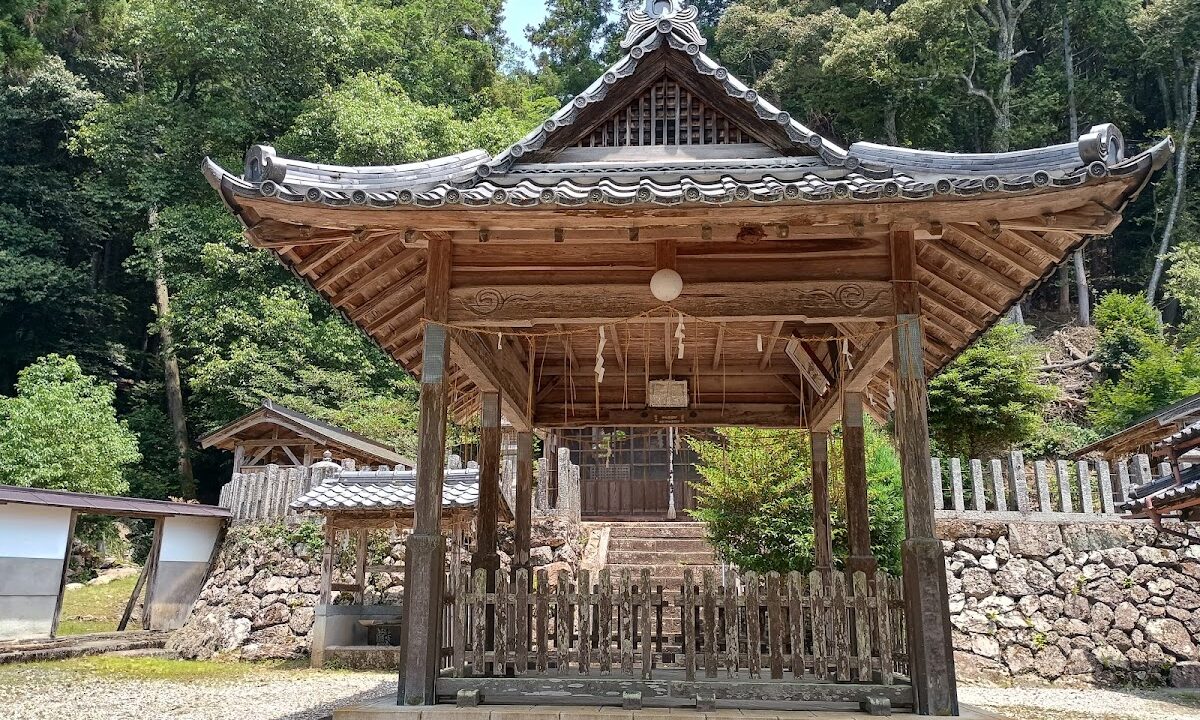
Complete Guide to Tsuzukowake Shrine (Nantan City, Kyoto Prefecture) | History, Deities, and the Charm of the Fire-Walking Ritual
Tsuzukowake Shrine is a shrine with a long history, located in Kumazaki, Sonobe-cho, Nantan City, Kyoto Prefecture. It is known for its annual large-scale Goma-taki (fire ritual) and fire-walking ritual, the only one of its kind in the Kuchi-Tanba region, held in early March each year, and is a center of local faith. This article provides a detailed introduction to Tsuzukowake Shrine, including its history, deities, annual events, access methods, and nearby tourist attractions.
Basic Information on Tsuzukowake Shrine
Tsuzukowake Shrine is located in the Kumazaki district of Sonobe-cho, Nantan City, Kyoto Prefecture, and is affectionately known as “Tsuzuko-san” by the local people.
Location and Access
Location: 74 Kumazaki Nigaki, Sonobe-cho, Nantan City, Kyoto Prefecture
Transportation Access:
- Access by Car: Approximately 5 minutes from Sonobe IC on the Kyoto Jukan Expressway
- Public Transportation: Approximately 10 minutes by taxi from Sonobe Station on the JR Sagano Line
- Parking: Parking available for visitors on the temple grounds
With the opening of the Kyoto Jukan Expressway, access from Kyoto city center has improved to approximately 40 minutes by car. It is also close to the center of Nantan City, and the number of visitors coming as part of a tour of surrounding shrines and temples is increasing.
Basic Data
- Shrine Name: Tsuzukowake Shrine
- Former Shrine Rank: Village Shrine
- Founding: 46th year of Emperor Keiko’s reign (tradition)
- Annual Festival Day: Second Sunday of October
- Main Annual Events: Grand Goma Fire Ritual and Fire Walking Ceremony (early March)
- Visiting Hours: Grounds are freely accessible
- Admission Fee: Free
History and Origins of Tsuzukowake Shrine
History from Ancient Times
Tsuzukowake Shrine is said to have been founded on September 10th, 46th year of Emperor Keiko’s reign (116 AD). This is approximately 1900 years ago, making it one of the oldest shrines in Kyoto Prefecture.
The reign of Emperor Keikō is known as the era in which Yamato Takeru no Mikoto was active, and during this time, numerous shrines were founded throughout the region. Tsutsukowake Shrine is also believed to be deeply connected to the regional development of this era.
Connections to the Region
The Kumazaki district of Sonobe-cho, Nantan City, has long belonged to Funai District of Tanba Province. Tsutsukowake Shrine has functioned as the tutelary deity of this region, a place where people prayed for agricultural prosperity, abundant harvests, and regional safety.
During the Edo period, it was under the control of the Sonobe Domain and flourished as a center of faith for the local people. Despite being affected by the Meiji-era shrine consolidation policy, it has been passed down to the present day thanks to the fervent faith of the local residents.
Origin of the Shrine Name
There are various theories regarding the origin of the shrine name “Tsutsukowake,” but it is believed to derive from an ancient place name or the name of a deity. There are theories that the name “Wake” is related to the ancient Wake clan, or that it derives from the meaning of “to divide” or “to separate.”
The existence of a shrine with the same name, “Tsutsukowake Shrine,” in Fukushima Prefecture suggests a connection to the spread of Shinto worship in ancient times and to the migration of clans.
Deity and Divine Virtues
Main Deity: Ame-no-Tajikarao-no-Mikoto
The deity enshrined at Tsutsukowake Shrine is Ame-no-Tajikarao-no-Mikoto.
Ame-no-Tajikarao-no-Mikoto is a god who plays an important role in Japanese mythology. He is known as the god who powerfully opened the door of the Amano-Iwato cave when Amaterasu-Omikami hid there, guiding her out. From this myth, Ame-no-Tajikarao-no-Mikoto is believed to possess the following divine virtues:
Divine Virtues
- Good Fortune and Prosperity: The power to open up new paths and possibilities
- Protection from Evil: The strong power to ward off misfortune
- Luck in Competition: The strength to overcome difficulties
- Improvement in Sports: Strength and skill improvement
- Family Safety: The power to protect the family
- Abundant Harvest: Prosperity in agriculture and abundant harvests
Ame-no-Tajikarao-no-Mikoto is worshipped as the “God of Strength,” and is especially revered by those engaged in physically demanding work, athletes, and those seeking to overcome difficult situations.
Highlights of Tsutsukowake Shrine
Atmosphere of the Shrine Grounds
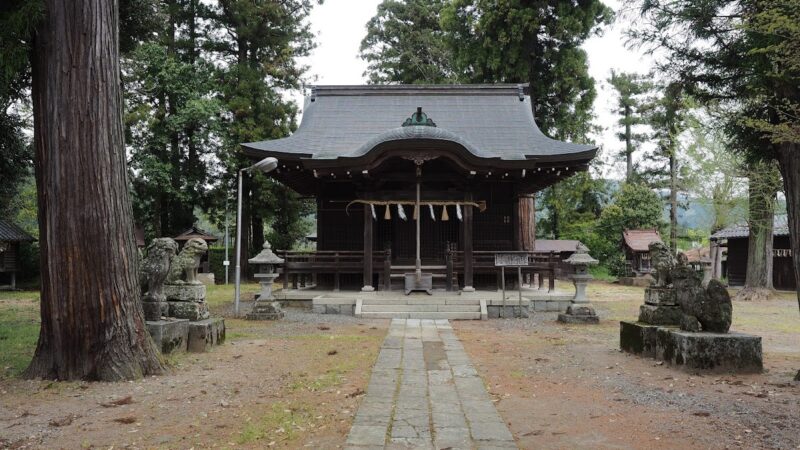
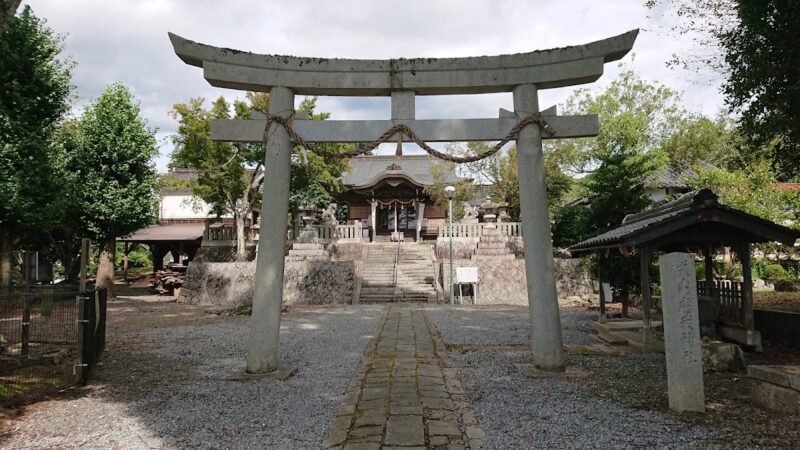
The grounds of Tsutsukowake Shrine are a tranquil space surrounded by the rich natural environment of Nantan City. Ancient trees stand tall, allowing visitors to experience the changing seasons.
As you proceed along the approach to the shrine, a historically significant shrine building comes into view. While not large in scale, it exudes a warm atmosphere, reflecting the care and preservation it has received from the local community.
Main Hall and Worship Hall
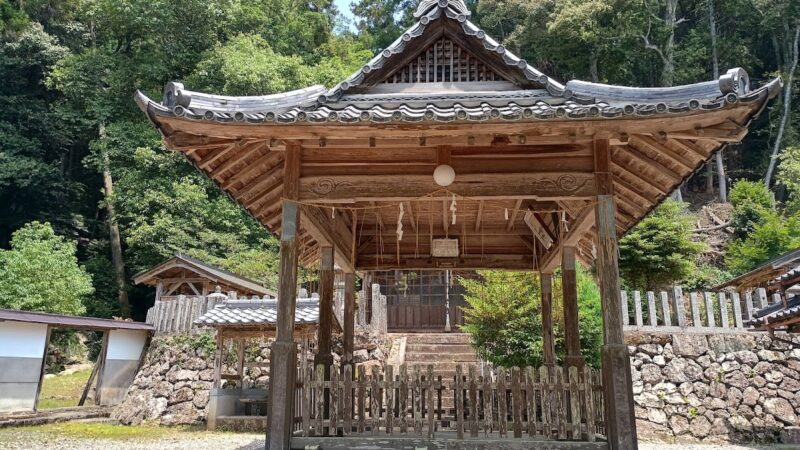
The main hall is built in the traditional style of shrine architecture and is meticulously maintained. In the worship hall, worshippers can quietly offer their prayers.
Around the shrine, stone lanterns and guardian lion-dogs donated by local residents are placed, telling the story of the long history of faith.
Subsidiary Shrines and Stone Monuments
Besides the main hall, small subsidiary shrines and monuments are scattered throughout the grounds. These are valuable historical materials that show the history of the region and the footsteps of the people who have been involved with the shrine.
Annual Events and Festivals
Grand Goma Fire Ritual and Fire Walking Ceremony (Early March)
The most important events at Tsutsukowake Shrine are the Grand Goma Fire Ritual and Fire Walking Ceremony, held annually in early March. This event is known as the only large-scale Goma-taki (fire ritual) in the Kuchi-Tanba region (including Nantan City and Kameoka City).
What is Goma-taki?
Goma-taki is a ritual of Esoteric Buddhism in which sacred wood is burned to dispel worldly desires and to fulfill wishes. The Goma-taki at Tsutsukowake Shrine is performed in accordance with the traditions of Shugendo (mountain asceticism).
Fire-Walking Ritual “Kasho-zanmai”
The fire-walking ritual performed after the large Goma-taki is called “Kasho-zanmai” and is the highlight of the event.
By walking barefoot across the burning firebed, participants pray for good health and safety for the year. This ritual is based on the belief that the purifying power of fire cleanses sins and impurities, and grants new strength.
Not only Shinto priests and ascetic monks, but also ordinary worshippers can participate in the fire-walking ceremony. Every year, many people summon their courage to walk across the burning platform. This experience is a valuable opportunity for purification of mind and body and for renewing one’s resolve.
Event Dates and Participation Method
- Event Dates: Early March every year (Please check with the shrine for specific dates)
- Time: From afternoon to evening
- Participation: Fire-walking is open to the public (registration on the day)
- Attire: Participants in fire-walking should wear clothing that allows them to go barefoot
- Precautions: For safety reasons, please follow the instructions of the Shinto priests.
During this event, many worshippers from both within and outside Nantan City visit, making the shrine grounds very lively.
Annual Festival (October)
The annual festival is held on the second Sunday of October. It is a Shinto ritual to express gratitude for a bountiful harvest and to pray for the safety of the community. Local parishioners gather, and traditional festival rites are performed.
Monthly and Daily Festivals
In addition to the monthly festival, various festivals are held throughout the year. Local residents visit the shrine daily, carefully preserving it.
Etiquette and Manners for Visiting the Shrine
Basic Etiquette for Visiting the Shrine
When visiting Tsutsukowake Shrine, please observe the following basic etiquette:
- Bow at the Torii Gate: Bow before passing through the torii gate.
- Water Purification Etiquette: Cleanse your hands and mouth at the water basin.
- Walking on the Path: Walk along the edge of the path, as the center is the path for the gods.
- Worship at the Main Hall: Bow twice, clap twice, and bow once.
- Bow Upon Exit: Turn around and bow before leaving the torii gate.
Photography
Photography is generally permitted on the shrine grounds, but please note the following:
- Please refrain from taking photos inside the main shrine or during religious ceremonies.
- Please be considerate of other worshippers.
- Please refrain from using tripods.
- Please be considerate when posting on social media.
Attire for Visiting the Shrine
While casual attire is acceptable, it is preferable to wear clothing that reflects the sacred nature of the place. If participating in the fire-walking ceremony, please prepare clothing that allows you to go barefoot.
Nearby Tourist Attractions
When visiting Tsutsukowake Shrine, we recommend also visiting other tourist attractions around Nantan City.
Make Shrine
Make Shrine, located in Takei, Sonobe-cho, Nantan City, is a Myojin Taisha (a major shrine listed in the Engishiki) and formerly a prefectural shrine. It is known as the god of food and agriculture, and enshrines Omiketsuhiko-no-Mikoto.
In 1079, Emperor Shirakawa visited the shrine and bestowed upon it the imperial plaque “Funai Daiichi Make Shrine,” making it a historically significant shrine. Located about 15 minutes by car from Tsutsukowake Shrine, it’s an ideal stop on a shrine-visiting route.
Sonobe Castle Ruins & Sonobe Park
These are the ruins of Sonobe Castle, now developed as Sonobe Park. Known for its cherry blossoms, it’s bustling with visitors in spring. Within walking distance of Sonobe Station, it’s perfect for a historical stroll.
Rurikei Onsen
This hot spring resort is located in the mountainous area of Sonobe-cho, Nantan City. Enjoy hot springs, glamping, and activities in a rich natural environment. It’s about 30 minutes by car from Tsutsukowake Shrine.
Miyama Kayabuki no Sato (Miyama Thatched Village)
This village in Miyama-cho, Nantan City, retains the original landscape of Japan. The landscape, with its rows of thatched-roof houses, has been designated an Important Preservation District for Groups of Traditional Buildings. It’s about 40 minutes by car from Tsutsukowake Shrine.
Hiyoshi Dam & Springs Hiyoshi
This is a multi-purpose dam located in Hiyoshi-cho, Nantan City. The area around the dam lake has been developed as a park. At the roadside station “Springs Hiyoshi,” you can enjoy local specialties and hot springs.
Other Shrines and Temples in Nantan City
Besides Tsutsukowake Shrine, Nantan City has many other shrines and temples.
Hiyoshi Shrine
There are several Hiyoshi Shrines in Nantan City, and they are centers of Sanno worship, attracting local devotion.
Hachiman Shrine
A shrine based on Hachiman worship, revered as a god of military success and protection against evil.
Inari Shrine
Inari shrines are enshrined in various regions as gods of business prosperity and abundant harvests.
Tenmangu Shrine
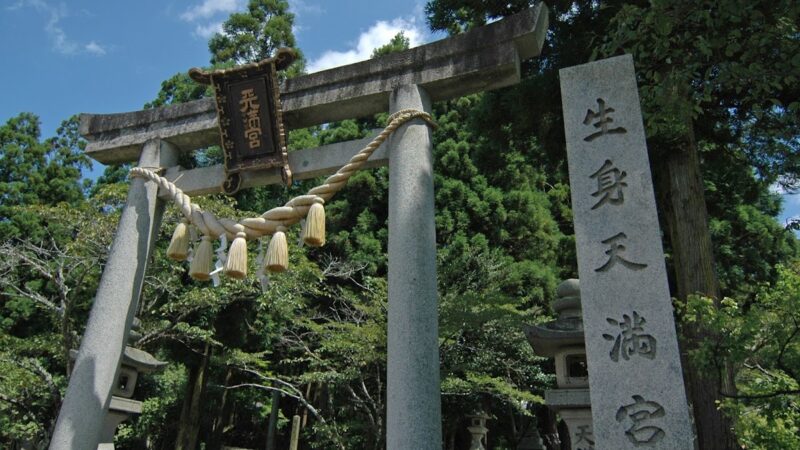
Tenmangu shrines, dedicated to Sugawara no Michizane, the god of learning, also attract many worshippers during exam season.
Kumano Shrine
This shrine is based on the Kumano faith and is believed to bring blessings of health, longevity, and family safety.
Visiting these shrines on the “Nantan City Shrine Pilgrimage” is a great opportunity to gain a deeper understanding of history and culture.
History and Culture of Sonobe Town, Nantan City
Tanba Province and Funai District
Sonobe Town in Nantan City belonged to Funai District of the ancient Tanba Province. Tanba Province was a vast region stretching from northern Kyoto to eastern Hyogo Prefecture, and had close ties with the capital city of Kyoto since ancient times.
Funai District was one of the central districts of Tanba Province, where many shrines and temples were founded and culture flourished. Tsutsukowake Shrine can also be understood within this historical context.
History of the Sonobe Domain
During the Edo period, it developed as a castle town of the Sonobe Domain, ruled by the Koide clan. Although the Sonobe Domain was a small domain with a 30,000 koku (unit of rice production) yield, it focused on culture and education, achieving unique development.
Even after the abolition of the feudal domains and establishment of prefectures during the Meiji era, Sonobe flourished as the center of Funai County and is now the central city of Nantan City.
Modern Nantan City
In 2006, Sonobe Town, Yagi Town, Hiyoshi Town, and Miyama Town merged to form Nantan City. Located almost in the center of Kyoto Prefecture, it is a transportation hub situated between Kyoto City and Fukuchiyama City.
With the full opening of the Kyoto Expressway, access from Kyoto City and Osaka has greatly improved, and it is attracting attention as a tourist destination.
Access and Surrounding Facilities Information
Detailed Access Information
Access by Car:
- Approximately 5 minutes from Sonobe IC on the Kyoto Jukan Expressway
- Approximately 40 minutes from Kyoto City
- Approximately 1 hour 30 minutes from Osaka City
- Set your car navigation system to: “74 Kumazaki Nigaki, Sonobe-cho, Nantan City, Kyoto Prefecture” or “Tsutsukowake Shrine”
Public Transportation:
- Approximately 10 minutes by taxi from Sonobe Station on the JR Sagano Line
- Rental bicycles are also available from Sonobe Station (approximately 30 minutes)
Notes:
- Snowfall is possible in winter, so studded tires are recommended.
- Early arrival is recommended on the day of the Great Goma Fire Ritual, as it is expected to be crowded.
Parking Information
There is parking space for visitors on the shrine grounds, but it is not a large parking lot. Temporary parking may be provided during events such as the Great Goma Fire Ritual.
Nearby Restaurants
In the center of Sonobe Town, you can find the following restaurants:
- Kyoto Cuisine Restaurant: Kyoto cuisine using local ingredients
- Soba Restaurant: Handmade soba noodles using buckwheat from Tanba
- Cafe: A stylish cafe renovated from an old farmhouse
- Roadside Station: Enjoy local specialties and meals at “Kyoto Shinkoetsu Village”
Accommodation
In and around Nantan City, you can find the following accommodations:
- Rurikei Onsen: Hot spring resort
- Miyama Town Inn: A traditional inn near Kayabuki no Sato (Thatched Village)
- Business Hotel near Sonobe Station: Convenient as a base for sightseeing
- Glamping Facility: Outdoor experience in nature
Recommended Time to Visit
Spring (March-May)
The large goma fire burning and fire walking ritual in early March is the main highlight. Furthermore, with the arrival of spring, the trees in the shrine grounds begin to bud, creating a beautiful season of fresh greenery.
Summer (June-August)
The lush green shrine grounds remain relatively cool even in summer, allowing for peaceful worship. This is the perfect season to enjoy the nature of Nantan City.
Autumn (September-November)
The annual festival is held in October. Also, during the autumn foliage season, the shrine grounds and surrounding mountains are ablaze with color, offering a beautiful landscape.
Winter (December-February)
The shrine grounds, enveloped in silence during winter, have a solemn atmosphere. A snow-covered shrine also possesses a unique charm. However, caution is needed when walking on snow.
Information on Goshuin (Shrine Seals) at Tsutsukowake Shrine
About Goshuin
Regarding the issuance of Goshuin at Tsutsukowake Shrine, it is recommended to inquire with the shrine in advance. Due to its small size, they may not always be able to accommodate requests.
Goshuincho (Shrine Stamp Book)
Collecting Goshuin (shrine stamps) from multiple shrines is one way to enjoy the “Nantan City Shrine Pilgrimage,” which involves visiting major shrines in Nantan City.
Connection with the Community and Faith
Parishioners and the Local Community
Tsutsukowake Shrine plays a central role in the local community as the tutelary shrine of the Kumazaki district and surrounding areas.
Annual festivals and cleaning activities are supported by the cooperation of local people, and the bonds of community through the shrine are still passed down today.
Inheritance of Tradition
Traditional events such as the large Goma fire ritual and the fire-walking ceremony are passed down to the next generation as valuable cultural assets of the region. Younger generations also participate in these events, providing opportunities to learn about tradition.
Summary: The Charm of Tsutsukowake Shrine
Tsutsukowake Shrine is a historical shrine located in Sonobe-cho, Nantan City, Kyoto Prefecture. This ancient shrine, said to have been founded in the 46th year of Emperor Keiko’s reign, enshrines Ame-no-Tajikarao-no-Mikoto as its main deity.
Its most distinctive feature is the “Kasho-zanmai” ritual, the only large-scale Goma fire-burning ceremony and fire-walking ritual of its kind in the Kuchi-Tanba region, held annually in early March. This magnificent ritual attracts many worshippers not only from the local area but also from far away.
With excellent access, just a 5-minute drive from the Sonobe Interchange on the Kyoto Expressway, the surrounding area boasts numerous attractive tourist spots, including Maki Shrine, Sonobe Castle Ruins, and Miyama Kayabuki no Sato (Miyama Thatched Village).
Experience the rich nature and history of Nantan City, and the tranquil worship at Tsutsukowake Shrine, where you can gain new strength through the purifying power of fire, is sure to leave a profound impression on visitors.
We highly recommend visiting Tsutsukowake Shrine as a new discovery in Kyoto sightseeing and as a place to experience traditional Japanese culture.