Complete Guide to Kute Shrine (Kyoto Prefecture) | History and Nature Woven from a Muromachi Period Important Cultural Property Main Hall and Giant Trees
Kute Shrine, located in Kyotamba-cho, Funai-gun, Kyoto Prefecture, is a historic shrine with a main hall designated as an Important Cultural Property of Japan, founded in the Heian period and rebuilt in the Muromachi period. Situated in a quiet environment along the national highway, this shrine is known as a representative historical spot of Kyotamba-cho, where elegant architectural style and giant trees within the grounds harmonize.
Overview and Basic Information of Kute Shrine
Kute Shrine is located at 125 Kute, Kyotamba-cho, Funai-gun, Kyoto Prefecture, and its former shrine rank was a village shrine. It enshrines Oyamakui-no-mikoto as its main deity, and enshrines a divided spirit invited from Matsuo Taisha Shrine in Yamashiro Province (present-day Kyoto City).
Location and Address
Address: 125 Kute, Kyotamba-cho, Funai-gun, Kyoto Prefecture
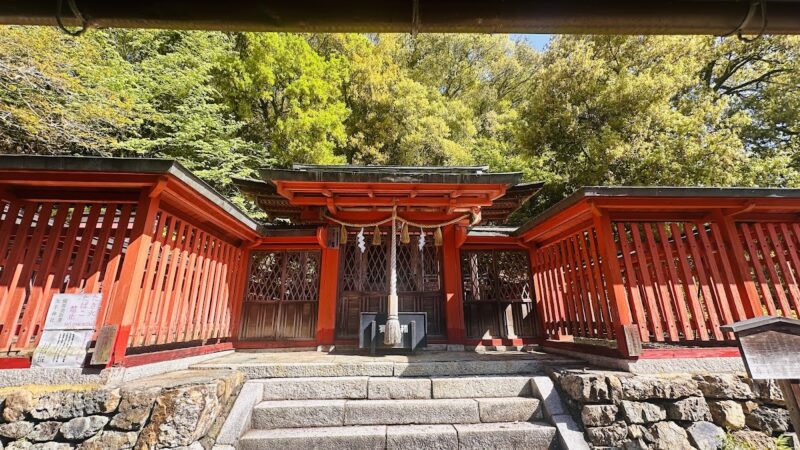
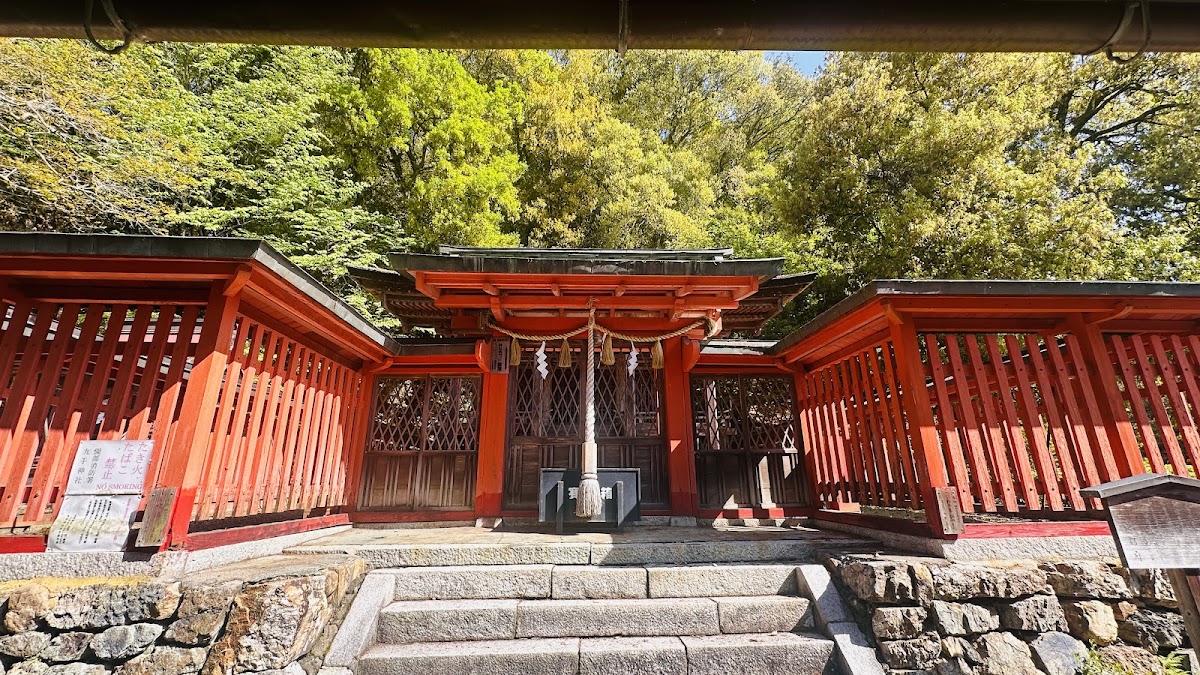
Kute Shrine is located in the Toyoda district of Kyotamba-cho and is relatively easy to find as it is along the national highway. The main hall, surrounded by a vermilion-painted fence, is visible from the road. The surrounding area is rich in nature and is included as part of the “Forest of Kyoto” concept, an area where you can feel the “forest” of Kyoto.
Access Method
Nearest Station and Line
If using public transportation to Kute Shrine, the nearest line is the JR Sanin Main Line. Since it is a distance from the nearest station, you will need to use a bus or taxi.
- JR Sanin Main Line, Wachi Station: Approximately 7km to the shrine
- JR Sanin Main Line, Sonobe Station: Approximately 15km to the shrine
Nearest Bus Stop and Line
Kyotamba Town buses operate and can be used as a local mode of transportation. However, the number of buses is limited, so it is recommended to check the timetable in advance. #### Access by Car
Access by car is the most convenient. It’s approximately 20 minutes from the Tanba Interchange on the Kyoto Jukan Expressway and about 15 minutes from the Kyotanba Wachi Interchange. There is parking available for visitors at the shrine.
History of Kute Shrine
Founding and Establishment History
The founding of Kute Shrine dates back to the Heian period. It is believed to have begun on September 31, 1029 (according to calendar records), when Fujiwara no Sadauji, the local administrator of Toyoda, constructed the shrine building. Fujiwara no Sadauji invited a divided spirit of Oyamakui-no-Mikoto from Matsuo Taisha Shrine in Kadono District, Yamashiro Province, and enshrined it here.
Matsuo Taisha Shrine is a powerful Kyoto shrine widely revered as the god of sake brewing and the god of mountains. It is thought that the divine power of Matsuo Taisha Shrine was invited to this location in the hope of developing the Tanba region and promoting agriculture.
Reconstruction during the Muromachi Period
Approximately 470 years after its founding, on March 3, 1498 (Meiō 7), the shrine buildings were reconstructed. The main hall, now designated a National Important Cultural Property, was built at this time. This main hall, which strongly retains the architectural style of the late Muromachi period, is highly regarded as an excellent example of shrine architecture from that era.
History since the Modern Period
Under the Meiji era’s shrine ranking system, it was classified as a village shrine and has functioned as a center of local faith. On April 30, 1921 (Taisho 10), the main hall was designated a National Important Cultural Property, officially recognizing its architectural and historical value.
Main Hall, a Nationally Designated Important Cultural Property
Architectural Style and Characteristics
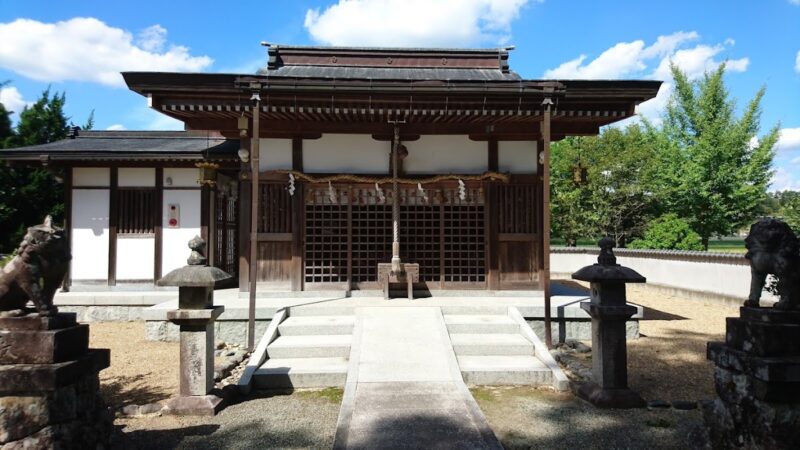
The main hall of Kute Shrine is built in the Sangensha Nagare-zukuri style. A “Sanma-sha” refers to a shrine building style with three bays between pillars on the front, while the “Nagare-zukuri” style features a long, extended roof that covers the front of the porch (kohai).
The roof is covered with hiwadabuki (cypress bark shingles), a traditional method using multiple layers of thinly peeled cypress bark. The elegant slope of this cypress bark roof is its most distinctive feature, conveying the architectural beauty of the Muromachi period.
Traces of Muromachi Period Architecture
The shrine retains much of its original form from its reconstruction in 1498 (Meio 7), making it a valuable relic for understanding the style of shrine architecture from the late Muromachi period. The intricate carvings, brackets, and the curvature of the eaves showcase the pinnacle of architectural technology of the era.
The main hall, surrounded by a vermilion-painted fence, harmonizes with the surrounding greenery while still exuding a powerful presence. Especially during the seasons of fresh greenery and autumn leaves, one can enjoy the beautiful contrast between nature and architecture.
Cultural Value
Type: Building
Main Period: Muromachi Period
Date of Designation as Important Cultural Property: April 30, 1921 (Taisho 10)
The main hall of Kute Shrine is an important example of well-preserved Muromachi period shrine architecture remaining in Kyoto Prefecture, and holds a significant position in architectural history research.
Highlights of the Shrine Grounds
Giant Japanese Oak Tree
Within the grounds of Kute Shrine stands a giant Japanese oak tree (Quercus glauca), estimated to be several hundred years old. This Japanese oak is a valuable large tree selected as one of “Kyoto’s 200 Natural Wonders” and serves as a symbol of the shrine.
The Japanese oak is an evergreen tree belonging to the beech family and is widely distributed in western Japan. However, individuals that have grown to such a size are rare, and it can be said to be a living witness that has watched over the shrine for many years. The trunk circumference reaches several meters, and its majestic appearance leaves a deep impression on visitors.
Atmosphere of the Shrine Grounds
Despite being located along a national highway, stepping onto the shrine grounds envelops you in tranquility. The quietly standing shrine, the giant tree, and the surrounding forest create a space that allows you to forget the hustle and bustle of the city, offering a place of healing.
The shrine grounds show different expressions with each season, offering various beauties depending on when you visit: fresh greenery in spring, deep green in summer, autumn leaves in fall, and snowscapes in winter.
Deities and Beliefs
About Oyamakui-no-Mikoto
Oyamakui-no-Mikoto, the principal deity of Kute Shrine, is a god who appears in the Kojiki and Nihon Shoki, and is revered as the god of mountains and water.
He is also the principal deity of Matsuo Taisha Shrine and is particularly known as the god of sake brewing, but has also been worshipped as the god of agriculture, water management, and pioneering. It is believed that this shrine was established to pray for the agricultural development of the Tanba region and the peace and prosperity of the community.
Local Beliefs
As a village shrine, Kute Shrine has been a place of worship for the local people, serving as a place to pray for a bountiful harvest, family safety, and peace in the region. Even today, it is carefully preserved by the local community, and Shinto rituals such as the annual festival are held.
Points to Note When Visiting Kute Shrine
Manners for Worship
When visiting a shrine, please observe the following basic manners:
- Bow before passing through the torii gate
- Cleanse your hands and mouth at the water basin
- Avoid walking in the center of the approach to the shrine
- Bow twice, clap twice, and bow once in front of the main hall
- Be quiet within the shrine grounds
Photography
Photography of the main hall and the shrine grounds, which are important cultural properties, is generally permitted. However, please remember that it is a sacred place and photograph with respect. The use of tripods and large group photography sessions should be avoided.
Estimated Visiting Time
The temple grounds are not very large, so you can easily see everything in 30 minutes to an hour, even if you take your time. We recommend taking the time to appreciate the architectural beauty of the main hall, admire the giant evergreen oak trees, and savor the tranquility of the grounds.
Recommended Time to Visit
While Kute Shrine offers beautiful scenery throughout the four seasons, the best times to visit are:
- Spring (April-May): A refreshing season with beautiful fresh greenery
- Autumn (November): Autumn leaves color the shrine grounds, creating a magnificent harmony with the main hall
- Early Summer (June): Enjoy a tranquil atmosphere amidst deep greenery
Nearby Tourist Attractions
Highlights of Kyotamba Town
When visiting Kute Shrine, we recommend also visiting other tourist attractions in Kyotamba Town:
- Shitsushi Limestone Cave Park: A limestone cave designated as a natural monument
- Michi-no-Eki Tamba Marques: A place to find local specialties
- Wachi Wildflower Forest: Enjoy seasonal wildflowers
Forest of Kyoto Area
Kute Shrine is located in the “Forest of Kyoto” area, a region where rich nature and historical culture are fused together. You can experience the charm of Kyoto in a tranquil and nature-rich area, different from the city center.
Summary of Cultural Property Information for Kute Shrine
Various Cultural Property Information
- Name: Kute Shrine Main Hall
- Designation Classification: Nationally Designated Important Cultural Property
- Type: Building
- Period: Muromachi period (Meio 7, 1498)
- Structure: Three-bay nagare-zukuri style, cypress bark roofing
- Date of Designation: April 30, Taisho 10 (1921)
- Owner: Kute Shrine
- Location: 125 Kute, Kyotamba-cho, Funai-gun, Kyoto Prefecture
Archaeological Site Data Included in Reports
In cultural property databases and archaeological site reports, Kute Shrine is recorded as follows:
- Location: Toyoda, Kyotamba-cho, Funai-gun, Kyoto Prefecture
- Type: Building
- Main Period: Muromachi period
- Date of Designation as Important Cultural Property: 19210430 (April 30, 1921)
This information is used as basic data for cultural property preservation and academic research.
The Charm and Value of Kute Shrine
Historical Value
With a history of nearly 1000 years since its founding in the Heian period, Kute Shrine, which preserves Muromachi period architecture to the present day, is a valuable presence that tells the story of the region’s history. Its history of being established through the enshrinement of a deity from Matsuo Taisha Shrine is also an interesting example demonstrating the connection between Kyoto and Tanba.
Architectural Value
The main hall, a nationally designated Important Cultural Property, occupies an important position in architectural history as an excellent example of late Muromachi period shrine architecture. The elegant curves of the three-bay nagare-zukuri style roof, the traditional cypress bark roofing technique, and the detailed design convey the pinnacle of architectural technology of the time.
Natural Value
The giant evergreen oak tree, selected as one of Kyoto’s 200 Natural Wonders, is a valuable natural heritage that has grown over several hundred years. The harmonious landscape of shrine architecture and ancient trees embodies the traditional Japanese view of nature and the spirit of nature worship in Shinto.
Cultural Value
Functioning as a center of local faith, Kute Shrine forms part of Kyotamba Town’s cultural identity. Its history as a village shrine deeply intertwined with the local community is a prime example of the role of shrines in Japanese local communities.
Message to Visitors
Unlike the famous shrines in Kyoto City, Kute Shrine is a quiet shrine rarely crowded with tourists. However, this allows visitors to slowly appreciate history, admire architectural beauty, and feel the breath of nature.
Despite its location along a national highway, stepping onto the shrine grounds evokes a sense of otherworldly tranquility and sacredness. The main hall, standing unchanged since the Muromachi period, the centuries-old evergreen oaks, and the scenery woven by nature throughout the seasons will deeply move visitors.
When visiting Kyotamba Town, a place where you can feel the “forest” of Kyoto, be sure to stop by Kute Shrine and spend some peaceful time in a space where history and nature harmonize. The elegant presence of the main hall, a nationally designated Important Cultural Property, and the sacred atmosphere of the grounds watched over by giant trees will surely be a memorable experience.
Summary
Kute Shrine (Kyotamba Town, Funai District, Kyoto Prefecture) is a historical shrine with a main hall that was founded in the Heian period and rebuilt in the Muromachi period, and is a nationally designated Important Cultural Property. It enshrines Oyamakui-no-Mikoto, who was invited from Matsuo Taisha Shrine, and has been a center of local faith.
The main hall, a three-bay nagare-zukuri style building with a cypress bark roof, conveys the architectural beauty of the Muromachi period, and the giant evergreen oak trees on the grounds are a valuable natural heritage site selected as one of Kyoto’s 200 Natural Wonders. Located in a quiet environment along the national highway, it is a representative cultural site of Kyotamba Town, possessing a unique charm where history, architecture, and nature harmonize.
Why not venture a little further from central Kyoto and visit a hidden gem in the “Forest of Kyoto” area? Kute Shrine is a precious place known only to those in the know, where you can quietly experience the beauty of traditional Japanese shrine architecture and nature worship.