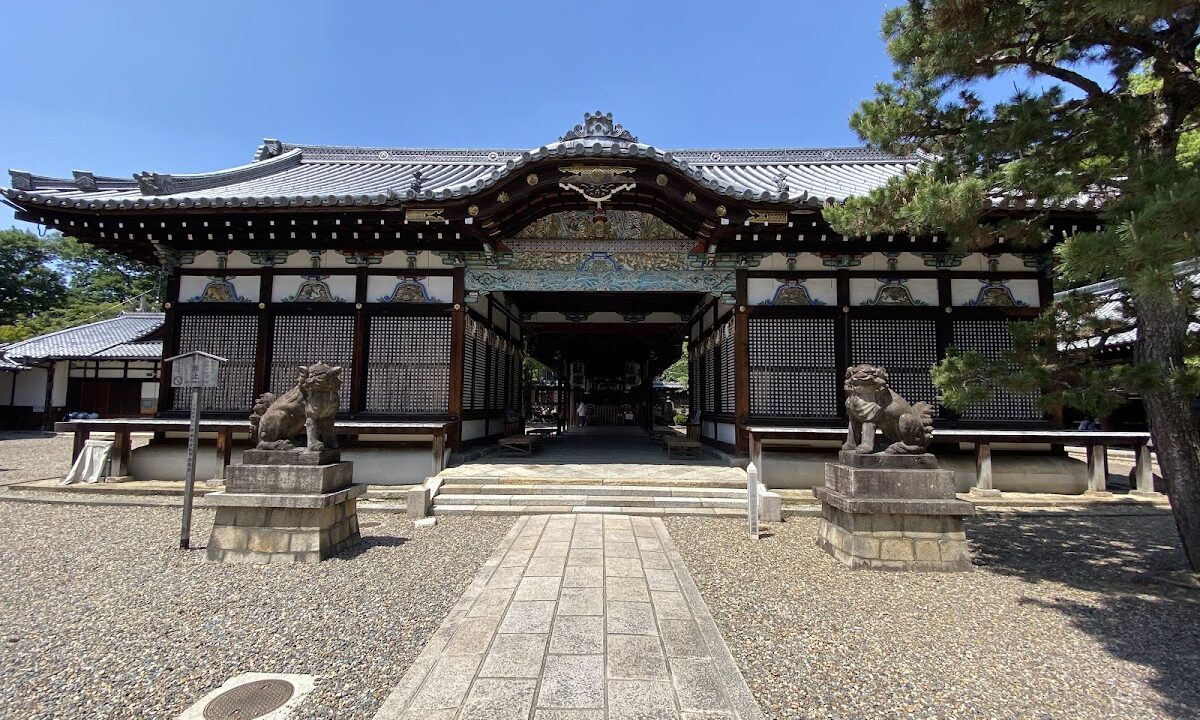
Complete Guide to Fukakusa Gokonomiya Shrine (Kyoto Prefecture): History, Benefits, and Access Information
Fukakusa Gokonomiya Shrine, located in the Fukakusa area of Fushimi Ward, Kyoto City, is a shrine affectionately known locally as “Furu Gokonomiya” or “Toge no Gokonomiya.” While several Gokonomiya shrines exist within Fushimi Ward, Fukakusa Gokonomiya Shrine is particularly revered for its prayers for safe childbirth and has a long history as the local guardian deity.
This article comprehensively covers everything you need to know before visiting Fukakusa Gokonomiya Shrine, including its historical background, enshrined deities and benefits, highlights within the grounds, annual events, and access information.
About Fukakusa Gokogu Shrine: Basic Information and Overview
Fukakusa Gokogu Shrine is a Shinto shrine located at 44 Tsuruga-cho, Okameya, Fukakusa, Fushimi-ku, Kyoto City, Kyoto Prefecture. It enshrines Empress Jingu, revered as the “Great Goddess of Safe Childbirth in Japan,” as its principal deity. It is a separate shrine from the famous “Gokogu Shrine” located in Gokogu Monzen-cho, Fushimi-ku. It is deeply revered by local residents as the tutelary deity of the “Toge” area of Fukakusa (centered around Tsuruga-cho, Okameya, Fukakusa).
Location and Basic Data
- Official Name: Gokogu Shrine (Common Names: Old Gokogu, Toge no Gokogu)
- Address: 44 Tsuruga-cho, Fukakusa Okameya, Fushimi-ku, Kyoto City, Kyoto Prefecture 612-0889
- Main Deity: Nine deities, including Empress Jingu
- Former Shrine Rank: Village Shrine
- Founding Date: Details unknown (Long-standing center of local faith)
- Annual Festival Day: Multiple festivals are held throughout the year
Fukakusa Gokogu Shrine is one of the shrines that particularly symbolizes the history and culture of the Fukakusa area within Fushimi Ward, and has functioned as a spiritual pillar of the local community.
Deities and Benefits: Faith for safe childbirth
Main Deity: Empress Jingu
The main deity of Fukakusa Gokogu Shrine is Empress Jingu. Empress Jingū was the empress of the 14th Emperor Chūai and a legendary figure known as the mother of Emperor Ōjin. According to the *Nihon Shoki* and *Kojiki*, Empress Jingū, while pregnant, led an expedition to the Three Kingdoms of Korea and safely gave birth to Emperor Ōjin upon her return.
Because of this story, Empress Jingū has been revered throughout Japan since ancient times as the guardian deity of safe childbirth, fertility, and child-rearing. Fukakusa Gokōgū Shrine, in particular, receives fervent devotion from pregnant women and families raising children, as the “Great God of Safe Childbirth in Japan.”
Nine Deities
Fukakusa Gokōgū Shrine enshrines nine deities, centered around Empress Jingū. These deities are believed to bring blessings not only for safe childbirth but also for family safety, protection from evil, good fortune, and all aspects of life.
Expected Benefits
The main benefits you can expect from visiting Fukakusa Gokogu Shrine are as follows:
- Safe Childbirth and Conception: The most representative benefit from the divine virtues of Empress Jingu
- Protection of Child-Rearing: Watching over the healthy growth of children
- Family Safety: Peace and happiness for the family
- Protection from Misfortune and Evil: Protection from disasters
- Good Fortune and Prosperity: Improvement of luck and attracting good fortune
- Healing from Illness: Recovery of health and protection from illness
In particular, regarding prayers for safe childbirth, there is a long history of many pregnant women visiting the shrine to pray for safe deliveries. It is a place of worship visited not only by locals but also by people from Kyoto City and surrounding areas.
History of Fukakusa Gokogu Shrine: A Journey with the Community
Founding and History
The exact founding date of Fukakusa Gokogu Shrine is unclear due to a lack of historical records, but it is believed to have been worshipped as the local guardian deity since ancient times, alongside the development of the Fukakusa area. Fukakusa was known as a villa area for aristocrats from the Heian period and was also a religiously important location due to its proximity to Fushimi Inari Taisha Shrine.
The name “Gokogu” is thought to originate from a legend that fragrant water gushed forth from the shrine grounds, similar to the Gokogu Shrine in Fushimi. It is said that in 862 (Jogan 4) of the Heian period, Emperor Seiwa bestowed the name “Gokogu” upon the Gokogu Shrine in Fushimi, and Fukakusa Gokogu Shrine may also have a related belief.
Common Name “Furu Gokogu”
Locally, it is affectionately known as “Furu Goko” (Old Gokogu). The word “ancient” in this context can be interpreted as either signifying that the shrine predates the Gokogu Shrine in Fushimi, or simply meaning a long-standing guardian deity of the region.
As the Guardian Deity of the Toge Region
Fukakusa Gokogu Shrine has functioned as the guardian deity of the Toge region, centered around Tsuruga-cho, Okameya, Fukakusa. This area is located on high ground within Fukakusa and was once a key transportation hub. As a shrine closely intertwined with the lives of local residents, it has a history of supporting community unity through festivals and annual events.
Developments Since the Modern Era
Following the Meiji-era reforms to the shrine system, Fukakusa Gokogu Shrine was designated a village shrine. Even after World War II, it continued to attract worshippers as the guardian deity of the region and has been carefully preserved by local people to this day.
In recent years, despite the effects of a declining birthrate, an aging population, and urbanization, it continues to maintain its significance as a shrine for prayers for safe childbirth and as a place for preserving local traditions.
Highlights and Facilities on the Shrine Grounds
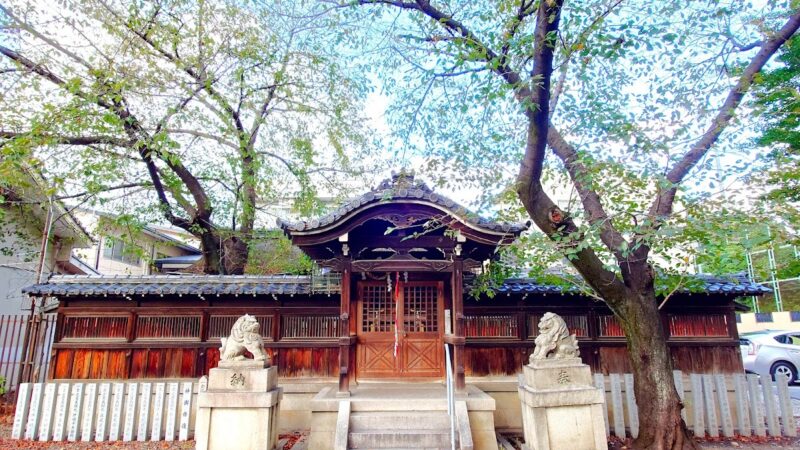
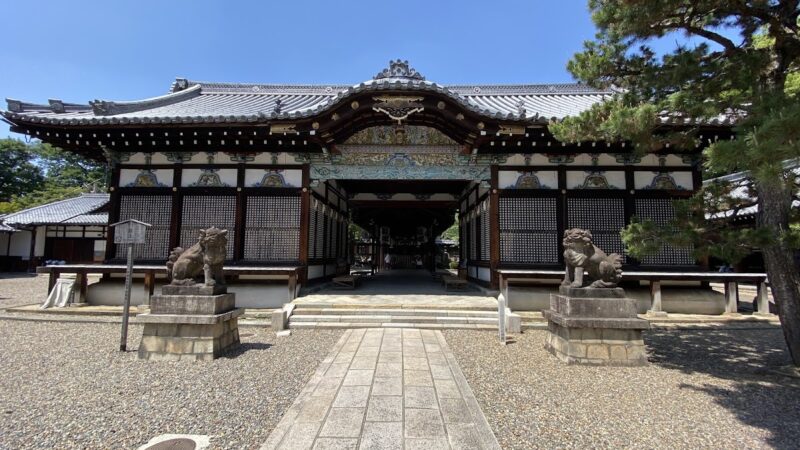
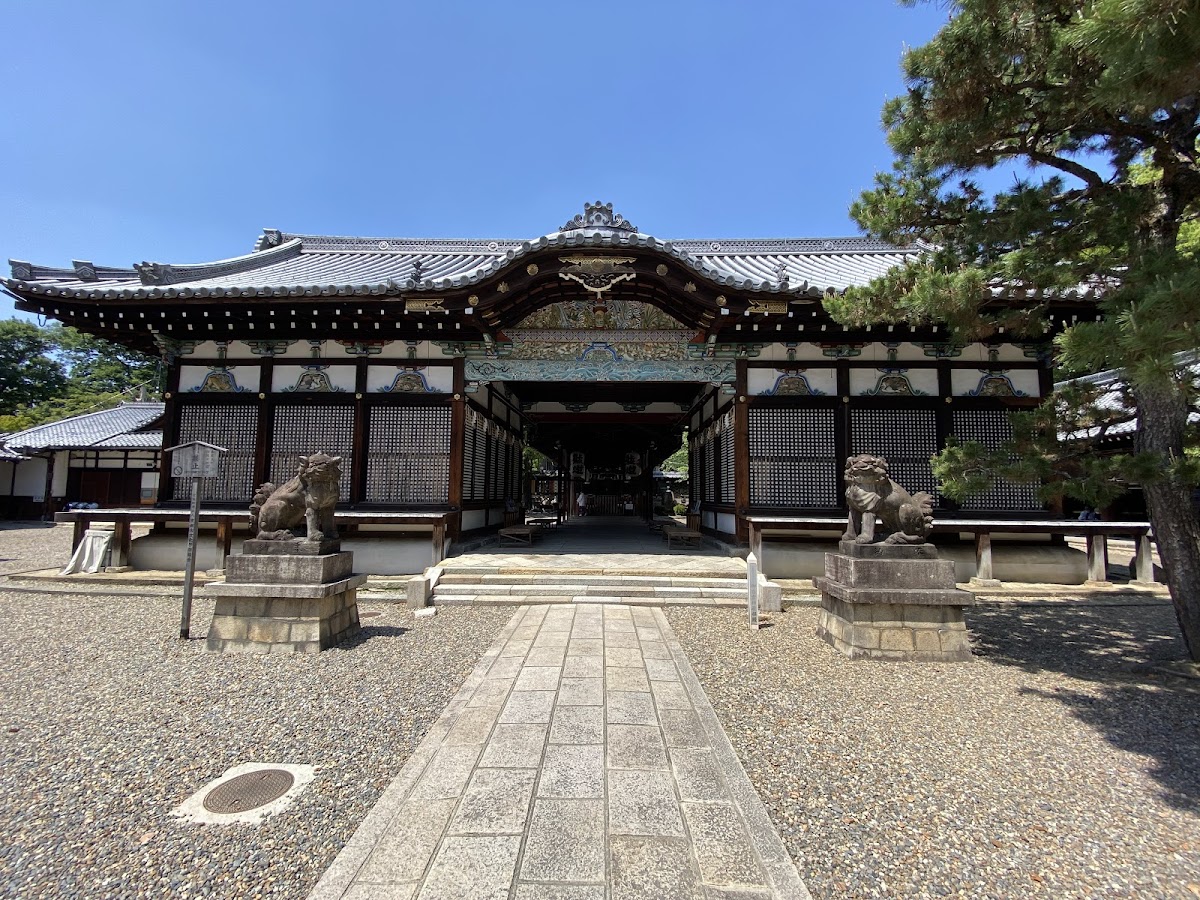
Main Hall and Worship Hall
The main hall of Fukakusa Gokogu Shrine is a sacred space dedicated to nine deities, including Empress Jingu. The architectural style follows traditional shrine architecture, creating a simple yet solemn atmosphere.
In the worship hall, visitors can offer prayers. Especially on the Day of the Dog (Inu no Hi), many pregnant women and their families visit to pray for safe childbirth, and Shinto priests perform prayers.
Atmosphere of the Shrine Grounds
The grounds of Fukakusa Gokogu Shrine are a tranquil space, far removed from the hustle and bustle of the city. Surrounded by greenery, you can experience the beauty of nature throughout the seasons. The grounds are particularly vibrant in spring with cherry blossoms, early summer with fresh greenery, and autumn with colorful foliage.
While the grounds are not particularly vast, they are well-maintained and clean, reflecting the affection and respect the local people have for the shrine.
Water Basin and Purification Ritual
Before visiting the shrine, you should purify your mind and body at the water basin. The water basin at Fukakusa Gokogu Shrine maintains a traditional style, and visitors purify themselves using the following procedure:
- Take the ladle in your right hand and wash your left hand.
- Switch the ladle to your left hand and wash your right hand.
- Take the ladle back in your right hand, receive water in your left hand, and rinse your mouth.
- Wash your left hand once more.
- Hold the ladle upright, rinse the handle, and return it to its original position.
Shrine Office and Gifts
At the shrine office, you can receive gifts such as amulets, talismans, and votive tablets. The safe childbirth amulet is a particularly popular gift at Fukakusa Gokogu Shrine, sought after by many pregnant women.
Goshuin (shrine stamps) are also available (please check the hours), making it popular with shrine pilgrims.
Annual Events and Festivals
Fukakusa Gokogu Shrine holds various festivals and events throughout the year. These events are important community events and provide a place for intergenerational interaction.
Annual Festival
The annual festival is the most important festival for Fukakusa Gokogu Shrine. Parishioners and local residents gather to express gratitude to the gods and pray for the prosperity of the community. A procession of portable shrines and offering ceremonies are held, and the entire community is enveloped in a festive atmosphere.
New Year’s Visit
Many worshippers visit the shrine for their first shrine visit of the new year. It is bustling with people praying for a safe year, family safety, and blessings for safe childbirth and child-rearing. The number of worshippers is especially high from New Year’s Day to the third day, making it a local New Year’s tradition.
Setsubun Festival
The Setsubun Festival is held in February, featuring traditional events such as bean-throwing. With the chant of “Good fortune in, demons out!”, this event, which wards off evil for the year and invites good fortune, is popular with local families.
Summer Purification Ceremony
At the end of June, the Summer Purification Ceremony (Nagoshi no Harae) is held to purify and cleanse away the impurities accumulated over the past six months. Through rituals such as passing through a ring of reeds, prayers are offered for health and peace for the remaining half of the year.
Other Annual Events
Various Shinto rituals, such as monthly festivals and seasonal festivals, are held throughout the year. For detailed schedules, we recommend contacting the shrine directly or checking local bulletin boards.
Etiquette and Manners for Visiting the Shrine
When visiting Fukakusa Gokogu Shrine, please observe the following basic etiquette and manners.
Basic Etiquette for Visiting a Shrine
- Bow before passing through the torii gate: As a sign of respect before entering the sacred area, bow before the torii gate.
- Walk along the edge of the path: The center of the path is considered the path of the gods, so walk along the edge.
- Purify yourself at the water basin: Purify your hands and mouth according to the etiquette described above.
- Worship at the main hall:
- Place your offering in the offering box.
- Ring the bell if there is one.
- Perform the two bows, two claps, one bow (bow deeply twice, clap twice, bow deeply once).
- Bow again at the torii gate when leaving: Turn around and bow again when leaving the sacred area.
For prayers for safe childbirth
If you are visiting to pray for safe childbirth, it is recommended to contact the shrine office in advance to make a reservation for the prayer. While it is common to visit on the Day of the Dog, visiting on another day is also acceptable depending on your health and circumstances.
When receiving prayers, please prepare a first offering (prayer fee). Please inquire at the shrine office regarding the amount.
Manners for Visiting the Shrine
- Please be quiet within the shrine grounds and avoid disturbing other visitors.
- Photography is permitted only in designated areas; refrain from taking photos inside the main hall.
- Please take all your trash with you.
- Please be careful not to damage the plants or facilities on the shrine grounds.
- Please dress neatly and appropriately (especially when receiving prayers).
Access: How to get to Fukakusa Gokogu Shrine
Fukakusa Gokogu Shrine is located in the Fukakusa area of Fushimi Ward, Kyoto City, and can be accessed by public transport or car.
Access by Public Transportation
Using Keihan Railway
- Nearest Station: Keihan Main Line “Fukakusa Station”
- Travel Time: Approximately 10-15 minutes on foot from the station
- Route: Exit Fukakusa Station and head east, passing through the residential area towards Fukakusa Okameya.
Using JR
- Nearest Station: JR Nara Line “Inari Station” or “JR Fujimori Station”
- Travel Time: Approximately 15-20 minutes on foot from each station
- Route: From Inari Station, head east; from Fujimori Station, head northeast.
Using City Buses
Several Kyoto City Bus routes pass through the Fukakusa area. It is possible to access the area on foot from the nearest bus stop, but the distance from the bus stop varies depending on the route. We recommend checking the latest information on the Kyoto City Transportation Bureau’s official website or bus information app.
Access by Car
Routes from Major Roads
- Meishin Expressway: Approximately 15 minutes from Kyoto Minami IC
- Hanshin Expressway: Approximately 10 minutes from Kamitoba Exit
- National Route 24: From Fushimi Ward towards Fukakusa
Parking Information
Fukakusa Gokogu Shrine may have its own parking lot, but the number of spaces may be limited. On days when congestion is expected, such as during festivals or on the Day of the Dog, we recommend using public transportation. We recommend checking with the shrine in advance regarding parking availability and operating hours.
Location in Relation to Surrounding Facilities
Fukakusa Gokogu Shrine is located east of Fushimi Inari Taisha, in the residential area of Fukakusa. Several historical temples and shrines of Fukakusa are scattered around the area, making it possible to visit multiple shrines and temples within walking distance.
Differences between Fukakusa Gokonomiya Shrine and Fushimi Gokonomiya Shrine
There are several shrines in Fushimi Ward, Kyoto City, that bear the name “Gokonomiya,” which can sometimes lead to confusion. This section clarifies the differences between Fukakusa Gokonomiya Shrine and the more famous Fushimi Gokonomiya Shrine.
Differences in Location
- Fukakusa Gokonomiya Shrine: 44 Tsuruga-cho, Okameya, Fukakusa, Fushimi Ward, Kyoto City (Fukakusa area)
- Gokonomiya Shrine: 174 Gokonomiya Monzen-cho, Fushimi Ward, Kyoto City (Fushimi area)
Both shrines are located within the same Fushimi Ward, but in different areas, approximately 2-3 km apart in a straight line.
Scale and Recognition
Fushimi Gokonomiya Shrine is a large shrine known as the guardian shrine of Fushimi. It boasts a main gate and main hall designated as important cultural properties, and is a famous tourist destination. The shrine grounds feature “Gokosui,” selected as one of Japan’s 100 best waters, attracting many tourists.
On the other hand, Fukakusa Gokogu Shrine is a more locally-focused shrine, serving as the tutelary deity of the region. Although smaller in scale, it enjoys deep devotion from local residents and is affectionately known as “Old Gokogu.”
Historical Background
Fushimi Gokogu Shrine has clear records indicating that it received the name “Gokogu” from Emperor Seiwa in 862 AD (Jōgan 4th year of the Heian period), and it has deep connections with historical figures such as Toyotomi Hideyoshi and Tokugawa Ieyasu.
While the exact founding date of Fukakusa Gokogu Shrine is unclear, it has walked hand-in-hand with the history of the region as the ancient tutelary deity of the Fukakusa area.
Deities and Benefits
Both shrines enshrine Empress Jingū as their main deity and are known for their blessings of safe childbirth. While both share this commonality, Fushimi Gokogu Shrine is known for a wider range of blessings (warding off evil, healing from illness, academic success, etc.), while Fukakusa Gokogu Shrine has a particularly strong focus on safe childbirth and child-rearing.
Which Shrine Should You Visit?
If your purpose is sightseeing or cultural appreciation, Fushimi’s Gokogu Shrine is suitable. On the other hand, if you want to pray for a safe delivery in a quiet environment or visit a shrine rooted in the local community, Fukakusa Gokogu Shrine is recommended.
Of course, it is possible to visit both shrines. If you have the time and energy, a “Gokogu Shrine Pilgrimage,” visiting several Gokogu shrines in Fushimi Ward, would also be an interesting experience.
History and Culture of the Fukakusa Area
Understanding the historical background of the Fukakusa area is important for understanding Fukakusa Gokogu Shrine.
Origin of the Name Fukakusa
The name “Fukakusa” is said to originate from the fact that it was a land where vegetation grew densely since ancient times. There are poems about Fukakusa in the Manyoshu (Collection of Ten Thousand Leaves), indicating that it was a well-known area since ancient times.
Heian Aristocrats and Fukakusa
During the Heian period, Fukakusa was a scenic area close to the capital Kyoto, and villas and temples were built there for aristocrats. Fukakusa Mountain (the area around present-day Inariyama) was particularly known as a place of entertainment for the aristocracy.
Relationship with Fushimi Inari Taisha
The most famous shrine in the Fukakusa area is, needless to say, Fushimi Inari Taisha. This shrine, world-renowned for its thousands of torii gates, is a symbol of the Fukakusa area, and it is believed that Fukakusa Gokogu Shrine also developed under the influence of this Inari faith.
Modern Fukakusa
Since the Meiji era, the Fukakusa area has developed as a residential area along with the expansion of Kyoto City. Currently, it is an area where traditional temples and shrines coexist with modern housing, and Fukakusa Gokogu Shrine functions as a central presence in the local community.
Nearby Tourist Spots
Here are some nearby tourist spots that you can visit when you come to Fukakusa Gokogu Shrine.
Fushimi Inari Taisha
A representative tourist spot of the Fukakusa area. The entire Inariyama mountain, famous for its thousands of torii gates, is considered sacred ground, and climbing to the summit offers a panoramic view of Kyoto City. Within walking distance (approximately 15-20 minutes) from Fukakusa Gokogu Shrine.
Sekihoji Temple
A temple associated with Ito Jakuchu, a painter from the Edo period. The temple grounds feature a group of 500 stone Buddha statues, sketched by Jakuchu himself, creating a unique atmosphere.
Fujimori Shrine
Known as a shrine of good fortune and horses, it enjoys strong devotion from those involved in horse racing. It’s also famous for its hydrangeas, and a “Hydrangea Festival” is held in June.
Gokogu Shrine (Fushimi)
As mentioned above, a large shrine known as the guardian shrine of Fushimi. With many attractions including important cultural property buildings and the famous “Gokosui” spring water, it’s well worth visiting along with Fukakusa Gokogu Shrine.
Fushimi’s Sake Brewery District
Fushimi is known as one of Japan’s leading sake-producing regions, with numerous sake breweries such as Gekkeikan and Kizakura scattered throughout the area. There are facilities where you can tour sake breweries and experience sake tasting, making this a must-see area for sake lovers.
Practical Information for Visiting Fukakusa Gokogu Shrine
Visiting Hours
While entry to the shrine grounds is generally possible during the day, the opening hours of the shrine office may be limited. If you wish to receive a Goshuin (shrine stamp), other items, or a prayer, it is recommended to check by phone in advance.
Estimated Offering Fees
- Prayer for Safe Childbirth: 5,000 yen and up (amounts may vary depending on the shrine)
- Amulet: Approximately 500 to 1,000 yen
- Goshuin (Shrine Stamp): Approximately 300 to 500 yen
For specific amounts, please inquire directly with the shrine.
Dress Code
For regular visits, clean and modest attire is acceptable. However, if you are receiving a formal prayer for a safe delivery or other special occasion, the following attire is recommended:
- Men: Suit or jacket required
- Women: Dress or suit, or other clothing that minimizes skin exposure
- Pregnant women: Comfortable, loose-fitting clothing is acceptable
Accessibility Information
Fukakusa Gokogu Shrine is located in a residential area, and there may be steps or uneven surfaces on the grounds. If you plan to visit using a wheelchair or stroller, it is recommended that you contact the shrine in advance to confirm accessibility.
Photography
Photography is generally permitted on the shrine grounds, but photography inside the main hall or during prayers should be avoided. Also, please be mindful of the privacy of other visitors and avoid including people in your photos.
Contact Information
For detailed information and the latest updates, please contact the shrine directly. Telephone numbers and official websites (if any) can be found on the Kyoto City tourist information website and the Association of Shinto Shrines website.
Summary: The Charm of Fukakusa Gokogu Shrine
Fukakusa Gokogu Shrine (formerly known as Kogokugu) is a locally rooted shrine not found in tourist guidebooks. However, within its quiet ambiance lies a long history and the deep faith of the local residents.
This shrine, dedicated to Empress Jingu, known as Japan’s foremost goddess of safe childbirth, serves as a spiritual haven, especially for pregnant women and families raising children. For those seeking to escape the hustle and bustle of famous tourist spots and offer quiet prayers, or for those wanting to experience true local faith, Fukakusa Gokogu Shrine is an ideal place to visit.
When visiting Fushimi Inari Taisha or the Fushimi sake brewery district, why not extend your trip a little and visit Fukakusa Gokogu Shrine? There, you’ll be able to experience the true essence of a shrine, unspoiled by tourism, and feel the warmth of a local community.
Whether you’re praying for a safe delivery, interested in the history of the Fukakusa area, or simply seeking tranquility in a peaceful shrine, Fukakusa Gokogu Shrine is open to everyone. Enjoy a soul-cleansing pilgrimage experience at Fukakusa Gokogu Shrine, a hidden gem in Kyoto’s Fushimi district.