Complete Guide to Sannomiya Matsuo Shrine (Kyoto Prefecture): History, Deities, and Access
There are several shrines in Kyoto Prefecture with the names “Sannomiya” or “Matsuo Shrine,” each with its own unique history and beliefs. This article provides a comprehensive explanation of Sannomiya Shrine, which is particularly closely related to Matsuo Taisha, and other Matsuo Shrines in Kyoto Prefecture, covering their historical background, deities, annual events, and access methods.
What is Sannomiya Matsuo Shrine?
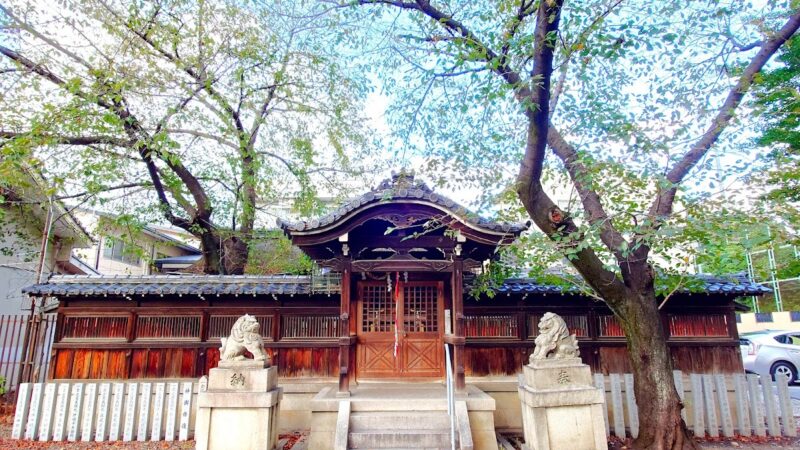
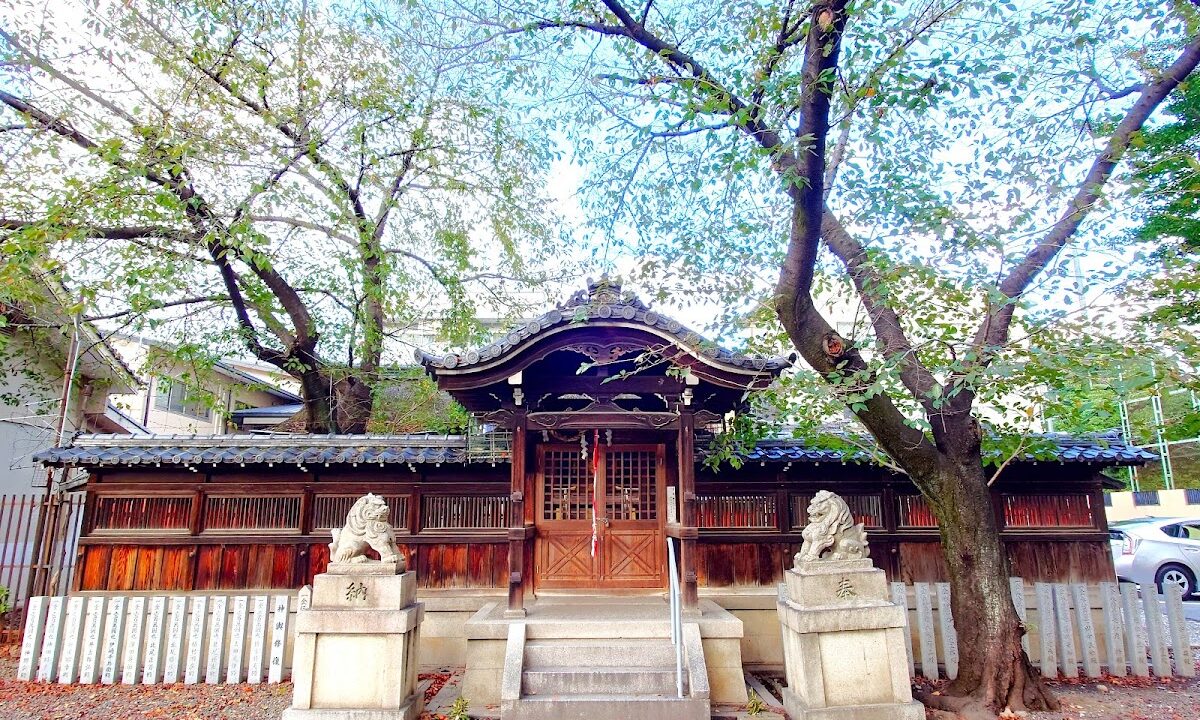
When searching for “Sannomiya Matsuo Shrine,” it generally refers to Matsuo Sannomiya Shrine, an outlying subsidiary shrine of Matsuo Taisha. This shrine is located in Nishikyogoku Kitaura-cho, Ukyo-ku, Kyoto City, and has long been revered as an important subsidiary shrine of Matsuo Taisha.
Matsuo Sannomiya Shrine is known for playing an important role in the “Matsuo Festival,” the festival of Matsuo Taisha. Especially during the Shinko-sai festival, it served as one of the temporary resting places for the portable shrine of Sannomiya Shrine, functioning as a center of local faith.
Deep Connection with Matsuo Taisha Shrine
Matsuo Taisha Shrine, located in Arashiyama Miyacho, Nishikyo-ku, Kyoto City, is one of Kyoto’s oldest shrines, founded during the Asuka period. It is said that in 701 AD, Hata no Imiki Tori received an imperial order to construct the shrine buildings, and it has long been revered by the imperial court.
Matsuo Taisha Shrine enshrines two main deities: Oyamakui-no-kami and Nakatsushima-hime-no-mikoto. The shrine grounds cover approximately 120,000 tsubo (about 400,000 square meters), and it is widely worshipped as the guardian deity of the western Kyoto Basin and as the god of sake brewing.
Matsuo Sannomiya Shrine, as one of the subsidiary shrines of Matsuo Taisha, has played a role in spreading the divine power of Matsuo Taisha throughout the region.
Detailed Information on Matsuo Sannomiya Shrine
Location and Access
Location: Nishikyogoku Kitaura-cho, Ukyo-ku, Kyoto City, Kyoto Prefecture
Matsuo Sannomiya Shrine was formerly known as “Kawakatsuji Sannomiya Shrine” as the tutelary shrine of the former Kawakatsuji Village. This area is close to Kawakatsuji Temple, associated with Hata no Kawakatsu, and has been heavily influenced by the Hata clan since ancient times.
Access Information:
- Approximately 10 minutes on foot from Nishikyogoku Station on the Hankyu Kyoto Line
- Approximately 5 minutes on foot from the Nishikyogoku Sports Park bus stop (Kyoto City Bus)
- Approximately 20 minutes on foot from Matsuo Taisha Shrine
Deities and Divine Virtues
The deities enshrined at Matsuo Sannomiya Shrine are the following three:
- Tamayorihime-no-Mikoto: A goddess with shamanistic characteristics who can attract divine spirits
- Oyamatsumi-no-Kami: God of mountains and sake brewing
- Sakatoke-no-Kami: God related to sake brewing
Due to these deities, Matsuo Sannomiya Shrine has been deeply revered by sake brewers and has also functioned as a place of worship to express gratitude for the blessings of the mountains and water.
History of Founding
The founding of Matsuo Sannomiya Shrine is believed to date back to the Taihō era (701-704) of the Asuka period, and is thought to have been established around the same time as the construction of the Matsuo Taisha shrine buildings. This reflects the historical context in which multiple subsidiary shrines were established outside the main shrine grounds to spread the divine power of Matsuo Taisha throughout the western Kyoto Basin.
In ancient times, the name “Sannomiya” often referred to the third most important shrine in a group of shrines, indicating that Matsuo Sannomiya Shrine held an important position within the faith sphere centered on Matsuo Taisha.
Role of Matsuo Sannomiya Shrine in the Matsuo Festival
What is the Matsuo Festival?
The Matsuo Festival is the most important annual event of Matsuo Taisha Shrine, held every year from late April to early May. This festival consists of the Shinkōsai (procession of the deity) and Kankōsai (return procession), and is a grand festival in which the portable shrine of Matsuo Taisha Shrine parades through the parish area.
The Mikoshi and Temporary Shrine at Sannomiya Shrine
During the Shinkosai (procession of the portable shrines) of the Matsuo Festival, multiple portable shrines depart from Matsuo Taisha Shrine and proceed to their respective temporary shrines. Matsuo Sannomiya Shrine serves as the temporary shrine for one of these portable shrines, making it an important place where the shrine stays for a certain period.
Upon the arrival of the portable shrine at Sannomiya Shrine, a festival is held by local residents, and a ceremony is performed to spread the divine power throughout the community. During this period, the grounds of Sannomiya Shrine are bustling with many worshippers, strengthening the bonds of the local community.
Return at the Kankosai (return procession)
In the Kankosai (return procession) in early May, the portable shrines that have been staying at their respective temporary shrines return to Matsuo Taisha Shrine. A portable shrine also departs from Sannomiya Shrine, returning to the main shrine while touring the parish area. This procession, carried by parishioners dressed in traditional costumes, is a beloved spring tradition in Kyoto. ## Other Matsuo Shrines and Sannomiya Shrines in Kyoto Prefecture
Besides Matsuo Sannomiya Shrine, there are several other “Matsuo Shrines” and “Sannomiya Shrines” in Kyoto Prefecture. Each has its own unique history and beliefs, and functions as a guardian deity of its region.
Sannomiya Shrines in Nishikyo Ward, Kyoto City
Besides Matsuo Sannomiya Shrine, there are several other Sannomiya Shrines in Nishikyo Ward, Kyoto City:
- Sannomiya Shrine (Oeda Nakayama-cho): Located in Oeda Nakayama-cho, Nishikyo Ward
- Sannomiya Shrine (Kashihara Sugihara-cho): Located in Kashihara Sugihara-cho, Nishikyo Ward
- Sannomiya Shrine (Kawashima Tamagashira-cho): Located in Kawashima Tamagashira-cho, Nishikyo Ward
These shrines have long been revered by residents as the tutelary deities of their respective regions. They are under the jurisdiction of the Kyoto Prefectural Shrine Association and play a central role in local festivals and annual events.
Matsuo Shrine (Oharano Sotohata-cho)
A Matsuo Shrine is also located in Oharano Sotohata-cho, Nishikyo-ku, Kyoto City. This shrine also has deep ties to Matsuo Taisha and enshrines Oyamakui-no-kami as its main deity. The Oharano area has long been known as a villa area for nobles, and this Matsuo Shrine is believed to have a history dating back to the Heian period.
Matsuo Shrine (Tsubaki, Yamashiro-cho, Kizugawa City)
The Matsuo Shrine located in Matsuo, Tsubaki, Yamashiro-cho, Kizugawa City, Kyoto Prefecture, is a former village shrine and a prestigious shrine possessing important cultural properties.
Deities Enshrined: Tsukuyomi-no-mikoto and Oyamakui-no-kami
Founding: According to shrine tradition, it was founded in 701 AD by Hata no Tori with a sacred jewel as its divine object.
Cultural Properties: The main hall (one-bay, Kasuga-style, cypress bark roof) and the worship hall are Edo period buildings and are designated as Kyoto Prefecture cultural properties. The Goryo Shrine and other structures are also protected as cultural properties.
Access: Approximately 21 minutes on foot from JR Nara Line “Kamikoma Station”
While the direct relationship between this Matsuo Shrine and Matsuo Taisha Shrine is not clear, it is considered an important example demonstrating the spread of shrine construction by the Hata clan, as both enshrine the same deity, Oyamakui-no-kami.
Matsuo Shrine (Asahi-cho, Kameoka City)
A Matsuo Shrine is also located in Asahi-cho, Kameoka City. Situated on the alluvial fan of the Miho River at the foot of Mt. Saburogatake on the eastern side of the Kameoka Basin, it is an important place of worship for the region.
Deities Enshrined: Ōyamakui-no-kami and Ichikishima-hime-no-mikoto
This shrine enshrines the same deities as Uketa Shrine, which has a legend of developing Lake Tanba, and is thought to have a deep connection to the development of the ancient Tanba region.
Highlights and Surrounding Information of Matsuo Taisha Shrine
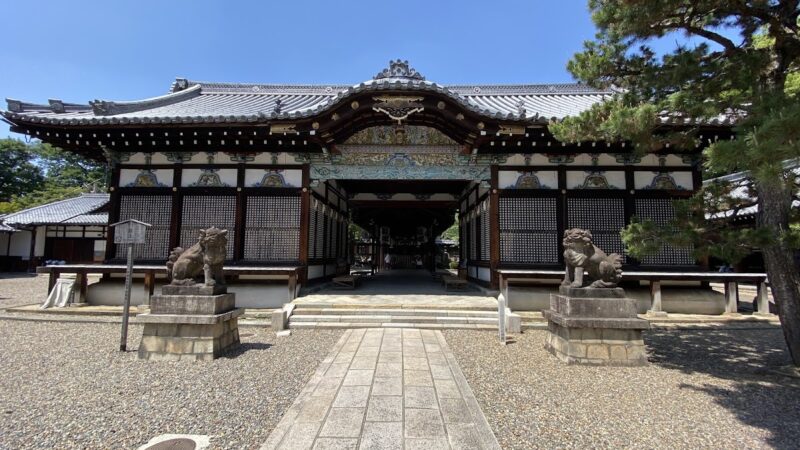
When visiting Matsuo Sannomiya Shrine, we recommend also visiting the main shrine, Matsuo Taisha.
Main Facilities of Matsuo Taisha Shrine
Main Hall: A nationally important cultural property that preserves the architectural style of the Muromachi period. It has a unique architectural style called Matsuo-zukuri.
Kame-no-i Well: A sacred spring located within the grounds of Matsuo Taisha Shrine. It is customary for sake brewers to take the water home to use in brewing sake. It is believed that using the water from “Kame-no-i” in sake brewing produces good sake, making it a symbol of the worship of the god of sake brewing.
Approach to the Shrine: The approach to Matsuo Taisha Shrine is known as a famous spot for cherry blossoms and autumn leaves, allowing visitors to enjoy the beautiful scenery of each season. Gardens: The shrine features the “Matsukaze-en Three Gardens,” designed by Shigemori Mirei, a leading landscape architect of the Showa era. These gardens are the Horai Garden, the Kyokusui Garden, and the Jōko Garden.
Access Information
Access to Matsuo Taisha Shrine:
- Immediately accessible from Matsuo Taisha Station on the Hankyu Arashiyama Line
- Immediately accessible from Matsuo Taisha-mae bus stop on the Kyoto City Bus
- Approximately 30 minutes from Kyoto Station
Visiting Hours: Grounds are freely accessible (Gardens and Treasure Hall require a fee, 9:00-16:00)
Parking: Parking available for visitors (free)
The Hata Clan and the Spread of Matsuo Faith
Matsuo Taisha Shrine and the Matsuo Sannomiya Shrine group have deep connections to the Hata clan, a powerful ancient clan.
The Hata Clan’s Development of Kyoto
The Hata clan was a family believed to have immigrated from the continent around the 5th century, possessing superior skills in sericulture, weaving, and civil engineering. Settling in the western part of the Kyoto Basin, the Hata clan advanced the development of the Katsura River basin, undertaking the construction of agricultural irrigation canals and flood control projects.
The Founding of Matsuo Taisha Shrine and the Hata Clan
Matsuo Taisha Shrine is said to have originated in 701 AD (Taiho 1), when Hata no Imiki Tori constructed a shrine for Oyamakui-no-kami, who was enshrined at the Iwakura (sacred rock) on Mount Matsuo. This is thought to have been a way for the Hata clan to thank the gods for their success in developing the Kyoto Basin and to pray for further prosperity.
Establishment of Subsidiary Shrines Outside the Main Precincts
After the founding of Matsuo Taisha Shrine, several subsidiary shrines were established outside the main precincts within the Hata clan’s sphere of influence. Matsuo Sannomiya Shrine is one such example, intended to spread the divine power of Matsuo Taisha Shrine throughout the parish area and function as a guardian deity of the region.
This network of subsidiary shrines outside the main shrine grounds indicates the sphere of influence and religious sphere of the Hata clan, and provides important clues to understanding the history of ancient Kyoto.
Points and Precautions for Visiting
Proper Etiquette for Visiting
When visiting Matsuo Sannomiya Shrine and Matsuo Shrine, please observe the following basic etiquette:
- Bow at the Torii Gate: Bow before passing through the torii gate.
- Purification at the Water Basin: Purify your left hand, right hand, and mouth in that order.
- Worship: Worship using the two bows, two claps, and one bow method.
- Behavior within the Shrine Grounds: Worship quietly and with reverence.
Photography
Photography is generally permitted within the shrine grounds, but may be restricted during festivals or inside the main hall. Please follow the instructions on the signs and from the shrine priests.
Goshuin (Shrine Seal)
Matsuo Taisha Shrine offers Goshuin (shrine seals) (for a fee of approximately 300 yen). While Goshuin are not usually issued for Matsuo Sannomiya Shrine alone, they may be available on special occasions such as during the Matsuo Festival.
Annual Events and Festivals
Matsuo Festival (Late April to Early May)
As mentioned above, this is the most important festival for Matsuo Sannomiya Shrine. It includes a procession of the deity and a return procession, making it a grand festival involving the entire community.
Nakatori Festival (First Rabbit Day of November)
An important festival of Matsuo Taisha Shrine, praying for safety in sake brewing. Many people involved in sake brewing attend, and offerings of new sake are made.
New Year’s Day Festival
A New Year’s festival praying for peace and prosperity throughout the year. It is bustling with many visitors making their first shrine visit of the year.
Summary: The Charm of Sannomiya Matsuo Shrine
Sannomiya Matsuo Shrine (Matsuo Sannomiya Shrine) is a historic shrine that has attracted the faith of people in western Kyoto for over 1300 years since its founding in the Asuka period. As an important subsidiary shrine of Matsuo Taisha and as the temporary resting place for the Matsuo Festival, it has played a central role in the region’s faith and culture.
Despite being located in the urban area of Nishikyogoku Kitaura-cho, Ukyo-ku, Kyoto City, it maintains a tranquil atmosphere as a place of worship that has continued since ancient times, and continues to be a spiritual anchor for local residents today.
By visiting both Matsuo Taisha and Sannomiya Shrine, you can gain a deeper understanding of the history of Kyoto’s development by the Hata clan, ancient forms of worship, and the nature of shrine faith rooted in the region.
While there are several Matsuo Shrines and Sannomiya Shrines in Kyoto Prefecture, each has its own unique history and connection to the region. Visiting these shrines allows you to experience the profound history and culture of Kyoto that cannot be seen through superficial sightseeing.
Matsuo Sannomiya Shrine is relatively easy to access, located within walking distance of Nishikyogoku Station. When visiting Matsuo Taisha Shrine, be sure to extend your trip to visit Matsuo Sannomiya Shrine as well, and experience the spirit of ancient faith.