Complete Guide to Seishoji Temple (Ukyo Ward, Kyoto Prefecture) | History, Access, and Highlights Explained in Detail
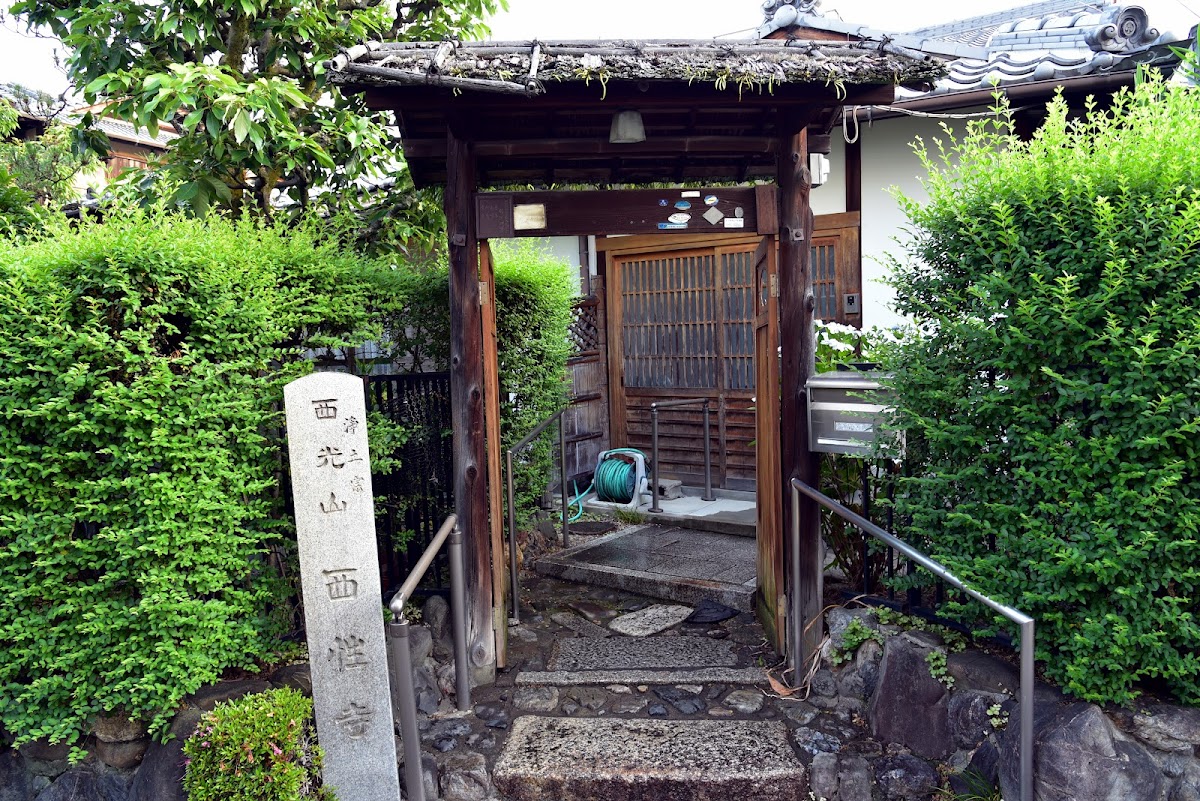
Located in Ukyo Ward, Kyoto Prefecture, Seishoji Temple is a Jodo Shinshu Honganji sect temple with a history of over 400 years dating back to the Tensho era. This article provides comprehensive information useful for visitors and local residents, from the historical background of Seishoji Temple to its highlights, detailed access methods, and annual events.
History and Origin of Seishoji Temple
Circumstances of Founding and Historical Background
The founding of Ikaizan Seishoji Temple dates back to Tensho 12 (1584). This period coincided with the Azuchi-Momoyama era, when Toyotomi Hideyoshi was unifying Japan, and many temples in Kyoto were being rebuilt or established.
The founding priest of Seishoji Temple, Shakuryoki Hoshi, was originally from a temple in Mobara Village, Taga-sho, Omi Province (present-day Mobara, Taga-cho, Inukami-gun, Shiga Prefecture). The relocation from Shiga Prefecture to Kyoto and the establishment of a new temple in Ukyo Ward demonstrate the spread of Jodo Shinshu Buddhism at the time and its deep connection with the local community.
The History of Jodo Shinshu Honganji School
Nishisho-ji Temple, as a temple belonging to the Jodo Shinshu Honganji School, has continued to uphold the faith based on the teachings of Shinran Shonin. Jodo Shinshu Buddhism is a teaching centered on the recitation of the Buddha’s name, “Namu Amida Butsu,” and preaches the idea that everyone can be saved equally by believing in the original vow of Amida Buddha.
The Honganji School is a sect with Nishi Honganji Temple as its head temple, and is one of the largest Buddhist organizations in Japan, with over 10,000 temples nationwide. Nishisho-ji Temple, as a member of this sect, has played a role as a center of faith in the region.
The Temple’s Position in Ukyo Ward
Ukyo Ward in Kyoto City is an area with many historical temples and shrines, including those in Saga and Arashiyama. Ukyo Ward, established in 1931 when 10 towns and villages, including Saga-machi, were incorporated into Kyoto City, is located in the northwestern part of Kyoto City. After the incorporation of Keihoku-machi in 2005, it became the largest ward in Kyoto City in terms of area.
While this area is home to many famous temples, including the World Heritage sites of Ninna-ji, Ryoan-ji, and Tenryu-ji, local temples like Seisho-ji also play a vital role as centers of religious life and community for residents.
Seisho-ji Temple Grounds and Highlights
Features of the Main Hall
The main hall of Seisho-ji Temple boasts a magnificent structure characteristic of Jodo Shinshu Buddhist temple architecture. The principal image, Amida Buddha, is enshrined within, and daily services and religious ceremonies are held here.
Jodo Shinshu temple halls generally have an open structure that allows worshippers to directly pay homage to the principal image, and Seisho-ji Temple maintains an atmosphere that makes it easy for local residents to visit.
Atmosphere of the Temple Grounds and the Changing Seasons
Like many temples in Kyoto, the grounds of Seisho-ji Temple offer a glimpse into the beauty of nature throughout the seasons. In spring, cherry blossoms bloom in profusion, and the grounds are especially vibrant during the spring equinox.
The temple grounds, with their ever-changing appearances—the fresh greenery of summer, the vibrant autumn leaves, and the tranquility of winter—offer a sense of peace and tranquility to visitors.
Connections with the Community
Seisho-ji Temple functions not only as a religious institution but also as a hub for the local community. Through religious services and events where local residents gather, it serves as a place for intergenerational exchange, playing a vital role in maintaining community ties that tend to weaken in modern society.
Location and Detailed Information
Basic Information
Temple Name: Ikaizan Saishoji Temple
Sect: Jodo Shinshu Honganji School
Location: Ukyo-ku, Kyoto City, Kyoto Prefecture
Founding: Tensho 12 (1584)
Founder: Shakuryoki Hoshi
Contact Information
For inquiries about Saishoji Temple or consultations regarding memorial services, we recommend contacting the temple directly. For detailed contact information such as phone and fax numbers, please check the temple’s official information.
They can accommodate various requests, including consultations regarding memorial services and Buddhist rituals, and requests for temple tours. Especially for first-time visitors, contacting them in advance will ensure more attentive service.
Access Information
For those coming by train
Ukyo-ku, Kyoto City, is located in the western part of Kyoto City and is accessible by public transportation. For specific routes from the nearest station, we recommend confirming with the temple before your visit.
Kyoto City has an extensive network of city buses and Kyoto Buses, making it possible to reach temples from major stations by bus. From Kyoto Station, several routes are possible; please choose the most suitable route considering time and ease of transfers.
Examples of access from major stations:
- Take a city bus from JR Kyoto Station
- Take a city bus or walk from any Hankyu Railway station
- Walk or take a bus from any Keifuku Electric Railway (Randen) station
Ukyo Ward includes the Arashiyama and Sagano areas, so using the Randen (Keifuku Electric Railway) is convenient if you are visiting as part of a sightseeing trip.
For those traveling by car
If you are traveling by private car, you need to consider the road conditions in Kyoto City. Kyoto City is characterized by its grid-like road layout, but traffic congestion is common during tourist seasons and weekends, so we recommend planning your travel with ample time.
Tips for Accessing by Car:
- Take the Meishin Expressway to Kyoto Minami IC or Kyoto Higashi IC and enter the city center.
- When using a car navigation system, search by temple name or address.
- It is recommended to check with the temple in advance regarding parking availability.
Kyoto city has many one-way streets and restricted areas, so first-time visitors should be especially careful. Also, roads around the temple can be narrow, so please drive with caution.
Visiting Plan Combined with Sightseeing
Ukyo Ward has many tourist attractions, so it is possible to combine a visit to Seisho-ji Temple with a tour of surrounding temples and shrines.
Major Nearby Tourist Attractions:
- Ninna-ji Temple: The head temple of the Omuro branch of Shingon Buddhism, registered as a World Heritage Site.
- Ryoan-ji Temple: A World Heritage temple famous for its rock garden.
- Kinkaku-ji Temple: A representative tourist attraction of Kyoto.
- Arashiyama/Sagano Area: Togetsukyo Bridge, Bamboo Grove, Tenryu-ji Temple, etc.
- Atago Shrine: The head shrine of approximately 900 Atago Shrines nationwide.
By visiting these tourist attractions and then visiting the locally rooted Seisho-ji Temple, you can gain a deeper understanding of Kyoto’s diverse temple culture.
Annual Events and Memorial Services
Spring Equinox Memorial Service
Seisho-ji Temple holds its Spring Equinox Memorial Service every year on March 20th and 21st. The Equinox is a Buddhist event held for a total of seven days, centered around the spring equinox, and is an important period for honoring ancestors and practicing one’s own spiritual discipline.
During the spring equinox period, the cherry blossoms on the temple grounds are often in full bloom, allowing visitors to feel the arrival of spring along with the memorial service. This service is open not only to local parishioners but also to the general public, so please feel free to attend if you are interested.
Other Annual Events
As a Jodo Shinshu temple, Nishishoji Temple holds various memorial services and events throughout the year.
Main Annual Events:
- Shōshō-e: New Year’s memorial service (January)
- Shunki Higan-e: Memorial service centered around the Vernal Equinox (March)
- Kōtan-e (Hanamatsuri): Memorial service celebrating the birth of Shinran Shōnin (May)
- Obon Memorial Service: Memorial service for ancestors (August)
- Autumn Higan-e: Memorial service centered around the Autumnal Equinox (September)
- Hōon-kō: The most important memorial service commemorating the anniversary of Shinran Shōnin’s death (November)
- Joya-e: Year-end memorial service (December)
These events not only deepen faith but also serve as opportunities to strengthen the bonds of the local community.
Temple Services Available at Seishōji Temple
Consultation on Buddhist Memorial Services
Seishōji Temple provides consultation on Buddhist memorial services not only for its parishioners but also for members of the local community. From the first seven days after death to the forty-ninth day, and annual memorial services such as the first and third anniversaries, you will receive courteous service.
Those who wish to have a memorial service based on the customs of Jodo Shinshu Buddhism, or those who wish to learn more about Buddhist rituals, can feel free to consult with us.
Consultations Regarding Buddhist Rituals
In modern society, many people do not fully understand the customs and meanings of Buddhist rituals. Nishishoji Temple offers various consultations regarding Buddhist rituals for such people.
- How to conduct a funeral
- How to choose and place a Buddhist altar
- How to perform daily prayers
- About Buddhist names (posthumous names)
- About cemeteries and interment
The head priest and temple staff will carefully explain these questions and concerns.
Contributions to the Community
Nishishoji Temple not only fulfills its role as a religious institution, but also contributes to the local community. We open the temple to the public as a gathering place for elderly people in the community and as a place for the emotional education of children.
As a temple deeply rooted in the community, it serves as a spiritual anchor for residents and contributes to the revitalization of the local community.
About the Jodo Shinshu Honganji School
Characteristics of the Teachings
The Jodo Shinshu Honganji School, to which Nishisho-ji Temple belongs, is a Buddhist sect founded by Shinran Shonin (1173-1263). The core of its teachings lies in “other-power vows,” the idea that all people are equally saved by the power of Amida Buddha’s vow.
Main Characteristics of Jodo Shinshu Buddhism:
- Centered on Nembutsu: The basic principle is chanting “Namu Amida Butsu” (Homage to Amida Buddha).
- Salvation for the Wicked: Ordinary people burdened with worldly desires are the ones who deserve salvation.
- Pure Land Rebirth Over Worldly Benefits: Aiming for rebirth in the Pure Land after death.
- Lay Buddhism: Marriage of monks is permitted, making the teachings accessible to ordinary people.
History of the Honganji School
The Honganji school is a Buddhist sect with Honganji Temple as its head temple, inheriting the teachings of Shinran Shonin. Honganji held great power during the Sengoku period and is known for its involvement in the Ishiyama War against Oda Nobunaga.
In the early Edo period, it split into East and West, becoming Nishi Honganji (Honganji School) and Higashi Honganji (Otani School). Nishishoji Temple belongs to the Honganji School, with Nishi Honganji Temple as its head temple.
Role in Modern Times
In modern society, Jodo Shinshu temples play a role that goes beyond mere religious institutions. They respond to diverse needs, such as providing mental health care in an aging society, end-of-life support, and maintaining local communities.
Nishishoji Temple, as a local temple, continues to uphold traditional faith while facing these modern challenges.
Manners and Precautions When Visiting
Basic Manners for Worship
When visiting a temple, it is important to observe the following basic manners.
Attire:
- Avoid overly revealing clothing.
- If attending a memorial service, subdued colors such as black or navy are preferred.
Behavior on the Temple Grounds:
- Worship quietly.
- Take photographs only in designated areas.
- Do not damage the plants or buildings on the temple grounds.
- Take your trash with you.
Etiquette for Worship:
- Bow at the temple gate before entering.
- Perform a gassho (palms together in prayer) before the main hall.
- In Jodo Shinshu Buddhism, do not clap your hands (only gassho).
For First-Time Visitors
For first-time visitors to Seisho-ji Temple, please note the following points for a smoother experience.
- Advance Notice: Confirm the date of the memorial service or event, and contact the temple in advance if possible.
- Time of Day: Avoid early morning and evening service times.
- Questions: If you have any questions, do not hesitate to ask temple staff.
- Privacy: Be considerate if memorial services or other ceremonies for parishioners are taking place.
Regarding Offerings and Donations
Jodo Shinshu temples may not have offering boxes like typical Shinto shrines. Offerings are given as an expression of gratitude during memorial services and ceremonies.
The amount varies depending on the region and the nature of the service, so if you are unsure, it is recommended to consult the temple or ask someone in the same area.
The Charm of Ukyo Ward and Nishishoji Temple
Ukyo Ward: Where History and Nature Harmonize
Ukyo Ward in Kyoto City is a region where historical temples and shrines harmonize with abundant nature. Located in the northwestern part of the city, it boasts the largest area in Kyoto City since its incorporation into Keihoku Town in 2005.
The Arashiyama and Sagano area is one of Kyoto’s leading tourist destinations, attracting many visitors from both Japan and abroad. The Togetsukyo Bridge and the Bamboo Grove are particularly famous. On the other hand, the Keihoku region is 93% forest and is known as a production area for Kitayama cedar.
The Value of Temples Rooted in the Community
While large, famous temples are wonderful, temples rooted in the community, like Seishoji Temple, also possess their own unique value.
As a center of faith for local people, they embody history and tradition passed down through generations. Buddhist culture is integrated into daily life. These elements offer a familiarity and warmth that cannot be experienced in large tourist temples.
Discovering Kyoto’s Diversity
When visiting Kyoto, by visiting not only famous tourist spots but also local temples like Seishoji Temple, you can discover diverse aspects of Kyoto.
In a quiet and peaceful atmosphere, different from the bustling tourist areas, you can experience the true essence of a temple.
Summary
Located in Ukyo Ward, Kyoto Prefecture, Nishisho-ji Temple is a Jodo Shinshu Honganji-ha temple that has served as a center of local faith for over 400 years since its founding in 1584.
Founded by Reverend Shakuryo-ki, who moved from Shiga Prefecture, Nishisho-ji Temple continues to transmit the teachings of Jodo Shinshu Buddhism while maintaining deep ties with the local community. Through annual events such as the Spring Equinox Service, it also plays a role in strengthening community bonds.
Ukyo Ward is home to many famous temples, including the World Heritage sites of Ninna-ji and Ryoan-ji, but local temples like Nishisho-ji are also important in supporting Kyoto’s Buddhist culture. Temples continue to play diverse roles in modern society, such as providing consultations on Buddhist services and participating in community activities.
When visiting Kyoto, or if you live in Ukyo Ward, please consider visiting Nishisho-ji Temple. You will find peace of mind in the tranquil atmosphere of this historic temple.
While the temple is accessible by public transport or private car, we recommend contacting the temple in advance. As a temple open to the community, we look forward to your visit.