Complete Guide to Kumano Hayatama Taisha Shrine | History, Benefits, Highlights, and Everything You Need to Know About Visiting This World Heritage Site
Located in Shingu City, Wakayama Prefecture, Kumano Hayatama Taisha Shrine is a historic shrine that, along with Kumano Hongu Taisha Shrine and Kumano Nachi Taisha Shrine, constitutes the Kumano Sanzan (Three Grand Shrines of Kumano). Registered as a component of the UNESCO World Heritage Site “Sacred Sites and Pilgrimage Routes in the Kii Mountain Range,” it has attracted deep faith from people since ancient times. This article provides a detailed explanation of everything you need to know before visiting Kumano Hayatama Taisha Shrine, from its historical background to its highlights, benefits, worship methods, and access information.
What is Kumano Hayatama Taisha Shrine? | The Grand Shrine of Shingu, Part of the Kumano Sanzan
Kumano Hayatama Taisha Shrine is located at 1 Shingu, Shingu City, Wakayama Prefecture, and is the head shrine of the thousands of Kumano shrines throughout Japan, and one of the Kumano Sanzan. The shrine enshrines the married couple Kumano Hayatama-no-Okami and Kumano Fusumi-no-Okami as its main deities, and also enshrines twelve other deities as “Shingu Twelve Shrines Great Gongen.”
Kumano Hayatama-no-Okami is identified with Izanagi-no-Mikoto, and Kumano Fusumi-no-Okami with Izanami-no-Mikoto, and they are revered as the gods of creation in Japanese mythology. Formerly a Shikinaisha (Great Shrine), its former rank was Kanpei Taisha (Grand Imperial Shrine), and it is currently designated as a Beppyo Jinja (Special Shrine) by the Association of Shinto Shrines.
The shrine grounds are a World Heritage Site, and are characterized by their vibrant vermilion-painted shrine buildings. Its location near the mouth of the Kumano River, where the waters from the sacred sites of the Kii Mountains meet and flow into the Pacific Ocean, has long been considered a place of special spiritual significance.
History of Kumano Hayatama Taisha Shrine | From Kamikura Mountain to Shingu
Relocation from Kamikura Shrine and the Origin of “Shingu”
The history of Kumano Hayatama Taisha Shrine dates back approximately 2,000 years to the 58th year of Emperor Keiko’s reign. It is said that the three Kumano deities first descended upon Gotobiki Rock on Kamikura Mountain, and this Kamikura Shrine is considered the original shrine (old shrine). Later, during the reign of Emperor Keiko, the shrine buildings were constructed at the current location, and it is said that the deities were moved there.
This relocation, which resulted in the designation of “Shingu” (new shrine) in contrast to the “old shrine” of Kamikura Shrine, is the origin of the current place name, Shingu City. Kamikura Shrine and Kumano Hayatama Taisha Shrine maintain a deep relationship as a single object of worship.
The Rise of Kumano Faith and Imperial Reverence
From the Heian period to the Kamakura period, pilgrimages to Kumano were popular among nobles and members of the imperial family. During the Middle Ages, the number of pilgrimages to Kumano reached 140, and the shrine received special reverence from the Imperial family, including an imperial plaque from the 46th Emperor Koken designating it “Japan’s Foremost Place of Great Sacred Power.”
During the Muromachi period, many precious sacred treasures were dedicated, and currently, 120 ancient sacred treasures are designated as National Treasures. These are housed and displayed in the Kumano Treasure Museum, conveying the historical importance of Kumano faith to this day.
Registration as a World Heritage Site
In July 2004 (Heisei 16), the grounds of Kumano Hayatama Taisha Shrine were registered as a UNESCO World Heritage Site as part of the “Sacred Sites and Pilgrimage Routes in the Kii Mountain Range.” This recognition acknowledges the unique cultural landscape where Japanese religious culture and nature are fused, and is proof that the pilgrimage route of the Kumano Sanzan (Three Grand Shrines of Kumano) and the Kumano Kodo (Pilgrimage Routes) is recognized worldwide.
Highlights of the Shrine Grounds | Vermilion-Painted Shrine Buildings and Numerous Sacred Treasures
Vivid Vermilion-Painted Shrine Buildings
The shrine buildings of Kumano Hayatama Taisha are characterized by their vivid vermilion color. The main hall is built in a unique architectural style called Kumano-zukuri, with two main halls standing side by side, enshrining the principal deities, Kumano Hayatama-no-Okami and Kumano Fusumi-no-Okami. From the worship hall, one can admire these beautiful vermilion-painted shrine buildings.
The arrangement of the shrine buildings reflects the relationships between the gods in Kumano faith, with twelve deities enshrined in their respective halls. The entire shrine grounds are enveloped in a sacred atmosphere, evoking a deep sense of spirituality in visitors.
Natural Monument: A Thousand-Year-Old Nagi Tree
The most impressive natural highlight of the shrine grounds is the thousand-year-old Nagi tree, designated as a natural monument. This Nagi tree is considered a symbol of Kumano faith and has been revered as a sacred tree since ancient times.
Because the leaves of the Nagi tree are resistant to tearing vertically, they have been considered amulets for matchmaking and safe travels, symbolizing “unbreakable ties.” During pilgrimages to Kumano, it was customary for pilgrims to carry Nagi leaves in their bosoms to pray for safe travels, and even today, amulets made from Nagi leaves are given out.
Kumano Shinpokan (Kumano Treasure Museum) | Exhibiting National Treasure Ancient Sacred Treasures
The Kumano Shinpokan, located within the temple grounds, houses and displays valuable sacred treasures, primarily from the Muromachi period. It contains 120 ancient sacred treasures designated as National Treasures, including lacquered boxes, cypress fans, divine statues, and ancient documents—preserving invaluable cultural assets that tell the history of Kumano faith.
These sacred treasures were dedicated by successive generations of imperial family members and nobles during their pilgrimages to Kumano, and they possess high value as works of art representing the pinnacle of craftsmanship of the time. A visit to the Kumano Shinpokan is an essential experience for understanding the historical depth of Kumano faith.
Kumano Imperial Pilgrimage Monument
Within the shrine grounds stands the “Kumano Imperial Pilgrimage Monument,” commemorating the history of pilgrimages to Kumano by successive emperors and retired emperors. Records show that many members of the imperial family visited the Kumano Sanzan (Three Grand Shrines of Kumano) from the Heian period to the Kamakura period, and this monument is an important historical site that conveys this historical fact to the present day.
Benefits of Kumano Hayatama Taisha Shrine | Matchmaking, Family Safety, and Healing
Kumano Hayatama Taisha Shrine is believed to offer the following benefits, particularly due to the nature of its principal deities, a married couple:
Matchmaking and Marital Harmony
Because it enshrines Izanagi-no-Mikoto and Izanami-no-Mikoto, a married couple, it is known for its benefits in matchmaking, marital harmony, and family harmony. Many people seeking good relationships or wishing for harmony in their marital relationships visit the shrine.
Recovery from Illness and Longevity
The name “Hayatama” in Kumano Hayatama-no-Okami can also be written as “Hayatama” (早玉), and is believed to mean “quick recovery from illness.” Since ancient times, worshippers have continuously visited the shrine to pray for recovery from illness and longevity.
Family Safety and Protection from Evil
The miraculous powers of Kumano Gongen are widely known, and the shrine is deeply revered for its benefits in ensuring family safety and protection from evil. As indicated by the imperial plaque designating it “Japan’s Foremost Place of Great Miraculous Powers,” it has been worshipped as a deity that protects against all kinds of calamities.
Safe Travels and Journey Safety
As one of the destinations of the Kumano pilgrimage, it has been a place where people have prayed for safe travels since ancient times. Nagi leaf amulets are especially believed to bring protection for safe travels.
Relationship with Kamikura Shrine | A Sacred Site as the Original and Former Shrine
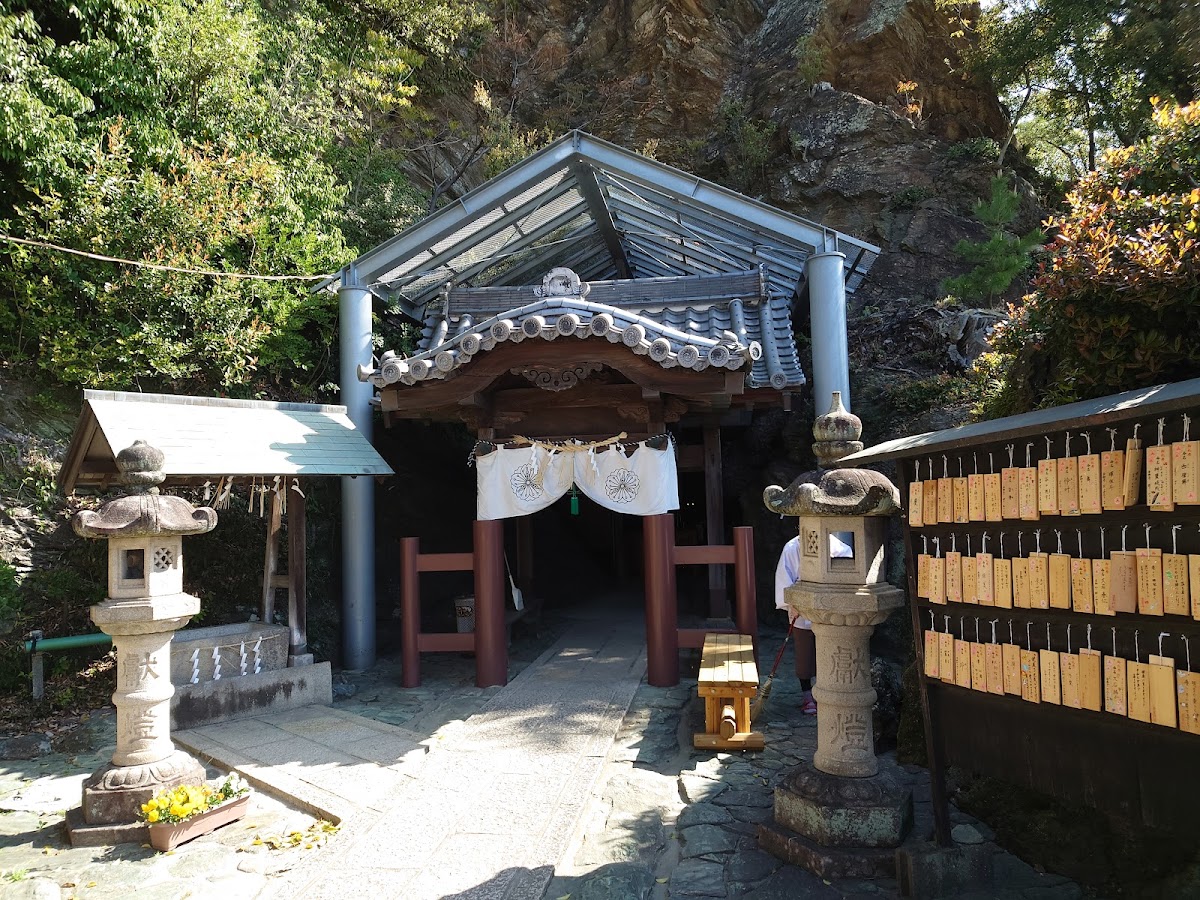
Understanding the relationship with Kamikura Shrine is essential to understanding Kumano Hayatama Taisha. Kamikura Shrine is located near the summit of Mt. Kamikura in Shingu City and is a sacred site of ancient faith, with the massive Gotobiki Rock (Ama-no-Iwatate) as its sacred object.
As the original shrine (former shrine) of Kumano Hayatama Taisha, Kamikura Shrine is considered the place where Kumano Gongen first descended. Even today, the two shrines maintain a deep connection, and the Kamikura Shrine’s annual festival, the “Otomatsuri,” is held every year on February 6th. It is known as a magnificent fire festival where men in white robes run down the stone steps carrying torches.
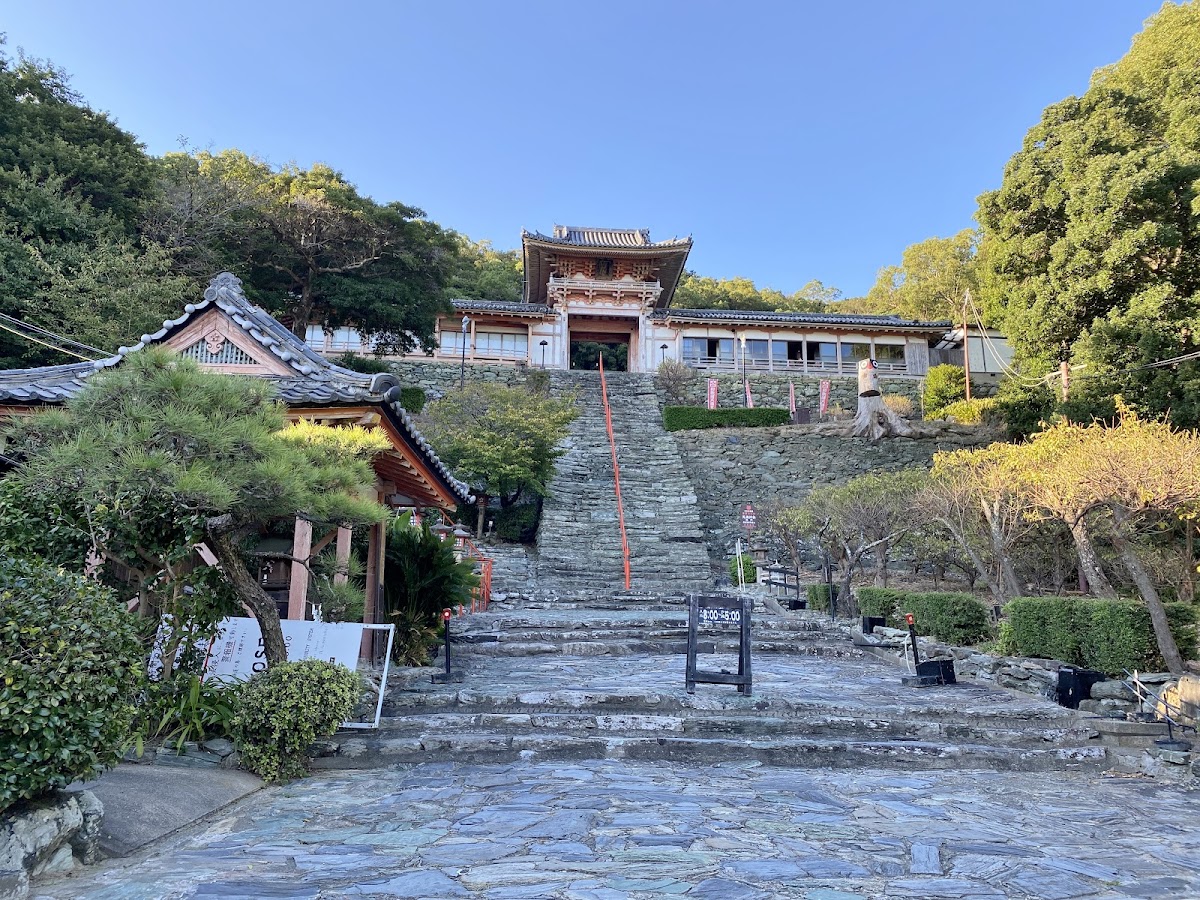
When visiting Kumano Hayatama Taisha, if time permits, it is recommended to also visit Kamikura Shrine to experience the origins of Kumano faith. However, since reaching Kamikura Shrine requires climbing steep stone steps (538 steps), it is important to visit with sufficient physical strength and time.
Etiquette for Worship, Amulets, and Goshuin (Shrine Seals)
Basic Etiquette for Worship
Worship at Kumano Hayatama Taisha Shrine follows the general etiquette for visiting shrines.
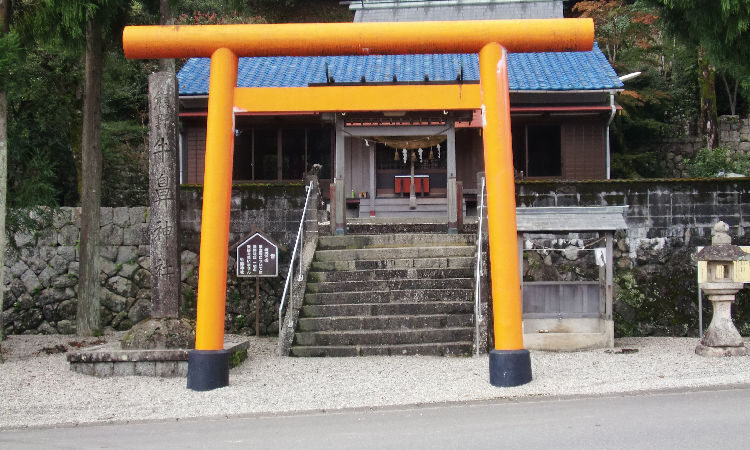
- Bow before passing through the torii gate.
- Cleanse your hands and mouth at the water basin.
- Bow twice, clap twice, and bow once in front of the main hall.
- Visit the subsidiary shrines within the grounds.
There is no specific order for visiting the three Kumano shrines, but traditionally, it is common to visit them in the order of Hongu Taisha → Hayatama Taisha → Nachi Taisha.
Amulets and Souvenirs
Kumano Hayatama Taisha Shrine offers a variety of amulets and souvenirs. Particularly popular are:
- Nagi Leaf Amulet: Blessings for matchmaking and safe travels
- Matchmaking Amulet: Particularly popular due to the enshrinement of a married couple of deities
- Health and Longevity Amulet: For healing illnesses and prayers for good health
- Kumano Goōfu: A unique amulet of Kumano faith
Goshuin (Shrine Seal)
Goshuin (shrine seals) of Kumano Hayatama Taisha Shrine are given out at the shrine office. Many visitors collect goshuin from all three Kumano shrines, and collecting all three makes for a deeper memento of your pilgrimage. It is recommended to visit during business hours (usually 8:00 AM to 5:00 PM).
Access Information | How to Get to Shingu City
Access by Train
From JR Shingu Station
- Approximately 15 minutes on foot (approx. 1.2 km)
- Approximately 5 minutes by taxi
- Immediately after alighting at “Gongenmae” bus stop on the Kumano Gobo Nankai Bus
JR Shingu Station is served by the Kisei Main Line and the Kii Main Line, making it accessible from Osaka and Nagoya.
- From Osaka: Approximately 3 hours 30 minutes by JR Limited Express Kuroshio
- From Nagoya: Approximately 3 hours 30 minutes by JR Limited Express Wide View Nanki
Access by Car
From Osaka
- Approximately 4 hours via Hanwa Expressway → Kisei Expressway → Kumano-Owase Road → National Route 42
- Nearest Interchange: Kumano-Otomari IC (Approximately 15 minutes via National Route 42)
From Nagoya
- Approximately 3 hours 30 minutes via Tomeihan Expressway → Ise Expressway → Kisei Expressway → Kumano-Owase Road
Parking
There is a free parking lot for visitors on the temple grounds (approximately 30 cars). It can get crowded during peak tourist seasons and festivals, so please consider using public transportation.
Access to the Kumano Sanzan Pilgrimage
If you plan to visit the Kumano Sanzan in one day, a car is the most efficient option.
- Kumano Hongu Taisha → Kumano Hayatama Taisha: Approximately 30 minutes by car (via National Route 168)
- Kumano Hayatama Taisha → Kumano Nachi Taisha: Approximately 20 minutes by car (via National Route 42)
If using public transportation, there are local buses such as Kumano Kotsu and Meiko Bus, but the number of services is limited, so it is important to check the timetable in advance.
Nearby Tourist Spots | Highlights of Shingu City
Kamikura Shrine
As mentioned above, this is a must-see spot as the original shrine of Kumano Hayatama Taisha. The view from Gotobiki Rock is spectacular, offering a panoramic view of Shingu city and the Kumano Sea.
Kumano River (Kumano River Boat Trip)
The Kumano River, which flows very close to Kumano Hayatama Taisha, is registered as part of the World Heritage Site “Kumano Pilgrimage Route”. It was once a route used by pilgrims traveling up the river by boat, and sightseeing boat trips are still operated today. ### Ukishima Forest
This is a rare wetland designated as a national natural monument, characterized by forests resembling islands floating in a marsh. Tropical and subtropical plants grow here, making it a valuable site from a scientific perspective.
Shingu Castle Ruins (Tankaku Castle Ruins)
These castle ruins are located on the summit of Mt. Tankaku, overlooking the city of Shingu, and are also known as a famous cherry blossom viewing spot. It’s a place where you can feel the history of the Kumano region.
Annual Events and Festivals | Festivals of Kumano Hayatama Taisha Shrine
Kumano Hayatama Taisha Shrine holds various festivals throughout the year.
Main Annual Events
- January 1st: New Year’s Day Festival
- February 6th: Otomatsuri Festival (Kamikura Shrine)
- April 13th-15th: Spring Grand Festival and Mikoshi Procession
- July 14th: Ogi-tate Festival (Fan Festival)
- October 15th-16th: Annual Grand Festival (Shingu Hayatama Festival)
- November 23rd: Niiname-sai Festival
The Annual Grand Festival in October is the most important festival of Kumano Hayatama Taisha Shrine, and traditional Shinto rituals such as the mikoshi procession and Kagura performances are held.
Kumano Hayatama Taisha Shrine and Kumano Kodo | Pilgrimage Route of a World Heritage Site
Kumano Hayatama Taisha Shrine is an important component of the World Heritage Site “Sacred Sites and Pilgrimage Routes in the Kii Mountain Range”. The Kumano Kodo is a collective term for the pilgrimage routes leading to the Kumano Sanzan (Three Grand Shrines of Kumano). The main routes include:
- Kii-ji: A route south through the Kii Peninsula from the Osaka/Kyoto area.
- Nakahechi: From Tanabe, via Kumano Hongu Taisha, to Kumano Hayatama Taisha and Nachi Taisha.
- Ohechi: A route along the coast of the Kii Peninsula.
- Kohechi: A mountain route from Koyasan to Kumano Hongu Taisha.
- Ise-ji: An eastern route from Ise Grand Shrine to Kumano Hayatama Taisha.
The Nakahechi and Ise-ji routes are particularly important for reaching Kumano Hayatama Taisha. Many pilgrims and hikers still walk the Kumano Kodo, aiming for the Kumano Sanzan.
Accommodation Information | Shingu City and Surrounding Area
Shingu City is conveniently located as a base for accommodation when visiting the Kumano Sanzan.
Accommodation in Shingu City
- Hotels: Multiple options available, from business hotels to tourist hotels.
- Ryokan (Japanese Inns): Inns where you can enjoy the nature and hot springs of Kumano.
- Minshuku (Guesthouses): Accommodations with a homey atmosphere.
Hot Spring Resorts in the Surrounding Area
- Katsuura Onsen: Hot spring resort near Nachi Taisha Shrine.
- Yunomine Onsen: One of Japan’s oldest hot springs, near Hongu Taisha Shrine.
- Kawayu Onsen: Hot spring resort along a tributary of the Kumano River.
When planning a pilgrimage to the Kumano Sanzan (Three Grand Shrines of Kumano), staying at accommodations midway between each shrine allows for efficient visits.
Basic Information & Visiting Guide
Name: Kumano Hayatama Taisha Shrine
Address: 1 Shingu, Shingu City, Wakayama Prefecture 647-0081
Phone Number: 0735-22-2533
Visiting Hours: Grounds are freely accessible (Shrine office and Treasure Hall are open from 8:00 to 17:00)
Admission Fee: Grounds are free (Kumano Treasure Hall is charged: 500 yen for adults)
Parking: Available (Free, approximately 30 spaces)
Official Website: https://kumanohayatama.jp/
World Heritage Site Registration: 2004, component of “Sacred Sites and Pilgrimage Routes in the Kii Mountain Range”
Main Deity: Kumano Hayatama-no-Okami (Izanagi-no-Mikoto), Kumano Fusumi-no-Okami (Izanami-no-Mikoto)
Former Shrine Rank: Kanpei Taisha (Grand Imperial Shrine)
Special List Shrine: Designated by the Association of Shinto Shrines
Summary | Significance of Visiting Kumano Hayatama Taisha
Kumano Hayatama Taisha, as the center of Kumano faith with a 2,000-year history, remains a spiritual haven for many. The grounds, registered as a World Heritage Site, offer numerous sights, including vibrant vermilion-painted shrine buildings, a thousand-year-old Nagi tree, and ancient sacred treasures designated as National Treasures.
Visiting it along with Kumano Hongu Taisha and Kumano Nachi Taisha, as one of the three Kumano shrines, allows for a deeper understanding of the overall picture of Kumano faith. Furthermore, learning about its relationship with the original shrine, Kamikura Shrine, and the history of the Kumano Kodo pilgrimage route will provide a spiritual experience that goes beyond mere sightseeing.
Whether you’re seeking blessings for finding love, recovery from illness, or family safety, or simply want to experience the cultural value of a World Heritage site, or seeking quiet solace, Kumano Hayatama Taisha Shrine is a sacred place that offers profound experiences tailored to each individual’s purpose.
When you visit Shingu City in Wakayama Prefecture, be sure to pay your respects at Kumano Hayatama Taisha Shrine and experience the spirituality of Kumano faith, which has resonated deeply in the hearts of the Japanese people since ancient times.