Complete Guide to Sojiji Temple | History and Visiting Information for Two Major Sacred Sites in Osaka (Ibaraki) and Yokohama (Tsurumi)
There are two famous sacred sites in Japan named Sojiji. One is a Koyasan Shingon sect temple located in Ibaraki City, Osaka Prefecture, known as the 22nd temple of the Saigoku Thirty-Three Kannon Pilgrimage. The other is Sojiji, a head temple of the Soto Zen sect located in Tsurumi Ward, Yokohama City, Kanagawa Prefecture. Both temples have long histories and unique beliefs, and are important religious sites visited by many worshippers every year.
This article comprehensively explains information useful for visiting these two Sojiji temples, including their historical background, principal images, highlights of the grounds, annual events, and access methods.
What is Sojiji? | Overview of Two Famous Temples
The temple name “Sojiji” originates from the Buddhist term “Soji.” The term “Sōji” means to preserve all merit and save all sentient beings, and has been used in particular to express the compassionate workings of Kannon Bodhisattva.
Sōji-ji Temple (Fudarakusan Sōji-ji) in Ibaraki, Osaka
Located in Ibaraki City, Osaka Prefecture, Sōji-ji Temple’s mountain name is Fudarakusan, and it belongs to the Koyasan Shingon sect. As the 22nd temple on the Saigoku Thirty-Three Kannon Pilgrimage, it has welcomed many pilgrims since ancient times. Its principal image is the Thousand-Armed Kannon, famous as “Kannon riding a turtle.”
It is said to have been founded during the Ninna era of the Heian period (885-889), and its founder was Chunagon Fujiwara no Yamakage. Fujiwara no Yamakage is also known as the founder of the art of cooking, and because he established a new style of cooking called Shijō-ryū Hōchōdō (Shijō-ryū style of cooking), the temple is also famous as a place of worship for chefs. Every year on April 18th, the traditional “Yamakage-ryu Hocho-shiki” ceremony is held, attracting many culinary professionals.
Sojiji Temple (Soto Zen Head Temple) in Tsurumi, Yokohama, Kanagawa
Sojiji Temple, located in Tsurumi Ward, Yokohama City, Kanagawa Prefecture, is one of the two major head temples of the Soto Zen sect in Japan, alongside Eiheiji Temple. Originally, it was a Zen temple founded in 1321 (Genko 1) by Keizan Jokin in Monzen-machi, Wajima City, Ishikawa Prefecture (formerly Kushihi-sho, Noto Province).
Following the loss of much of its temple buildings in Noto in a major fire in 1898 (Meiji 31), it relocated to its current location in Tsurumi Ward, Yokohama City in 1911 (Meiji 44). The temple grounds cover a vast area of approximately 500,000 square meters, and are home to magnificent temple facilities including the Buddha Hall and the Great Ancestor Hall. Furthermore, it houses everything from a kindergarten to a university within its grounds, fulfilling a vital role as an educational institution.
History and Origins of Soji-ji Temple in Ibaraki, Osaka
Origins of its Founding and Lord Fujiwara Yamakage
Soji-ji Temple in Ibaraki was founded during the Ninna era (885-889) of the Heian period by Fujiwara Yamakage, a Middle Counselor. According to legend, when Lord Yamakage’s father, Fujiwara Takafuji, was traveling in Settsu Province, he nearly drowned in the Yodo River but was saved by a turtle.
Afterward, Lord Yamakage vowed to erect a statue of the Thousand-Armed Kannon to repay his father’s kindness and to express his gratitude to the turtle. It is said that Lord Yamakage prayed for the creation of the main image of the temple for a thousand days, offering food to the sculptor daily. Because of this connection, Lord Yamakage came to be worshipped as the founder of the art of Japanese culinary arts.
The completed statue of the Thousand-Armed Kannon depicts the Kannon riding on the back of a turtle, and it continues to attract worshippers as “Kannon Riding on a Turtle.” This main image is also known as the Kannon of Child-Rearing, the Kannon of Fire Prevention, and the Kannon of Protection from Evil, and is visited by worshippers with various wishes.
History as the 22nd Temple of the Saigoku Thirty-Three Kannon Pilgrimage
Soji-ji Temple has a long history of pilgrimage as the 22nd temple of the Saigoku Thirty-Three Kannon Pilgrimage. The Saigoku Thirty-Three Kannon Pilgrimage is considered the oldest pilgrimage route in Japan, and is said to have been opened by Tokudo Shonin during the Nara period.
From the Edo period onward, as the Saigoku pilgrimage spread among the common people, many pilgrims also began to visit Soji-ji Temple. Even today, it remains a pilgrimage site, and visitors can receive a Goshuin (temple stamp) at the temple office, making it popular not only with pilgrims but also with general visitors.
History and Relocation of Yokohama/Tsurumi Sojiji Temple
Sojiji Temple in Noto
Sojiji Temple, the head temple of the Soto Zen sect, was originally located in Monzen-machi, Wajima City, Ishikawa Prefecture. In 1321 (Genko 1), Keizan Jokin, the fourth patriarch of the Soto Zen sect, converted Shogakuji Temple, which had previously been a Shingon Buddhist temple, into a Soto Zen temple and renamed it Sojiji Temple.
Keizan Zenji inherited the teachings of Dogen Zenji and was a highly respected monk who greatly contributed to the development of the Soto Zen sect. Along with Eiheiji Temple, Sojiji Temple, as a central temple of the Soto Zen sect, nurtured many monks in the Noto region for approximately 580 years.
The Great Fire of the Meiji Era and the Relocation to Yokohama
On April 13, 1898 (Meiji 31), Sojiji Temple in Noto was struck by a great fire, losing almost all of its buildings except for the main gate and the sutra repository. This disaster prompted the decision to relocate to Yokohama, a city with convenient transportation and rapid modernization.
In 1911 (Meiji 44), the relocation was completed at its current location in Tsurumi Ward, Yokohama City, and it restarted as a new head temple. The former Sojiji Temple in Noto still exists today as “Sojiji Soin” and is maintained as an important temple of the Soto Zen sect.
After the relocation to Yokohama, Sojiji Temple developed into a central temple of the Soto Zen sect in the Tokyo metropolitan area, and many temple buildings were constructed within its vast grounds. Today, it is one of Yokohama’s representative temples, attracting many worshippers and tourists throughout the year.
The Principal Image and Other Deities of Ibaraki Soji-ji Temple
Thousand-Armed Kannon Bodhisattva (Principal Image)
The principal image of Ibaraki Soji-ji Temple is the Thousand-Armed Kannon Bodhisattva. As mentioned earlier, this Kannon is depicted riding on the back of a turtle and is affectionately known as “Kamejō Kannon” (Turtle-Riding Kannon). The Thousand-Armed Kannon is literally said to have a thousand arms, each holding various ritual implements, and is believed to possess the power to save all sentient beings.
The Thousand-Armed Kannon at Soji-ji Temple is particularly revered as a Kannon for child-rearing, fire prevention, and protection against misfortune. Many parents praying for the healthy growth of their children and people praying for protection from disaster visit the temple.
Other Deities and Gods
In addition to the principal image, the Thousand-Armed Kannon, many other Buddhas and gods are enshrined at Soji-ji Temple.
- Yakushi Nyorai: Attracts the faith of people praying for healing from illness and longevity.
- Jizo Bodhisattva: Known as the guardian deity of children, memorial services for stillborn babies are also held here.
- Fudo Myoo: Worshipped as a deity who cuts off worldly desires and wards off disasters.
- Kobo Daishi (Kukai): Enshrined as the founder of the Shingon sect.
- Inari Daimyojin: Worshipped as the god of business prosperity and abundant harvests.
- Nyorai Kojin: Attracts the faith of cooks as the god of the kitchen.
Because all these Buddhas and deities are enshrined together, Sojiji Temple is described as “a temple of Buddhas that holds all of everyone’s wishes.”
Main Buildings of Tsurumi Sojiji Temple
Sanmon (Mountain Gate)
The Sanmon, the main entrance to Sojiji Temple, is a symbolic building of Zen Buddhist temples. Passing through this gate is said to be a stepping stone from the secular world into the world of Buddhism.
Buddha Hall
The Buddha Hall, which houses the principal image of Shakyamuni Buddha, is the central building of Sojiji Temple. Important Buddhist ceremonies, such as the morning service, are held here.
Great Ancestor Hall
The Great Ancestor Hall, which enshrines the successive founders of the Soto Zen sect, is the largest building at Sojiji Temple. It houses the memorial tablets of successive high-ranking priests, including Zen Master Dogen and Zen Master Keizan.
Sanshokaku
This facility is used as a resting place for visitors and a venue for Dharma talks. It also has an exhibition space where you can learn about the history and treasures of Sojiji Temple.
Koshakudai
This is the kitchen where meals for the monks are prepared. In Zen Buddhism, meal preparation is considered an important part of spiritual training, and is the responsibility of a monk holding the position of “Tenzo” (head cook).
Yamakage-ryu Knife Ceremony | Temple Dedicated to the God of Cooking
Fujiwara Yamakage and the Way of the Knife
Fujiwara Yamakage, the founder of Ibaraki Soji-ji Temple, was a Heian period aristocrat and is known for establishing the foundations of Japanese cuisine. Lord Yamakage established the Shijo-ryu Knife Ceremony, systematizing the fundamentals of knife use, ingredient handling, and the aesthetics of presentation in Japanese cuisine.
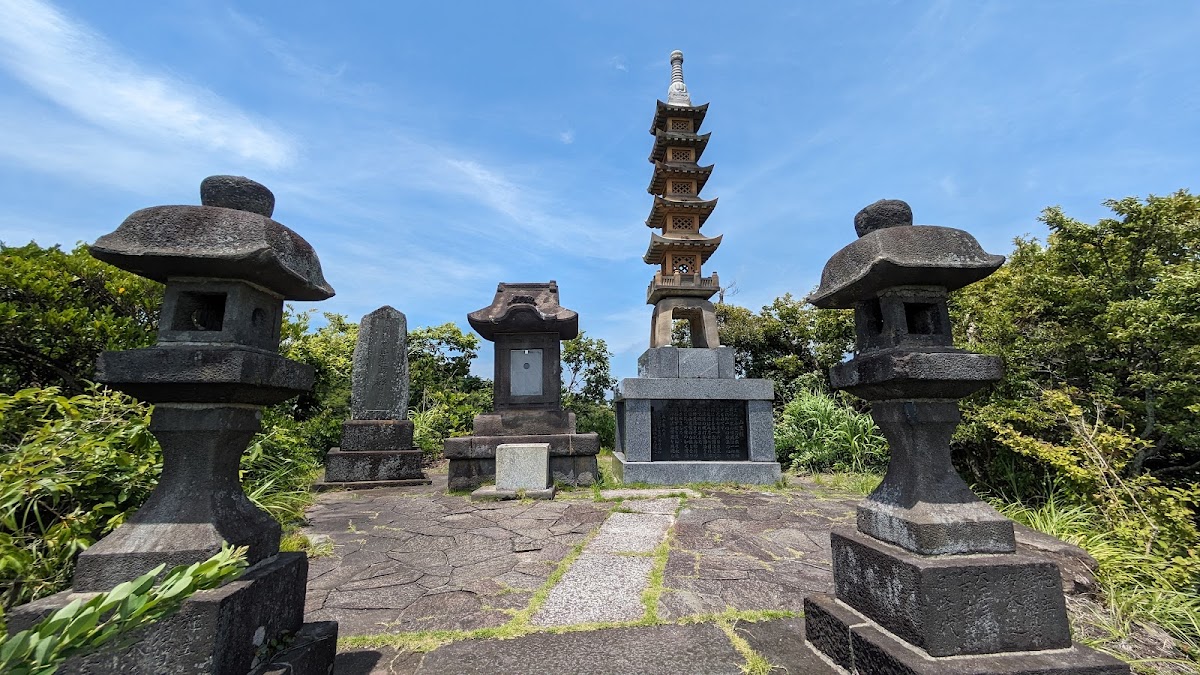
Due to these achievements, Lord Yamakage is revered as the “founder of the way of the knife” and the “god of cooking,” and chefs and cooks from all over Japan visit Soji-ji Temple to pay their respects. A monument to Lord Yamakage, dedicated to him, has also been erected on the temple grounds.
The Yamakage-ryu Knife Ceremony Held Annually on April 18th
Every year on April 18th, Sojiji Temple holds the traditional “Yamakage-ryu Knife Ceremony.” This is an important event that preserves the tradition of Japanese cuisine that has continued since the Heian period.
During the ceremony, chefs, dressed in eboshi (a type of hat) and kariginu (a type of robe), demonstrate how to prepare food using only a knife and manabashi (a type of chopstick), without touching the ingredients on the cutting board with their hands. The elegant movements as they prepare fish such as carp and sea bream are truly a work of art.
Culinary professionals from all over Japan gather for this event to pray for the improvement of culinary techniques and the continuation of food culture. General visitors are also welcome to observe, offering a valuable opportunity to experience firsthand the tradition and formality of Japanese cuisine.
Annual Events and Festivals
Main Annual Events at Ibaraki Sojiji Temple
- January 1st-3rd: Shusho-e (New Year’s Buddhist service)
- February 3rd: Setsubun-e (Bean-throwing festival)
- April 18th: Yamakage-ryu Hocho-shiki (Court Ceremony)
- August 9th: Sennichi-mairi (A ceremony believed to bring 46,000 days of merit)
- 18th of every month: Kannon-en-nichi (Kannon Festival)
Main Annual Events at Tsurumi Sojiji Temple
- January 1st-3rd: Shusho-e (New Year’s Buddhist service)
- February 15th: Nirvana Ceremony (A Buddhist service commemorating the passing of Shakyamuni Buddha)
- April 8th: Kotan-e (Flower Festival, celebrating the birth of Shakyamuni Buddha)
- Spring and Autumn: Special Zen Meditation Sessions (Open to the public)
- November: Memorial service for Zen Master Keizan (anniversary of his death)
Both temples hold various other memorial services and events throughout the year besides these. Checking their official websites or calling before your visit will allow for a more fulfilling experience.
Access Information
Access to Ibaraki Sojiji Temple
Address: 1-6-1 Sojiji, Ibaraki City, Osaka Prefecture
Access by Train:
- Approximately 5 minutes on foot from Sojiji Station on the Hankyu Kyoto Line
- Approximately 5 minutes on foot from JR Sojiji Station on the JR Tokaido Line
Access by Car:
- Approximately 10 minutes from Ibaraki IC on the Meishin Expressway
- Accessible from National Route 171
Parking: Parking available for visitors (free, limited number of spaces)
Visiting Hours: 6:00-17:00
Temple Office Reception Hours: 8:00-17:00
Holidays: None
Phone: 072-622-3209
Access to Tsurumi Sojiji Temple
Address: 2-1-1 Tsurumi, Tsurumi-ku, Yokohama City, Kanagawa Prefecture
Access by Train:
- Approximately 5 minutes on foot from the West Exit of Tsurumi Station on the JR Keihin-Tohoku Line
- Approximately 7 minutes on foot from Keikyu Tsurumi Station on the Keikyu Main Line
Access by Car:
- Approximately 5 minutes from the Namamugi IC on the Shuto Expressway Kanagawa Route 1 Yokohane Line
- Approximately 8 minutes from the Shioiri IC on the Shuto Expressway Kanagawa Route 5 Daikoku Line
Parking: Parking available for visitors (may be charged)
Visiting Hours: Grounds are freely accessible (time restrictions apply inside buildings)
Telephone: 045-581-6021
Points and Manners for Visiting
Guidelines for Visiting Ibaraki Sojiji Temple
If visiting as part of the Saigoku Thirty-Three Kannon Pilgrimage, it is recommended to bring a pilgrimage notebook or stamp book. You can receive a stamp at the pilgrimage office. Furthermore, quietly join your hands in prayer at the main hall and offer your wishes to the Thousand-Armed Kannon.
For those involved in the culinary field, we recommend visiting the knife mound to pray for improvement in culinary skills and food safety.
Guidelines for Visiting Tsurumi Sojiji Temple
Due to its nature as a major Zen Buddhist temple, quiet worship is expected within the grounds. Since this is a place where monks practice daily, please refrain from loud conversations and photography.
Regular programs open to the public, such as Zen meditation sessions and sutra copying sessions, are held; inquiring in advance and participating would be a valuable experience.
Nearby Attractions
Around Ibaraki Sojiji Temple
- Ibaraki City Cultural Properties Museum: A facility where you can learn about the history and culture of Ibaraki City
- Ibaraki Shrine: An ancient shrine within walking distance of Sojiji Temple
- Central Library: A cultural facility of Ibaraki City
Around Tsurumi Sojiji Temple
- Tsurumi Shrine: A shrine known as the guardian shrine of Tsurumi
- Mitsuiike Park: A prefectural park famous for its cherry blossoms
- Yokohama City Museum of History: A facility where you can learn about the history of Yokohama
Summary
There are temples named Sojiji Temple in Ibaraki City, Osaka Prefecture, and Tsurumi Ward, Yokohama City, Kanagawa Prefecture, and both temples occupy an important position in Japanese religious culture.
Ibaraki Sojiji Temple is a famous temple of the Koyasan Shingon sect with a history of over a thousand years, serving as the 22nd temple of the Saigoku Thirty-Three Kannon Pilgrimage and as a temple that enshrines the god of cooking. Since its founding in the Heian period, the temple has upheld the tradition of faith in the Thousand-Armed Kannon and the culinary arts of Fujiwara no Yamakage. The Yamakage-ryu Ceremony, held annually on April 18th, is a cherished event that preserves the traditions of Japanese cuisine.
Meanwhile, Soji-ji Temple in Tsurumi, along with Eihei-ji Temple, is one of the two major head temples of the Soto Zen sect, serving as a training ground for Zen. Having relocated from Noto to Yokohama, it now serves as a center of Zen in the Tokyo metropolitan area, training many monks and spreading Zen teachings to general visitors.
Both Soji-ji temples, while belonging to different sects and with distinct histories, continue to be places of solace for many, as their name “Soji” suggests, accepting the wishes of all people and extending a helping hand.
When visiting Osaka, why not visit Sojiji Temple in Ibaraki to pay your respects to Kannon and the god of cooking? When visiting Yokohama, why not experience the spirit of Zen at Sojiji Temple in Tsurumi? The unique charm and history of each temple are sure to provide a memorable pilgrimage experience.