Complete Guide to Ichijoji Temple: History and Highlights of the National Treasure Three-Storied Pagoda and the 26th Temple of the Saigoku Thirty-Three Kannon Pilgrimage
About Ichijoji Temple
Ichijoji Temple is an ancient Tendai sect temple located in Sakamoto-cho, Kasai City, Hyogo Prefecture. Its mountain name is Hokke-san, and its principal image is the Holy Kannon Bodhisattva. As the 26th temple of the Saigoku Thirty-Three Kannon Pilgrimage, it attracts many pilgrims from all over Japan.
The three-storied pagoda, designated a National Treasure, is a masterpiece of Japanese-style architecture representing the late Heian period and is known as one of Japan’s most famous ancient pagodas. The temple grounds are also renowned for their cherry blossoms in spring and autumn foliage, and as the temple’s hymn says, “In spring, flowers; in summer, mandarin oranges; in autumn, chrysanthemums; always the wondrous Mount Hokke,” it is a sacred site where you can enjoy the beauty of each season.
History of Ichijoji Temple
Founding and the Legend of Hodo Sennin
Ichijoji Temple is said to have been founded in the first year of the Hakuchi era (650 AD). It was founded by Hodo Sennin and established as an imperial temple by Emperor Kotoku.
Hodo Sennin is a legendary figure said to have flown from Tenjiku (India) on a purple cloud. He is said to have found a sacred mountain in Harima Province whose valleys and peaks resembled the shape of an eight-petaled lotus flower, landed there, and named it Hokke-san, thus establishing a sacred site. Hokke-san has been likened to an eight-petaled lotus flower since ancient times and has attracted worshippers as a pure sanctuary far removed from the dust of the capital.
The Legend of the Flying Bowl
A famous legend associated with Hodo Sennin is the “Legend of the Flying Bowl.” The hermit used the art of the flying bowl—that is, the supernatural power to make the bowl fly—to request offerings to the principal image, the Holy Kannon Bodhisattva.
One day, when Fujii Maro, a shipwright from Dazaifu, refused to accept a donation of rice, claiming it was a tax to the imperial court, the rice bales in his ship flew towards Mount Hokke like birds. The astonished shipwright begged for forgiveness, and the hermit returned the rest, leaving only one bowl of rice for himself.
Development from the Medieval Period Onward
During the medieval period, a powerful Ritsu temple of the Shingon sect was also located within the mountain. It served as a base for missionary activities in Harima Province by Eizon (Kōshō Bosatsu), the founder of the Shingon Ritsu sect, and was also the place where Bunkanbō Kōshin, a Shingon monk from the Ritsu sect and a close confidant of Emperor Go-Daigo, entered the Buddhist priesthood.
In 1171, during the late Heian period, the three-story pagoda, now designated a National Treasure, was constructed. This pagoda occupies an extremely important position in architectural history as one of Japan’s representative ancient pagodas.
Highlights of the Temple Grounds
National Treasure: Three-Storied Pagoda
The greatest highlight of Ichijoji Temple is the three-storied pagoda, built in 1171. It is a representative example of late Heian period Japanese-style architecture and is designated a National Treasure as one of Japan’s oldest pagodas.
The roof is constructed to become smaller as it rises, giving it a stable and elegant appearance. The sight of this three-storied pagoda appearing before you after navigating the winding mountain path and climbing the long stone steps is breathtaking and captivates many visitors.
The details of the pagoda embody the pinnacle of Heian period architectural techniques, making it an extremely important cultural property in architectural history research as a perfect example of Japanese-style architecture.
Main Hall (Daihikaku)
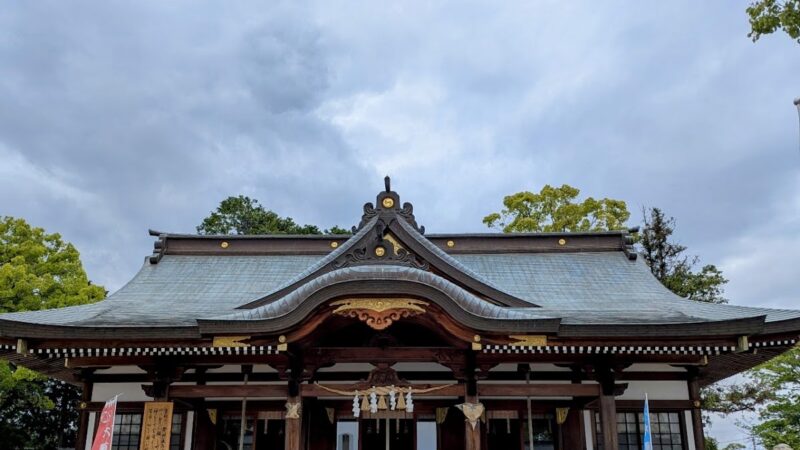
The main hall is an important cultural property with a stage-like structure and is also called Daihikaku. It houses the principal image, the Holy Kannon Bodhisattva, and pilgrims on the Saigoku Thirty-Three Kannon Pilgrimage can receive a Goshuin (temple stamp) at the main hall.
The view from the main hall is magnificent, offering a panoramic view of the temple grounds harmoniously integrated with the natural beauty of Mount Hokke.
Jogyo-do Hall
Walking past the stone stupa and ascending the stone steps, you will reach the Jogyo-do Hall. Beyond this, another set of stone steps leads to the National Treasure, the three-story pagoda.
Kaisan-do Hall
The Kaisan-do Hall, dedicated to the temple’s founder, the hermit Hodo, is another important structure within the temple grounds. Devotion to Hodo remains strong, attracting many worshippers.
Honbo (Main Hall)
The Honbo (Main Hall) handles temple operations and provides guidance to visitors. Special viewings and detailed tours are possible with prior notice.
Cultural Properties
In addition to the National Treasure, the three-story pagoda, Ichijo-ji Temple houses numerous other valuable cultural properties.
National Treasure
- Three-Storied Pagoda: As mentioned above, this is a representative example of late Heian period Japanese-style architecture, built in 1171.
- Ten Portraits of Prince Shotoku and Tendai High Priests: Important paintings in the history of Buddhist art.
Important Cultural Property
- Main Hall (Daihikaku): A building with a stage-like structure.
- Numerous other items, including Buddhist statues, scriptures, and crafts.
These cultural properties tell the story of the religious and cultural role that Ichijoji Temple has played throughout its long history.
Seasonal Highlights
Spring: Famous Cherry Blossom Spot
In spring, the temple grounds are adorned with cherry blossoms, creating a magnificent landscape with the contrast between the National Treasure Three-Storied Pagoda and the blossoms. As the temple’s hymn says, “Spring is the season of flowers,” it has been known as a famous cherry blossom spot since ancient times.
Summer: Fresh Greenery and Mandarin Oranges
Summer is the season of beautiful fresh greenery and the refreshing air of the mandarin orange season. Combined with the cool mountain air, you can enjoy a peaceful time away from the hustle and bustle of the city.
Autumn: Spectacular Autumn Foliage
During the autumn foliage season, the temple grounds are dyed in red and yellow, and the ancient temple nestled in the mountains is bustling with many tourists. The sight of the three-story pagoda adorned with autumn leaves is a must-see. It is even expressed in the temple’s hymn, “Autumn is Chrysanthemum.”
Winter: Silent Temple Grounds
Winter is a season when there are fewer visitors, allowing for a peaceful and tranquil visit to the temple grounds. The snow-covered three-story pagoda is also quite picturesque.
Saigoku Thirty-Three Kannon Pilgrimage
As the 26th Temple
Ichijoji Temple is the 26th temple on the Saigoku Thirty-Three Kannon Pilgrimage, an important sacred site on the pilgrimage route. The Saigoku Thirty-Three Kannon Pilgrimage is considered the oldest pilgrimage route in Japan, a pilgrimage based on faith in Kannon Bodhisattva.
Waka Poem
“In spring, flowers bloom; in summer, mandarin oranges; in autumn, chrysanthemums; always, the exquisite Dharma preached on Mount Hokke.”
This waka poem expresses the beauty of Mount Hokke throughout the four seasons and its status as a sacred site where the precious Buddhist teachings are always expounded.
Preceding and Following Temples
- Temple No. 25: Banshu Shimizu-dera (Kato City, Hyogo Prefecture)
- Temple No. 26: Ichijo-ji (Kasai City, Hyogo Prefecture)
- Temple No. 27: Enkyo-ji (Himeji City, Hyogo Prefecture)
The Saigoku Thirty-Three Kannon Pilgrimage involves visiting three famous temples in the Harima region in order.
Access Information
Location
406 Sakamoto-cho, Kasai City, Hyogo Prefecture
Ichijo-ji is about a 15-minute drive from downtown Kasai, after navigating winding mountain roads.
Access by Public Transportation
By JR
- From Himeji Station:
- Approximately 30 minutes by Shinki Bus from JR Himeji Station, get off at “Ichijoji” bus stop, then approximately 15 minutes on foot.
- Approximately 30 minutes by taxi.
- From Hoden Station:
- Approximately 15 minutes by taxi from JR Hoden Station.
- Shinki Bus is also available (however, limited service, advance confirmation recommended).
Access by Car
- Approximately 10 minutes from Kasai IC on the Chugoku Expressway
- Approximately 20 minutes from Kakogawa Kita IC on the Sanyo Expressway
Parking is available near the temple grounds (free). However, it can become full during peak seasons such as autumn foliage season, so early arrival is recommended.
Access Information
- The mountain road is winding and narrow in places, so please drive carefully.
- Public bus service is limited, so it is recommended to check the timetable in advance.
- If using a taxi, it is advisable to arrange your return trip in advance.
Visiting Information
Visiting Hours
- Regular Season: 8:00 AM – 5:00 PM
- Varies by Season (Advance confirmation recommended)
Admission Fee
- Adults: 500 yen
- Junior and Senior High School Students: 300 yen
- Elementary School Students: 200 yen
A separate fee is required for the Saigoku Thirty-Three Kannon Pilgrimage.
Estimated Time Required for Visiting
If you wish to visit the temple grounds at a leisurely pace, allow approximately 1 to 1.5 hours. It is recommended to allocate sufficient time to carefully appreciate cultural assets, including the National Treasure Three-Storied Pagoda, and enjoy the changing seasons.
Etiquette for Visiting a Shrine
- The shrine grounds are a sacred place. Let’s pray quietly.
- Photography is permitted, but there are areas where photography is prohibited, such as inside the main hall.
- Please refrain from touching cultural properties such as the three-story pagoda.
- Please take your trash with you.
Nearby Tourist Attractions
Temples and Shrines in the Harima Region
- Banshu Shimizu-dera Temple (No. 25): Approximately 20 minutes by car
- Engyo-ji Temple (No. 27): Approximately 30 minutes by car, a large Tendai sect temple located on Mt. Shosha.
- Seiganto-ji Temple: No. 1 of the Saigoku Thirty-Three Kannon Pilgrimage (Wakayama Prefecture)
- Kimii-dera Temple: No. 2 (Wakayama Prefecture)
- Kokawa-dera Temple: No. 3 (Wakayama Prefecture)
- Shifuku-ji Temple: No. 4 (Osaka Prefecture)
Sightseeing in Kasai City
- Gohyaku Rakan: A famous spot with rows of stone Buddha statues
- Tamaoka Kofun: A representative keyhole-shaped burial mound of Hyogo Prefecture
- Hyogo Prefectural Flower Center: A botanical garden where you can enjoy flowers of all seasons
Special Experiences at Ichijoji Temple
Saigoku Thirty-Three Kannon Pilgrimage
The most meaningful way to visit Ichijoji Temple is as part of the Saigoku Thirty-Three Kannon Pilgrimage. Through receiving temple stamps and offering sutras, you can experience the history of this pilgrimage, which has continued for over 1300 years.
Sutra Copying and Buddha Image Copying Experience
With prior reservation, you may be able to experience sutra copying and Buddha image copying. The time spent calmly taking up a brush in the tranquil temple grounds will be a valuable experience for modern people. Please contact the main temple for details.
Seasonal Events
Ichijoji Temple holds various Buddhist services and events throughout the year. You can enjoy a particularly special atmosphere during the cherry blossom season in spring and the autumn foliage season.
Summary of Ichijoji Temple’s Charms
The charm of Ichijoji Temple lies in the harmonious blend of its precious cultural assets, including the National Treasure three-story pagoda, its history of over 1300 years steeped in the legend of the hermit Hodo, and the beauty of nature throughout the seasons.
As the 26th temple on the Saigoku Thirty-Three Kannon Pilgrimage, it is a sacred site visited by many pilgrims, yet its tranquil mountain setting offers peace of mind far removed from the hustle and bustle of the city. The temple grounds, reached after traversing winding mountain paths, are truly a space worthy of the description “a sacred sanctuary beyond the dust of the city.”
The three-story pagoda, which conveys the architectural beauty of the late Heian period, the main hall built in the style of a stage, and the founder’s hall, among other historical buildings, harmonize with nature, making it a place where you can experience the essence of traditional Japanese culture.
Preparations and Precautions Before Visiting
Things to Check Beforehand
- Visiting Hours: These may change depending on the season and events, so please check official information in advance.
- Access: If using public transportation, be sure to check the bus timetable.
- Weather: As it is a mountainous area, be aware that the weather can change quickly.
- Clothing: Since you will need to climb stone steps, please wear comfortable shoes.
List of Items to Bring
- Pilgrimage book (for those on the Saigoku Thirty-Three Kannon Pilgrimage)
- Admission fee
- Comfortable walking shoes
- Drinks (especially in summer)
- Camera (please follow the rules for photographing cultural properties)
- Rain gear (mountain weather is unpredictable)
Ichijoji Temple and the Tendai Sect
Ichijoji Temple is a Tendai sect temple that transmits the teachings of the Tendai sect, with Enryaku-ji Temple on Mount Hiei as its head temple. The Tendai sect, founded by Saichō (Dengyō Daishi), is one of the representative sects of Japanese Buddhism, and its fundamental scripture is the Lotus Sutra.
The temple’s mountain name, Hokke-zan, also originates from the Lotus Sutra and represents the core of Ichijō-ji Temple’s faith. The temple name “Ichijō” itself expresses the concept of “Ichijō Myōhō” (the wondrous law of the One Vehicle) from the Lotus Sutra.
Annual Events at Ichijō-ji Temple
Ichijō-ji Temple holds various religious services and events throughout the year. Major events include:
- First three days of the New Year: Hatsumode (first shrine visit of the year)
- Spring: Hana Matsuri (Flower Festival), Special Spring Viewing
- Autumn: Special Autumn Viewing, Autumn Leaves Illumination (depending on the year)
- Other: Monthly religious services, etc.
Specific dates and content vary from year to year, so it is recommended to check the latest information before visiting.
Summary: A Trip to Ichijoji Temple
Ichijoji Temple in Kasai City, Hyogo Prefecture, is the 26th temple on the Saigoku Thirty-Three Kannon Pilgrimage, boasting a National Treasure three-story pagoda. It is a representative sacred site of Japan where history, culture, and nature harmonize.
With a history of over 1300 years since its founding by the hermit Hodo, the three-story pagoda, which conveys the architectural beauty of the late Heian period, is a treasure of Japanese architectural history. The temple grounds, which display different expressions in each season—cherry blossoms in spring, fresh greenery in summer, autumn leaves in fall, and tranquility in winter—provide deep emotional experiences for visitors.
As part of the Saigoku Thirty-Three Kannon Pilgrimage, or simply for cultural appreciation or nature walks, a visit to Ichijoji Temple will be a memorable experience. Why not immerse yourself in traditional Japanese culture and the spirit of Buddhism in the tranquil temple grounds reached by winding mountain paths?
As the temple’s hymn says, “In spring, flowers bloom; in summer, mandarins; in autumn, chrysanthemums; Ichijoji Temple is always a place where the wondrous teachings of Buddhism and beautiful nature welcome visitors at any time of year. Please take your time to visit and fully appreciate the charm of this sacred site.