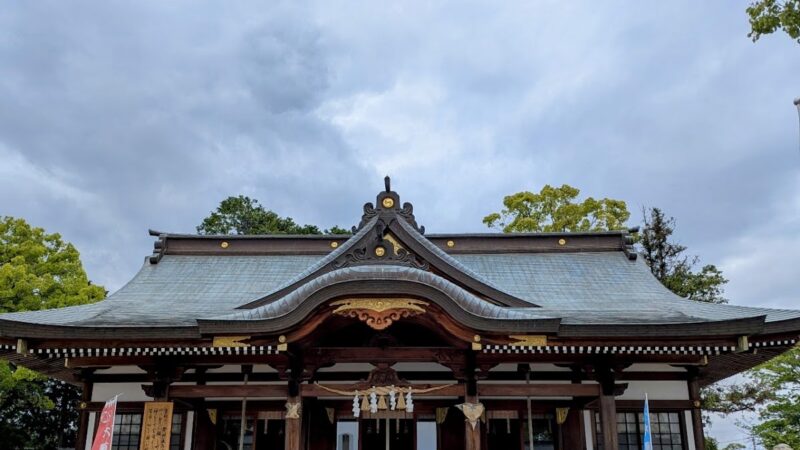
Complete Guide to Oishi Shrine | History, Highlights, and Access Information for the Sacred Site Associated with the Forty-Seven Ronin of Ako
What is Oishi Shrine?
Oishi Shrine is a shrine located in Ako City, Hyogo Prefecture, dedicated to the Forty-Seven Ronin of Ako. It enshrines the loyal samurai, led by Oishi Kuranosuke Yoshio, known for the Genroku Ako Incident (Chushingura), and attracts many worshippers as a symbol of loyalty and sincerity.
Located in a corner of the Ako Castle ruins, it is a popular historical site for history buffs and tourists, conveying the history and culture of Ako to the present day. The shrine grounds offer many attractions, including a treasure hall displaying items related to the samurai and a hall housing wooden statues of the 47 ronin.
History of Oishi Shrine
Founding History
Oishi Shrine was founded during the Meiji era. Approximately 160 years after the Ako Incident of 1702, in 1900 (Meiji 33), this shrine was founded by local volunteers to commemorate the Ako Forty-Seven Ronin.
During the Edo period, openly enshrining the ronin was discouraged due to considerations for the shogunate. However, after the Meiji Restoration, their spirit of loyalty was re-evaluated, and the creation of a shrine dedicated to the ronin became a reality. Initially, it started as “Oishi Shrine,” enshrining only Oishi Kuranosuke, but later it came to enshrine all 47 ronin.
Development in the Showa Era
In 1928 (Showa 3), it was recognized as a shrine equivalent to a Gokoku Shrine designated by the Minister of Home Affairs, thus improving its status. In 1971 (Showa 46), the Gishi Treasure Hall, exhibiting the ronin’s relics and related materials, opened, further enhancing its functions as a tourist and educational facility.
Currently, this shrine is a representative tourist attraction of Ako, attracting many visitors throughout the year.
About the Deities Enshrined
Oishi Kuranosuke Yoshitaka
The main deity enshrined here is Oishi Kuranosuke Yoshitaka. He served as the chief retainer of the Ako domain and was the leader of the 47 loyal retainers who carried out the raid on Kira’s mansion to avenge the death of their lord, Asano Takumi-no-kami Naganori.
Known as a warrior possessing both wisdom and courage, his meticulous planning and strong will in achieving revenge have made him an ideal figure of the Japanese samurai, a story passed down through generations.
The 47 Loyal Retainers of Ako
Along with Oishi Kuranosuke, all 46 loyal retainers are enshrined here. The ages of the loyal retainers varied widely, from the oldest, Horibe Yahei (77 years old), to the youngest, Oishi Chikara (16 years old), and their social statuses also differed, from high-ranking samurai to foot soldiers. However, they were united by a single ideal: loyalty to their lord.
The shrine conveys the spirit of loyalty, sincerity, and unity of these loyal retainers to the present day, serving as a spiritual anchor for worshippers.
Asano Takumi-no-kami Naganori and Yozen-in
Furthermore, Asano Takumi-no-kami Naganori, the lord of the Ako Domain, and his wife, Yozen-in, are also enshrined here. Asano Naganori was the man who attacked Kira Yoshinaka in the Matsu-no-Ooroka corridor of Edo Castle and subsequently committed seppuku (ritual suicide). He was the lord to whom the loyal retainers swore revenge.
Yozen-in is known as the woman who continued to provide spiritual support to the loyal retainers after her husband’s death.
Highlights of the Shrine Grounds
Main Hall and Worship Hall
The main hall of Oishi Shrine is a magnificent building constructed in the traditional style of Shinto shrine architecture. At the worship hall, you can pay your respects while remembering the virtues of the loyal retainers. A large shimenawa (sacred rope) hangs in front of the worship hall, creating a solemn atmosphere.
When praying, show your respect to the loyal retainers by following the ritual of two bows, two claps, and one bow.
Hall of the Loyal Retainers’ Wooden Statues
One of the most popular spots on the shrine grounds is the Hall of the Loyal Retainers’ Wooden Statues. Here, life-size wooden statues of all 47 retainers are enshrined, allowing you to see each individual’s expression and figure up close.
Each statue is inscribed with the name and age of the loyal retainer, allowing you to reflect on their character. Their valiant figures, clad in their raid attire, deeply move those who see them.
Gishi Treasure Hall and Gishi Historical Museum
The Gishi Treasure Hall displays numerous valuable historical materials, including weapons, letters, and personal belongings actually used by the loyal retainers. Seeing the ladders and drums used during the raid, as well as the retainers’ letters, allows visitors to truly feel the weight of history.
The Gishi Historical Museum features exhibits that explain the details of the Ako Incident, allowing visitors to deeply understand the background of the incident and the feelings of the loyal retainers. It offers a rich and engaging experience for a wide range of visitors, from history novices to experts.
Oishi Residence Nagaya Gate
Within the temple grounds, a nagaya gate (long gatehouse) relocated from the residence of Oishi Kuranosuke is preserved. This valuable structure conveys the atmosphere of an Edo-period samurai residence and provides clues to the lifestyle of the time.
The gate’s imposing construction reflects the high status of the Oishi family, who held the position of chief retainer.
Oishi Kuranosuke Bronze Statue
Near the entrance to the temple grounds stands a bronze statue of Oishi Kuranosuke. The dignified expression and gaze gazing into the distance express the spirit of a samurai who remained loyal to his lord.
It’s a popular spot for commemorative photos, and many visitors take pictures in front of this bronze statue.
Nature in Every Season
The grounds of Oishi Shrine are also attractive for their natural beauty throughout the seasons. In spring, cherry blossoms bloom in profusion, and in autumn, the autumn leaves color the grounds. Especially during cherry blossom season, the cherry trees known as “Gishi-zakura” are in full bloom, attracting many visitors for cherry blossom viewing.
Visiting the shrine while feeling the changing seasons in the tranquil atmosphere of the grounds is a unique way to enjoy Oishi Shrine.
Goshuin, Amulets, and Other Items
Goshuin
In addition to regular goshuin (shrine stamps), Oishi Shrine also offers seasonal and special-day goshuin. The goshuin feature the calligraphy of “Oishi Shrine” and the shrine’s seal, characterized by a powerful brushstroke befitting a shrine associated with the loyal retainers. The shrine also sells Goshuincho (stamp books) with designs featuring the loyal retainers, making them popular souvenirs for visitors.
Amulets and Souvenirs
Oishi Shrine offers various types of amulets, including the “Sincerity Amulet” (representing the loyalty of the loyal retainers), as well as amulets for academic success, family safety, and good fortune. The “Great Wish Fulfillment Amulet” is particularly popular among those hoping to achieve their goals, as it commemorates the loyal retainers overcoming difficulties to achieve their objectives.
Ema (votive tablets) featuring the loyal retainers and “Purifying Salt” made from salt, a specialty product of Ako, are also available.
Annual Events and Festivals
Gishi Festival (December 14th)
The most important festival at Oishi Shrine is the Gishi Festival, held annually on December 14th. This day marks the anniversary of the loyal retainers’ raid on Kira’s mansion, attracting many worshippers from all over Japan.
During the festival, a procession of the loyal retainers parades through the streets of Akō, recreating the events of that time. The procession, with participants clad in armor and the attire of the retainers, is a spectacular sight and is known as Akō’s largest event.
A solemn ceremony is held at the shrine to commemorate the virtues of the loyal retainers.
Annual Grand Festival (Spring & Autumn)
The annual grand festival is held in spring (April) and autumn (October), featuring the dedication of Kagura (sacred dance) and Shinto rituals. For the local people, it is an important festival that marks the changing of the seasons.
New Year’s Visit
At the start of the new year, many visitors come to pray for safety and the achievement of their goals throughout the year. The shrine is bustling with people renewing their New Year’s resolutions, drawing inspiration from the loyal retainers’ sincere spirit.
Access to Oishi Shrine
Access by Train
From JR Ako Line “Banshu-Ako Station”
- Walking: Approximately 25 minutes
- Taxi: Approximately 5 minutes
- Bus: West Shinki Bus, get off at “Oishi Shrine Mae” bus stop.
Banshu-Ako Station can be accessed by transferring to the Ako Line from JR Sanyo Main Line Aioi Station. It takes approximately 2 hours from Osaka and approximately 1 hour 30 minutes from Okayama.
Access by Car
From Sanyo Expressway “Ako IC”
- Approximately 10 minutes
After exiting the Ako IC, proceed along National Route 250 towards Ako city center. Follow the signs to reach Oishi Shrine.
Parking
There is a free parking lot on the shrine grounds, accommodating approximately 50 regular cars. However, congestion is expected during major events such as the Gishi Festival, so using public transportation is recommended.
Visiting Information
Visiting Hours and Admission Fees
- Shrine Grounds Visiting: Open all day (Free)
- Gishi Treasure Hall and Gishi Historical Museum: 9:00 AM – 4:30 PM (Last entry at 4:00 PM)
- Admission Fee: Adults 450 yen, Elementary and Junior High School Students Free (Treasure Hall and Historical Museum)
- Closed Days: Irregular (Except New Year’s holidays)
Estimated Time Required
If you only wish to visit the shrine grounds, it will take about 30 minutes. If you plan to thoroughly explore the Treasure Hall and Historical Museum, allow 1 hour 30 minutes to 2 hours.
Nearby Tourist Attractions
Akō Castle Ruins
Right next to Ōishi Shrine are the Akō Castle Ruins, a nationally designated historical site. This castle was ruled by the Asano family, and the stone walls and moats of the main keep and second keep remain. Known as a famous cherry blossom viewing spot in spring, you can immerse yourself in historical romance while strolling through the castle ruins.
Akaho City Historical Museum
This museum offers a comprehensive look at Akaho’s history and culture. In addition to detailed exhibits on the Akaho Incident, you can learn about Akaho through a variety of themes, including the history of salt production in Akaho and life in the castle town.
Breathing Well
A historical site with a legend that the messenger in the fast palanquin who delivered news of Asano Takumi-no-kami’s stabbing incident to Akaho rested at this well. Located in the city center, it’s easily accessible.
Hanagakuji Temple
A temple known as the family temple of the Asano family and the loyal retainers. It houses the graves of the loyal retainers, allowing for quiet remembrance. Wooden statues and relics of the retainers are also displayed on the temple grounds.
Akaho Misaki
A scenic spot designated as part of the Seto Inland Sea National Park, offering beautiful coastlines and sunsets. It’s also a hot spring area, perfect for relaxing after sightseeing.
Akaho’s Local Products and Cuisine
Akaho Salt
Akaho has long been known as a salt-producing region, and “Akaho Salt” is nationally renowned for its high quality. Various products using this salt, such as sweets and seasonings, are sold.
Oysters
Akaho oysters are in season during the winter. Characterized by their plump texture and rich flavor, fresh oyster dishes can be enjoyed at restaurants throughout the city.
Akaho Ramen
“Akaho Ramen,” a ramen dish themed around salt, is a popular local specialty. It features a light, salty flavor using Akaho salt.
Points to Remember When Visiting Oishi Shrine
Learn About History Before Visiting
Before visiting Oishi Shrine, learning the basic history of the Chushingura and the Akaho Incident will deepen your experience. It’s recommended to prepare by watching movies, dramas, or reading books.
Book Early During the Gishi Festival
The Gishi Festival on December 14th is Ako’s biggest event, and accommodations in the city fill up quickly. If you plan to visit during this period, reservations are necessary several months in advance.
Visit Ako Castle Ruins Together
Oishi Shrine and Ako Castle Ruins are adjacent, making it efficient to visit them together. Visiting both allows you to more deeply experience the atmosphere of the era in which the loyal retainers lived.
Photography Etiquette
Photography is permitted within the shrine grounds, but may be prohibited inside the main hall and treasure hall. Please follow the signs and be considerate of other visitors.
Summary
Oishi Shrine is a historically important shrine that conveys the story of Chushingura, deeply etched in the hearts of the Japanese people. The loyalty and sincerity of the loyal retainers offer many lessons for us living today.
The shrine grounds feature wooden statues of the loyal retainers, a treasure hall displaying valuable historical materials, and beautiful nature that changes with the seasons. Oishi Shrine is full of attractions that can be enjoyed by people of all ages, not just history buffs.
When you visit Ako, be sure to stop by Oishi Shrine and reflect on the era in which the loyal retainers lived. You will be able to reaffirm the importance of living honestly and the preciousness of the bonds between comrades.
Its convenient location, within walking distance of Banshu-Ako Station, is also a major draw, making it ideal for a day trip. Combining a visit to the Ako Castle ruins and other nearby historical sites will make for a fulfilling day of historical exploration.