Tozenji Temple (Takanawa, Minato-ku) Complete Guide: The British Legation Attack and the Entire History of the Late Edo Period
About Tozenji Temple
Tozenji Temple is a special head temple of the Myoshinji branch of the Rinzai school of Zen Buddhism, located in Takanawa 3-chome, Minato-ku, Tokyo. Its official name is “Kaijo Zenrin Butsunichizan Tozen Kosei Zenji,” and it has played an important role since the Edo period as one of the four Myoshinji branch temples in Edo.
Currently, Tozenji Temple is known for being used as Japan’s first British legation during the late Edo period and for being the site of two attacks. Due to its historical importance, the temple grounds are designated as a national historical site, a valuable legacy that tells the story of Japan’s modernization and opening to the world.
Despite its convenient location in the heart of Tokyo—approximately a 7-minute walk from Shinagawa Station and a 9-minute walk from Sengakuji Station on the Toei Asakusa Line and Keikyu Railway—it maintains the tranquil atmosphere of a Zen temple.
History of Tozenji Temple
Founding and Early Edo Period
Tozenji Temple was founded in 1610 (Keicho 15) by Ito Sukenori, the first lord of the Obi Domain in Hyuga Province (present-day Nichinan City, Miyazaki Prefecture), with Ryōnan Sōroku Zenji as its founding abbot. The temple’s name derives from the posthumous Buddhist name of its founder, Ito Sukenori: “Tozenji-dono Zenshō Seitaiun Genkō Daikoji.”
Initially, Tozenji Temple was located outside Edo Castle in Sakurada (near present-day Kasumigaseki, Chiyoda Ward). However, in 1636 (Kanei 13), it was relocated and rebuilt in its current location in Takanawa as part of the Edo Shogunate’s urban planning. This relocation was part of a large-scale temple and shrine relocation policy implemented as part of Edo’s urban development.
Its Status as One of the Four Key Temples of Edo
Tozenji Temple, as one of the four “Shokuto Yonkaji” (head temples) of the Myoshinji branch of the Rinzai school of Zen Buddhism in Edo, played an important religious and administrative role throughout the Edo period. A “Shokuto” was a temple that served as a liaison between the shogunate and temples of various sects, responsible for controlling the sect and reporting to the shogunate.
The four Edo temples consisted of Tozenji, Ryusenji, Tenryuji, and Ryugenji, and functioned as a central presence for the Myoshinji branch of the Rinzai school in Edo.
As a Family Temple for Daimyo and Hatamoto
Since its founding, Tozenji Temple flourished as the family temple of the Ito family of the Obi Domain in Hyuga Province. The Ito family was a tozama daimyo (outside lord) with a 51,000 koku (unit of rice production) domain, and the family’s tombs were located at this temple throughout the Edo period.
In addition, several other hatamoto families also considered Tozenji Temple their family temple, making it an important religious institution in the samurai society of the Edo period. Many samurai gravestones still remain on the temple grounds, serving as valuable historical materials that convey the history of the Edo period.
Late Edo Period: Japan’s First British Legation
Circumstances of the Legation’s Establishment
In 1859 (Ansei 6), Japan officially began diplomatic relations with Western countries through the Ansei Treaties, including the Treaty of Amity and Commerce between Japan and the United States. Accordingly, Britain dispatched Rutherford Alcock as its first Consul General to Japan (later promoted to Minister).
Initially, there was much debate regarding the location of the foreign legation, but the Edo shogunate, fearing opposition from the anti-foreign faction, was reluctant to establish it in the city of Edo. However, in June 1859, it was finally decided that Tozenji Temple in Takanawa would be used as the British Legation.
This was Japan’s first permanent foreign legation and an extremely important event in the history of modern Japanese diplomacy. The reasons for choosing Tozenji Temple include its proximity to Shinagawa Port, its good access by sea, its vast grounds, and its relative distance from Edo Castle.
First Tozenji Incident (May 1861)
On May 28, 1861 (July 5, 1861), the first attack occurred at Tozenji Temple. This is known as the “First Tozenji Incident” or “Tozenji Attack.”
Fourteen ronin (masterless samurai) from the Mito domain infiltrated Tozenji Temple in the middle of the night and attacked the British Legation. The attackers, based on anti-foreign sentiment, aimed to expel foreigners from Japan. As a result of the attack, several people, including British Legation secretaries and staff, were injured, and there were also casualties among the Shogunate officials on guard duty.
While Minister Alcock himself escaped harm, this incident had a serious impact on Anglo-Japanese relations. The shogunate was held responsible for the incident and was forced to promise to strengthen security and punish the perpetrators.
Second Tozenji Incident (May 1862)
Just one year after the first incident, on May 29, 1862 (June 26, 1862), another attack occurred at Tozenji Temple. This is the “Second Tozenji Incident.”
At this time, Alcock had temporarily returned to the UK, and George Morrison, who had just arrived as acting minister, became the target. Two men, Ito Gunbei, a samurai from the Matsumoto domain, and Ueda Uemon, a samurai from the Hikone domain, infiltrated Tozenji Temple, killed two security guards, and then entered Morrison’s bedroom.
Morrison was seriously wounded but survived. The two attackers committed suicide on the spot, ending the incident. This incident led the British to express strong concerns about maintaining the legation in Edo and even considered temporarily relocating to Yokohama, further straining Anglo-Japanese relations.
Relocation of the Legation and its Aftermath
Following two attacks, the Shogunate and the British held numerous discussions regarding the security of the legation. Ultimately, in 1863, it was decided that the British Legation would relocate to Yokohama.
Thus, Tozenji Temple’s role as the British Legation came to an end, but these events, spanning only a few years, had a profound impact on Japanese history. These incidents are still recounted today as symbolic of the intensity of the anti-foreign movement at the end of the Edo period, and as historical events illustrating the difficulties of Japan’s opening to the world and modernization.
Tozenji Temple as a National Historic Site
Significance of Historic Site Designation
The grounds of Tozenji Temple have been recognized for their historical importance and designated as a national historic site. This designation indicates that Tozenji Temple is not merely a religious facility, but an important cultural asset that tells the story of Japan’s modernization and opening to the world.
The historic site designation legally guarantees the preservation and proper management of the temple grounds, making it possible to pass on this historical heritage to future generations. Tozenji Temple is a living witness to history, having witnessed the turbulent times from the Edo period through the end of the shogunate and into the Meiji Restoration.
Highlights of the Temple Grounds
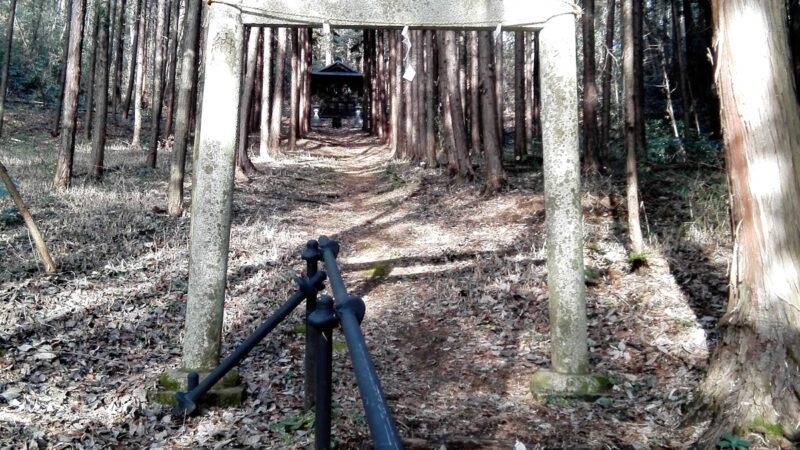
Tozenji Temple’s grounds offer various historical sights.
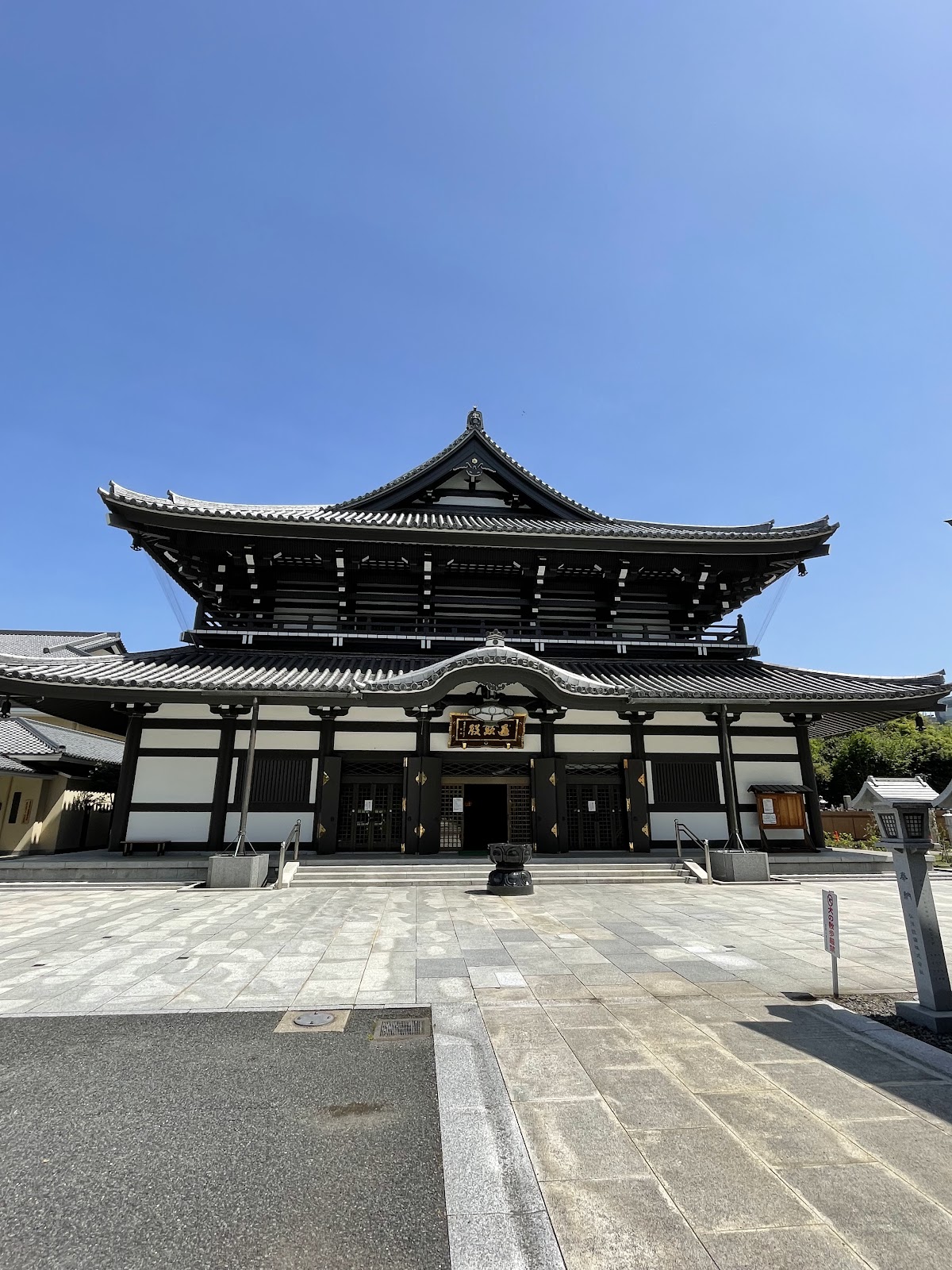
The Main Hall is a stately building that retains the characteristics of Edo-period Zen Buddhist temple architecture. Inside, Buddhist statues, including the principal image, are enshrined, creating a solemn atmosphere befitting a Zen temple.
The Garden is a pond-centered strolling garden, typical of Edo-period samurai residences, offering beautiful scenery throughout the seasons. Parts of the garden retain traces of its time as a legation, making it a historically valuable garden.
The Cemetery contains the graves of the temple’s founder, Ito Sukeyoshi, and successive lords of the Ito family of the Obi Domain. It is a valuable historical site that preserves the style of Edo-period daimyo (feudal lord) graves.
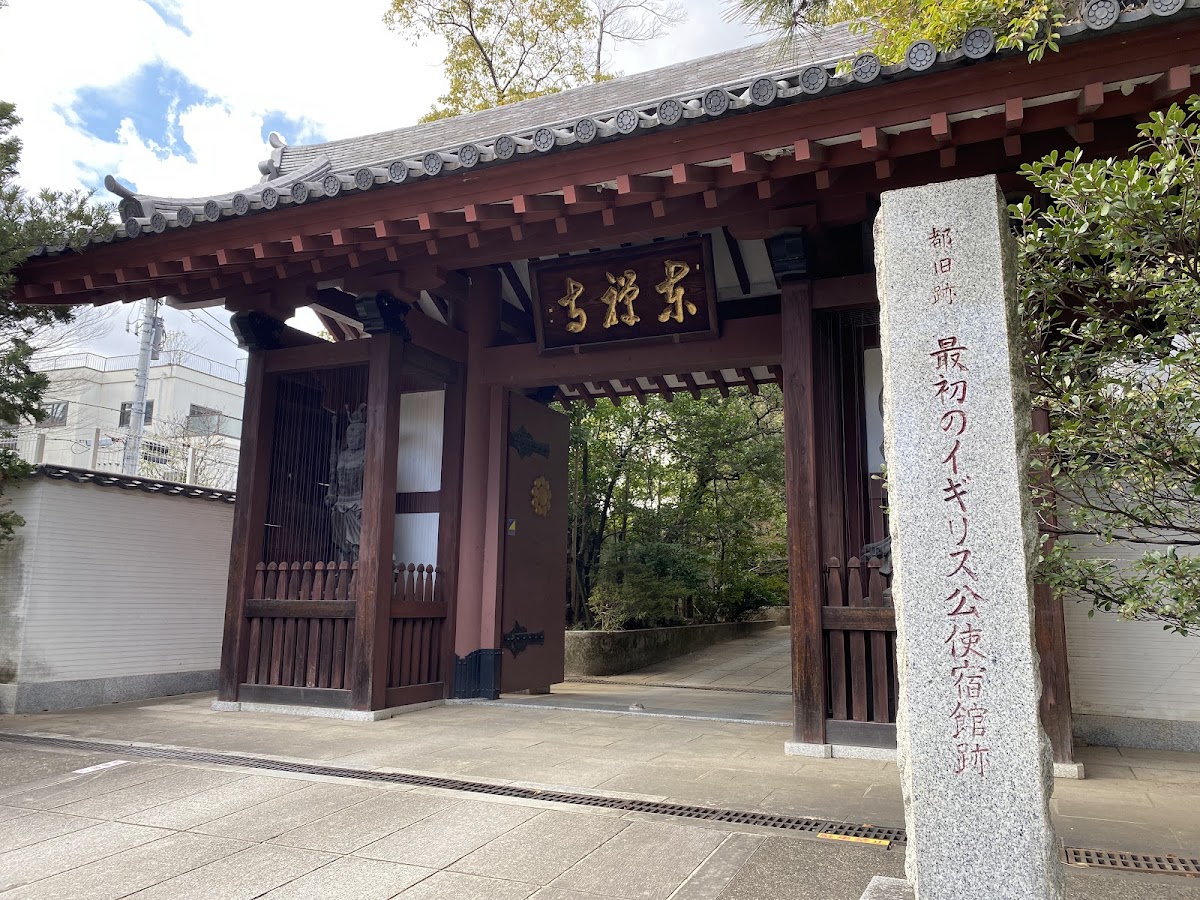
Within the temple grounds, there are stone monuments and explanatory plaques commemorating the time when it served as the British Legation, conveying its history to visitors.
Tozenji Temple and its Historical Background in the Late Edo Period
The Ansei Treaties and the Opening of Japan
The background to Tozenji Temple becoming the British Legation lies in the Ansei Treaties, concluded in 1858. These treaties, signed by Grand Elder Ii Naosuke without imperial sanction, ended Japan’s approximately 200-year-long policy of national isolation and ushered in a period of full-scale opening of the country.
However, this rapid opening of the country caused great turmoil within Japan. The Sonno Joi (Revere the Emperor, Expel the Barbarians) faction, advocating for the expulsion of foreigners, viewed the presence of foreigners as a threat to Japanese tradition and sovereignty, and launched a fierce opposition movement.
The Rise of the Expulsion of Foreigners Movement
In the early 1860s, the Expulsion of Foreigners movement reached its peak in Japan. The authority of the shogunate was severely shaken, as evidenced by the assassination of Ii Naosuke in the Sakuradamon Incident (1860).
In this situation, foreign legations became prime targets for the anti-foreign faction. The two attacks at Tozenji Temple symbolized the tense atmosphere of this era.
The Shogunate’s Response and Diplomatic Policy
After the Tozenji Incident, the Edo shogunate significantly strengthened security at foreign legations. However, at the same time, it faced pressure from the anti-foreign faction, finding itself caught between an open-country policy and demands for expulsion.
This contradictory situation ultimately led to the decline of the shogunate’s authority and the Meiji Restoration. The events at Tozenji Temple vividly illustrated the difficult diplomatic challenges the shogunate faced.
Graves of Famous People
Tozenji Temple contains numerous graves of figures who left their mark on Edo period history.
Successive Lords of the Ito Family
The temple grounds contain the tombs of successive lords of the Ito family of the Obi Domain, including the founder, Ito Sukeyoshi, and their families. The Ito family was a prestigious family that ruled Obi in Hyuga Province since the Sengoku period, and were tozama daimyo (outside lords).
The Ito family tombs exhibit a typical style of daimyo tombs from the Edo period, and are valuable resources for studying the stonemasonry techniques and burial customs of the time.
Other Samurai Tombs
Besides the Ito family, there are several tombs of hatamoto (direct retainers of the shogun) families who had Tozenji Temple as their family temple. These tombstones are inscribed with information about the samurai society of the Edo period, family status, and family crests, making them important historical materials for historical research.
Religious Characteristics of Tozenji Temple
About the Rinzai Myoshinji School
Tozenji Temple belongs to the Rinzai Myoshinji School, a branch of Zen Buddhism with Myoshinji Temple in Kyoto as its head temple. The Rinzai school of Zen Buddhism was introduced from China during the Kamakura period and was widely accepted within the samurai class.
The Myoshinji branch is the largest branch of the Rinzai school, boasting approximately 3,400 temples nationwide. Tozenji Temple holds the high status of a “Special Head Temple” within this branch.
Meaning of Special Head Temple
A Special Head Temple is a status bestowed upon temples within a sect that possess special history and prestige. Tozenji Temple, as one of the four major temples of Edo, played a significant role during the Edo period and was a historical stage during the end of the Edo period, hence its status.
Zen Practice and Culture
Tozenji Temple continues to practice Zen Buddhism today, and its teachings are shared with the general public through activities such as zazen (seated meditation) sessions. The simple and tranquil atmosphere, characteristic of Zen temples, provides a calming sanctuary amidst the hustle and bustle of the city.
Access
Access by Train
Access to Tozenji Temple is very convenient.
From Shinagawa Station: Approximately 7 minutes on foot north from the Takanawa Exit (West Exit) of Shinagawa Station on the JR Tokaido Line, Keihin-Tohoku Line, and Keikyu Main Line. Head north along Dai-ichi Keihin (National Route 15), past the Takanawa Police Station.
From Sengakuji Station: Approximately 9 minutes on foot south from Exit A2 of Sengakuji Station on the Toei Asakusa Line and Keikyu Main Line. The route follows Dai-ichi Keihin south.
Nearby Tourist Attractions
There are many other historical sights around Tozenji Temple.
Sengakuji Temple: is a Soto Zen temple famous for housing the graves of the 47 Ronin of Ako, and is within walking distance.
Takanawa Okido Site: is the site of a checkpoint established at the southern entrance to Edo during the Edo period, and is designated as a national historical site.
Along the old Tokaido road in Shinagawa-juku, buildings and historical sites that retain the atmosphere of an Edo-period post town are scattered, making it ideal for a historical stroll.
The Present State of Tozenji Temple
Temple Activities
Tozenji Temple continues its religious activities as a temple of the Myoshinji branch of the Rinzai school of Zen Buddhism. Regular memorial services, Zen meditation sessions, and sutra copying sessions are held, making it an open space for local residents and those interested in Zen.
Protection of Cultural Properties
As a nationally designated historical site, Tozenji Temple is dedicated to the preservation and management of its grounds. Activities to pass on historical heritage to future generations, including the maintenance of buildings and gardens and the preservation of cemeteries, continue.
Visiting Information
While the grounds of Tozenji Temple are generally closed to the public, it is possible to view the exterior and the area around the main gate. Parts of the grounds may also be opened on special occasions. If you wish to visit, it is recommended to inquire with the temple in advance.
As this temple holds historical importance, visitors are expected to maintain silence and respect the dignity of this religious site. ## Tozenji Temple’s Story of Japan’s Modernization
The history of Tozenji Temple symbolizes the process by which Japan transformed into a modern nation.
The Difficulties of Opening the Country
The two attacks clearly demonstrate the chaos and conflict that the policy of opening the country brought to Japanese society at the time. The conflict between the shogunate, which sought to promote exchanges with foreign countries, and the anti-foreign faction, which opposed it, was not merely a political conflict, but a fundamental clash of values regarding how to envision Japan’s future.
The Dawn of Diplomacy
The events at Tozenji Temple represent the difficult starting point of Japan’s modern diplomacy. The situation, in which even the safety of foreign ministers could not be guaranteed, exposed the vulnerability of Japan’s position in the international community. However, this experience also became a catalyst for Japan to develop a modern diplomatic system.
Lessons from History
The history of Tozenji Temple teaches us about the friction that rapid change brings to society and the importance of the process of overcoming it. After the turmoil of the late Edo period, Japan achieved the Meiji Restoration and began its path to becoming a modern nation. Tozenji Temple is a witness to this historical turning point.
Summary
Tozenji Temple, located in Takanawa, Minato-ku, Tokyo, is a special head temple of the Myoshinji branch of the Rinzai school of Zen Buddhism, founded in 1610. During the Edo period, it played an important role as one of the four Myoshinji temples in Edo.
However, what truly cemented Tozenji’s place in history was its use as Japan’s first British legation during the late Edo period, and its role as the site of two attacks. These incidents symbolize the turmoil of late Edo Japan, caught between opening the country and expelling foreigners, and illustrate the difficult path to Japan’s modernization.
Currently, Tozenji Temple is designated a national historical site and protected as an important cultural asset in modern Japanese history. Despite its convenient location within walking distance of Shinagawa and Sengakuji stations, it maintains the tranquil atmosphere of a Zen temple, continuing to convey the weight of history to visitors. Visiting Tozenji Temple will not only allow you to admire historical buildings, but also provide a valuable opportunity to reflect on the turbulent era in which Japan transformed into a modern nation.