About Koyasan Tokyo Branch Temple
Koyasan Tokyo Branch Temple is a branch temple of the Koyasan Shingon sect, whose head temple is Koyasan Kongobu-ji Temple in Wakayama Prefecture. Located in Takanawa, Minato Ward, it is a valuable temple where many visitors can feel the teachings of Kobo Daishi Kukai close at hand in the heart of Tokyo.
History and Origin
Koyasan Tokyo Branch Temple was founded in the early Meiji period and developed as a center for the propagation of Shingon Esoteric Buddhism in the Kanto region. After being destroyed by fire during the war, the current temple complex, rebuilt in the Showa era, retains traditional styles while incorporating modern functions.
With the mission of spreading the teachings of Koyasan, founded by Kobo Daishi Kukai, in Tokyo, it plays an important role as a place for religious services and training, as well as a center of faith for the general public.
Points to Note When Visiting
Proper Worship at the Main Hall
The main hall houses a statue of Kobo Daishi, and you can worship using the formal Shingon Buddhist worship procedures.
Basic Worship Procedure:
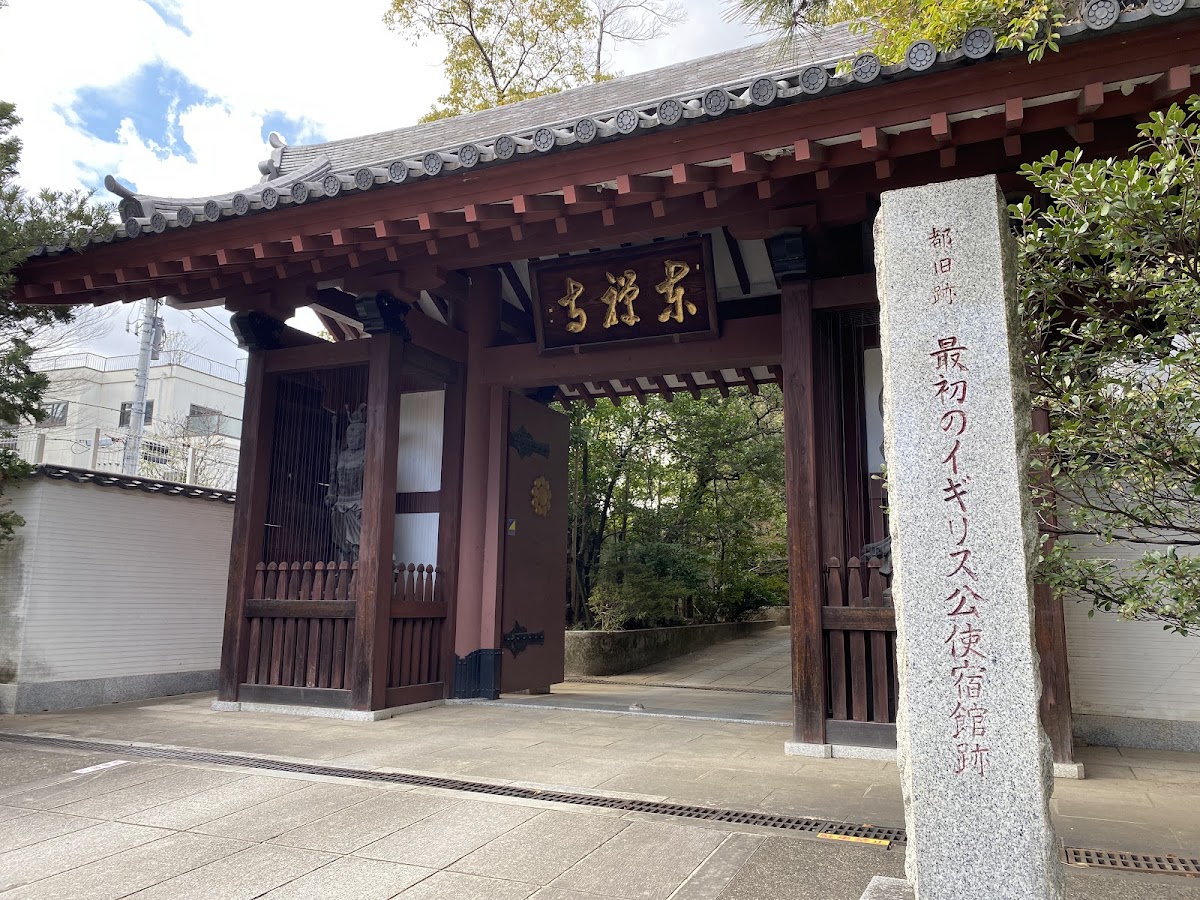
- Bow at the temple gate before entering the grounds.
- Purify your body and mind at the water basin.
- Clasp your hands together and bow in front of the main hall.
- Quietly place your offering.
- Ring the bell, clasp your hands together, and chant “Namu Daishi Henjo Kongo.”
- Bow deeply and then leave.
Goshuin (Temple Seal) and Sutra Offering
At Koyasan Tokyo Branch Temple, in addition to the regular goshuin, limited edition goshuin are also given out during special ceremonies. Goshuin reception hours are usually 9:00 AM to 5:00 PM, but these may change due to ceremonies, so it is recommended to check in advance.
Types of Goshuin (Temple Seals):
- Goshuin of Kobo Daishi
- Goshuin of Fudo Myoo
- Seasonal Special Goshuin (New Year’s, Spring/Autumn Grand Buddhist Ceremonies, etc.)
Sutra Copying/Buddhist Image Copying Experience
Sutra copying sessions are held regularly every month, and even beginners can easily participate. Through copying the Heart Sutra, you can calm your mind and experience the teachings of Buddhism. The session takes approximately one hour, and the participation fee is around 1,000 yen.
Benefits and Faith
Benefits of Kobo Daishi Faith
Since Koyasan Tokyo Branch Temple enshrines Kobo Daishi Kukai as its principal deity, it is believed to offer the following benefits:
Main Benefits:
- Academic Achievement and Wisdom: Kukai is known as one of the foremost scholarly monks in the history of Japanese Buddhism and is worshipped as the god of learning.
- Protection from Misfortune and Disaster: Powerful protection from misfortune through Shingon Esoteric Buddhism’s blessings and prayers.
- Healing from Illness: Recovery of physical and mental health through prayers to Fudo Myoo.
- Business Prosperity: A belief in business prosperity based on Kobo Daishi’s travels.
- Family Safety: Prayers for the peace and happiness of the family.
Special Prayers
Special prayers are also accepted for individuals and groups. Goma prayers are performed to address various wishes, such as protection from misfortune, healing from illness, success in examinations, and safe childbirth. Advance reservations are required, and prayer fees start from 5,000 yen.
Annual Events
Koyasan Tokyo Branch Temple holds various annual events based on the traditions of the Shingon sect.
Annual Events ## Major Buddhist Services and Events
January:
- Shusho-e (January 1st-3rd): A Buddhist service praying for peace in the new year.
March:
- Shunki Higan-e: A Buddhist service for honoring ancestors.
April:
- Kotan-e (April 8th): A flower festival celebrating the birth of Buddha.
June:
- Aoba-matsuri (June 15th): A Buddhist service celebrating the birth of Kobo Daishi. One of the most important events at Koyasan Tokyo Branch Temple
August:
- Segaki-e (Feeding of Hungry Ghosts Ceremony): Memorial service for ancestors and those without relatives
September:
- Autumn Equinox Ceremony: Memorial service for ancestors
December:
- Last Daishi Ceremony (December 21st): Memorial service marking the end of the year
Monthly Events
On the 21st of each month, a monthly memorial service is held, known as “O-Daishi-sama Day.” Many believers visit the temple on this day, and Goma (fire ritual) prayers and sermons are performed.
Access Information
Access by Train
Koyasan Tokyo Branch Temple is conveniently located in the heart of Tokyo.
Nearest Stations:
- Toei Asakusa Line Takanawadai Station: Approximately 3 minutes on foot from Exit A2 (closest)
- Tokyo Metro Namboku Line/Toei Mita Line Shirokanedai Station: Approximately 7 minutes on foot from Exit 1
- JR Yamanote Line/Keihin Tohoku Line Shinagawa Station: Approximately 15 minutes on foot from Takanawa Exit, or approximately 5 minutes by taxi
Recommended Route:
Exit Takanawadai Station from Exit A2 and head towards Shinagawa on Sakurada-dori (National Route 1). Turn right at the first traffic light and walk straight for approximately 100m; the temple gate will be on your left.
Access by Car
Approximately 5 minutes from the “Shiba-Koen Exit” or “Takagi-cho Exit” of the Metropolitan Expressway Inner Circular Route. However, since dedicated parking is limited, the use of public transportation is recommended.
Nearby Coin Parking:
- Several parking lots are available around Takanawadai Station.
- Price Range: Approximately 300 yen for 30 minutes.
Visiting Hours and Admission Fee
- Opening Hours: 6:00 AM – 5:00 PM (may vary seasonally)
- Admission Fee: Free (excluding special viewings)
- Goshuin (Temple Stamp) Reception: 9:00 AM – 5:00 PM
- Temple Office Reception: 9:00 AM – 5:00 PM
Highlights of the Temple Grounds
Main Hall
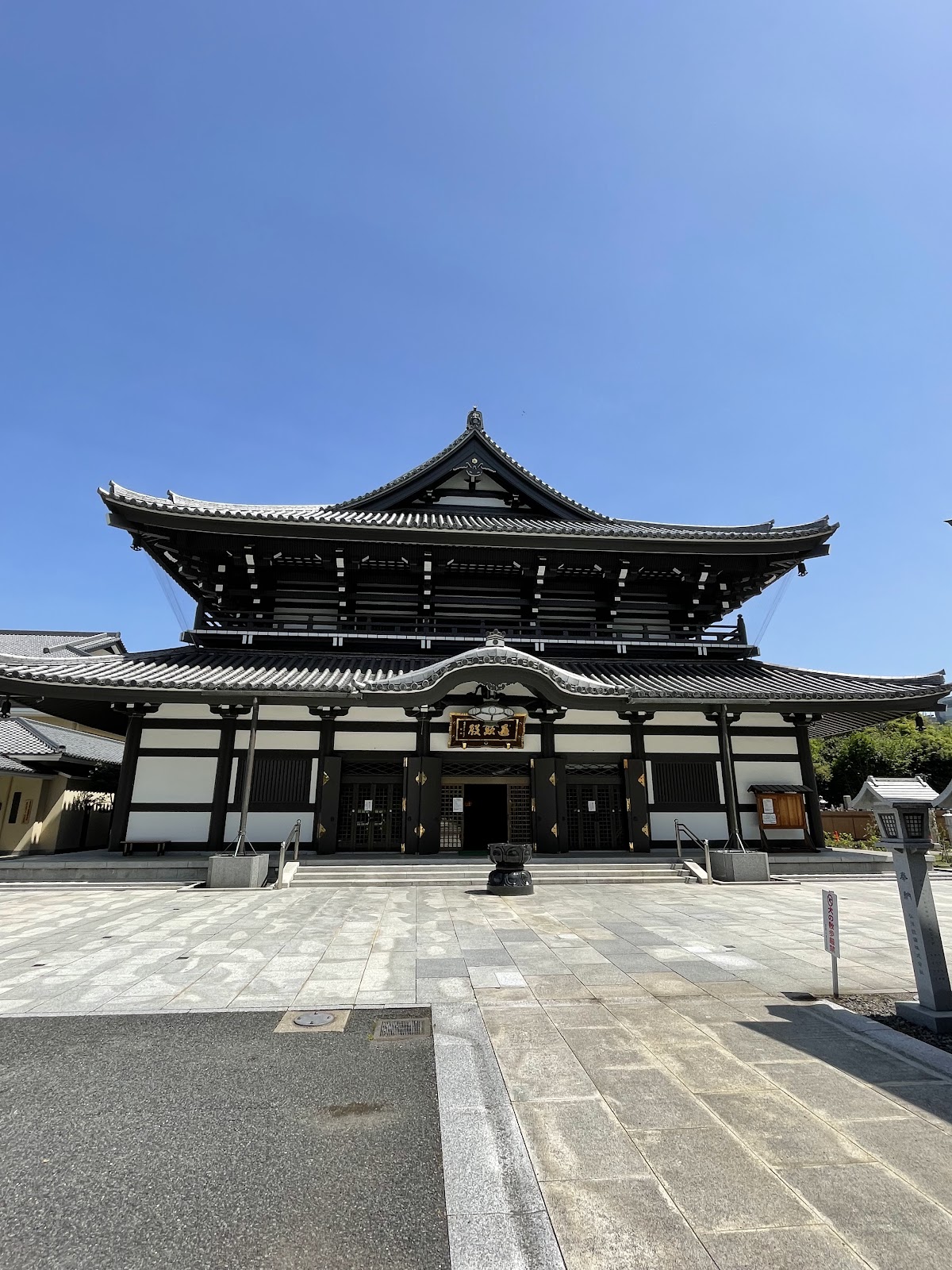
The main hall, rebuilt in the Showa era, follows the traditional style of Shingon Buddhist temple architecture. A statue of Kobo Daishi is enshrined in the inner sanctuary, creating a solemn atmosphere for worship.
Fudo Hall
The Fudo Hall, where Goma (fire ritual) prayers are performed, enshrines Fudo Myoo (Acala). During the monthly Goma ritual, mantras are chanted amidst the flames, and the wishes of worshippers are prayed for.
Bell Tower
At the temple’s bell tower, you can ring the bell on New Year’s Eve (numbered tickets are distributed). The sound of the bell in the morning and evening is also cherished as a calming sound amidst the hustle and bustle of the city.
Nearby Tourist Attractions
The area surrounding Koyasan Tokyo Branch Temple is dotted with historical temples, shrines, and tourist attractions.
- Sengaku-ji Temple: The burial site of the Ako Forty-Seven Ronin, famous from the Chushingura story (approx. 10-minute walk)
- Happoen: A wedding venue and restaurant with a beautiful Japanese garden (approx. 8-minute walk)
- National Institute for Nature Education: A valuable natural forest in the heart of the city (approx. 12-minute walk)
- Shinagawa Prince Hotel: A complex facility including an aquarium and bowling alley (approx. 15-minute walk)
Precautions When Visiting
- The temple grounds are a sacred place. Please maintain silence and be considerate of other visitors.
- Photography is permitted, but photography inside the main hall and during religious services is prohibited.
- There are no specific dress code requirements, but please avoid revealing clothing.
- Please refrain from bringing pets to the temple.
- General worship may be restricted during religious services and events.
Summary
Koyasan Tokyo Branch Temple is a valuable temple where you can experience authentic Shingon Esoteric Buddhism while being located in the heart of Tokyo. Due to its devotion to Kobo Daishi, its rich annual events, and its convenient access, it attracts a wide range of visitors, from first-timers to devout followers.
You can find peace of mind in the quiet temple grounds and spend time away from the hustle and bustle of everyday life by participating in sutra copying or Dharma talks. Please be sure to stop by when sightseeing in Shinagawa or Shirokanedai.