Complete Guide to Kashima Shrine: History, Blessings, and Major Kashima Shrines Nationwide
Kashima Shrines are a group of prestigious shrines located throughout Japan. From the head shrine, Kashima Jingu in Ibaraki Prefecture, to numerous other shrines bearing the name “Kashima,” this article provides a comprehensive explanation of the history, enshrined deities, blessings, and major Kashima shrines across the country.
What is a Kashima Shrine?
Kashima Shrine is a general term for shrines that enshrine Takemikazuchi-no-Okami as their principal deity. Takemikazuchi-no-Okami is considered the strongest warrior god in Japanese mythology and is known for his role in the transfer of power.
Origin and History of Kashima Shrines
The history of Kashima Shrines is ancient, and its head shrine, Kashima Jingu, is said to have been founded in the first year of Emperor Jimmu’s reign (660 BC). As a god of Japan’s founding and as a god of martial arts, Kashima has been deeply revered by the imperial court and samurai families since ancient times.
From the medieval period onward, with the rise of the samurai class, the Kashima faith, which worships a god of war, spread throughout the country. Especially from the Kamakura period to the Muromachi period, Kashima shrines were established in various locations as guardian deities of the samurai class.
About the enshrined deity: Takemikazuchi-no-Okami
Takemikazuchi-no-Okami is the strongest god of war in Japanese mythology. According to the Kojiki and Nihon Shoki, he is depicted as the god who, at the command of Amaterasu-Omikami, pacified Ashihara-no-Nakatsukuni and successfully negotiated the transfer of the land from Okuninushi-no-Mikoto.
Due to his bravery and majesty, he is worshipped as a god of victory and martial arts, and has been particularly revered by those who aspire to swordsmanship and martial arts. He also has aspects of a thunder god and is worshipped as a god of agriculture.
Benefits of Kashima Shrine
Kashima Shrine is believed to offer various benefits through the divine power of Takemikazuchi-no-Okami.
Good Fortune in Competitions and Victory
As Takemikazuchi-no-Okami is the strongest god of war, many worshippers visit the shrine to pray for victory in all kinds of competitions. It is believed that the shrine bestows strength in all kinds of “competitions,” including sports matches, exams, job hunting, and business negotiations.
Improvement in Martial Arts and Sports
Due to its nature as a god of war, the shrine attracts worshippers who wish to improve in martial arts and sports. Not only martial artists of kendo, judo, and karate, but also athletes in modern sports such as soccer, baseball, and combat sports visit the shrine.
Protection from Evil and Disaster
Takemikazuchi-no-Okami’s immense power is believed to ward off evil spirits and keep disasters at bay. It is also believed to be effective for prayers for protection from evil during unlucky years, traffic safety, and family safety.
Good Fortune and Career Advancement
As a deity who successfully completed the monumental task of transferring the land, many worshippers pray to the shrine for major turning points in their lives, career advancement, and good fortune.
Earthquake Protection and Keystone Belief
Kashima Shrine has a sacred stone called the “Keystone,” which, according to legend, holds down the head of a giant catfish that causes earthquakes. Therefore, it is believed to offer protection against earthquakes.
Major Kashima Shrines Nationwide
Numerous Kashima Shrines exist throughout Japan. Here, we introduce some of the most important Kashima Shrines.
Kashima Shrine (Kashima City, Ibaraki Prefecture)
Kashima Shrine as the Head Shrine
Kashima Shrine, located in Kashima City, Ibaraki Prefecture, is the head shrine of all Kashima Shrines nationwide. As the Ichinomiya (first-ranked shrine) of Hitachi Province, it boasts one of the highest prestige levels in the Kanto region.
Highlights
- Main Shrine: A magnificent vermilion-lacquered shrine designated as an Important Cultural Property.
- Inner Shrine: A shrine said to have been donated by Tokugawa Ieyasu.
- Keystone: A sacred stone believed to quell earthquakes.
- Mitarai Pond: A mystical pond with over 400,000 liters of spring water flowing in daily.
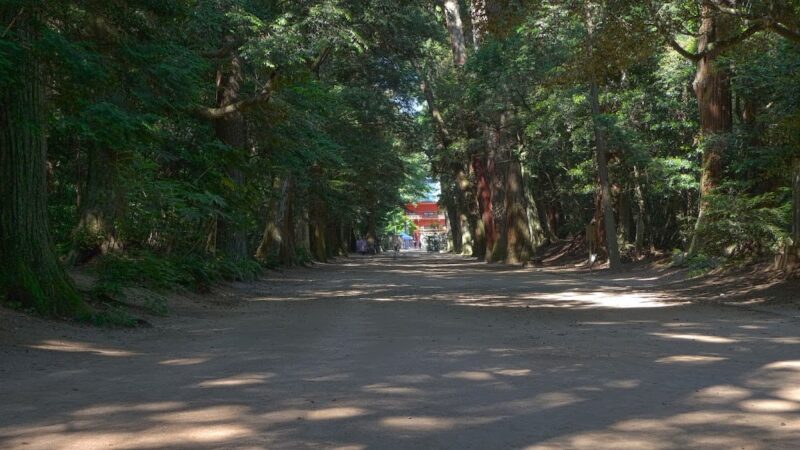
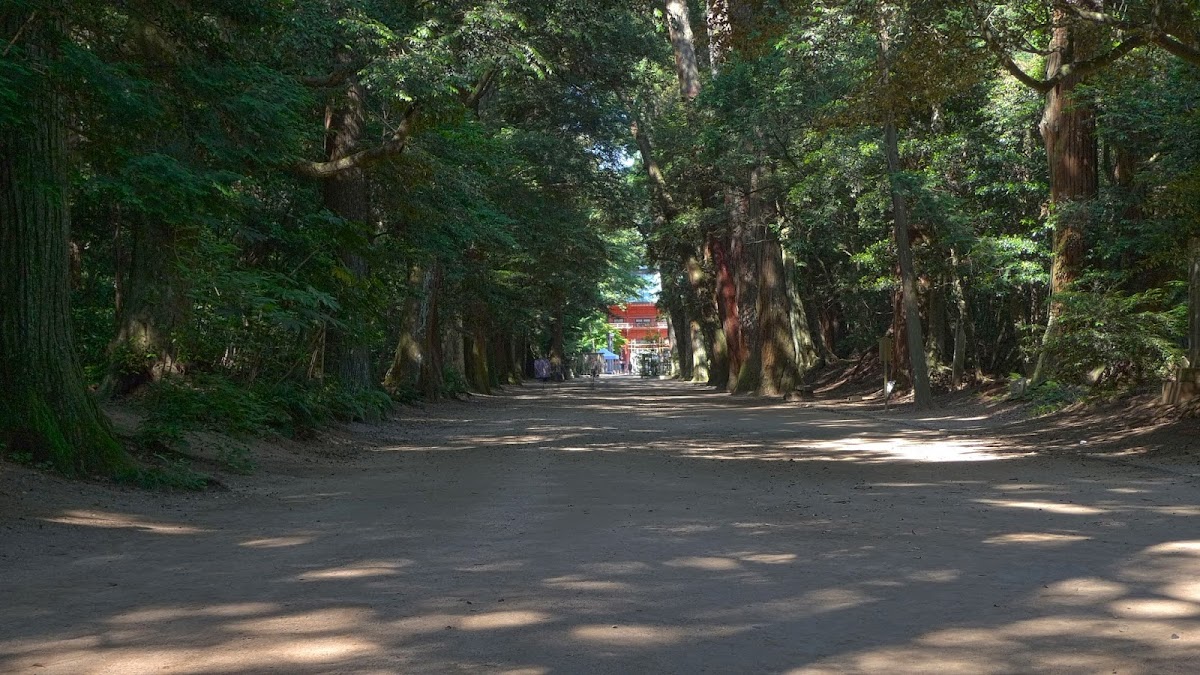
- Forest: A primeval forest designated as a prefectural natural monument.
Access
Approximately 10 minutes on foot from JR Kashima Line “Kashima Jingu Station”. Approximately 20 minutes by car from Higashi-Kanto Expressway “Itako IC”.
Kashima Shrine (Kashima City, Saga Prefecture)
Kashima Shrine, located in Kashima City, Saga Prefecture, is the center of Kashima faith in Hizen Province. It has been deeply revered as the guardian deity of the region since ancient times.
Features
This shrine is the origin of the place name Kashima City and enjoys deep-rooted faith in the region. The autumn festival is held with great fanfare and attracts many worshippers.
Kashima Shrine (Kanazawa City, Ishikawa Prefecture)
Kashima Shrine, located in Kanazawa City, is a historically significant shrine that was revered by the Maeda family of the Kaga Domain.
History
It was worshipped by the feudal lords and samurai as a shrine to pray for the continued military success of the Kaga Domain. It remains a beloved local guardian shrine today.
Kashima Shrine (Fukuoka City, Fukuoka Prefecture)
Kashima Shrine, located in Hakata Ward, Fukuoka City, is known as one of the main guardian shrines of Hakata.
Features
It is a shrine deeply connected to local traditional events, including the Hakata Gion Yamakasa festival. Many worshippers visit to pray for business prosperity and family safety.
Kashima Shrine (Ishinomaki City, Miyagi Prefecture)
Kashima Shrine, located in Ishinomaki City, Miyagi Prefecture, is one of the centers of Kashima worship in the Tohoku region.
Recovery from the Great East Japan Earthquake
Although it was damaged in the 2011 Great East Japan Earthquake, it has been restored through the efforts of the local people. Currently, it plays an important role as a symbol of recovery and as a spiritual center for the community.
Other Kashima Shrines
There are many other Kashima Shrines throughout Japan:
- Kashima Shrine (Kita Ward, Tokyo): A center of Kashima worship in Tokyo
- Kashima Shrine (Kawasaki City, Kanagawa Prefecture): Kashima worship in Musashi Province
- Kashima Shrine (Nagoya City, Aichi Prefecture): Kashima worship in the Owari region
- Kashima Shrine (Osaka City, Osaka Prefecture): An ancient shrine located on the Uemachi Plateau
- Kashima Shrine (Kobe City, Hyogo Prefecture): Kashima worship in Settsu Province
How to Visit a Kashima Shrine
This section introduces the basic etiquette for visiting a Kashima Shrine.
Basic Etiquette for Visiting a Shrine
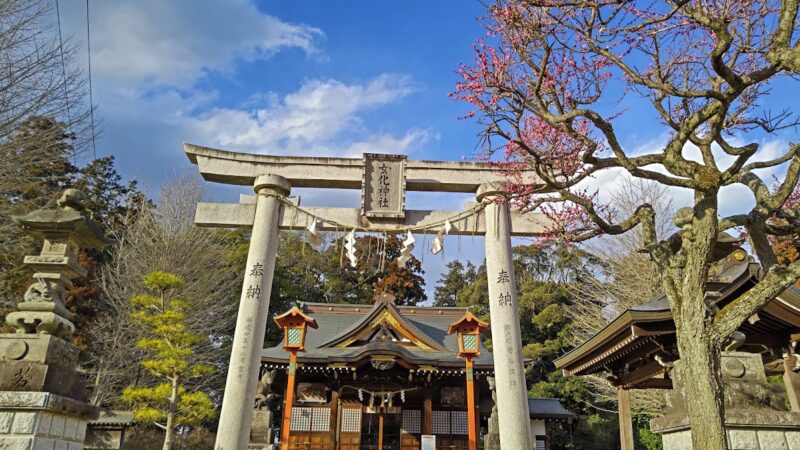
- Bow before passing through the torii gate: As a courtesy before entering the sacred area, bow before the torii gate.
- Purify yourself at the water basin: Purify your hands and mouth at the water basin. Cleanse your left hand, then your right hand, then your mouth, and finally your left hand.
- Walk along the edge of the path: The center of the path is considered the path of the gods, so walk along the edge.
- Worship at the main hall: The basic procedure is two bows, two claps, and one bow.
- Bow deeply twice
- Clap your hands twice
- State your wish silently
- Bow deeply once
- Bow at the torii gate on your way out: When leaving the sacred area, turn around and bow once.
Recommended time to visit
Hatsumode (January 1st-3rd)
Hatsumode, when people pray for good fortune in the new year, is the time of year when the most worshippers visit. It is bustling with people praying for good luck and success in competitions.
Annual Grand Festival
Each Kashima Shrine has an annual grand festival. At Kashima Shrine, the annual festival on September 1st is the most important religious ceremony.
Before a Competition
It is believed that by visiting the shrine before important competitions such as exams, matches, or interviews, one can receive the power of Takemikazuchi-no-Okami.
Items Offered at Kashima Shrine
Kashima Shrine offers a variety of items.
Amulets
- Victory Amulet: An amulet for improving luck in competitions
- Martial Arts Amulet: An amulet for improvement in martial arts and sports
- Exorcism Amulet: An amulet for protection against misfortune and disaster
- Traffic Safety Amulet: An amulet for traffic safety
Goshuin (Shrine Seals)
Each Kashima Shrine offers a goshuin as proof of worship. Each shrine has a different design of goshuin, making them popular among goshuin collectors.
Other Items Offered
- Hama-ya: A lucky charm to ward off evil spirits
- Ema: A votive tablet on which wishes are written and offered
- Ofuda: A talisman to be placed on the household altar
Relationship between Kashima Shrine and Martial Arts/Sports
Kashima Shrine has deep ties to martial arts and sports.
Kashima Shinryu and Swordsmanship
Kashima Shinryu, which originated at Kashima Shrine, is considered one of the origins of Japanese swordsmanship. It is said that Tsukahara Bokuden, a swordsman of the Muromachi period, trained at Kashima Shrine and mastered many of the secrets of swordsmanship.
Relationship with Modern Sports
In modern times, many professional athletes and teams visit the shrine to pray for victory. In particular, Kashima Shrine has deep ties to soccer, as it is located in the hometown of the J. League’s Kashima Antlers.
Annual Events at Kashima Shrine
Kashima Shrine holds various Shinto rituals and events throughout the year.
Main Annual Events (Example of Kashima Shrine)
- January 1st: Saitansai (New Year’s Festival)
- February 3rd: Setsubunsai (Bean-throwing Ceremony, etc.)
- March 9th: Kinensai (Prayer for a Bountiful Harvest)
- September 1st: Reisai (Most Important Annual Event)
- November 23rd: Niinamesai (Harvest Festival)
- December 31st: Oharai (Purification Ceremony for the Year’s Sins and Impurities)
Regionally Unique Events
Kashima Shrines in various regions hold unique festivals and events rooted in local traditions. Festivals that blend with local culture are valuable for understanding the history of the region.
Points to Note When Visiting Kashima Shrine
Attire
There are no specific dress code requirements, but it is advisable to dress appropriately for a sacred place. If you are receiving prayers, avoid overly casual attire such as jeans or sandals.
Photography
Photography is generally permitted within the shrine grounds, but it may be prohibited inside the main hall or during religious ceremonies. Please check before taking photos or follow any “No Photography” signs.
Visiting Hours
Many Kashima Shrines are open 24 hours for worship, but the reception hours for the shrine office and gift shop are limited. Generally, reception hours are from 9:00 AM to 5:00 PM.
Relationship Between Kashima Shrine and Other Shrines
Relationship with Katori Shrine
Katori Shrine, located in Katori City, Chiba Prefecture, has a deep relationship with Kashima Shrine. The enshrined deity of Katori Shrine, Futsunushi-no-Okami, is a god who, along with Takemikazuchi-no-Okami, accomplished the transfer of the land.
Both shrines have long been revered as the “Three Shrines of Eastern Japan” (Kashima Shrine, Katori Shrine, and Ikisu Shrine), and the “Pilgrimage to the Three Shrines of Eastern Japan” was a popular pilgrimage route from the Edo period onward.
Relationship with Kasuga Taisha
Kasuga Taisha in Nara Prefecture was founded by inviting Takemikazuchi-no-Okami from Kashima Shrine. The fact that the divine messenger of Kasuga Taisha is a deer also indicates its deep connection with Kashima Shrine.
Legends and Folk Beliefs of Kashima Shrine
Legend of the Keystone
There is a legend that the keystone of Kashima Shrine holds down the head of a giant catfish that causes earthquakes. On the other hand, the keystone of Katori Shrine is said to hold down the tail of the giant catfish, and there is a belief that the keystones of both shrines prevent earthquakes.
Legend of the Sacred Deer
From the legend that Takemikazuchi-no-Okami descended riding a white deer, deer are considered messengers of the gods. The large number of deer at Kasuga Taisha Shrine also stems from this legend.
Legend of the God of Martial Arts
There is a legend that many martial artists, including the sword saint Tsukahara Bokuden, trained at Kashima Jingu Shrine. The anecdote of them receiving the secrets of swordsmanship before the gods is the reason why Kashima Jingu Shrine is considered a sacred place for martial arts.
Tourist Spots After Visiting Kashima Jingu Shrine
Around Kashima Jingu Shrine (Ibaraki Prefecture)
- Kitaura: The second largest lake in Ibaraki Prefecture after Lake Kasumigaura. Enjoy fishing and water sports.
- Kashima Antlers Stadium: Home stadium of a prestigious J. League team.
- Ikisu Shrine: One of the three major shrines of the eastern provinces. Approximately 20 minutes by car from Kashima Jingu Shrine.
Around Kashima Shrines in Various Regions
Around Kashima Shrines in various regions, there are also unique tourist spots specific to each area. You can enjoy the local culture and nature along with your visit to the shrine. ## Summary: The Charm of Kashima Shrine
Kashima Shrine is dedicated to Takemikazuchi-no-Okami, the most powerful god of war, and is a shrine that offers a variety of blessings, including good fortune in competitions, improvement in martial arts, and protection from evil. From its head shrine, Kashima Jingu, to the Kashima Shrines located throughout Japan, each shrine has attracted the faith of people in its respective region.
Kashima Shrine possesses multifaceted charm, encompassing a history and tradition dating back to ancient times, deep connections to martial arts, and modern sports. As a shrine that bestows strength at important junctures in life, and a place where one can feel Japanese history and culture, it is a shrine worth visiting at least once.
If you are facing a competition, practicing martial arts or sports, or at a turning point in your life, why not visit Kashima Shrine? You are sure to feel the powerful protection of Takemikazuchi-no-Okami.