Complete Guide to Omi Jingu Shrine | The Charm and Visiting Information of the Sacred Site of Time and Karuta, Dedicated to Emperor Tenji
Omi Jingu Shrine, located in Otsu City, Shiga Prefecture, is a prestigious shrine dedicated to Emperor Tenji, the 38th emperor of Japan. It is one of only 16 imperial shrines nationwide and attracts many visitors from all over the country as the “ancestral deity of time” and the “sacred site of karuta.” This article comprehensively introduces information you should know before visiting Omi Jingu Shrine, including its history, blessings, highlights, and visiting information.
What is Omi Jingu Shrine? | The History of the Imperial Shrine Dedicated to Emperor Tenji
Founding and History of Omi Jingu Shrine
Omi Jingu Shrine is a relatively new shrine, founded in 1940 (Showa 15) with the permission of Emperor Showa. However, its historical background is ancient, as it is located on the site of the ancient capital, Omi-Otsu Palace, founded by Emperor Tenji in 667.
Emperor Tenji (626-672) was a great emperor who carried out the Taika Reforms and laid the foundation for Japan’s Ritsuryo state system. He made significant contributions to the development of Japanese culture, politics, and industry through the enactment of the Omi Code, the establishment of the school system, and the development of the household registration system.
Status as an Imperial Shrine
Omi Jingu Shrine is one of only 16 Imperial Shrines in Japan. An Imperial Shrine is a special shrine to which an imperial envoy is dispatched on behalf of the Emperor. Every year on April 20th, an imperial envoy is welcomed from the Imperial Palace for the annual festival, and a solemn ceremony is held.
This high status speaks to the magnitude of Emperor Tenji’s achievements in the formation of the Japanese nation. Omi Jingu Shrine is not merely a tourist destination, but an important place of reverence that conveys Japanese history and culture to the present day.
Deities and Divine Virtues of Omi Jingu Shrine
Emperor Tenji (Amemikoto Hirakasu Wake no Okami)
The principal deity of Omi Jingu Shrine is Emperor Tenji, whose divine title is “Amemikoto Hirakasu Wake no Okami.” This title embodies the meaning of an emperor who, receiving a divine command, ushered in a new era.
Emperor Tenji, as Prince Naka no Oe, together with Nakatomi no Kamatari, realized the Taika Reforms, transforming Japan from an ancient state to a Ritsuryo state. His reformist spirit and foresight continue to provide good fortune and guidance to many people even today.
Benefits as the Ancestor of Time
Emperor Tenji is known as the first emperor in Japan to install a water clock (rokoku) and begin timekeeping. On April 25, 671 (lunar calendar), Emperor Tenji installed a water clock at Omi Otsu Palace and announced the time to the people by striking bells and drums. This is considered the beginning of the timekeeping system in Japan.
Based on this historical fact, Omi Jingu Shrine is revered as the “ancestral deity of time,” and is believed to grant blessings for keeping to schedules, using time effectively, and not missing opportunities. It enjoys particularly strong devotion from those in the watch industry and time-related professions, and a grand “Rokoku-sai” (Water Clock Festival) is held every year on June 10th, “Time Memorial Day.”
Blessings as a Great Deity of Good Fortune and Guidance
Emperor Tenji was a leader who guided the historical turning point of the Taika Reforms. Therefore, Omi Jingu Shrine is also worshipped as a deity of good fortune and guidance during life’s turning points and when forging new paths.
It is believed to grant blessings for passing exams, finding employment, business success, and finding a good partner, guiding people down the right path at important junctures in life, and many worshippers visit to pray.
Guardian Deity of Culture, Arts, and Industry
Emperor Tenji laid the foundation for culture, education, and industry through the enactment of the Omi Code, the establishment of the school system, and the development of the household registration system. Therefore, it is believed to bring blessings for academic success, technological advancement, and industrial development.
It is particularly revered by students, researchers, engineers, and business owners—those in professions that utilize knowledge and skills.
Omi Jingu Shrine as a Sacred Site for Karuta
Hyakunin Isshu and Emperor Tenji
The reason Omi Jingu Shrine is known as a “sacred site for karuta” stems from the fact that the first poem in the Hyakunin Isshu is a poem composed by Emperor Tenji.
“In the autumn rice fields, in the temporary hut, the thatched roof is rough, and my sleeves are wet with dew.”
This poem expresses Emperor Tenji’s compassion for the hardships of his people, and is a dignified work befitting the opening of the Hyakunin Isshu. Due to this historical connection, Omi Jingu Shrine is positioned as the headquarters of competitive karuta.
Competitive Karuta Meijin and Queen Title Matches
Every January, the All Japan Karuta Association hosts the “Competitive Karuta Meijin and Queen Title Matches.” This is the pinnacle tournament in the world of competitive karuta, a dream stage for karuta enthusiasts nationwide.
Also, the “Takamatsu-no-miya Memorial Cup Omi Jingu National Competitive Karuta Tournament” is held in July, and many other karuta tournaments take place on the shrine grounds throughout the year.
As the Setting for “Chihayafuru”
Omi Jingu Shrine has also become widely known as the setting for the hugely popular manga, anime, and film “Chihayafuru.” The work depicts it as a sacred site for competitive karuta, and many fans visit on “pilgrimages.”
The shrine grounds also feature “Chihayafuru” related exhibits and merchandise, making it a special place not only for karuta fans but also for fans of the work.
The Shrine Buildings of Omi Jingu and the Architectural Beauty of Omi-zukuri Style
A Masterpiece of Modern Shrine Architecture
The shrine buildings of Omi Jingu are a masterpiece of modern shrine architecture, designed by Takashi Tsunami, a leading architect of the Showa era. While adhering to the traditional style of shrine architecture, its unique style, utilizing the architectural techniques of the early Showa period, is known as “Omi-zukuri.”
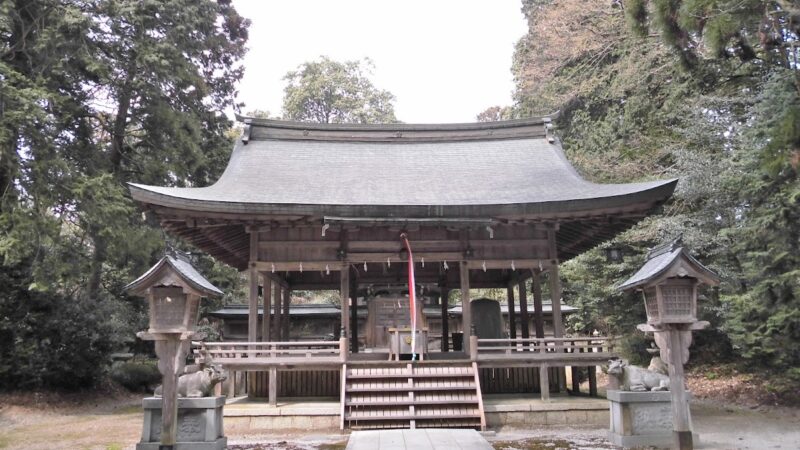
The series of buildings, from the vermilion-lacquered gate tower to the main hall, exudes a grand and solemn atmosphere, and in 2017, it was designated a National Registered Tangible Cultural Property.
The Gate Tower and Approach
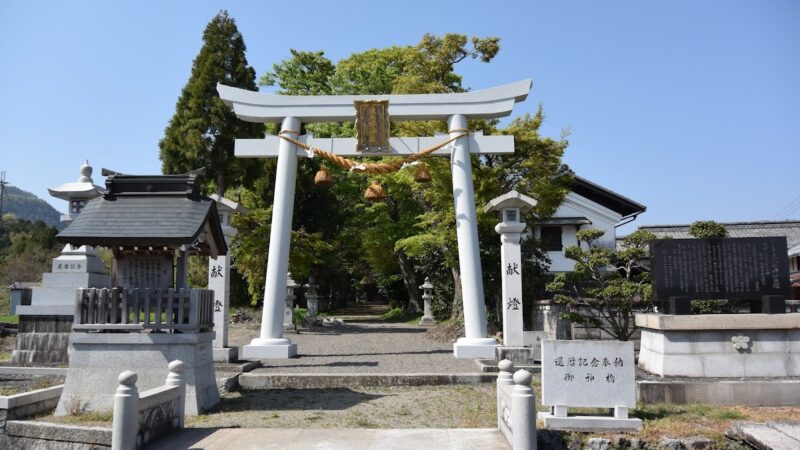
The vermilion-lacquered gate tower standing at the entrance of Omi Jingu is a majestic structure approximately 9 meters tall. Passing through the gate tower, a lush, green approach leads to a tranquil atmosphere.
Aged trees line both sides of the approach, allowing visitors to enjoy the beauty of nature throughout the seasons. The cherry blossoms in spring, the fresh greenery in early summer, and the autumn foliage are particularly magnificent, attracting many worshippers and tourists.
Outer and Inner Worship Halls
Omi Jingu Shrine has a double-layered structure consisting of an outer and inner worship hall. The outer worship hall is where worshippers receive prayers and is characterized by its spaciousness. The inner worship hall is an even more sacred space and is used for special ceremonies.
The overall layout of the shrine is planned on a hill overlooking Lake Biwa, and from the grounds, you can enjoy beautiful views of Otsu city and Lake Biwa.
Clock Museum and Treasure Hall | Learning about the History of Time
Japan’s Largest Clock Museum
Within the grounds of Omi Jingu Shrine is the “Clock Museum and Treasure Hall,” boasting one of the largest clock collections in Japan. It is a valuable facility where you can learn about the history of clocks from ancient times to the present day.
The museum houses approximately 2,500 items, including Japan’s oldest traditional clock, an Edo-period tower clock, a Meiji-era wall clock, and rare clocks from around the world. About 300 of these are on permanent display.
Restored Model of a Water Clock
One of the highlights of the Clock Museum Treasure Hall is a restored model of a water clock installed by Emperor Tenji. This water clock was an ancient precision instrument that measured time using the principle of water flowing at a constant speed.
Seeing the actually functioning restored model allows visitors to appreciate the technological prowess of the Japanese people from over 1300 years ago and the foresight of Emperor Tenji.
Opening Hours and Admission Fee
The Clock Museum Treasure Hall is open from 9:30 AM to 4:30 PM (last entry at 4:00 PM). Admission is reasonably priced at 300 yen for adults and 150 yen for elementary and junior high school students, making it recommended not only for those interested in clocks but also for history buffs.
Highlights and Power Spots on the Shrine Grounds
Water Clock and Sundial
Within the shrine grounds, there is a water clock and a sundial, where you can actually check the time. Especially on sunny days, you can observe how the sundial’s shadow accurately indicates the time, allowing you to experience ancient wisdom.
These clocks are important symbols representing Omi Jingu Shrine as a shrine dedicated to the “ancestral god of time.”
Karuta Hall
Within the shrine grounds is a building called the “Karuta Hall,” used as a venue for competitive karuta tournaments and practice sessions. During certain periods, it is open to the public, allowing you to witness the exciting matches of competitive karuta up close.
Furthermore, there are monuments inscribed with poems from the Hyakunin Isshu (One Hundred Poets) anthology around the Karuta Hall, allowing you to enjoy a stroll while appreciating the poetry.
Omi Kangakukan
The Omi Kangakukan is a facility used for weddings, various festivals, and cultural events. Combining the beauty of traditional Japanese architecture with modern functionality, Omi Jingu Shrine is a highly prestigious venue for Shinto weddings, making it a popular choice for many couples.
Omi Jingu Shrine as a Cherry Blossom Viewing Spot
Omi Jingu Shrine is also known as a famous cherry blossom viewing spot. Approximately 200 Somei Yoshino cherry trees are planted on the grounds, and they are typically in full bloom from late March to early April.
The contrast between the vermilion shrine buildings and the pale pink cherry blossoms is breathtaking, attracting many photography enthusiasts. During cherry blossom season, the shrine is enveloped in a special atmosphere, allowing visitors to enjoy both worship and cherry blossom viewing simultaneously.
Main Festivals and Events at Omi Jingu Shrine
Annual Festival (April 20th)
The most important festival at Omi Jingu Shrine is the annual festival held on April 20th. This day marks the anniversary of Emperor Tenji’s death, and an imperial envoy is dispatched from the Imperial Palace to conduct a solemn ceremony.
At the annual festival, offerings are presented by His Majesty the Emperor, commemorating the virtues of Emperor Tenji and praying for national peace and the happiness of the people.
Water Clock Festival (June 10th)
On June 10th, “Time Memorial Day,” the “Water Clock Festival” is held with great fanfare. This festival commemorates Emperor Tenji’s installation of the water clock and the beginning of timekeeping, and brings together clock industry professionals from all over the country.
During the festival, Shinto priests, clad in traditional attire, solemnly perform the rituals accompanied by gagaku (ancient Japanese court music). A special ceremony is also held to pray for the development of the clock industry and the importance of time.
Burning Water Festival (July 7th)
On July 7th, a unique festival called the “Burning Water Festival” is held. This festival is based on the Nihon Shoki (Chronicles of Japan), which describes how “burning water” (petroleum) was presented from the province of Koshi (present-day Niigata Prefecture) during the reign of Emperor Tenji.
Even today, crude oil is offered from Kurokawa Village in Niigata Prefecture, and a ritual of lighting a fire is performed according to ancient customs. This festival is attracting attention from energy professionals as it marks the origins of Japan’s petroleum industry.
Karuta Festival (January)
Every January, the “Karuta Festival” is held, featuring the championship matches for the Grandmaster and Queen of competitive karuta. This tournament determines the pinnacle of the competitive karuta world, with elite players selected from across the country competing.
During the tournament, the shrine grounds are bustling with many karuta enthusiasts and “Chihayafuru” fans, creating a unique and exciting atmosphere.
New Year’s Visit and New Year’s Events
Omi Jingu Shrine boasts one of the highest numbers of visitors for New Year’s visits in Shiga Prefecture. From New Year’s Day to the third day, many visitors come to pray for good fortune, success in exams, and successful relationships.
In the New Year, traditional court dances and calligraphy competitions are held, offering plenty of opportunities to experience traditional culture.
Visiting Information and Access
Visiting Hours and Admission Fees
Omi Jingu Shrine is open from 6:00 AM to 6:00 PM. Entry to the shrine grounds is free, but there is an admission fee to visit the Clock Museum and Treasure Hall (300 yen for adults, 150 yen for elementary and junior high school students).
Prayer services are available from 9:30 AM to 4:00 PM, and advance reservations are possible. Various prayers are accepted, including those for first shrine visits for newborns, Shichi-Go-San (children’s festival), exorcism, and success in exams.
Access by Train
Public transportation is the most convenient way to access Omi Jingu Shrine.
- Keihan Railway: Get off at Omi-Jingu-mae Station on the Keihan Ishiyama-Sakamoto Line, approximately 9 minutes on foot.
- JR: Get off at Otsukyo Station on the JR Kosei Line, approximately 20 minutes on foot (approximately 5 minutes by taxi).
From Kyoto Station, it takes about 20 minutes on the JR Kosei Line, or about 30 minutes from Sanjo Station if using the Keihan Railway. It also takes about an hour from Osaka via Kyoto.
Access by Car and Parking
Access by car is also possible. It’s about 10 minutes from the Kyoto-Higashi IC on the Meishin Expressway via the Nishi-Otsu Bypass.
Omi Jingu Shrine has a free parking lot with space for approximately 200 regular cars. However, congestion is expected during New Year’s visits and major events, so using public transportation is recommended.
Nearby Tourist Attractions
The following tourist attractions are located near Omi Jingu Shrine.
- Lake Biwa: Japan’s largest lake, offering opportunities for lakeside strolls and boat tours.
- Enryaku-ji Temple on Mount Hiei: The head temple of the Tendai sect, registered as a World Heritage Site.
- Mii-dera Temple (Onjo-ji Temple): One of the 33 temples of the Saigoku Kannon Pilgrimage, housing numerous national treasures and important cultural properties.
- Otsu City Museum of History: A museum where you can learn about the history and culture of Otsu.
Combining these spots will allow you to enjoy a fulfilling Otsu sightseeing experience.
Amulets and Souvenirs of Omi Jingu Shrine
Tokimamori (Time Amulet)
The most popular amulet at Omi Jingu Shrine is the “Tokimamori.” This amulet, unique to a shrine dedicated to the ancestral deity of time, is believed to bring benefits such as valuing time, not missing opportunities, and making time your ally.
The designs come in a variety of variations, including clock motifs and hourglass shapes symbolizing time.
Karuta Amulet
The “Karuta Amulet,” unique to this sacred site of karuta (Japanese card game), is also popular. This amulet, worn by many karuta players, is used to pray for improvement in competitive karuta and victory in matches.
The designs, featuring motifs from the Hyakunin Isshu (One Hundred Poets), make them popular souvenirs for karuta fans and fans of the anime “Chihayafuru.”
Amulet for Academic Success and Passing Exams
Since Emperor Tenji established the school system here, there is a wide variety of amulets for academic success and passing exams. Popular with students and their families, many have expressed their gratitude after passing exams.
Goshuin (Shrine Seal)
Omi Jingu Shrine’s goshuin are characterized by their powerful calligraphy and red seal. In addition to regular goshuin, limited-edition goshuin are also given out during special events.
Several original designs of goshuin notebooks are available at Omi Jingu Shrine, with beautiful designs featuring clocks and karuta being particularly popular.
Weddings at Omi Jingu Shrine
Omi Jingu Shrine offers traditional Shinto wedding ceremonies. Its high status as an imperial shrine, beautiful buildings, and surrounding natural environment make it a fitting setting for a new chapter in life.
The ceremony takes place at the Omi Kangakukan, proceeding according to traditional rituals in a solemn atmosphere accompanied by live Gagaku (ancient Japanese court music). A reception hall is also available, providing comprehensive support from the ceremony to the reception.
A wedding at a shrine dedicated to the “ancestral deity of time” is ideal for celebrating the beginning of a couple’s new life together, and is chosen by many couples.
Summary | Experiencing History and Culture at Omi Jingu Shrine
Omi Jingu Shrine is a prestigious imperial shrine dedicated to Emperor Tenji, a great emperor who significantly changed Japanese history. It possesses a unique charm as the “ancestral deity of time” and a “sacred place of Karuta” (a Japanese card game), attracting worshippers from all over Japan seeking blessings for good fortune, guidance, and academic success.
Omi Jingu Shrine boasts a beautiful Omi-style shrine building, a clock museum and treasure hall showcasing a valuable collection of clocks, the culture of Hyakunin Isshu and Karuta, and the beauty of nature throughout the seasons. Omi Jingu Shrine offers a special space where history, culture, and nature harmonize.
Its convenient location, within walking distance of Otsukyo Station and Omi Jingu-mae Station, is another attractive feature. Combine your visit with sightseeing around Lake Biwa or Kyoto, and be sure to check out Omi Jingu Shrine. You’re sure to have an unforgettable experience, touching upon the divine virtues of Emperor Tenji and the timeless Japanese culture that has been passed down through generations.