Complete Guide to Katsuoji Temple | The Charm of the 23rd Temple of the Saigoku Thirty-Three Kannon Pilgrimage, Known for Prayers for Victory and Winning Daruma Dolls
Katsuoji Temple, nestled in the mountains of Minoh City, Osaka Prefecture, is an ancient temple of the Koyasan Shingon sect with a history of over 1300 years. Known nationwide as the “Temple of Victory” and the “Temple of Winning Daruma Dolls,” it attracts worshippers throughout the year seeking “victory” in all kinds of situations, such as passing exams, winning in sports, and business prosperity. The vast grounds, spanning approximately 80,000 tsubo (about 264,000 square meters), are filled with countless Daruma dolls dedicated to those who have achieved victory, and the temple is also popular as a scenic spot where flowers bloom in every season.
About Katsuoji Temple
Katsuoji Temple’s mountain name is Ochozan, and its principal image is the Eleven-Faced Thousand-Armed Kannon Bodhisattva. As the 23rd temple of the Saigoku Thirty-Three Kannon Pilgrimage, it is an important sacred site for pilgrims. The temple’s official name is “Katsuoji,” but it is sometimes read as “Katsuoji” or “Kachioji.”
Despite its relatively close location—approximately 30 minutes by car from central Osaka—its deep mountain setting gives it a unique atmosphere of tranquility and solemnity. The entire temple grounds are recognized as a power spot, attracting visitors from all over Japan seeking improved luck.
History of Katsuoji Temple
Founding and First Abbot
Katsuoji Temple’s founding dates back to the Nara period, specifically the first year of the Tenpyo-Jingo era (765 AD). Its first abbot was Kaijo Shonin, who, along with his twin brothers Zenchu and Zensan, established a hermitage.
Initially called “Mirokuji,” the name later changed to its current “Katsuoji.” There is an interesting legend surrounding the origin of this temple name.
Origin of the Name “Katsuoji Temple”
In the early Heian period, after prayers were offered for the recovery of Emperor Seiwa from illness, and his miraculous recovery was achieved, the Emperor bestowed upon the temple the name “Katsuoji” (勝王寺). However, it is said that the then-chief priest, deeming the name “Katsuoji” (勝尾寺) to be too presumptuous, changed “Ō” (王) to “O” (尾), resulting in the name “Katsuoji” (勝尾寺).
Following this event, Katsuoji Temple became known as a “temple of victory,” attracting the faith of the imperial court and samurai families. Many warlords, including those from the Minamoto and Ashikaga clans, are said to have visited to pray for victory in battle.
From the Sengoku Period to the Edo Period
During the Sengoku period, the temple suffered several fires and was rebuilt each time. During the Edo period, it received the patronage of the Tokugawa shogunate, and its temple lands were secured, maintaining it as an important temple.
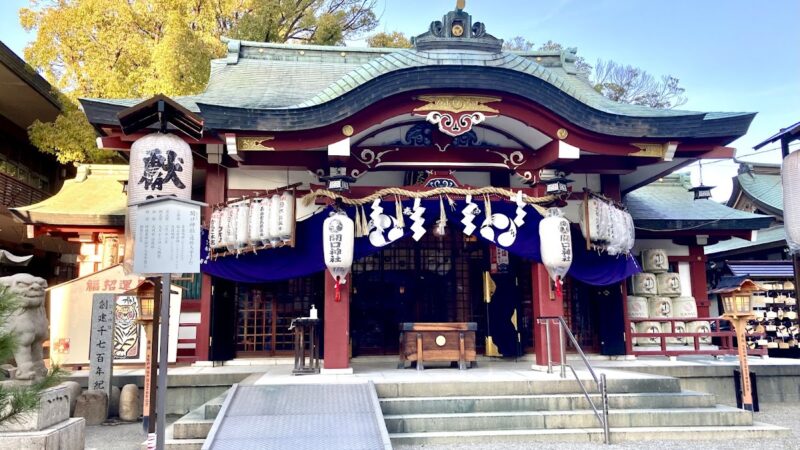
The current main hall is a late Edo period building and is carefully preserved as a historically valuable structure.
Highlights of the Temple Grounds
Katsuoji Temple boasts a vast area of approximately 80,000 tsubo (about 260,000 square meters). Numerous points of interest are scattered throughout the grounds, which utilize the slopes of the mountain.
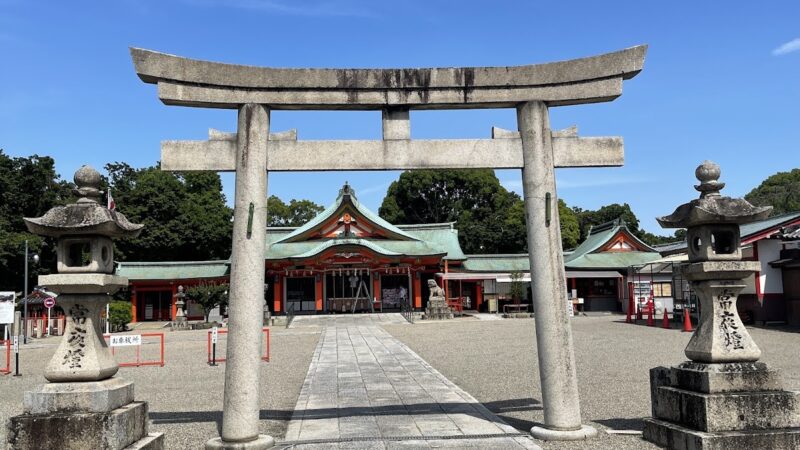
Temple Gate and Approach
Passing through the temple gate, stone lanterns line both sides of the approach, creating a solemn atmosphere. Simply walking along this approach allows you to feel as if you have entered a sacred space, far removed from the hustle and bustle of everyday life.
Main Hall (Kannon Hall)
The main hall houses the principal image, the Eleven-Faced Thousand-Armed Kannon Bodhisattva. This Kannon is considered a hidden Buddha and is not usually open to the public, but its compassionate power has granted the wishes of many worshippers.
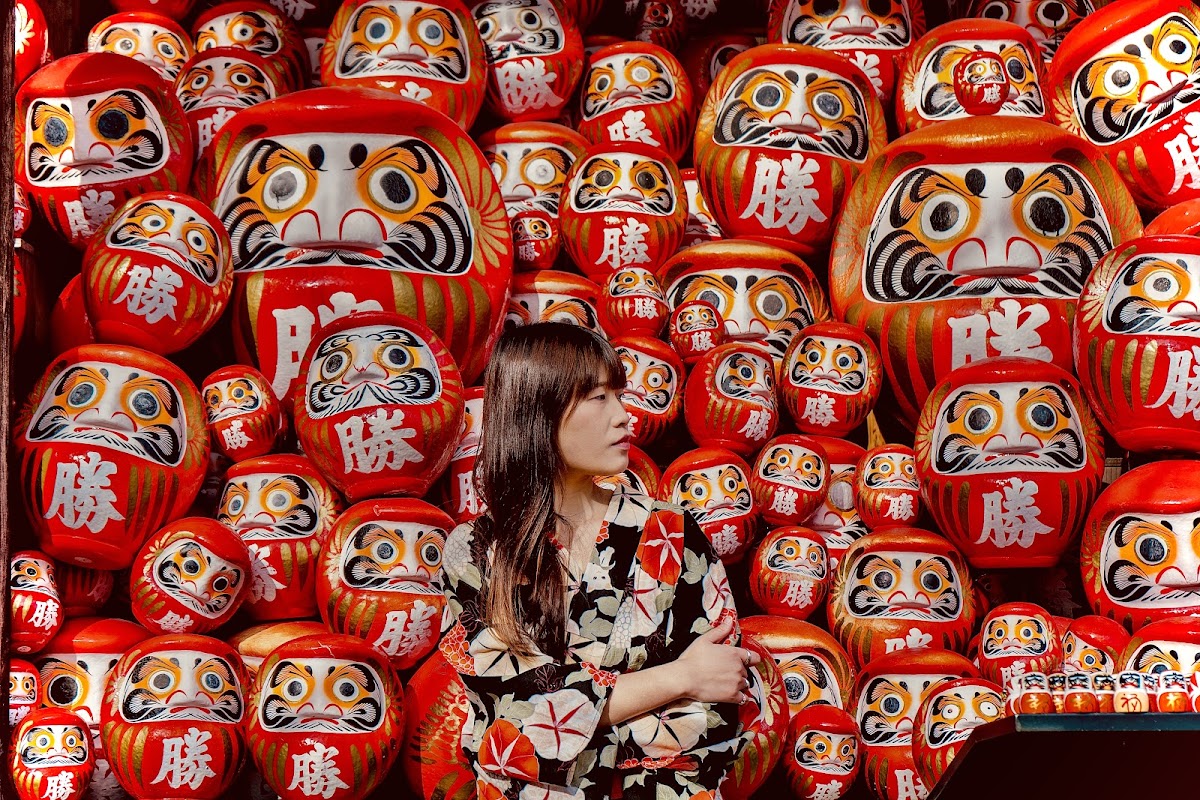
In front of the main hall, countless “winning daruma dolls,” donated by people praying for victory, line the area, creating a symbolic scene of Katsuoji Temple. The sight of the neatly arranged red daruma dolls is breathtaking and a popular photo spot.
Tahōtō Pagoda
The Tahōtō pagoda, standing on a hill within the temple grounds, is a beautiful structure with a vibrant vermilion color. The contrast with the surrounding greenery and seasonal flowers is magnificent, creating a particularly breathtaking view during the autumn foliage season.
Winning Daruma Dolls
The most distinctive feature of Katsuoji Temple is the “winning daruma dolls” placed throughout the temple grounds. Daruma dolls of various sizes are offered everywhere: in front of the main hall, around the Tahōtō pagoda, around the pond, at the base of trees, and so on.
These daruma dolls were offered by worshippers whose wishes were granted, as a token of gratitude, and it is said that there are thousands of them. The wishes and gratitude contained within each daruma doll seem to fill the entire temple grounds with the power of good fortune.
Benten Pond
Within the temple grounds is the beautiful Benten Pond, where the reflection of autumn leaves and fresh greenery on the water’s surface is a spectacular sight. Daruma dolls are also placed around the pond, creating a serene space that cleanses the soul.
Bell Tower and Bell
The temple grounds feature a magnificent bell tower, and visitors can ring the bell (restrictions apply depending on the time of day). The sound of the bell echoing through the mountains leaves a deep and lasting impression.
Natural Beauty in Every Season
Katsuoji Temple is also known as the “Temple of Flowers,” displaying different expressions throughout the four seasons.
Spring Cherry Blossoms
From late March to early April, cherry blossoms bloom throughout the temple grounds. Mountain cherry blossoms and Somei Yoshino cherry blossoms adorn the grounds, and their collaboration with the winning Daruma dolls creates a vibrant and beautiful spring landscape.
Rhododendrons
From mid-April to May, rhododendrons are in full bloom. Large pink and white flowers adorn the grounds, creating a noble atmosphere.
Hydrangeas
June to early July is hydrangea season. Hydrangeas planted throughout the temple grounds bloom in vibrant colors during the rainy season. The combination of rain-soaked hydrangeas and Daruma dolls creates a fantastical beauty.
Autumn Foliage
Katsuoji Temple is busiest with tourists from mid-November to early December, during the autumn foliage season. The entire 80,000-tsubo (approximately 264,000 square meters) temple grounds are dyed in red, yellow, and orange, and the autumn leaves around the Tahoto pagoda and Benten Pond are particularly breathtaking.
The temple is also illuminated at night, allowing visitors to enjoy a different, more magical view of the autumn leaves. The combination of the illuminated leaves and the winning Daruma dolls is a unique sight that can only be seen at Katsuoji Temple.
Winter Snowscape
On snowy days, Katsuoji Temple is enveloped in a serene beauty, like another world. The snow-covered Daruma dolls are adorable, and visitors can enjoy the unique charm of winter.
Prayer for Victory and Divine Blessings
History of Victory Faith
The history of victory faith at Katsuoji Temple dates back to the recovery of Emperor Seiwa from illness during the Heian period. Since then, for over 1300 years, it has attracted people’s faith as a “temple of victory.”
Historical warlords such as Minamoto no Yoritomo and Ashikaga Takauji are said to have visited to pray for victory in battle, and it was deeply revered within the samurai society.
Modern-Day Prayer for Victory
In modern times, people seeking “victory” in all areas, such as passing exams, finding employment, winning sports, winning elections, business prosperity, and recovery from illness, visit the temple.
Especially during exam season, many students and their parents visit, wishing for success and offering their prayers to the winning Daruma dolls. Many athletes and teams also visit before competitions, and visits by professional athletes are not uncommon.
Daruma Fortune Slips
A popular item at Katsuoji Temple is the “Daruma Fortune Slip.” A small Daruma doll contains a fortune slip. After reading the fortune, visitors can place the Daruma doll anywhere they like on the temple grounds. The sight of these Daruma dolls lined up throughout the grounds creates a distinctive landscape at Katsuoji Temple.
It is customary to dedicate a “winning Daruma” doll with its eyes painted in when a wish is granted. Many of the winning Daruma dolls on the temple grounds are those dedicated by people whose wishes have come true, as a token of gratitude.
Goshuin (Temple Seal) and the Saigoku Thirty-Three Kannon Pilgrimage
Katsuoji Temple is the 23rd temple on the Saigoku Thirty-Three Kannon Pilgrimage, making it an important sacred site for pilgrims.
Goshuin (Temple Seal)
You can receive a Goshuin at the main hall. The Goshuin, featuring the calligraphy “Daihiden” (Great Compassion Hall) and the red seal of the Saigoku 23rd temple, is sought after by many visitors as a memento of their pilgrimage.
Katsuoji Temple sells original goshuincho (stamp books) with unique designs, and those featuring a winning daruma doll are popular as souvenirs.
Saigoku Thirty-Three Kannon Pilgrimage
The Saigoku Thirty-Three Kannon Pilgrimage is known as Japan’s oldest pilgrimage route. Katsuoji Temple is located in Osaka Prefecture, between the 22nd temple, Sojiji Temple, and the 24th temple, Nakayamadera Temple.
Pilgrims continue their journey, receiving goshuin (stamps) at each temple, and experiencing the compassion of Kannon (Goddess of Mercy). Visiting Katsuoji Temple is considered to have special significance in the pilgrimage.
Main Events and Annual Events
Katsuoji Temple holds various religious events throughout the year.
New Year’s Visit
Many worshippers visit the temple for their first shrine visit of the new year. The temple grounds are bustling with people praying for good fortune and success throughout the year.
Setsubun Festival
On February 3rd, Setsubun, a Setsubun festival is held to pray for protection from evil and good fortune.
Flower Festival (Buddha’s Birthday)
On April 8th, the Buddha’s birthday, the Flower Festival is held.
Autumn Leaves Illumination
During the autumn leaves season in November, the leaves are illuminated at night. From sunset until closing time, visitors can enjoy the fantastically lit autumn leaves, and the temple is especially crowded with tourists during this period.
New Year’s Eve Bell Ringing
On New Year’s Eve, the temple bell is rung to prepare for the New Year.
Memorial Service for Stillborn Children and Dolls
Katsuoji Temple is known not only for prayers for good fortune but also for memorial services for stillborn children and dolls.
Memorial Service for Stillborn Children
A memorial service for stillborn children is a ceremony to comfort the souls of children who were unable to be born into this world. Katsuoji Temple performs these services with care, and many people visit to participate. ### Doll Memorial Service
A doll memorial service is also held here, where you can express your gratitude for dolls and stuffed animals that you have cherished for many years. You can send off your dolls, filled with memories, with gratitude.
Cultural Properties
Katsuoji Temple preserves many cultural properties of high historical and cultural value.
Main Hall
A valuable building from the late Edo period, it preserves the traditional style of temple architecture.
Five-Ring Pagoda
Within the temple grounds is an old-style five-ring pagoda, preserving a valuable style from before standardization. The seed syllable (shuji) carved on the front is shallowly carved in a brushstroke-like style, conveying ancient stone art to the present day.
Buddhist Statues and Relics
Many Buddhist statues and relics are carefully preserved, including the principal image, the Eleven-Faced Thousand-Armed Kannon Bodhisattva.
Access
Katsuoji Temple can be accessed by both public transport and private car.
Access by Public Transportation
Using the Kita-Osaka Kyuko Line and Osaka Monorail
- Take the Hankyu Bus bound for “Hokusetsu Reien” from either the Kita-Osaka Kyuko Line’s “Senri-Chuo Station” or the Osaka Monorail’s “Senri-Chuo Station.”
- Get off at the “Katsuoji” bus stop (approximately 30 minutes).
Using the Kita-Osaka Kyuko Line Extension
- Take the Hankyu Bus from the Kita-Osaka Kyuko Line’s “Minoh-Kayano Station.”
- Operates mainly on weekends and holidays (approximately 20 minutes).
Since the number of buses is limited, it is recommended to check the timetable in advance.
Access by Private Car
From Osaka City
- Head north on Shin-Midosuji (National Route 423)
- Turn right at the “Katsuoji-guchi” intersection
- Travel time: Approximately 30 minutes
Using the Meishin Expressway
- Approximately 20 minutes from the Ibaraki Interchange
Using the Chugoku Expressway
- Approximately 20 minutes from the Chugoku-Ikeda Interchange
Parking
Katsuoji Temple has a parking lot with a capacity of approximately 350 cars. However, on weekends, holidays, and during the autumn foliage season, the private car parking lot is by reservation only. Advance reservations are required via the official website, so please be sure to check before visiting.
Parking Fees
- Passenger Car: 500 yen
- Motorcycle: 300 yen
During peak seasons such as the autumn foliage season, visiting early in the morning is recommended.
Visiting Information
Visiting Hours
Weekdays
- 8:00 AM – 5:00 PM
Saturdays
- 8:00 AM – 5:30 PM
Sundays and Public Holidays
- 8:00 AM – 6:00 PM
*Hours may change depending on the season and events.
*Last entry is 30 minutes before closing time.
Admission Fee
- Adults: 500 yen
- Elementary and Junior High School Students: 400 yen
- Preschool Children: Free
- Discounts available for people with disabilities (proof required)
Group discounts (30 or more people) are also available.
Location
2914-1 Aomadani, Minoh City, Osaka Prefecture 562-8508
Inquiries
Phone: 072-721-7010
Official Website: https://katsuo-ji-temple.or.jp/
Manners and Precautions for Visiting
Attire
The temple grounds are vast and have many slopes and stairs, so we recommend wearing comfortable shoes and clothing. Especially during the autumn foliage season, it gets crowded, so comfortable shoes like sneakers are ideal.
Photography
Photography is generally permitted on the temple grounds, but there are some areas where photography is prohibited, such as inside the main hall. Please follow the signs and be considerate of other visitors.
Pets
As a general rule, please refrain from bringing pets to the temple.
Estimated Time Required
If you want to leisurely explore the temple grounds, allow about 1.5 to 2 hours. During peak seasons such as autumn foliage season, travel times may be longer.
Nearby Tourist Attractions
Around Katsuoji Temple, there are numerous natural attractions and tourist spots in Minoo.
Minoo Falls
Minoo Falls, selected as one of Japan’s Top 100 Waterfalls, is approximately a 15-minute drive from Katsuoji Temple. Known for its beautiful autumn foliage, it attracts many tourists who visit both Katsuoji Temple and Minoo Falls.
Minoo Park
This nature park features a well-maintained walking path leading to Minoo Falls, allowing visitors to enjoy the changing seasons.
Minoo Hot Springs
Relaxing in a hot spring after visiting the temple is highly recommended. There are several day-trip hot spring facilities in Minoo City.
Summary
Katsuoji Temple, with its history spanning over 1300 years, continues to attract many worshippers as a “temple of good fortune.” The countless winning daruma dolls lining the temple grounds are a testament to the gratitude of those whose wishes have been granted, offering courage and hope to visitors.
With its beautiful nature throughout the seasons, especially the spectacular autumn foliage, Katsuoji Temple is a highly popular tourist spot. Combining the sacred atmosphere of the 23rd temple of the Saigoku Kannon Pilgrimage with the allure of a modern power spot, Katsuoji Temple is a must-visit when in Osaka.
Katsuoji Temple can be visited for a variety of reasons: for those facing important “competitions” in life such as exams, job hunting, or sports; for those seeking to improve their luck; for those seeking healing through beautiful nature; and for those on a pilgrimage. Why not visit this historic temple and receive some “winning luck” yourself?