Complete Guide to Chōanji Temple | Thorough Explanation of History, Highlights, and Access Information
There are several temples named Chōanji throughout Japan. Each has its own unique history and culture, and has long been cherished as a center of local faith. This article will explain the charms of Chōanji temples in various locations, focusing on the particularly famous Chōanji in Hakone.
The Charm of Chōanji Temple in Sengokuhara, Hakone
History and Background of Founding
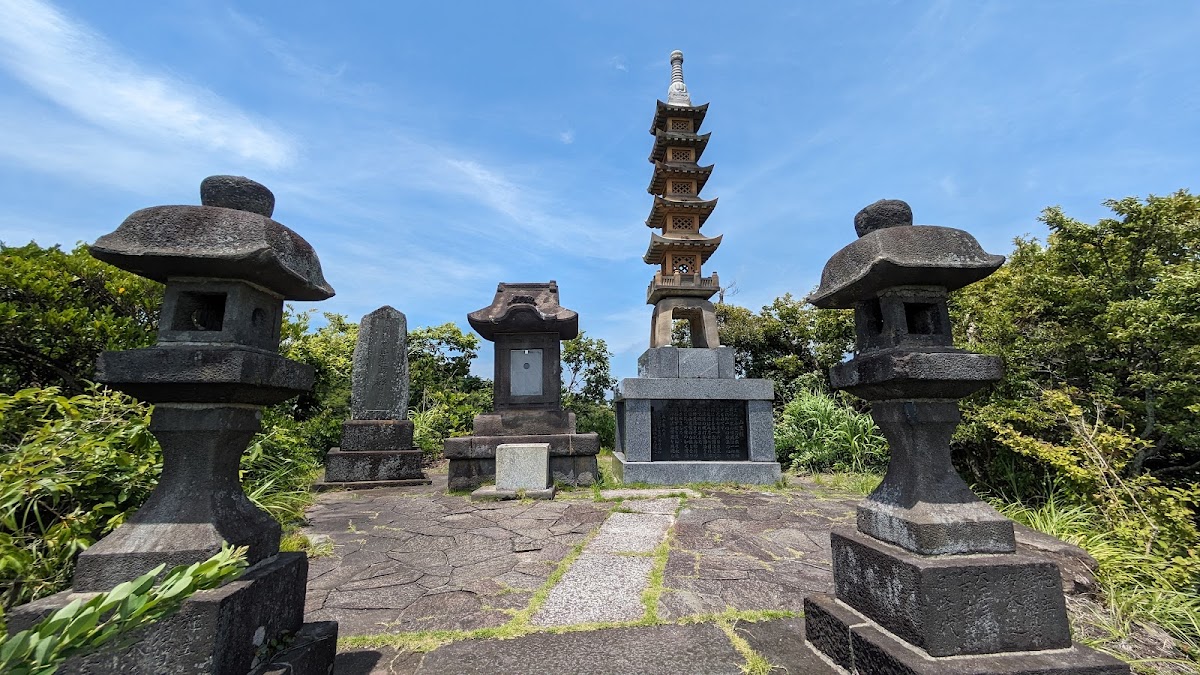
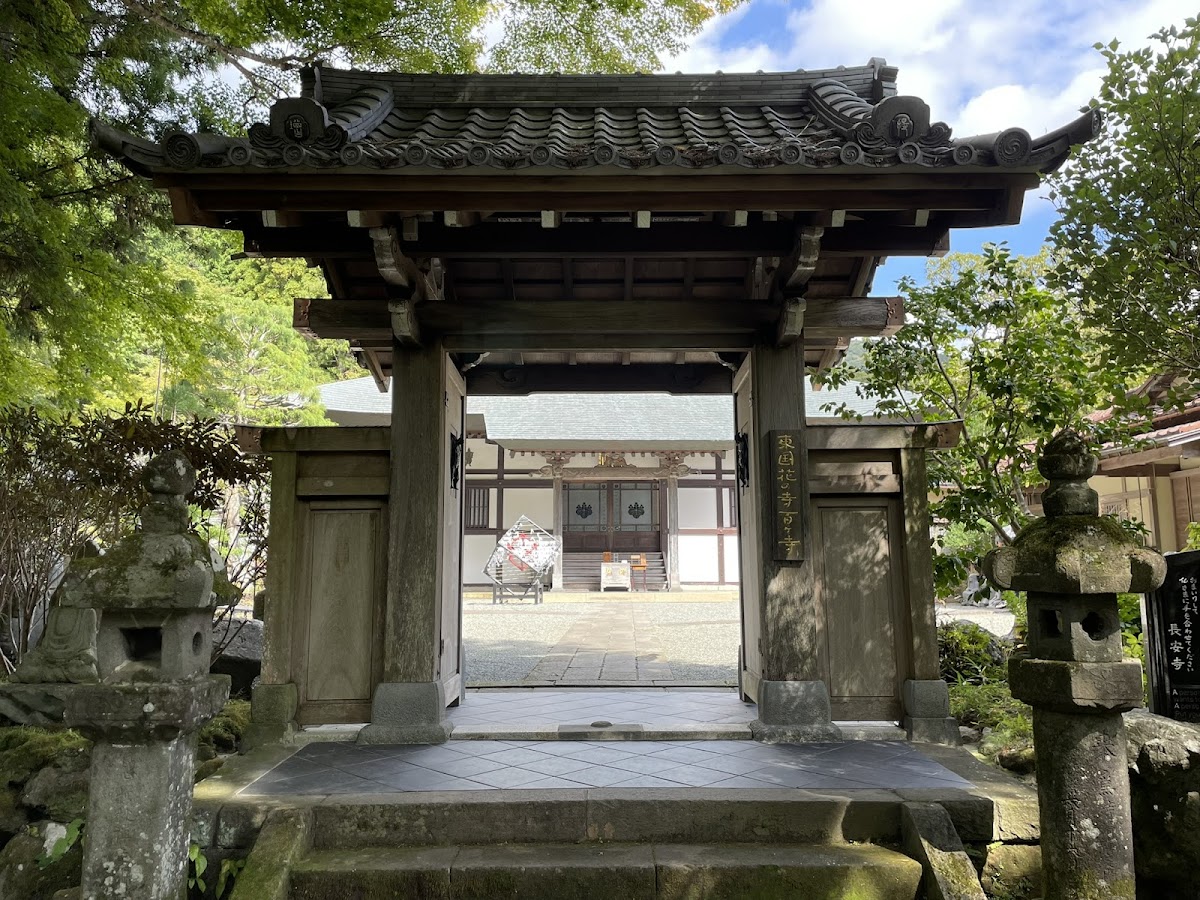
Located in Sengokuhara, Hakone, Chōanji Temple is a historical temple founded in 1658 (Manji 1). However, one theory suggests its founding was in 1356, potentially tracing its origins back to the Muromachi period. The Hakone area has long been known as a sacred site for Shugendō (mountain asceticism), and many temples and shrines have been built there. Chōanji Temple is an important temple that has played a part in Hakone’s religious culture.
The main hall architecture is said to be from the time of its founding, and it is a valuable cultural asset that conveys the architectural style of the early Edo period. Nestled quietly in the lush natural surroundings of Sengokuhara, its presence offers deep peace to visitors.
The Expressive Five Hundred Arhats are the Highlight
The greatest attraction of Chōanji Temple is the Five Hundred Arhats enshrined within its grounds. These Five Hundred Arhats are a group of stone statues representing 500 Arhat (enlightened saints), disciples of Buddha, each possessing a unique expression and posture.
The Five Hundred Arhats of Hakone Chōanji Temple are renowned for their rich expressions. Smiling, crying, deep in thought, conversing—they possess a diverse range of expressions, almost as if they were alive. Visitors often feel a connection to a deceased family member, finding a statue resembling themselves or a loved one.
The Arhat statues are placed throughout the temple grounds, allowing visitors to enjoy their individual expressions while strolling. The statues are particularly striking in the soft morning light, making them ideal for photography.
Beautiful Scenery Through the Seasons
Chōanji Temple is famous for its beautiful natural scenery throughout the four seasons.
Spring: Cherry blossoms and fresh greenery sprout throughout the temple grounds, creating a vibrant and lively landscape. The contrast between the Arhat statues and the cherry blossoms is a beauty unique to spring.
Summer: Surrounded by deep greenery, the temple grounds are filled with cool air, offering a refreshing atmosphere typical of Hakone, a popular summer resort.
Autumn: Chōanji Temple’s autumn foliage is particularly famous in the Hakone area, attracting many tourists. The combination of the colorful autumn leaves and the Five Hundred Arhats is truly picturesque. The best time to see them is usually from early to mid-November.
Winter: The snow-covered temple grounds and Arhat statues create a serene and mystical atmosphere.
Access Information
Address: 82 Sengokuhara, Hakone-machi, Ashigarashimo-gun, Kanagawa Prefecture
Access by Train/Bus:
- Approximately 30 minutes by Hakone Tozan Bus bound for “Togendai” from Hakone Tozan Railway “Hakone-Yumoto Station,” get off at “Sengoku” bus stop, then approximately 3 minutes on foot.
- Same route from Odakyu Line “Hakone-Yumoto Station.”
Access by Car:
- Approximately 20 minutes from Tomei Expressway “Gotemba IC.”
- Parking: Parking space available for visitors on the temple grounds (limited spaces; use of nearby parking lots is recommended during busy times).
Visiting Hours: Temple grounds are freely accessible (please check for viewing the interior of the main hall).
Admission Fee: Free (donations welcome).
Nearby Spots and Tourist Information
When visiting Chōanji Temple, we recommend also visiting other tourist spots in the Hakone Sengokuhara area.
Ōwakudani: Approximately 10 minutes by car from Chōanji Temple. Hakone’s most representative tourist attraction, where you can witness active volcanic activity up close. The famous black eggs are a must-try.
Sengokuhara Susuki Grassland: In autumn, a vast expanse of golden pampas grass spreads across the area, making it a representative scenic spot of Hakone’s autumn. It’s within walking distance of Chōanji Temple.
Hakone Glass Forest Museum: A museum focusing on Venetian glass. It’s about a 5-minute drive from Chōanji Temple.
Pola Museum of Art: A museum known for its collection of Impressionist paintings. The architecture, harmoniously integrated with nature, is also a highlight.
Nearby Gourmet Information
Hakone Shogetsudo Confectionery: A long-established Hakone Japanese confectionery shop. Their specialty, “Tsuki no Usagi” (Moon Rabbit), is a popular Hakone souvenir.
Hakone Sengokuhara Ramen Kuraichi: A popular local ramen restaurant. Its convenient location makes it easy to stop by during sightseeing.
Dining Yamaboshi: A restaurant where you can enjoy Japanese cuisine using local ingredients. Enjoy a meal in a relaxed atmosphere.
Suwariya: A popular cafe in the Sengokuhara area. Perfect for a break during your stroll.
Hot Springs and Hotel Information
The Hakone Sengokuhara area has many hot spring accommodations.
Yuya Yamazakura: A popular hot spring inn with rooms featuring open-air baths. Enjoy a luxurious time.
Hakone Sengokuhara Prince Hotel: A resort hotel with a magnificent view of Mt. Fuji. It also boasts excellent hot spring facilities.
In addition, the Sengokuhara area has many ryokans and hotels with rooms featuring open-air baths, allowing you to enjoy sightseeing and hot springs simultaneously.
Chōanji Temples Nationwide
Shiga Prefecture – Sekidera Sacred Site, Jishū Sect Chōanji Temple
Located in Ōtsu City, Shiga Prefecture, Chōanji Temple is a historical temple known for the Noh play “Sekidera Komachi.” Belonging to the Jishū sect, it is a place of worship as a sacred site of Sekidera.
Highlights:
- The largest and oldest stone pagoda (ox pagoda) in Japan, designated as a National Important Cultural Property.
- The temple grounds are steeped in legends associated with Ono no Komachi.
- The main hall and garden exude a sense of ancient history.
Historical Background:
Sekidera Temple is believed to have been the site of a checkpoint on the ancient Higashiyama Road, and flourished as a transportation hub. Legend says that Ono no Komachi spent her later years here, and it is a historically significant location in literature as the setting for the Noh play “Sekidera Komachi.”
Chōanji Temple, Kyoto Prefecture (49 Yakushi Pilgrimage Sites of Saigoku)
Chōanji Temple in Kyoto Prefecture is known as one of the 49 Yakushi Pilgrimage Sites of Saigoku.
Founding Legend:
According to temple tradition, Prince Maroko, the half-brother of Prince Shōtoku, carved seven statues of Yakushi Nyorai (Medicine Buddha) on his way to defeat demons at Mt. Ōe in Tanba Province on an imperial order. One of these statues was enshrined in this location, marking the beginning of the temple.
Yakushi Faith:
Yakushi Nyorai (the Medicine Buddha) is revered by people praying for healing from illness and longevity, and many worshippers still visit the temple today.
Oita Prefecture, Kongozan Chōanji Temple (Kyushu Forty-Nine Yakushi Pilgrimage Sites)
Located on the Kunisaki Peninsula in Oita Prefecture, Chōanji Temple is one of the oldest temples in the Kunisaki region, said to have been founded by Ninmon Bodhisattva during the Yōrō era (717-724). It is known as the 9th temple on the Kyushu Forty-Nine Yakushi Pilgrimage Sites.
Ninmon Bodhisattva and the Kunisaki Peninsula:
Ninmon Bodhisattva is a legendary monk said to be an incarnation of Usa Hachiman Ōkami (the Great God of Usa), and is said to have founded 28 temples throughout the Kunisaki Peninsula in Oita Prefecture during the Nara period. He greatly contributed to the formation of the unique Buddhist culture of the Kunisaki Peninsula, known as “Rokugō Manzan Culture.”
Highlights:
- Temple grounds with ancient stone Buddha statues and stone pagodas
- The unique atmosphere of mountain Buddhism on the Kunisaki Peninsula
- The main hall enshrining Yakushi Nyorai (Medicine Buddha)
Access:
Approximately 40 minutes by car from Oita Airport, located in the rich natural environment of the Kunisaki Peninsula.
Chōanji Temple (Yanaka Seven Lucky Gods), Taito Ward, Tokyo
Located in Yanaka, Taito Ward, Tokyo, Chōanji Temple is known as a temple that enshrines Jurōjin (Jurojin), one of the Yanaka Seven Lucky Gods.
Yanaka Seven Lucky Gods Pilgrimage:
Every year during the New Year, many worshippers visit the Yanaka Seven Lucky Gods pilgrimage, and many also visit Chōanji Temple. Jurōjin is worshipped as the god of longevity and happiness.
History:
A temple that has existed since the Edo period, it is one of the important temples that conveys the temple town culture of Yanaka to the present day. In 1997, the current head priest held the inauguration ceremony, and maintenance, including the replacement of the roof tiles on the main hall, has continued with the cooperation of the parishioners.
Chōanji Temple, Yokosuka City, Kanagawa Prefecture
Located in Kurihama, Yokosuka City, Kanagawa Prefecture, Chōanji Temple is also known as Kameyōzan Shōjuin.
History:
Founded in 1533 (Tenbun 2) as a retirement temple for Zen’yo Zenpō of Kamakura Kōmyōji Temple. Belonging to the Jōdo sect, it supports local faith as a temple of the Kanagawa diocese.
Highlights:
Within the temple grounds is the Fudo Hall, which houses a wooden statue of the Fudo Triad, and is the 9th pilgrimage site of the Miura Peninsula Fudo Pilgrimage.
Chōanji Temple (Jōdo Sect), Shiga Prefecture
Chōanji Temple, a Jōdo sect temple in Shiga Prefecture, was formerly located in Igami Village, Ōtsu District, and was a branch temple of Daiganji Temple.
Restoration from the Anti-Buddhist Movement: During the Meiji Restoration, Chōanji Temple temporarily disappeared due to the anti-Buddhist movement. However, the temple’s parishioners refused to become parishioners themselves, and in March of Meiji 6 (1873), they applied for the restoration of Chōanji Temple, which was approved in July of the same year. This history speaks to the deep faith of the local residents.
Points to Note When Visiting Chōanji Temple
Manners for Visiting
- Bow at the Temple Gate: Bow at the temple gate before entering the temple grounds.
- Purification at the Water Basin: If there is a water basin, purify your hands and mouth before praying.
- Quiet Attitude: Be quiet on the temple grounds and be considerate of other visitors.
- Photography: Refrain from taking photographs inside the main hall or in prohibited areas. While photography of the Five Hundred Arhats is often permitted, confirmation is necessary.
- Offering a Coin: Offer a coin with gratitude.
About Goshuin (Temple Seals)
Many Chōanji temples offer Goshuin. Bring your Goshuincho (stamp book) and politely request one. Since the design and reception hours vary by temple, it’s recommended to check in advance.
Best Season
Hakone Chōanji: The autumn foliage season (early to mid-November) is the most popular, but the fresh greenery of May and the pampas grass season (late September to October) also offer beautiful scenery.
Kunisaki Peninsula Chōanji: The cherry blossom season in spring and the autumn foliage season are recommended.
Yanaka Chōanji: The busiest time is during the New Year’s Seven Lucky Gods pilgrimage.
Cultural Significance of Chōanji
The name Chōanji is thought to originate from Chang’an (present-day Xi’an), the capital of China during the Tang Dynasty. Chang’an was an international city where Buddhist culture flourished and had a great influence on Japanese Buddhism. The name Chōanji may embody a longing for such an ideal Buddhist utopia. Chōanji temples throughout Japan have developed uniquely in their respective regions, while simultaneously transmitting Buddhist teachings and serving as spiritual pillars for local communities. Even today, preserving their history and culture is crucial for passing on Japan’s cultural heritage to future generations.
Balancing Tourism and Faith
When visiting Chōanji temples, it’s important to remember that they are not just tourist attractions but also places of worship, and to approach them with respect. Hakone’s Chōanji, in particular, is a popular tourist destination, attracting many visitors, but it is also a sacred place where local people have practiced faith for centuries.
By quietly strolling through the temple grounds, observing the expressions of the Five Hundred Arhats, and taking time for self-reflection, you can truly appreciate the charm of Chōanji.
Summary
Chōanji temples exist throughout Japan, each possessing its own unique history and charm. Hakone Sengokuhara’s Chōanji is known for its expressive Five Hundred Arhats and beautiful seasonal natural scenery, making it a must-visit spot during Hakone sightseeing. The temple grounds, surrounded by nature, offer a tranquil atmosphere, making it an ideal place to find peace of mind.
Chōanji temples in various locations, such as the Seki-dera Temple in Shiga Prefecture, the ancient temple in Kunisaki, Oita Prefecture, and the Seven Lucky Gods temple in Yanaka, Tokyo, each have their own unique characteristics and are well worth visiting. When visiting Hakone, why not experience a peaceful time at Chōanji Temple, along with the hot springs, Ōwakudani, and views of Mount Fuji?
The surrounding area boasts numerous restaurants, hotels, and hot spring facilities, allowing you to leisurely enjoy the Hakone Sengokuhara area for a full day. While it can get crowded during the autumn foliage season, the beauty is exceptional. We recommend checking information in advance and planning your visit accordingly.