Complete Guide to Seirinji Temples: A Thorough Explanation of Famous Temples Nationwide, Including History, Highlights, and Access
There are several temples named Seirinji throughout Japan, each with its own unique history and culture. This article provides a detailed explanation of each Seirinji temple, covering their historical background, highlights within the grounds, principal images and cultural assets, and access methods.
What is Seirinji?: Buddhist Temples Spread Across Japan
Seirinji is the name of a group of temples found throughout Japan, belonging to various sects such as Shingon, Tendai, and Jodo Shinshu. The name “Seirin” is thought to originate from the Buddhist concept of the Western Pure Land, and many Seirinji temples have deep connections to Kannon worship and Pure Land Buddhism.
Each Seirinji temple has functioned as an important center of faith in its respective region. From temples that are part of the Shikoku 88 Temple Pilgrimage to flower temples beloved by locals, there are temples with diverse characteristics.
Seirinji Temple (Matsuyama City, Ehime Prefecture)
History and Founding
Located in Takai, Matsuyama City, Ehime Prefecture, Seirinji Temple belongs to the Buzan branch of the Shingon sect and is also known as Kiyotakiyama Anyoin. As the 48th temple of the Shikoku 88 Temple Pilgrimage, it is an important sacred site visited by many pilgrims.
According to temple tradition, it was founded in 741 AD by Gyoki Bodhisattva. Later, during the Konin era (810-824), Kobo Daishi Kukai is said to have visited and rebuilt the temple buildings. The principal image, the Eleven-Faced Kannon Bodhisattva, is said to have been carved by Kukai himself, and continues to attract many worshippers.
Highlights of the Temple Grounds
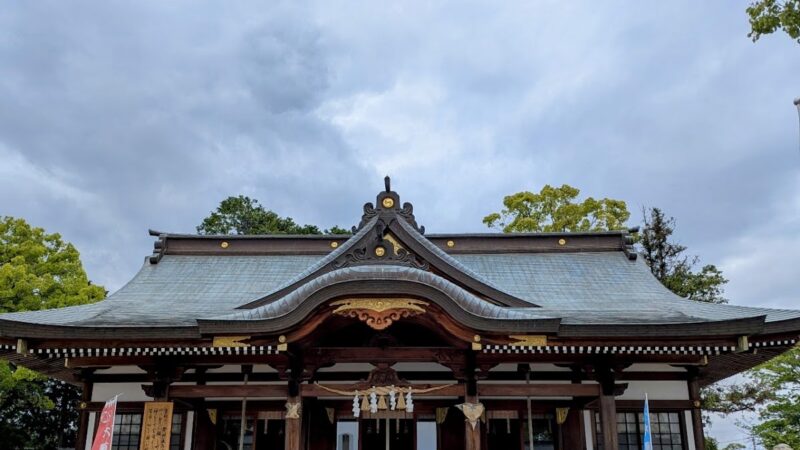
In addition to the main hall and the Daishi Hall, the temple grounds include a sutra copying office and a rest area. The main hall was rebuilt during the Edo period and still preserves the beauty of traditional temple architecture. The temple grounds are relatively compact and arranged for easy worship.
The grounds retain the atmosphere of the Shikoku Pilgrimage route, and many worshippers in white pilgrimage attire can be seen. Cherry blossoms are beautiful in spring, and autumn leaves are stunning, allowing visitors to enjoy the changing scenery throughout the seasons.
Access Information
The temple is located approximately a 10-minute walk from Kume Station on the Iyo Railway Yokogawara Line. It is also accessible by car, approximately 15 minutes from the Matsuyama Interchange on the Matsuyama Expressway. Parking is available, making it convenient for both general worshippers and pilgrims.
Kyoto Seirinji Temple (Ukyo Ward)
Founding and History
Located in Umegahata, Ukyo Ward, Kyoto City, Seirinji Temple belongs to the Tendai sect and its official name is “Hanekyuzan Hikoin Seirinji.” It is said to have been founded in the early Heian period by the monk Keishun Sozu.
The temple’s name originates from a legend that Tarobo, a tengu (mythical creature) of Mount Atago, rested his wings in a pine tree on the temple grounds. This legend gave rise to the mountain’s name, “Haneyasuyama” (羽休山), and it is affectionately known locally as “Mukuge Jizo-san” (無久妛さん).
Principal Image and Beliefs
The principal image is Jizo Bodhisattva, particularly revered as a Jizo for child-rearing by the local people. Hibiscus trees are planted on the temple grounds, blooming beautifully from summer to autumn. These hibiscus trees are the origin of the temple’s nickname, “Mukuge Jizo-san.”
Temple Grounds
Located in a quiet environment at the foot of Mount Atago in western Kyoto, the temple offers a peaceful atmosphere far removed from the hustle and bustle of the city. Although small, the grounds are well-maintained, and seasonal flowers welcome visitors.
Access
Approximately a 5-minute walk from the “Kiyotaki” bus stop (Kyoto City Bus). It’s relatively close to Arashiyama and Takao, making it easily accessible for sightseeing in Kyoto. However, since it’s located in a mountainous area, be aware of the limited number of public transportation options.
Nishibayashi-ji Temple (Sakamoto), Nishiwaki City, Hyogo Prefecture
An Ancient Temple Founded by Hodo Sennin
Nishibayashi-ji Temple, located in Sakamoto, Nishiwaki City, Hyogo Prefecture, belongs to the Koyasan Shingon sect and its mountain name is Kashiwayama. It is an ancient temple said to have been founded in 651 AD by Hodo Sennin.
Hodo Sennin was a legendary monk who founded many temples in the Harima region, and Nishibayashi-ji Temple is one of them, boasting a history of over 1300 years. Despite undergoing several reconstructions throughout its long history, it has continued to uphold its religious traditions as a center of local faith.
Cultural Properties and Principal Image
The principal image, a standing statue of the Eleven-Headed Kannon Bodhisattva, dates from the mid-Heian period and is a Hyogo Prefecture designated cultural property. This Kannon statue is unique in that it has four arms instead of the usual two, making it a valuable example in the history of Buddhist art.
The temple grounds also contain other historically valuable Buddhist statues and buildings, making it a temple of high cultural value.
The Charm of a Flower Temple
Nishibayashi-ji Temple is known as a “flower temple,” and is particularly famous as a “hydrangea temple.” The temple grounds feature the “Tsumano-go Hydrangea Garden,” where approximately 10,000 hydrangea plants are planted. During the blooming season from June to July, the temple grounds are adorned with colorful hydrangeas, attracting many tourists.
Furthermore, the temple grounds are also famous for a rare camellia called “Karako Tsubaki.” With cherry blossoms in spring and autumn leaves in fall, the temple grounds are beautiful with flowers blooming in every season.
Geographical Location and Access
The address is 455 Sakamoto, Nishiwaki City, Hyogo Prefecture. From Nishiwakishi Station on the JR Kakogawa Line, it’s about a 15-minute bus ride to the “Sakamoto” bus stop, followed by a 5-minute walk. By car, it’s about a 20-minute drive from the Takino-sha Interchange on the Chugoku Expressway. Temporary parking is available during the hydrangea season.
Nishibayashi-ji Temple, Oyama City, Tochigi Prefecture
History and Overview
Nishibayashi-ji Temple, located in Oyama City, Tochigi Prefecture, is a temple deeply intertwined with the local history. While the exact founding date is unknown, it functioned as a center of local faith from the medieval to early modern periods.
The temple grounds retain historical buildings and stone structures, occupying an important position as a regional cultural asset.
Connection with the Community
Nishibayashi-ji Temple in Oyama City has strong ties with local residents, and various events and memorial services are held throughout the year. It remains a beloved place for many people, indispensable to understanding the region’s history.
Access Information
Located within Oyama City, it is accessible by bus or taxi from JR Oyama Station. For detailed access information, we recommend checking in advance.
Nishibayashi-ji Temple, Hakata-ku, Fukuoka Prefecture
Jodo Shinshu Honganji-ha Temple
Nishibayashi-ji Temple, located in Yoshizuka, Hakata-ku, Fukuoka City, is a temple belonging to the Jodo Shinshu Honganji-ha sect, and its mountain name is Shokozan. Its founder was named Dotoku, and records indicate that he returned to Jodo Shinshu in 1657 (Meireki 3) in Katakasu Village, Naka-gun (present-day Yoshizuka 3-chome, Hakata-ku).
As a Jodo Shinshu temple, it enshrines Amida Buddha as its principal deity and continues its activities to transmit the teachings of Shinran Shonin.
Modern Activities
It continues to function as a local temple, regularly holding memorial services, Buddhist ceremonies, and Dharma talks. It engages in activities that contribute to the local community through the teachings of Jodo Shinshu.
Access
It is located within walking distance of Yoshizuka Station on the Fukuoka City Subway Hakozaki Line, making it easily accessible from within Fukuoka City. Located near JR Yoshizuka Station, it’s conveniently situated for those using public transportation.
Nishibayashi-ji Temple (Izumi Ward), Yokohama City, Kanagawa Prefecture
Overview and Features
Nishibayashi-ji Temple, located in Okatsu-cho, Izumi Ward, Yokohama City, Kanagawa Prefecture, is known for having its own temple cemetery. The temple grounds feature a well-maintained cemetery, as well as excellent facilities including dining facilities, memorial service facilities/multipurpose hall, and parking.
While operating with modern temple practices, it also fulfills its role as a traditional Buddhist temple.
Facilities and Services
The temple is equipped with memorial service facilities and dining facilities, making it suitable for funerals, memorial services, and other Buddhist ceremonies. The ample parking lot provides convenient access for visitors and those attending memorial services.
Access
The temple is accessible by bus from Yayoidai Station on the Sotetsu Izumino Line or Futamatagawa Station on the Sotetsu Main Line. It is also accessible by car, making it easily accessible from various locations within Yokohama City.
Xilin Temple, China (Jiangxi Province)
Historical Background
In Jiujiang City, Jiangxi Province, China, there is also a famous temple called Xilin Temple. Founded during the Eastern Jin Dynasty, it is an ancient temple where the monk Zhudanxian initially built a hermitage, and later Hui Yong succeeded him as master.
In the second year of Taiyuan of the Jin Dynasty (377 AD), the temple was built by Tao Fan, the governor of Jiangzhou, and named Xilin Temple. The eminent monk Hui Yuan of the Eastern Jin Dynasty served as abbot here for 30 years, playing a significant role in the history of Chinese Buddhism.
Introduction to the Site
Xilin Temple in China is located at the foot of Mount Lu, in a scenic setting. Many historical buildings and cultural relics remain, making it one of China’s important Buddhist historical sites.
Japanese Buddhism also originated in China, and Xilin Temple in China not only shares its name with the Xilin Temple in Japan, but also feels connected as a source of Buddhist culture.
Points to Note When Visiting Seirinji Temple
Temple Visiting Etiquette
When visiting Seirinji Temple, please observe general temple visiting etiquette. Bow at the main gate, purify your hands and mouth at the water basin, and then proceed to the main hall. In the main hall, quietly join your hands in prayer and offer your prayers with sincerity.
Photography is generally permitted, but there may be restrictions on photography inside the main hall or of Buddha statues, so please follow the signs and instructions of the temple.
Visiting Hours and Fees
Visiting hours and fees vary depending on the Seirinji Temple. Generally, visiting hours are from 8:00 AM to around 5:00 PM, but these may change depending on the season or events.
If there are special facilities such as a hydrangea garden, a separate entrance fee may be required. It is recommended to check the website or call each temple in advance.
Recommended Time to Visit
Each Seirinji Temple has its own recommended time to visit. Nishibayashi-ji Temple in Nishiwaki City, Hyogo Prefecture, is particularly beautiful during the hydrangea season from June to July, attracting many tourists. Nishibayashi-ji Temple in Shikoku is best visited during the cherry blossom season in spring and the autumn foliage season.
Nishibayashi-ji Temple in Kyoto is recommended during the summer when the hibiscus flowers are in bloom. Planning your visit to take advantage of the unique characteristics of each temple will lead to a more fulfilling pilgrimage experience.
Cultural Properties and Treasures of Nishibayashi-ji Temples
Buddhist Sculptures
Nishibayashi-ji Temples throughout Japan house Buddhist statues of high historical value. In particular, the Eleven-Headed Kannon standing statue at Nishibayashi-ji Temple in Nishiwaki City, Hyogo Prefecture, is a rare form with four arms and is designated as a prefectural cultural property as an excellent Buddhist sculpture from the mid-Heian period.
The principal image of Nishibayashi-ji Temple in Matsuyama City, Shikoku, the Eleven-Headed Kannon Bodhisattva, is also a valuable Buddhist statue said to have been created by Kobo Daishi. These Buddhist statues, as crystallizations of faith and art from their respective eras, continue to captivate the hearts of many people today.
Buildings
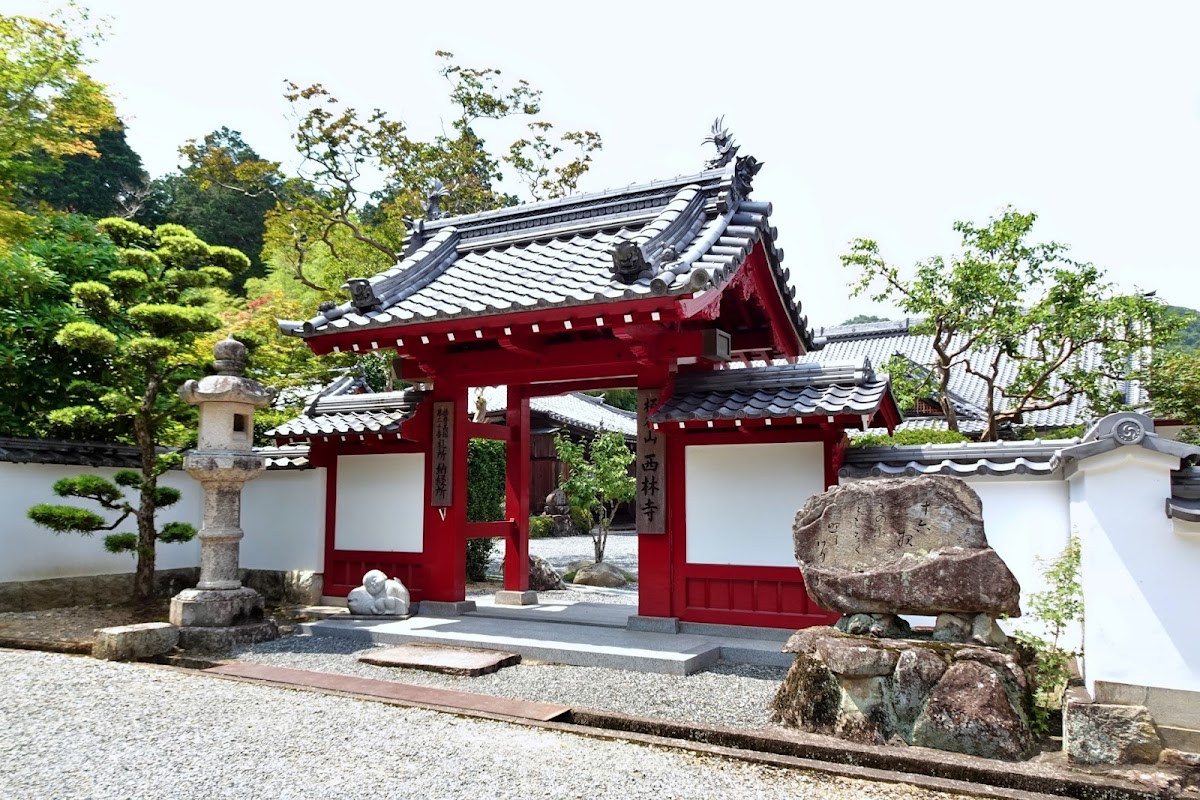
The buildings of each Seirinji temple, such as the main hall and temple gate, are valuable cultural heritage that convey the architectural styles of their respective eras. Many were rebuilt during the Edo and Meiji periods, and they still convey the beauty of traditional temple architecture.
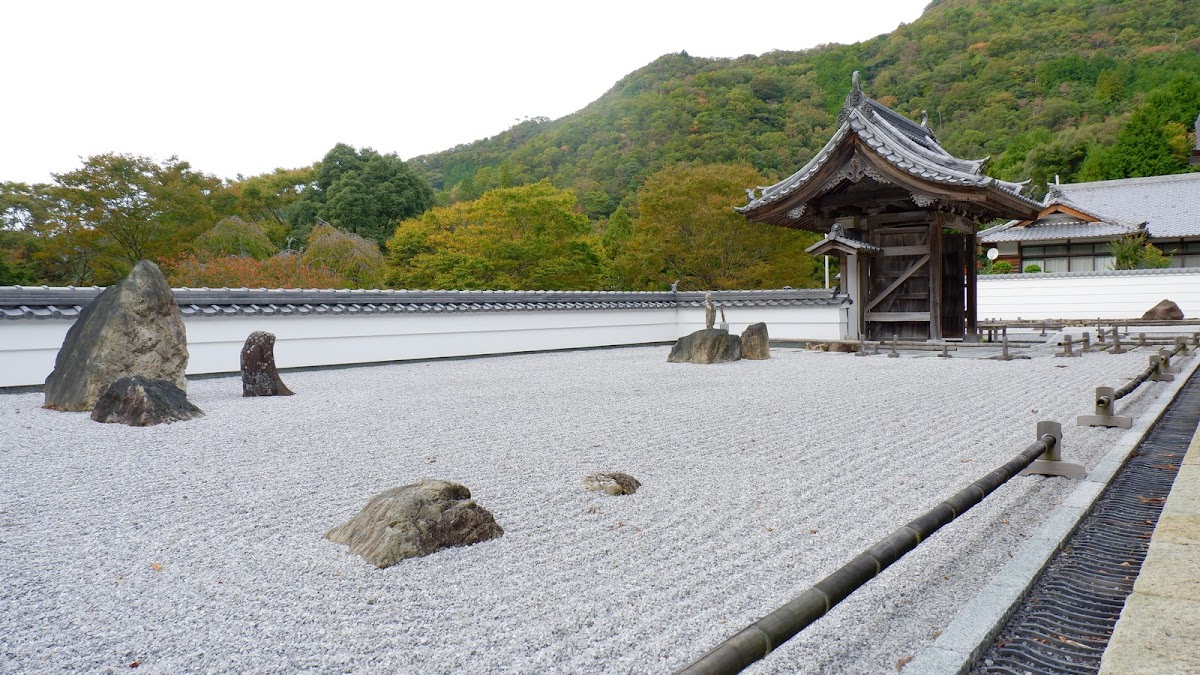
The layout of the temple grounds and the design of the gardens also reflect the history and individuality of each temple, making them a group of temples with many points of interest for those interested in architecture and gardens.
Seirinji Temples and Regional Culture
Centers of Regional Faith
Seirinji temples in various regions have functioned as centers of faith in their respective areas. Through annual events, festivals, and memorial services, they play a role in strengthening the bonds of local communities.
Especially in Seirinji temples located in rural areas, faith in abundant harvests and family safety is deeply rooted and closely intertwined with the lives of the local people.
Value as a Tourism Resource
In recent years, Seirinji temples have also attracted attention as a tourism resource. Nishirinji Temple in Hyogo Prefecture, particularly known as a “flower temple,” and Nishirinji Temple in Ehime Prefecture, a pilgrimage site of the Shikoku Pilgrimage, attract many tourists and pilgrims.
They also play an important role as centers for regional revitalization and cultural dissemination, with temples and local communities collaborating on various initiatives.
Summary: The Diversity and Charm of Nishirinji Temples
Nishirinji temples, scattered throughout Japan, each possess their own unique history and characteristics, yet have served as spiritual havens for people through Buddhist faith. Their forms are diverse: some welcome pilgrims as pilgrimage sites of the Shikoku Pilgrimage, others convey the beauty of the four seasons as “flower temples,” and still others support daily faith as local parishioners’ temples.
The principal images, cultural assets, the scenery of the temple grounds, and above all, the traditions of faith cultivated over a long history are major attractions of each Nishirinji temple. By visiting each Nishirinji temple, you can experience the richness and diversity of Japanese Buddhist culture.
When visiting Seirinji Temple for worship or sightseeing, it is recommended to research the temple’s unique history and characteristics beforehand to gain a deeper understanding and experience. The time spent calming your mind in the tranquil temple grounds and reflecting on history will surely be a valuable healing experience in today’s society.