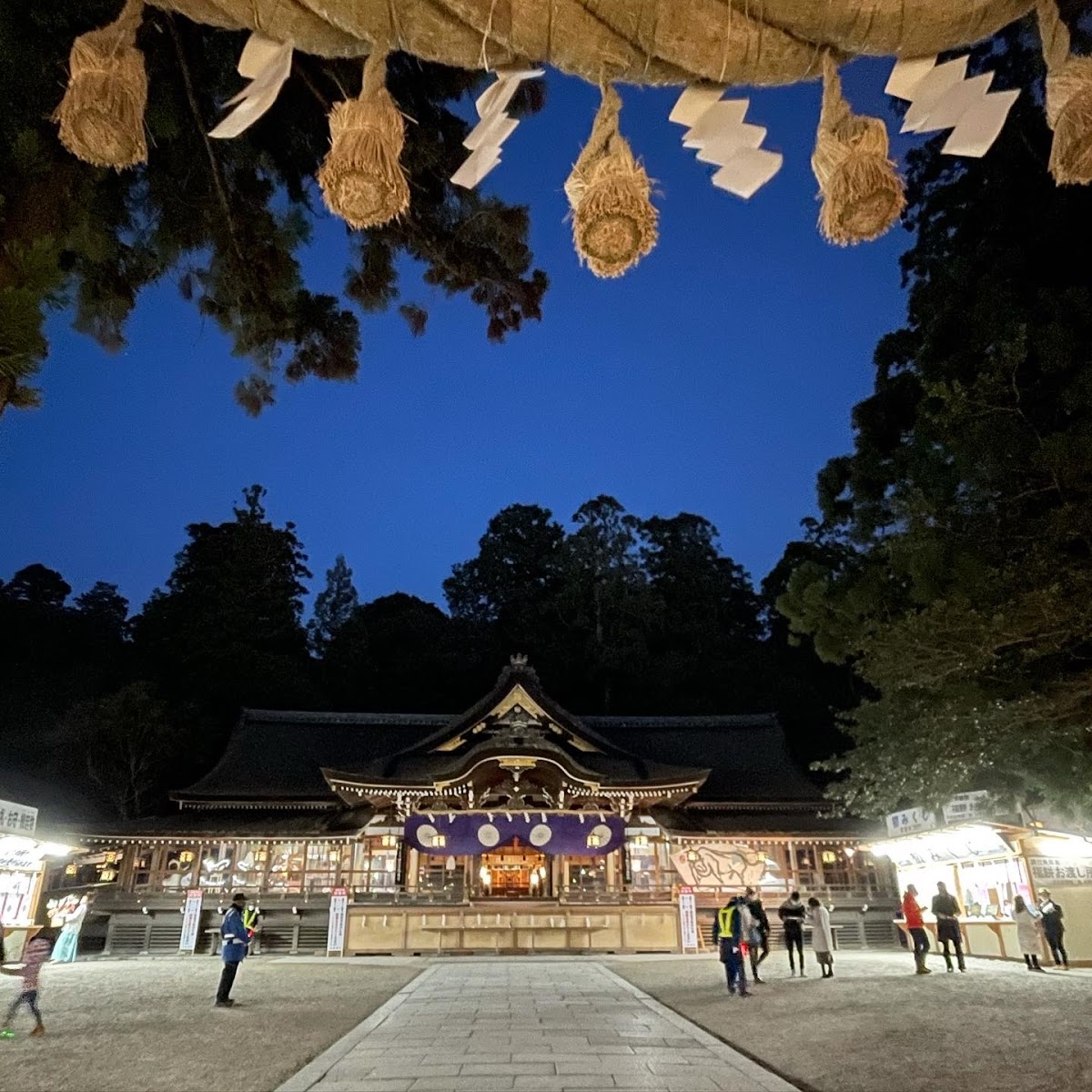
Complete Guide to Miwa Shrines: A Comprehensive Summary of History, Benefits, and Goshuin Information for Miwa Shrines Nationwide
Miwa shrines exist throughout Japan, each with its own unique history and beliefs. Many of them consider Omiwa Shrine in Sakurai City, Nara Prefecture, as their head shrine, and enshrine Omononushi-no-kami as their principal deity. This article provides a detailed explanation of the major Miwa shrines throughout Japan, including their historical background, benefits, visiting information, and even their Goshuin (shrine stamps).
What is Miwa Faith?: Japan’s Oldest Form of Shrine
Miwa faith originates from a primitive form of worship that considers Mount Miwa in Sakurai City, Nara Prefecture, as the sacred object of worship. Omiwa Shrine, without a main hall, preserves Japan’s oldest form of shrine worship, where worshippers pray to Mount Miwa itself through the three torii gates.
The Origins of the Miwa Mountain Faith
According to the Kojiki and Nihon Shoki, Ōmononushi-no-kami is considered the benevolent spirit (nigimitama) of Ōkuninushi-no-kami, the god of nation-building, and is said to have resided on Mount Miwa during the reign of Emperor Sujin. This myth forms the foundation of the Miwa faith and became the basis for the establishment of Miwa shrines throughout Japan.
Mount Miwa is a beautiful conical mountain with an elevation of 467 meters, and has been revered as a sacred mountain since ancient times. Because the mountain itself is considered a sacred object, there are strict rules for entering the mountain, and even today, photography and eating/drinking are prohibited.
The Divine Nature of Ōmononushi-no-Kami
Ōmononushi-no-Kami is known as a deity with diverse divine attributes:
- God of Nation Building: A god who, together with Ōkuninushi-no-Kami, pioneered the land.
- God of Agriculture: A god who brings abundant harvests.
- God of Sake Brewing: A god who transmitted the techniques of sake brewing.
- God of Medicine: A god with the power to heal illnesses.
- God of Matchmaking: A god who brings about good relationships.
These multifaceted divine attributes are expressed in various forms of worship at Miwa Shrines throughout Japan.
Nara’s Ōmiwa Shrine: The Head Shrine of Miwa Faith
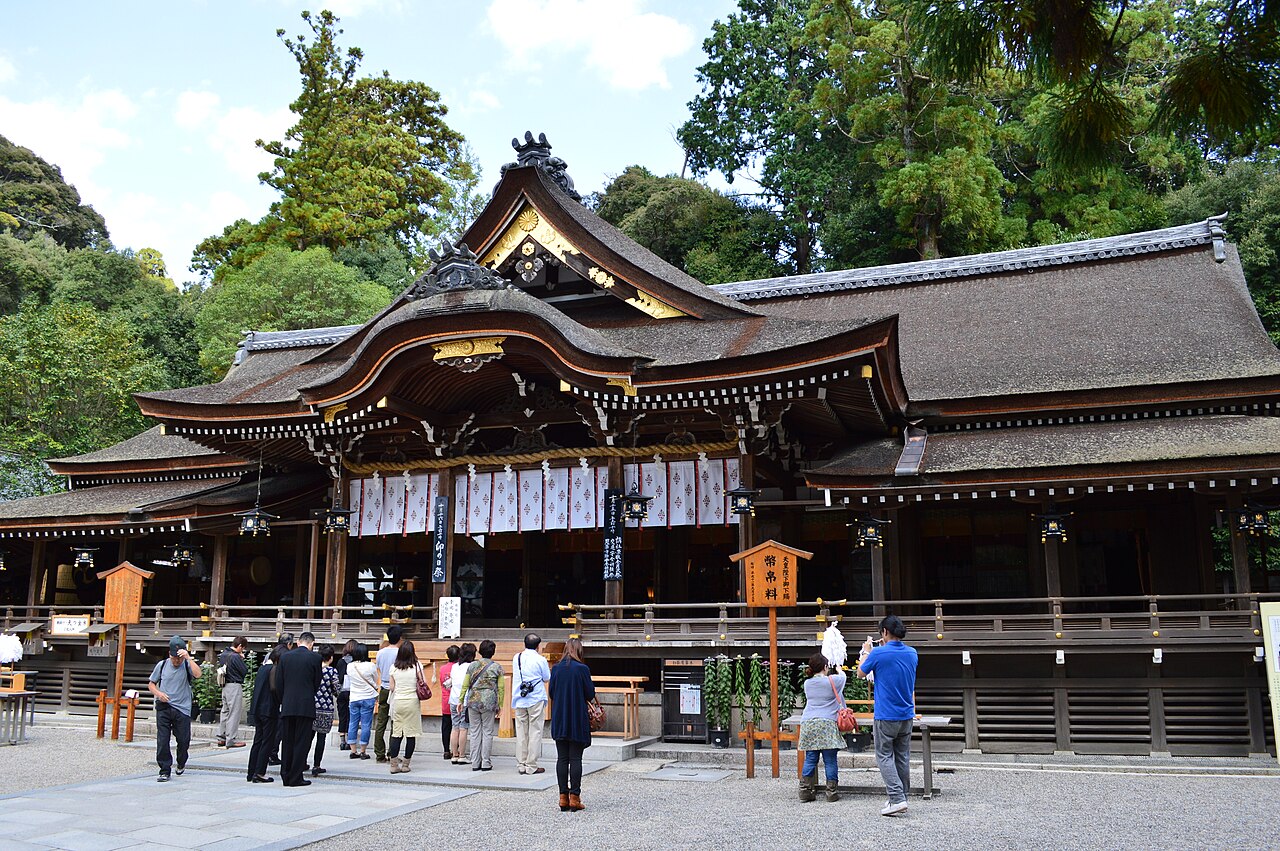
Ōmiwa Shrine, located in Sakurai City, Nara Prefecture, is also known as Miwa Myōjin and has been widely revered since ancient times by the imperial court and common people as the Ichinomiya (first-ranked shrine) of Yamato Province.
Characteristics of Ōmiwa Shrine
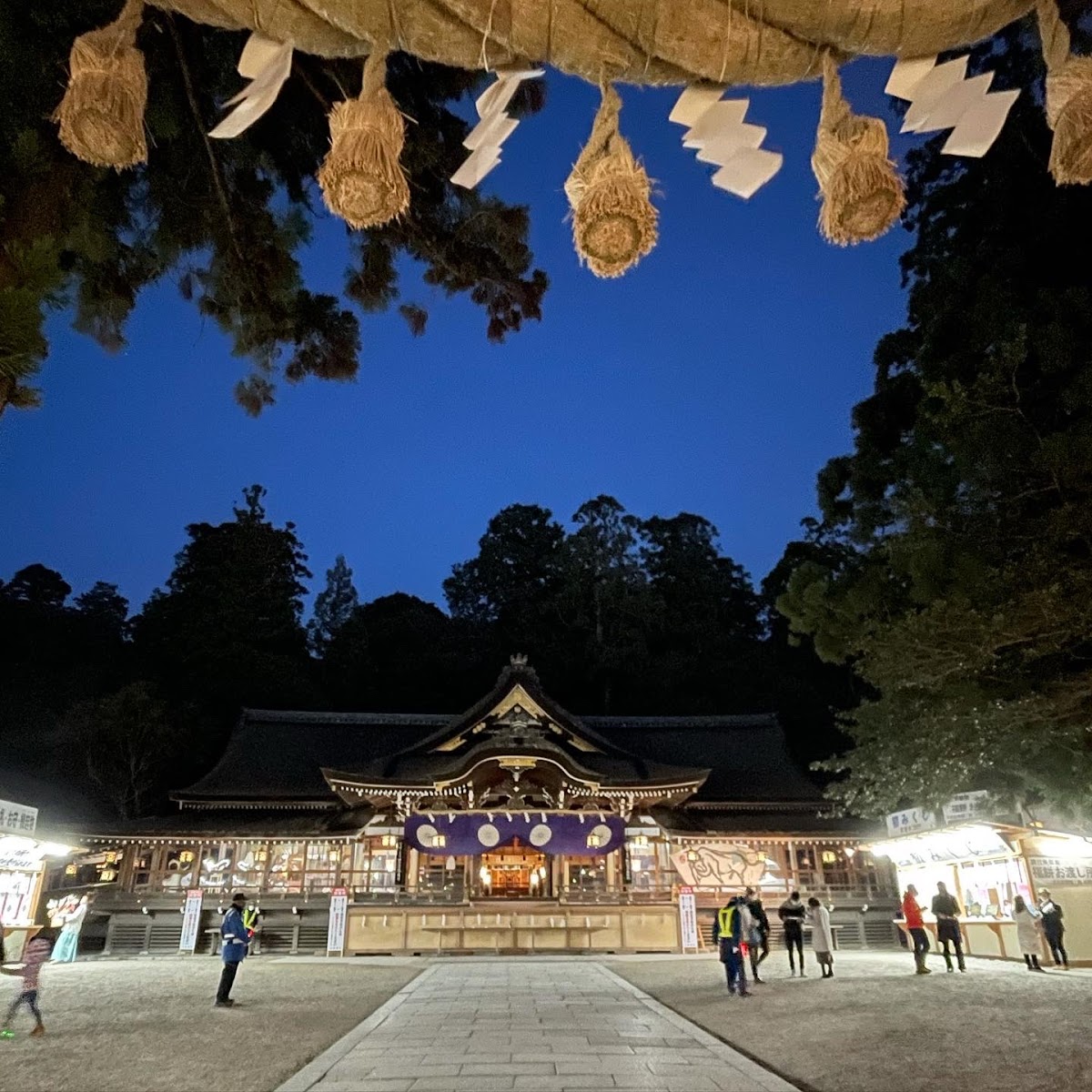
The most distinctive feature of Ōmiwa Shrine is that it does not have a main hall. Behind the worship hall are three torii gates, beyond which lies a restricted area leading to Mount Miwa. This form is called “Sacred Mountain Worship” and preserves the original form of Japanese Shinto.
Numerous subsidiary shrines and smaller shrines exist within the grounds, each attracting its own unique devotions. Sai Shrine, in particular, has a sacred spring called “Medicine Well” and is known for its association with healing illnesses.
Proper Worship Etiquette
At Omiwa Shrine, worship is conducted using the general two bows, two claps, and one bow method. However, those wishing to climb Mount Miwa must register at Sai Shrine and receive a sash. Climbing is considered a sacred act, and there are regulations regarding clothing and belongings.
Annual Events
Many festivals are held throughout the year at Omiwa Shrine:
- January 1st: Saitansai (New Year’s Festival)
- February 17th: Kinensai (Harvest Festival)
- April 9th: Hanashizume no Matsuri (Flower Calming Festival)
- November 23rd: Niinamesai (Harvest Festival)
The Hanashizume no Matsuri, in particular, has long been considered important as a festival to ward off epidemics, and medical professionals from all over the country attend.
Nagoya/Osu Miwa Shrine: A City Matchmaking Spot
Located in Osu, Naka Ward, Nagoya City, Miwa Shrine is a popular matchmaking shrine that maintains a tranquil atmosphere despite being in the heart of Osu, a youth-oriented area.
History and Origins
Nagoya’s Miwa Shrine is said to have originated when Maki Nagakiyo, the husband of Kobayashi-dono (sister of Oda Nobunaga), invited the deity Omononushi-no-kami from his hometown of Yamato Province when he moved to Kobayashi Castle. Later, the shrine developed strong ties with the Owari Tokugawa family, and in 1668 (Kanbun 8), a training ground (yaba) for archery, a practice event held by the Tokugawa family at Sanjusangen-do Temple in Kyoto, was established there. This yaba is the origin of the place name “Yaba-cho.”
Deities and Blessings
Deities:
- Ōmononushi-no-kami
- Tokugawa Yoshinobu-no-mikoto
Main Blessings:
- Matchmaking: Fulfillment of love, prayer for good relationships
- Victory: Achievement of goals, prayer for winning elections
- Business Prosperity: Business development, business success
- Marital Harmony: Harmonious family life, harmony
Matchmaking Tree
The sacred tree on the shrine grounds, known as the “Matchmaking Tree,” is a camphor tree estimated to be 450 years old. There is a belief that tying a red thread around this tree will bring good fortune in love, and many worshippers visit to pray for this. The method of worship is as follows:
- Receive a red thread at the shrine office.
- While silently reciting your wish, tie the red thread around the matchmaking tree.
- Offer your formal prayers at the main hall.
Goshuin (Shrine Seal) Information
Nagoya’s Osu Miwa Shrine is very popular for its goshuin, offering beautiful limited-edition goshuin designs that change with the seasons.
Regular Goshuin: Available as both pre-printed and handwritten.
Limited-Edition Goshuin:
- Monthly Goshuin (design changes every month)
- Seasonal Goshuin (spring, summer, autumn, winter)
- Special Day Limited Goshuin (Ichiryu Manbai Day, Risshun, Tango no Sekku, etc.)
In particular, the colorful and modern designs of the goshuin, such as the “Love Rainbow” series, are popular among younger generations.
Access and Visiting Information
Location: Osu, Naka-ku, Nagoya City, Aichi Prefecture
Nearest Station:
- 5-minute walk from Kamimaezu Station (Meijo Line/Tsurumai Line)
- 7-minute walk from Yabacho Station (Meijo Line)
Visiting Hours: Grounds are freely accessible (Shrine office is open from approximately 9:00 to 17:00)
Parking: None (Please use nearby coin parking)
Prayer and Information
Nagoya Osu Miwa Shrine accepts various prayers:
- Prayer for business prosperity
- Prayer for finding a partner
- Prayer for protection from evil
- Prayer for passing exams/victory
- Prayer for safety
Advance reservations are recommended for prayers. Please inquire via the official website or by phone.
Gifu, Ibi Miwa Shrine: The Guardian Shrine of the Ibi River
Located in Ibigawa-cho, Ibi-gun, Gifu Prefecture, Miwa Shrine has been revered since ancient times as the guardian shrine of the Ibi River basin.
History and Characteristics
Miwa Shrine in Ibi is affectionately known as “Daikoku-sama of Mino Province,” and its main deity is Omononushi-no-kami (Okuninushi-no-kami). While the exact founding date is unclear, it is believed to have existed since the Heian period.
Ibi Festival
The Ibi Festival is celebrated grandly every year during the Golden Week holidays in May. This festival is designated as an Important Intangible Folk Cultural Property of Gifu Prefecture and has the following features:
- Five Floats: Floats adorned with magnificent decorations gather within the shrine grounds.
- Children’s Kabuki: Local children perform Kabuki on the floats.
- Portable Shrine Procession: The portable shrine parades through the town.
The Ibi Festival has a history of over 300 years and is a symbol of the unity and faith of the local people.
Goshuin (Shrine Seals) and Access
Beautiful goshuin (shrine seals) are also available at Ibi Miwa Shrine. The monthly goshuin featuring birth flowers are particularly popular.
Location: Ibigawa-cho, Ibi-gun, Gifu Prefecture
Access: Approximately 10 minutes on foot from Ibi Station on the Yoro Railway
Osaka, Takatsuki Miwa Shrine: God of Sake Brewing
The Miwa Shrine, located in Takatsuki City, Osaka Prefecture, enshrines Ōnamuchi-no-mikoto (Ōkuninushi-no-kami) and is revered as the god of sake brewing.
History
The Miwa Shrine in Takatsuki is said to have been established by inviting the deity from Ōmiwa Shrine, located on Mount Miwa in Yamato Province. It is believed to have originally been the guardian shrine of Fumonji Temple or the tutelary deity of Tomita Village.
Relationship to Sake Brewing
The foot of Mount Miwa has been a region where sake brewing has flourished since ancient times, and Ōmiwa Shrine is also known as the “god of sake.” The Miwa Shrine in Takatsuki has inherited this faith and is deeply revered by local sake brewers and food and beverage businesses.
Every November, the “Sake Festival” is held, featuring the offering of new sake and a Shinto ritual praying for the improvement of the sake brewer’s skills.
Tottori Miwa Shrine: An Ancient Shrine in the San’in Region
There is also a Miwa Shrine in Tottori Prefecture. According to the shrine’s historical records, “The History of Miwa Shrine,” it is said to have been established during the reign of Emperor Sujin, with a divided spirit from Omiwa Shrine in Yamato Province being enshrined there.
Historical Changes
It is said that the Tottori Miwa Shrine was originally located on a hill called “Miwa-yama,” about seven cho (approximately 700 meters) southeast of its current location. Later, it was moved to its present location as times changed.
It is worshipped as the local tutelary deity and the guardian deity of agriculture and fishing, and visitors constantly come to pray for a bountiful harvest and a good catch.
Miwa Shrine, Tawaramoto, Nara: A Cultural Property Constituting a Japan Heritage Site
Located in Tawaramoto-cho, Shiki-gun, Nara Prefecture, Miwa Shrine is situated at the intersection of Yokoodo and Nakatsumichi roads and is designated as a cultural property constituting a Japan Heritage site.
Historical Significance
Foundation stones remain within the shrine grounds, and during the Edo period, a large, ancient zelkova tree stood beside the torii gate as a landmark for “Okage-mairi” (pilgrimages to the shrine). This area was a crossroads of major ancient roads and played an important role as a transportation hub.
Relationship with Ancient Roads
- Yokoodo: An ancient main road running east-west through the Nara Basin
- Nakatsumichi: An ancient official road running north-south
The presence of a shrine at this intersection held significant meaning as a place to pray for safe travels and as a guardian deity of the region.
Amulets and Charms Offered at Miwa Shrine
Each Miwa Shrine throughout Japan offers unique amulets and charms reflecting its individual characteristics.
Representative Items Offered
Related to Love and Relationships:
- Love Charm: For success in love and finding a good partner
- Red Thread Charm: For meeting your soulmate
- Couple Charm: For marital harmony and family unity
Good Fortune and Financial Luck:
- Business Prosperity Charm: For business development and success
- Financial Luck Charm: For increased wealth
- Victory Charm: For achieving goals and passing exams
Protection from Evil and Health:
- Evil Removal Charm: For the elimination of misfortune
- Recovery Charm: For recovery from illness
- Safety Charm: For traffic safety and family safety
Special Items Offered
At Miwa Shrine in Osu, Nagoya, modernly designed items are also popular:
- Colorful Love Charms
- Original Design Goshuincho (Shrine Stamp Book)
- Seasonal Special Items
Etiquette and Manners for Visiting Miwa Shrine
Basic Worship Etiquette
- Bow before passing through the torii gate
- Purifying yourself at the water basin
- Take the ladle with your right hand and purify your left hand.
- Switch the ladle to your left hand and purify your right hand.
- Return the ladle to your right hand, receive water with your left hand, and rinse your mouth.
- Finally, stand the ladle upright and purify the handle.
- Worship in front of the main hall
- Quietly place your offering.
- Two bows, two claps, one bow.
- Recite your wish silently.
- Bow once more at the torii gate upon leaving
Points to note when visiting
- Be quiet within the shrine grounds.
- Photography is only permitted in designated areas.
- Be mindful that this is a sacred place.
- Pets are generally prohibited.
- Eating and drinking are only permitted in designated areas.
Miwa Shrine Annual Events Calendar
Each Miwa Shrine throughout Japan holds its own unique annual events. The main events are summarized by month.
January
- Saitansai (New Year’s Day Festival): A festival celebrating the New Year
- Hatsumōde (First Shrine Visit of the Year): A festival bustling with many worshippers
February
- Setsubunsai (Bean-throwing Festival): A Shinto ritual involving scattering beans
- Kinensai (Prayer for a Bountiful Harvest): A festival praying for a bountiful harvest
April
- Chinkasai (Flower-Blooming Festival): A festival to ward off disease (Ōmiwa Shrine)
- Shunki Taisai (Spring Grand Festival): Held at various Miwa Shrines
May
- Ibi Matsuri (Ibi Festival): The grand festival of Ibi Miwa Shrine in Gifu Prefecture
- Tango no Sekku (Boys’ Festival): Special Goshuin (shrine seals) are given out
June
- Natsukoshi no Ōharae (Summer Purification Ceremony): A purification ceremony to cleanse away the sins and impurities accumulated over the past six months
November
- Sake Matsuri (Sake Festival): A festival of thanksgiving to the god of sake brewing
- Niinamesai (Harvest Festival): A festival of gratitude for the harvest
December
- Toshikoshi no Ōharae (Year-End Purification Ceremony): A purification ceremony to cleanse away the sins and impurities accumulated over the past year
- New Year’s Eve Festival: A festival marking the end of the year
Ichiryu Manbai Day and Special Visiting Days
At Miwa Shrine, special goshuin (shrine seals) and gifts are sometimes prepared on auspicious days.
What is Ichiryu Manbai Day?
Ichiryu Manbai Day is an auspicious day meaning “a single grain of rice will grow into a rice plant bearing ten thousand grains.” It is considered the best day to start something new and is suitable for making wishes such as:
- Opening a business/store
- Buying a new wallet
- Starting an investment
- Sowing seeds (the beginning of something)
Other Auspicious Days
- Tensha Day: The most auspicious day, occurring only a few times a year
- Tiger Day: A day blessed with good fortune in money
- Snake Day: Benzaiten’s festival day, a day of good fortune in money
- Kinoe-Ne Day: An auspicious day occurring once every 60 days
On these days, special handwritten goshuin may be given at Miwa Shrine in Nagoya, Osu, and other locations.
Frequently Asked Questions about Miwa Shrine
Q: Where are Miwa Shrines located?
A: There are several Miwa Shrines throughout Japan. The most famous is Omiwa Shrine (Miwa Myojin) in Sakurai City, Nara Prefecture, but there are also shrines in Nagoya City, Ibi District, Gifu Prefecture, Takatsuki City, Osaka Prefecture, and Tottori Prefecture, among others.
Q: Which Miwa Shrine is famous for its blessings for matchmaking?
A: The Miwa Shrine in Osu, Naka Ward, Nagoya City, is particularly famous for matchmaking. It has a sacred tree called the “Tree of Matchmaking,” and it is believed that tying a red thread around it will bring good fortune in love.
Q: Can I get a Goshuin (shrine stamp)?
A: Many Miwa Shrines offer Goshuin. The Miwa Shrine in Osu, Nagoya, offers both handwritten and pre-printed Goshuin, and their seasonal Goshuin with beautiful designs are also popular.
Q: Is a reservation required for prayers?
A: It varies depending on the shrine, but advance reservations are recommended, especially for individual prayers such as prayers for business prosperity or matchmaking. Please check the official website of each shrine or inquire directly by phone.
Q: Are Miwa Shrine and Omiwa Shrine the same?
A: Omiwa Shrine in Sakurai City, Nara Prefecture, is also known as “Miwa Myojin” and is the head shrine of all Miwa Shrines nationwide. Other Miwa Shrines are considered branch shrines established by inviting deities from Omiwa Shrine.
Q: What kinds of amulets are available?
A: There are various amulets that reflect the unique characteristics of each shrine, such as amulets for matchmaking, business prosperity, protection from evil, and victory. Modernly designed amulets are also popular at the Osu Miwa Shrine in Nagoya.
Summary: The Charm of Visiting Miwa Shrines
While each Miwa Shrine scattered throughout Japan has its own unique history and beliefs, they all share a common foundation: the Miwa faith with Omiwa Shrine as the head shrine. At Omiwa Shrine in Nara, you can experience the oldest form of shrine worship in Japan: the worship of a sacred mountain. Miwa Shrine in Osu, Nagoya, is popular among young people as a matchmaking spot in the city. Miwa Shrine in Ibi, Gifu, preserves a faith intertwined with local festivals, while Miwa Shrine in Takatsuki, Osaka, plays a unique role as the god of sake brewing.
Many visitors come to Miwa Shrine seeking various blessings, including matchmaking, business prosperity, victory in competitions, and protection from evil. It’s also a popular destination for collecting Goshuin (shrine stamps), with each shrine offering beautifully crafted stamps.
Why not visit your nearest Miwa Shrine, tailored to your wishes and goals? By quietly praying in this sacred space, passed down through generations, you’re sure to gain new insights and strength.