Complete Guide to Omiwa Shrine | Everything You Need to Know About the Mystery and Power Spot at Japan’s Oldest Shrine
Omiwa Shrine, located in Miwa, Sakurai City, Nara Prefecture, is one of Japan’s oldest shrines, mentioned in the Kojiki and Nihon Shoki. It preserves a primitive form of worship where Mount Miwa itself is the object of deity, and is characterized by its unique structure without a main hall. This article comprehensively introduces information you should know before visiting Omiwa Shrine, from its history, blessings, and methods of worship to nearby attractions.
What is Omiwa Shrine? | The History and Origins of Japan’s Oldest Shrine
Omiwa Shrine, as the Ichinomiya (first-ranked shrine) of Yamato Province, has attracted the fervent faith of people from ancient times to the present day. Affectionately known as “Miwa Myojin” or “Miwa-san,” its history dates back to the age of mythology.
The Story of its Founding as Recorded in Mythology
The origins of Omiwa Shrine are deeply connected to Japan’s creation myths. The enshrined deity, Ōmononushi-no-Ōkami, is known as a god who, along with Ōkuninushi-no-Kami, played a crucial role in the creation of Japan. According to the Kojiki and Nihon Shoki, Ōmononushi-no-Ōkami declared, “Resid to me on the eastern mountain, above the green walls of Yamato,” and then settled on Mount Miwa.
As this myth illustrates, Ōmiwa Shrine, even before the construction of its main buildings, possessed a form of nature worship, revering Mount Miwa itself as a deity. This primitive form of worship, which has been passed down to the present day, is one of the main reasons why Ōmiwa Shrine is considered the oldest shrine in Japan.
Uniqueness of Mount Miwa Worship
The most distinctive feature of Ōmiwa Shrine is the absence of a main sanctuary. The practice of directly worshipping Mount Miwa through the triple torii gate behind the worship hall is a valuable example of ancient worship practices. The idea that the entire Mount Miwa is sacred, and that the mountain itself is the divine object, represents the origin of Japanese Shinto.
Mount Miwa is a beautiful conical mountain with an elevation of 467 meters, and has been revered since ancient times as a “mountain where gods reside.” Throughout the mountain, numerous large rocks called iwakura are scattered, leaving traces of ancient people worshipping these as vessels for the gods.
Deities and Diverse Blessings
Omiwa Shrine is known for its diverse blessings, as it is dedicated to a deity who protects all aspects of human life.
Main Deity: Omononushi-no-Okami
Omononushi-no-Okami is a multifaceted deity, considered the god of nation-building, agriculture, commerce, and medicine. It is particularly known for the following blessings:
Nation-Building and Industrial Development
As a deity who built the nation together with Okuninushi-no-Kami, Omononushi-no-Okami is believed to bring blessings for industrial development and business prosperity. Many business owners and entrepreneurs visit the shrine.
Medicine and Health
Omononushi-no-Okami is also revered as the god of medicine. Visitors continue to flock to the shrine, praying for recovery from illness and longevity. Within the grounds is the Sai Shrine, which boasts a sacred spring called the “Medicine Well,” believed to cure all ailments.
God of Sake Brewing
Miwa is considered the birthplace of sake, and Omiwa Shrine is famous as the god of sake brewing. Sake brewers from all over Japan visit annually, and on November 14th, the “Brewing Safety Prayer Festival (Sake Festival)” is held with great fanfare.
Power Spot for Matchmaking and Marital Harmony
Omiwa Shrine is also widely known for its blessings related to matchmaking. Based on the myth of Omononushi-no-Okami marrying a beautiful princess, it is believed to grant blessings for successful relationships, marital harmony, and family safety, attracting many female visitors.
Within the grounds is the “Married Couple Rocks,” a symbol of matchmaking, making it a popular spot for couples and married couples. Visitors can also write their wishes on heart-shaped ema (votive tablets) and dedicate them.
Protection from Misfortune and Evil Spirits
The shrine’s power to ward off misfortunes related to directions has been worshipped since ancient times. Many visitors pray for protection from misfortunes related to directions when moving, traveling, or building, and many also visit to pray for protection from evil spirits during their unlucky years.
Highlights and Important Cultural Properties within the Shrine Grounds
The grounds of Omiwa Shrine contain numerous buildings and sacred spots of high historical and cultural value.
Worship Hall (Important Cultural Property)
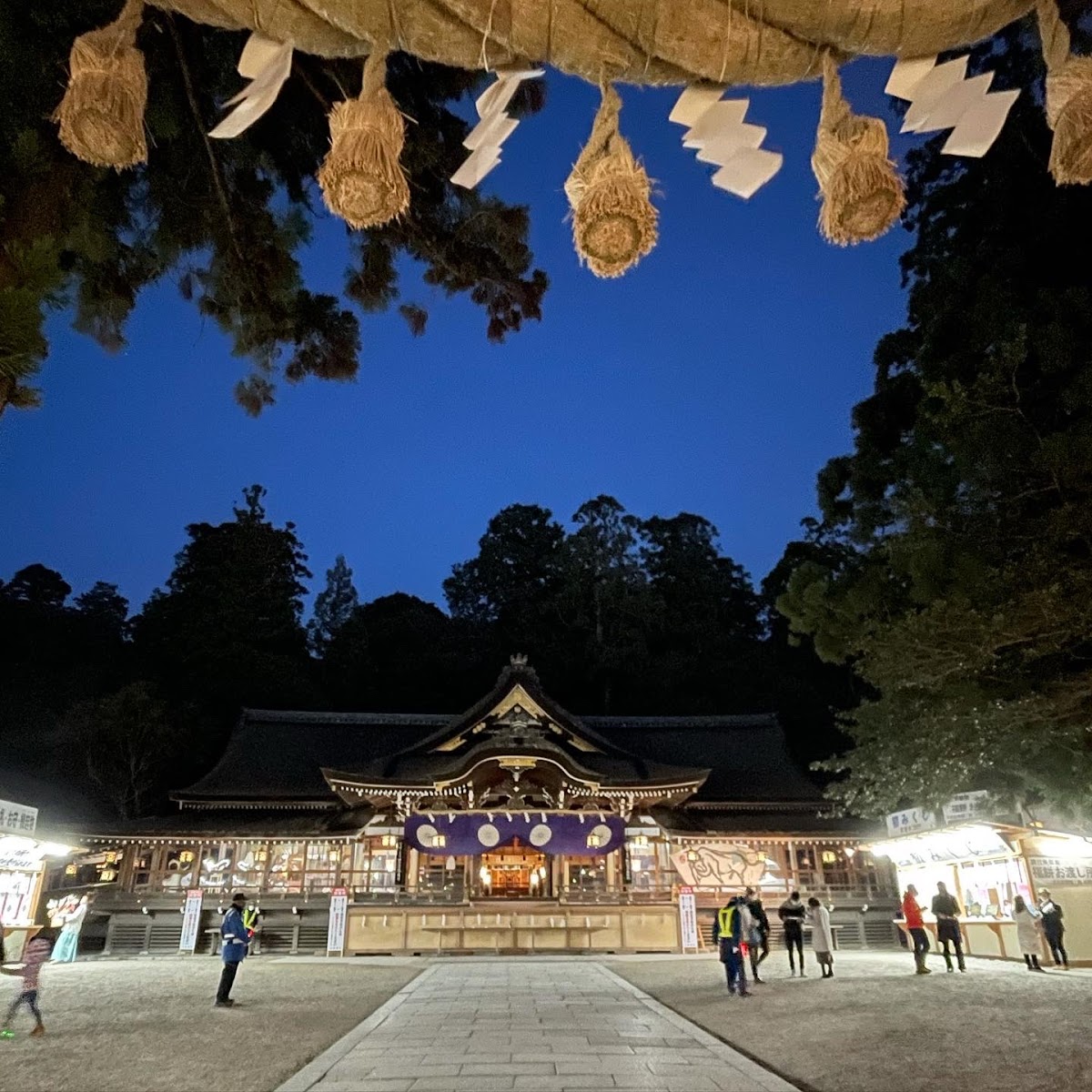
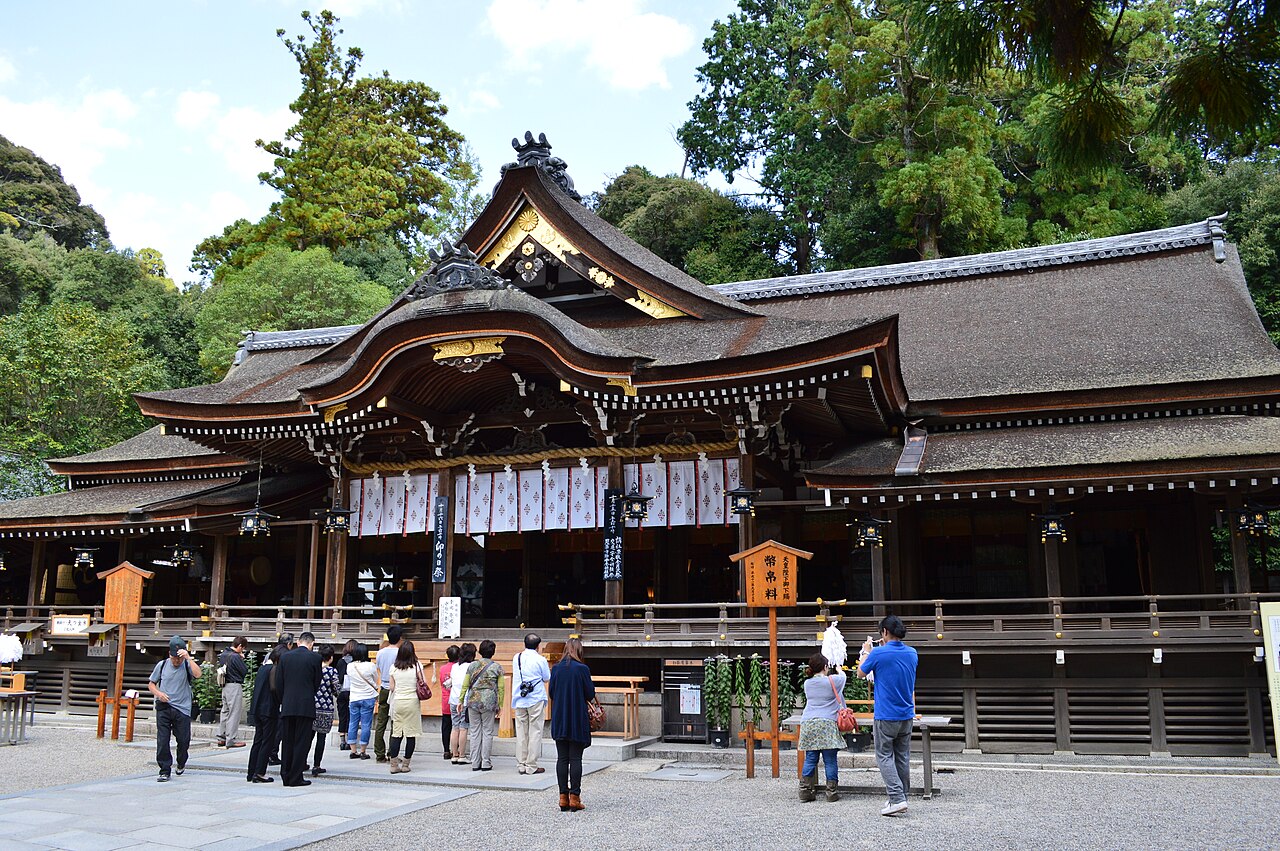
Rebuilt in 1664 by Tokugawa Ietsuna, the worship hall is designated as an Important Cultural Property. It is a magnificent building with a hipped roof, and its distinctive curved gable on the front is a notable feature. Daily prayers are performed in the worship hall, and worshippers offer their prayers towards Mount Miwa from here.
Three Torii Gates (Important Cultural Property)
Standing at the boundary between the worship hall and the restricted area, the three torii gates are the most sacred structure symbolizing Omiwa Shrine. This unique torii gate, with its central Myojin-style gate flanked by smaller torii gates, is a rare and valuable cultural asset. Normally, worshippers can only pay their respects from afar at the main hall; direct access is not permitted.
This style of worshiping Mount Miwa through these three torii gates is an important element that conveys ancient forms of worship to the present day.
The Great Torii Gate
The great torii gate standing at the entrance to the approach to the shrine boasts one of the largest sizes in Japan, standing 32.2 meters tall with a 23-meter span between the pillars. Built in 1986, this torii gate is made of weather-resistant steel and has a striking presence even from afar.
The Petting Rabbit
In front of the main hall is a statue of a rabbit called the “Petting Rabbit.” It was placed there because rabbits are considered the divine messengers of Omononushi-no-Okami, and there is a belief that stroking the same part of the statue as a painful area on one’s body will cure illness. It is especially believed to bring blessings for matchmaking and safe childbirth, and many worshippers stroke it.
Prayer Hall
Located west of the main hall, the prayer hall is where prayers for individuals and groups are offered. Prayers can be received for various wishes, including protection from misfortune, family safety, business prosperity, and traffic safety.
Subsidiary Shrines on the Grounds | Sai Shrine and Mount Miwa Pilgrimage
Many subsidiary shrines are scattered throughout the grounds of Omiwa Shrine, but Sai Shrine is particularly important.
Sai Shrine
Located about a 10-minute walk uphill from the main hall, Sai Shrine is deeply revered as a deity of healing. The enshrined deity is Omiwa no Aramitama no Kami, a god representing the fierce aspect of Omononushi no Kami.
The Sacred Water of the Medicinal Well
The most distinctive feature of Sai Shrine is the sacred spring of the “Medicinal Well” that gushes forth from within the grounds. Worshippers from all over Japan visit seeking this water, which is said to cure all kinds of illnesses. You can bring containers such as plastic bottles to take home the water, which is used for drinking and purification.
Mount Miwa Pilgrimage
Sai Shrine is also the entrance to the Mount Miwa pilgrimage. Because Mount Miwa is a sacred mountain, strict etiquette is required for the pilgrimage.
Etiquette and Precautions for the Pilgrimage
- Register at the Sai Shrine office (pilgrimage fee: 300 yen)
- Receive and wear a white sash
- Photography, eating, drinking, and open flames are strictly prohibited
- Taking plants or stones is strictly prohibited
- Pilgrimage hours are from sunrise to 2 PM (descent by 4 PM)
The pilgrimage route is approximately 4 kilometers round trip, and takes about 2-3 hours. Ancient sacred rock formations, such as Okutsu Iwakura and Nakatsu Iwakura, are scattered throughout the mountain, creating a mystical atmosphere.
The pilgrimage is a sacred act, and it is expected that one will approach it with faith, not for sightseeing purposes. ## Annual Events and Festivals
Omiwa Shrine holds many festivals and events throughout the year.
Major Festivals
Hatsumode (January 1st-3rd)
Approximately 500,000 worshippers visit during the first three days of the New Year, making it one of the most popular Hatsumode spots in Nara Prefecture.
Onda Festival (February 6th)
A traditional festival praying for a bountiful harvest, held at the Ikuhi Shrine within the grounds. A distinctive feature is the ritual where pine seedlings are used to represent rice paddies.
Spring Omiwa Festival (April 9th)
One of Omiwa Shrine’s most important annual festivals, featuring a Shinto ritual in the main hall followed by a portable shrine procession.
Brewing Safety Prayer Festival (Sake Festival) (November 14th)
A grand festival attended by sake brewers from all over Japan, dedicated to the god of sake brewing. The shrine will be offering newly brewed sake and performing Kagura (sacred dance) by the master brewer.
New Year’s Eve and First Shrine Visit of the Year
From New Year’s Eve to New Year’s Day, the shrine remains open all night and is bustling with many worshippers.
How to Worship and Manners
This section introduces the basic methods and manners for worshipping at Omiwa Shrine.
Basic Worship Procedure
- Passing Through the Great Torii Gate
Bow before passing through the torii gate. Since the center of the path is considered the path of the gods, it is customary to walk along the sides.
- Purifying at the Water Basin
Purify your hands and mouth at the water basin in front of the main hall. Hold the ladle in your right hand, wash your left hand, switch to your left hand and wash your right hand, then switch back to your right hand, receive water in your left hand, and rinse your mouth.
- Worship at the Main Hall
At the main hall, worship using the two bows, two claps, and one bow ritual. Place your offering, ring the bell, bow deeply twice, clap twice, and finally bow once.
- Strolling the Shrine Grounds
Visit the subsidiary shrines and points of interest. Worship at each shrine in the same manner.
Precautions When Visiting
- The shrine grounds are a sacred place. Please refrain from loud conversations and running around.
- The area beyond the three torii gates is a restricted area and entry is strictly prohibited.
- Photography is permitted, but please be considerate and avoid disturbing those praying or performing Shinto rituals.
- Pets are generally not allowed (except for guide dogs, etc.).
Access and Basic Information
Access by Train
Using the JR Sakurai Line
- Get off at JR Miwa Station, approximately 5 minutes on foot (nearest station)
- Approximately 5 minutes by taxi from JR Sakurai Station
Using the Kintetsu Line
- Get off at Kintetsu Sakurai Station, transfer to the JR Sakurai Line and go to JR Miwa Station
- Take a bus from Kintetsu Sakurai Station and get off at “Miwa Myojin Sando-guchi”
Access by Car
- Approximately 30 minutes from the Nishimeihan Expressway Tenri IC via National Route 169
- Approximately 40 minutes from the Hari Interchange on the Meihan Expressway via National Route 369 and National Route 165.
Parking There are several parking lots around the shrine grounds (approximately 500 yen for a regular car). Due to expected congestion during New Year’s and festivals, using public transportation is recommended.
Basic Information
- Address: 1422 Miwa, Sakurai City, Nara Prefecture
- Phone: 0744-42-6633
- Visiting Hours: Grounds are freely accessible (Shrine office: 9:00 AM – 5:00 PM)
- Admission Fee: Free (Treasure Repository: 200 yen)
- Official Website: http://oomiwa.or.jp/
Nearby Spots | Charms of the Miwa Area
The area around Omiwa Shrine is dotted with spots where you can experience history and culture.
Yamanobe-no-michi Road
The Yamanobe-no-michi Road, considered the oldest road in Japan, is an ancient path starting from Omiwa Shrine. Running north-south along the foot of Mount Miwa on the eastern side of the Nara Basin, this road is an excellent hiking course, offering a continuous stretch of ancient burial mounds, shrines, and rural scenery.
The approximately 16-kilometer course from Omiwa Shrine to Isonokami Shrine is a popular route where you can feel the romance of history while walking.
Miwa Somen Noodles
Miwa is known as the “birthplace of somen noodles,” and many long-established somen noodle shops line the area.
Morisho
A long-established shop with over 300 years of history, it continues to uphold the traditional method of making hand-stretched somen noodles. It is also a popular place to eat after visiting the shrine.
Japanese Sweets and Local Sake
Shiratamaya Eiju
A Japanese sweets shop founded in the early Meiji period. The famous “Mimuro Monaka” is an elegant Japanese confection shaped like the crest of Omiwa Shrine.
Imanishi Sake Brewery
A long-established sake brewery with over 350 years of history. Known for brewing the sacred sake for Omiwa Shrine, its “Mimurosugi” brand sake is highly regarded nationwide. Brewery tours and tastings are available (reservations required).
Hibara Shrine
Located about 2 kilometers north of Omiwa Shrine along the Yamanobe Road, Hibara Shrine is another ancient shrine that venerates Mount Miwa. Like the others, it lacks a main hall and is known as a scenic spot offering breathtaking views of Mount Miwa and Mount Futakami through its triple torii gate.
Experiencing the Power Spot of Omiwa Shrine
Omiwa Shrine is visited by many people as one of Japan’s leading power spots.
Grounds Filled with Divine Energy
Stepping onto the shrine grounds, you are enveloped in a serene atmosphere. Visiting the shrine, especially in the early morning, allows you to strongly feel the sacred atmosphere amidst the silence. Many people feel a refreshing energy flowing from Mount Miwa when standing in front of the main hall.
The Snake God Cedar
The “Snake God Cedar” on the shrine grounds is a sacred tree said to be several hundred years old. It is believed to be inhabited by a white snake, an incarnation of Omononushi-no-Okami, and eggs are offered as offerings. Many people report feeling a particularly strong power around this cedar.
A Mystical Experience on the Climb of Mount Miwa
Climbing Mount Miwa offers an opportunity for the deepest mystical experience. Standing before the sacred rocks in the mountains, you can feel the weight of the ancient faith and the sacredness of nature firsthand. Many people who complete the climb report feeling a sense of purification in mind and body.
Goshuin (Shrine Seal) and Amulets
Goshuin (Shrine Seal)
The goshuin of Omiwa Shrine can be obtained at the office next to the main hall. It is in the traditional style with the calligraphy of “Omiwa Shrine” and a red seal. Furthermore, you can also receive Goshuin (temple/shrine stamps) at the subsidiary shrines within the grounds, such as Sai Shrine.
The offering fee is generally 300 yen. It gets crowded during New Year’s and festivals, so it’s recommended to visit with plenty of time to spare.
Popular Amulets
Matchmaking Amulet
A cute design based on pink and white, popular with those wishing for a good match.
Health Amulet
An amulet for good health and recovery from illness. Many people receive this along with the sacred water from Sai Shrine.
Traffic Safety Amulet
A compact type that can be placed on a car’s dashboard is also available, popular with drivers.
Miwa Torii Amulet
A unique amulet shaped like a triple torii gate, a memorable souvenir unique to Omiwa Shrine.
Summary | A Journey to Cleanse Your Soul at Japan’s Oldest Shrine
Omiwa Shrine is not only historically valuable as Japan’s oldest shrine, but also a sacred place of great significance for us living in the modern age. The primitive form of worship that considers Mount Miwa as its sacred object prompts deep reflection on the relationship between nature, gods, and humanity.
Visiting the shrine to seek various blessings, such as matchmaking, healing from illness, or business prosperity, is a wonderful experience. Alternatively, simply walking quietly through the grounds and soaking up the sacred atmosphere can be a deeply refreshing experience.
The special experience of climbing Mount Miwa, exploring the surrounding historical sites and enjoying local cuisine, and the rich natural beauty of Nara—a visit to Omiwa Shrine will be more than just sightseeing; it will be a time for spiritual rejuvenation and purification.
When you visit Nara, be sure to visit Omiwa Shrine and experience the mystery and power of Japan’s oldest shrine. You may gain new insights and healing at this place of ancient faith.