Complete Guide to Ichijoin Temple: History, Shojin Ryori (Vegetarian Cuisine), and Accommodation Experiences in Koyasan
Located in the heart of Koyasan, Ichijoin is a special head temple of the Koyasan Shingon sect, boasting a history of over a thousand years. Widely known as a temple lodging, it offers a valuable opportunity to experience the teachings of Kobo Daishi through vegetarian cuisine and sutra copying. This article comprehensively introduces information you should know before visiting, from the history of Ichijoin to its charm as a temple lodging and access methods.
What is Ichijoin?: A Special Head Temple of Koyasan with a Thousand Years of History
Basic Information on Ichijoin
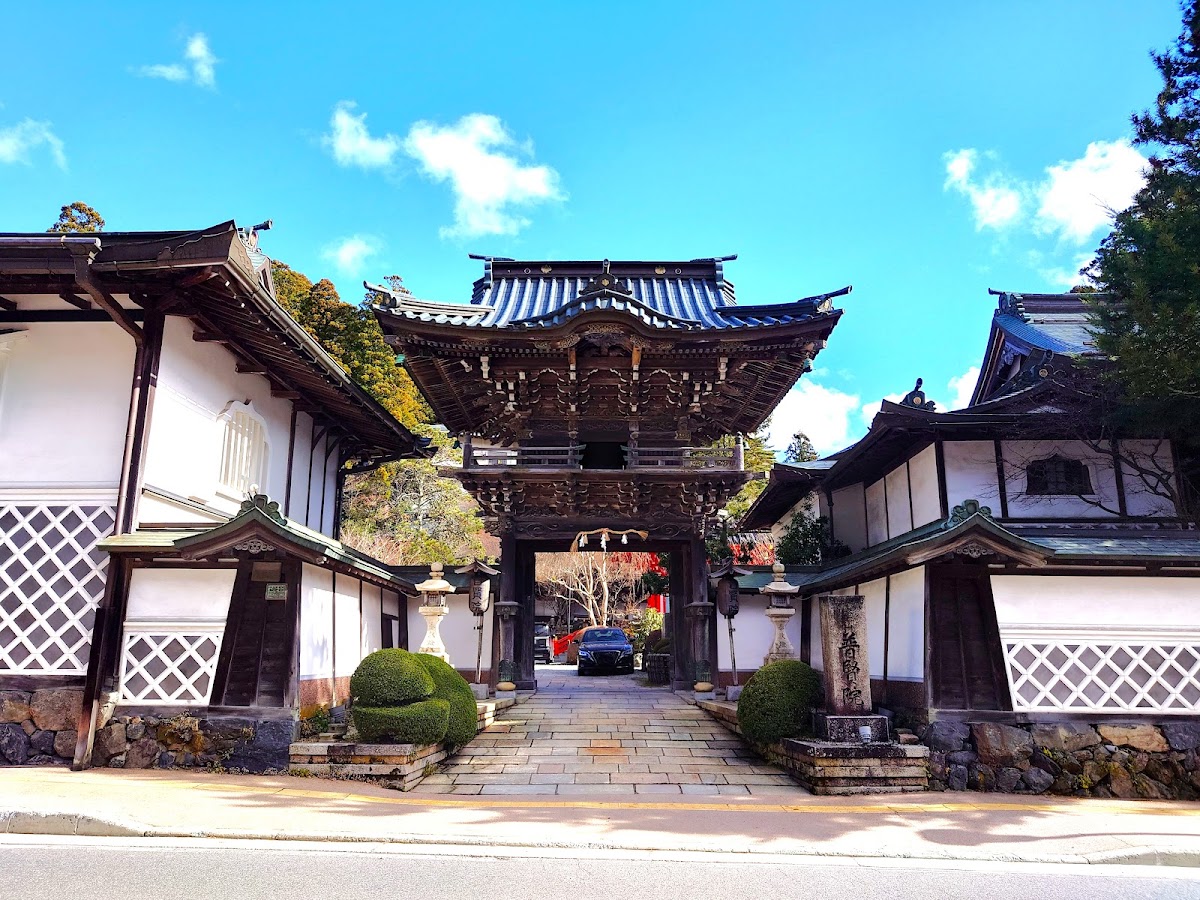
Ichijoin is a temple of the Koyasan Shingon sect located at 606 Koyasan, Koya-cho, Ito-gun, Wakayama Prefecture. It is the only temple in Koyasan to enshrine Miroku Bodhisattva as its principal image, and houses Aizen Myoo as a hidden Buddha. It holds the status of a special head temple and is one of the temples that occupies a particularly important position within Koyasan.
Located in the heart of Koyasan town, and situated on a key route to major pilgrimage sites such as the Okunoin in the east and the Daigaran in the west, Ichijoin Temple boasts an extremely convenient location as a base for sightseeing in Koyasan.
History and Background of Ichijoin Temple
Ichijoin Temple is believed to have been founded during the Konin era (early Heian period, 810-824) by Zenka Shonin. However, older records have been lost in a fire, leaving many details of its founding unclear.
Major Historical Turning Points:
- 1177 (Late Heian period): Restored by Kenkaku Daigibo. Kenkaku Daigibo was from Kumano and his surname was Ataka.
- 1387 (Nanboku-cho period): The temple’s head priest, Mochijyo Sojo, assumed the position of Hoin (Dharma Seal) and solemnly presided over the dedication ceremony for the reconstruction of Okunoin. The temple’s status was established during this period.
- From the Edo Period Onward: Establishing its position within Mount Koya, it developed as a temple lodging accommodating many pilgrims.
The continuous operation of the monks’ quarters for over 1,100 years since the founding of Ichijoin embodies the very essence of Mount Koya, which solemnly upholds the teachings of Kobo Daishi.
Differences from Kofuku-ji’s Ichijoin
There are several temples with the name “Ichijoin.” The most famous is the Ichijoin that was a sub-temple of Kofuku-ji in Nara City, Nara Prefecture. Kofuku-ji’s Ichijoin was founded in 970 by Kofuku-ji’s head priest, Jōshō, and, along with Daijōin, held a high status as a monzeki temple (a temple headed by a member of the imperial family).
Koyasan’s Ichijoin and Kofuku-ji’s Ichijoin are completely different temples, differing in location, sect, and historical background. This article deals with the Koyasan Shingon sect Ichijoin in Koya-cho, Wakayama Prefecture.
Ichijoin Temple’s Temple Lodging Experience: Experiencing the Daily Life of a Monk
What is a Temple Lodging?
A temple lodging is originally accommodation provided by temples for pilgrims and monks in training. Currently, it is also available to general travelers and is gaining popularity as a special experience where you can stay while experiencing the daily life of a temple.
At Ichijoin Temple’s temple lodging, you can actually experience the daily life of a monk’s residence that has continued for over a thousand years. Participating in morning prayers, being served vegetarian meals, practicing sutra copying, and meditation will allow you to spend a time filled with peace of mind and healing, away from the hustle and bustle of everyday life.
Hospitality and Facilities of the Temple Lodging
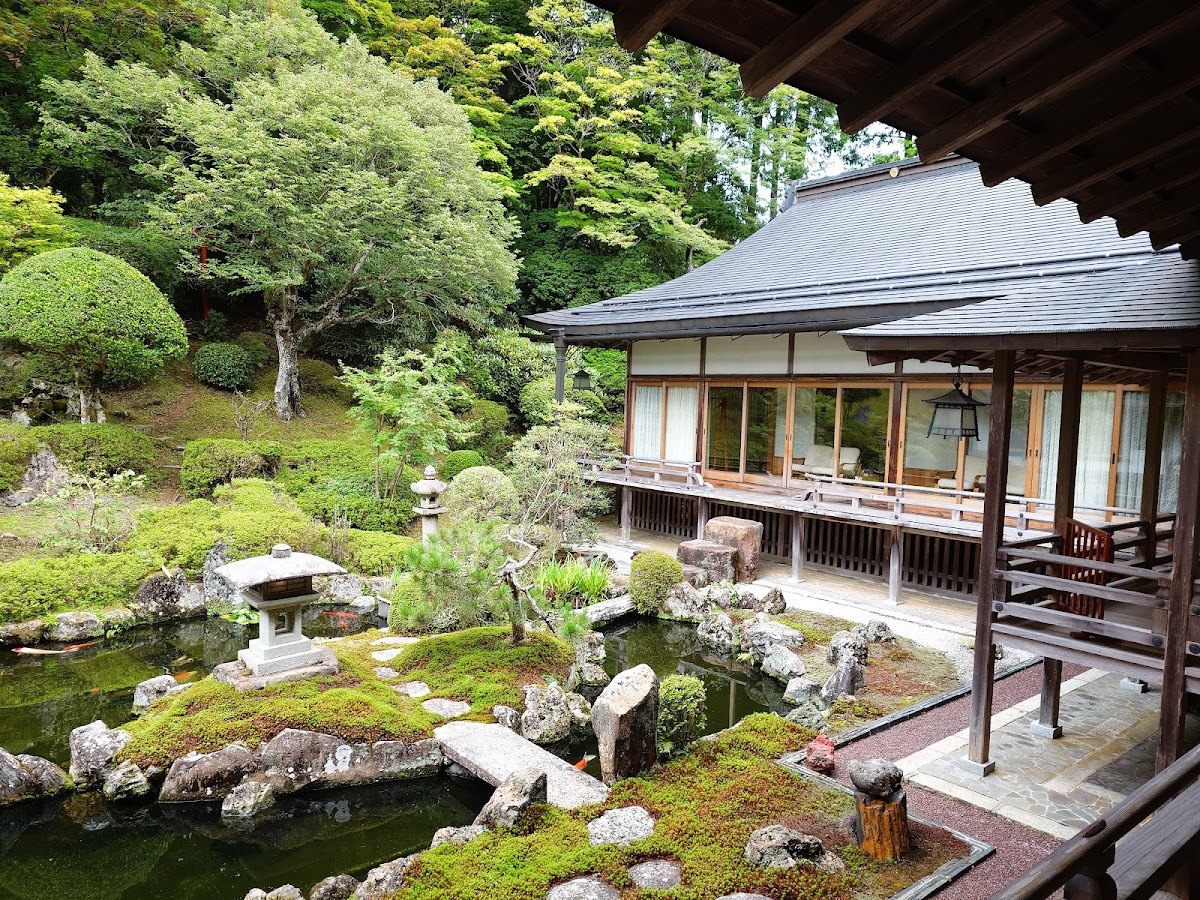
Ichijoin Temple’s temple lodging combines the beauty of traditional Japanese architecture with modern comforts.
Guest Room Features:
- A tranquil space centered around a Japanese-style room with tatami flooring.
- Clean and well-maintained rooms.
- A peaceful environment perfect for refreshing mind and body.
Facilities & Services:
- Hot spring and bath facilities (details to be confirmed upon booking).
- Provision of various amenities.
- Modern facilities such as Wi-Fi (may vary depending on the facility).
- Parking available.
When staying, it is important to understand that, due to its nature as a temple, it differs from a typical hotel. For example, there may be a curfew, and consideration for noise at night is required.
Check-in/Check-out Times
The general operating hours for temple lodgings are as follows:
- Check-in: Around 3 PM
- Check-out: Around 10 AM
Specific times may vary depending on the season and booking status, so it is recommended to confirm when booking.
Ichijoin’s Shojin Ryori (Vegetarian Cuisine): A meal to purify mind and body.
Meaning and Characteristics of Shojin Ryori
Shojin Ryori is vegetarian cuisine based on Buddhist teachings. This traditional Japanese cuisine uses only plant-based ingredients such as vegetables, legumes, grains, and seaweed, without using meat or fish. It adheres to the Buddhist precept of “not killing living beings,” while pursuing nutritional balance and flavor.
Ichijoin’s vegetarian cuisine is characterized by its menu, which utilizes seasonal ingredients and cooking techniques cultivated over many years on Mount Koya. Every aspect—visual beauty, depth of flavor, and nutritional balance—is prepared with care and dedication.
Offering Vegetarian Lunch
Ichijoin offers vegetarian lunches not only to overnight guests but also to day visitors. This is a valuable opportunity to savor authentic vegetarian cuisine as part of your Mount Koya sightseeing.
Example of Shojin Ryori (Vegetarian Buddhist Cuisine):
- Sesame Tofu: A specialty dish of Koyasan
- Simmered and fried seasonal vegetables
- Soup made with vegetarian broth
- Various pickles
- Rice (cooked with the pure water of Koyasan)
Shojin Ryori is characterized by cooking methods that bring out the natural flavors of the ingredients, highlighting their natural sweetness and umami. It is highly regarded by many pilgrims and tourists as a satisfying meal even without meat or fish.
Learning Through Shojin Ryori
Eating Shojin Ryori has meaning beyond mere consumption. It is an opportunity to cultivate gratitude for the ingredients, respect for the cook, and humility regarding the life we take.
Through the dining experience at Ichijoin, you can re-examine the essential meaning of “food,” which is often forgotten in our busy modern lives.
Training Experience at Ichijoin Temple: Practicing Mindfulness
Morning Service (Kyōgyō)
Staying at the temple lodging provides an opportunity to participate in the early morning service. Listening to the monks chanting, quietly sitting in meditation, and reciting sutras brings a sense of inner peace rarely found in daily life.
The morning service usually begins around 6:00 AM (this varies seasonally). Participation is optional, but we highly recommend taking part, as it’s a valuable temple lodging experience.
Sutra Copying Experience
Sutra copying is a practice of carefully transcribing Buddhist scriptures character by character. Ichijoin Temple offers sutra copying experiences, including the Heart Sutra.
Benefits of Sutra Copying:
- Calms the mind and enhances concentration
- Clears the mind of distractions and unifies the spirit
- Connects with Buddhist teachings through writing
- Completed sutras can be offered as a dedication
All necessary tools for sutra copying (brush, ink, paper, etc.) are provided by the temple, making it easy for beginners to experience.
Meditation and Zen Meditation
Meditation and Zen meditation are important practices for calming the mind and reflecting on oneself. Ichijoin Temple offers meditation and Zen meditation instruction to those who wish to participate.
Meditation in the quiet main hall provides a precious time to release the stresses of daily life and regain inner peace. Even first-timers can participate with confidence thanks to the careful instruction provided.
Access and Parking Information for Ichijoin Temple
Basic Information
Address:
606 Koyasan, Koya-cho, Ito-gun, Wakayama Prefecture 648-0211
Phone Number:
0736-56-2214
Access by Public Transportation
The most common way to access Koyasan is by using the Nankai Electric Railway.
From Osaka:
- Take the Nankai Electric Railway Limited Express or Express train bound for “Koyasan” from Namba Station.
- Get off at Gokurakubashi Station (approx. 1 hour 30 minutes).
- Take the Nankai Koyasan Cable Car from Gokurakubashi Station to Koyasan Station (approx. 5 minutes).
- Take the Nankai Rinkan Bus from Koyasan Station and get off at the “Senjuinbashi” bus stop (approx. 10 minutes).
- Ichijoin Temple is about a 3-minute walk from the bus stop.
From Kyoto/Nara:
Another route is to take the JR Wakayama Line or Kintetsu Line to Hashimoto Station and then transfer to the Nankai Koyasan Line.
Access by Car
From Osaka:
- Approximately 2 hours via National Route 24 and National Route 480 (Koya-Ryujin Skyline) from the Hanwa Expressway “Wakayama IC”.
From Nagoya:
- Approximately 3 hours and 30 minutes via the Tomeihan Expressway, Ise Expressway, and Kisei Expressway.
Parking Information
Ichijoin Temple has a parking lot for guests. However, the roads within Koyasan are narrow and parking spaces are limited, so it is recommended to check parking availability when making a reservation.
Koyasan can be crowded with many temples and pilgrims, and parking lots may be full, especially during peak tourist seasons (spring cherry blossoms and autumn foliage). Please consider using public transportation.
Tourist Spots Around Ichijoin Temple
Okunoin
Okunoin, the largest sacred site of Koyasan, is the place where Kobo Daishi entered eternal meditation. Located within walking distance of Ichijoin Temple, the approach to the temple, lined with centuries-old cedar trees, is enveloped in a mystical atmosphere.
Along the approximately 2km approach, more than 200,000 tombstones of Sengoku period warlords and famous figures line the path, allowing visitors to feel the history of Japan. Visiting in the early morning offers a particularly tranquil and sacred experience.
Danjo Garan
Danjo Garan, the central religious complex of Koyasan, is considered the first place founded by Kobo Daishi. Important buildings such as the vermilion-colored Konpon Daito (Great Pagoda), Kondo (Main Hall), and Miei-do (Founder’s Hall) stand here.
Located about a 10-minute walk west of Ichijoin Temple, it is a must-visit spot when visiting Koyasan.
Kongobu-ji Temple
Kongobu-ji Temple, the head temple of the Koyasan Shingon sect, originated from Seigan-ji Temple, built by Toyotomi Hideyoshi to commemorate his mother. Highlights include beautiful gardens, sliding screen paintings, and the Banryu-tei, one of Japan’s largest rock gardens.
Koyasan Reihokan (Koyasan Treasure Museum)
This museum exhibits valuable cultural artifacts such as Buddhist statues, paintings, and crafts owned by temples within Koyasan. It houses numerous national treasures and important cultural properties, allowing visitors to gain a deep understanding of Koyasan’s history and culture.
How to Book and Review Guests at Ichijyoin
Booking Methods
You can book a stay at Ichijyoin in the following ways:
- Official Website: Book directly through Ichijyoin’s official website (https://www.itijyoin.or.jp/)
- Telephone Reservation: Call 0736-56-2214 directly
- Accommodation Booking Websites: Available through major booking sites such as Jalan.net and Rakuten Travel
- Travel Agencies: Book as part of a Koyasan tour
When booking, please have the following information ready for a smoother process:
- Desired dates of stay (check-in and check-out dates)
- Number of guests
- Preferred room type (if any)
- Meal preferences (breakfast and dinner)
- Special requests (allergy accommodations, wheelchair accessibility, etc.)
Trends in Guest Reviews
Guest reviews from guests who have stayed at Ichijyoin often include the following points:
Points of High Rating:
- High quality and deliciousness of the vegetarian cuisine
- Clean and well-maintained facilities
- Courteous and warm hospitality from monks and staff
- Convenient location for sightseeing in Koyasan
- Valuable experiences such as morning prayers and sutra copying
- Quiet and peaceful atmosphere
Points to note:
- Due to the rules unique to a temple, it differs from a typical hotel
- Cold weather precautions may be necessary during winter
- Some rooms may have simpler amenities
Overall, it receives high praise from those seeking a temple lodging experience, those who want to rest their minds in a quiet environment, and those who want to experience the culture of Koyasan.
Points to note and manners when staying at Ichijoin
Rules unique to temple lodgings
Ichijoin is both an accommodation facility and an active temple. Please observe the following manners:
- Observe curfew: The gate closes at night. Please inform them in advance if you plan to go out.
- Maintain quiet: Please be quiet, especially at night and in the early morning. Consideration for other guests and monks undergoing training is necessary. 3. No Smoking/No Alcohol: Smoking is prohibited inside most temple lodgings. There may also be restrictions on alcohol consumption.
- Dress Code: When participating in morning services, it is best to wear attire that is not too casual.
- Photography: Photography may be prohibited inside the main hall or during ceremonies. Please check in advance.
Useful Items to Bring
- Warm Clothing: It can get cold in winter and early mornings.
- Comfortable Walking Shoes: Shoes suitable for walking around Koyasan.
- Flashlight: Useful for moving around at night.
- Writing Utensils: If participating in a sutra copying experience (these may be provided).
Seasonal Clothing Advice
Spring (March-May): It is warm during the day, but it gets cold in the mornings and evenings. Bring something to wear over your clothes.
Summer (June-August): Koyasan is at a high altitude, so it is cooler than the lowlands. Light clothing is fine, but a light jacket is convenient for protection against the air conditioning.
Autumn (September-November): This is a beautiful season for autumn foliage, but it gets cold from the latter half of October. Warm clothing is necessary.
Winter (December-February): There is snowfall, and it is very cold. Thorough cold weather gear is essential.
The Charm of Ichijoin: Why is the Temple Stay Experience Special?
Escape from Daily Life and Purification of the Mind
Modern society is information-overloaded, and we often feel like we are constantly being chased by something. A temple stay experience at Ichijoin offers a precious time to completely escape from this daily routine and confront yourself.
Putting down your smartphone and spending time in a quiet environment is a mental detox. Through a series of experiences such as morning prayers, vegetarian meals, and sutra copying, you will feel a sense of purification in your mind.
Participating in a Tradition That Has Continued for Over a Thousand Years
Staying at Ichijoin means actually participating in the activities of a monastic residence that have continued for over a thousand years. You can feel the weight of history in this place, where morning services are performed in the same way, vegetarian meals are prepared, and spiritual training continues.
This historical continuity makes us recognize our place in the flow of time and provides an opportunity to re-examine life from a broader perspective.
Experiencing Authentic Spiritual Culture
The greatest value of staying at Ichijoin is the direct experience of living Buddhist culture, rather than a superficial, touristy experience. The sincere attitude of the monks, the carefully prepared vegetarian meals, the well-maintained temple grounds—all are manifestations of authentic spiritual culture.
Such authentic experiences can have a lasting impact on your life, going beyond mere travel memories.
Summary: A Journey of the Soul at Ichijoin
Ichijoin is a special head temple with over a thousand years of history, located in the heart of Mount Koya, and welcomes many pilgrims as a temple lodging. While it is a dignified temple with Maitreya Bodhisattva as its principal deity, it welcomes visitors with warm hospitality.
The deliciousness of the vegetarian cuisine, the solemnity of the morning service, the purification of the mind through sutra copying and meditation, and the convenient access to sightseeing in Koyasan—a stay at Ichijoin offers a profound experience that goes beyond mere lodging.
When visiting Koyasan, we highly recommend considering a temple lodging experience at Ichijoin. By experiencing the way of life of a monk’s quarters that has continued for over a thousand years, and spending a time filled with peace and healing, you will gain invaluable insights that you wouldn’t find in everyday life.
Reclaiming the inner tranquility often lost in our busy modern lives and having time to confront ourselves—that is the most valuable experience that Ichijoin offers.