About Fugen-in Temple
Fugen-in is a Shingon Buddhist temple located on Mount Koya in Wakayama Prefecture. It operates as a temple lodging (shukubo) where general pilgrims and tourists can stay. Mount Koya has 117 temples, 52 of which are open to the public as temple lodgings. Fugen-in is one of the temples with a long history and prestige.
History and Origin of Fugen-in
Fugen-in was founded in the Heian period as a training ground for Shingon Esoteric Buddhism. The temple’s name derives from Fugen Bodhisattva, a symbol of wisdom and practice in Buddhism. Fugen Bodhisattva, paired with Monju Bodhisattva (symbolizing “principle”), has been revered as the bodhisattva who presides over “practice,” or action.
During the Edo period, it flourished as a place where many monks stayed and learned the profound teachings of Shingon Esoteric Buddhism. It survived the anti-Buddhist movement of the Meiji era and continues to play an important role as a religious facility on Mount Koya to this day.
Architectural Features and Grounds
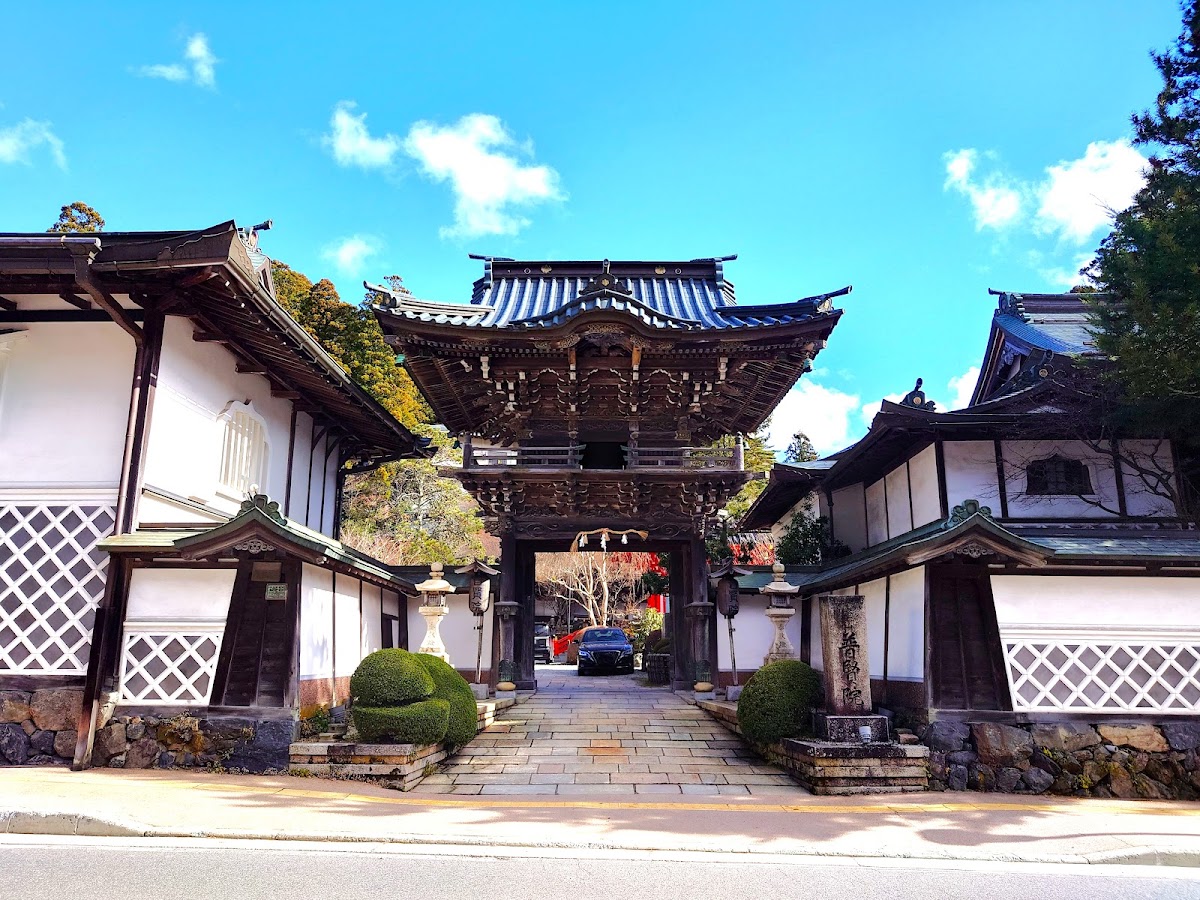
The main hall of Fugen-in Temple is a traditional Japanese-style building, and the principal image, a statue of Fugen Bodhisattva, is enshrined inside the cypress wood hall. The grounds are lined with giant cedar trees said to be hundreds of years old, and the atmosphere is especially sacred during the quiet hours of the early morning.
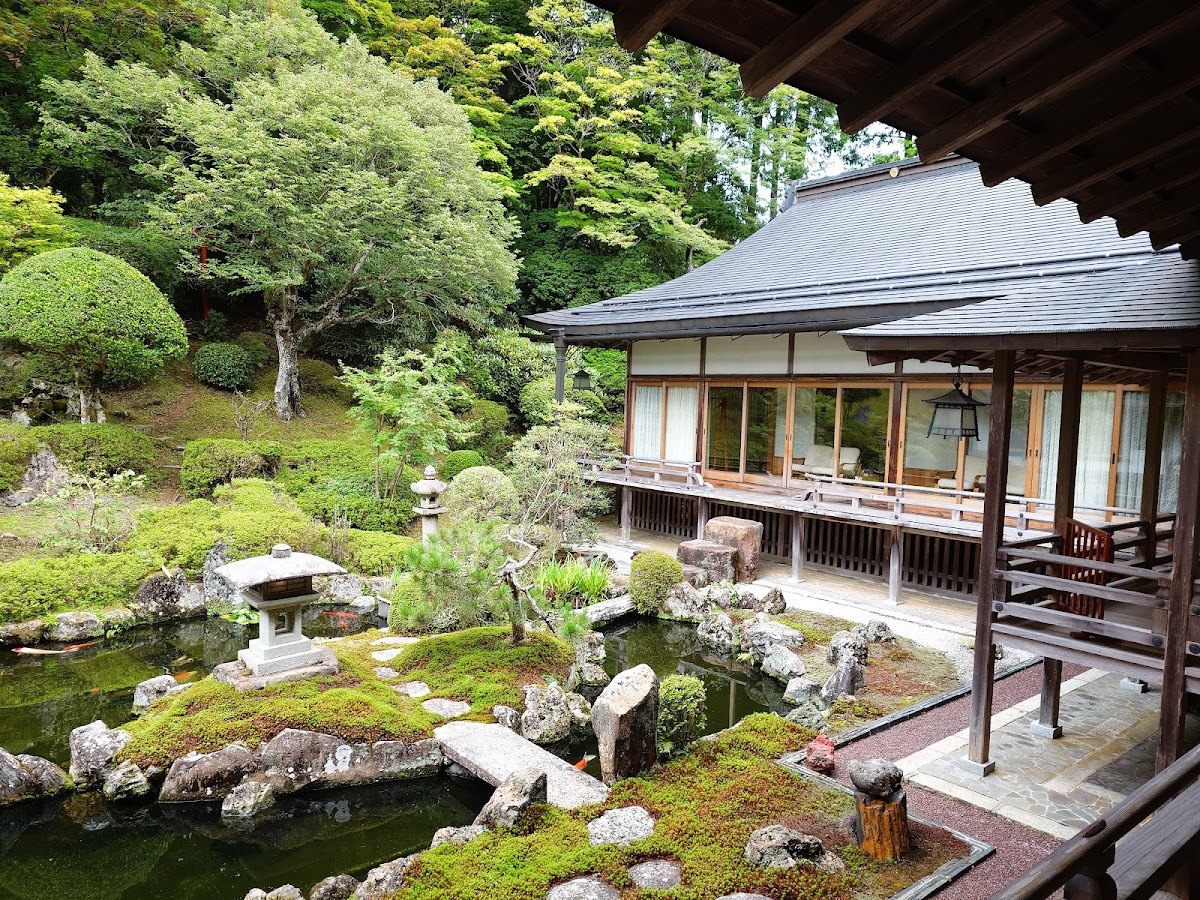
The guest rooms are traditional Japanese-style rooms, and from the tatami-floored rooms, you can enjoy views of the well-maintained Japanese garden. The garden is based on the dry landscape garden style and shows different expressions with each season. Cherry blossoms in spring and autumn leaves color the grounds.
Points to Note During Your Visit
Morning Service Experience
The greatest attraction of staying at Fugen-in Temple is the opportunity to participate in the “morning service (gongyo)” that begins at 6:00 AM. You can experience the chanting of sutras and the goma fire ritual performed by the monks up close, and you can also participate in the chanting of the Heart Sutra.
Participation Flow:
- Wake up around 5:45 AM
- Gather in the main hall at 6:00 AM
- Participate in the morning service for approximately 45 minutes
- After the service, there may be an opportunity to hear a Dharma talk from a monk (may vary depending on the day)
The morning service is a special experience only available to overnight guests, providing a valuable time to escape from daily life and quiet the mind.
How to Enjoy Shojin Ryori (Vegetarian Buddhist Cuisine)
At Fugen-in Temple, shojin ryori (vegetarian Buddhist cuisine) based on Buddhist teachings is served. Using no meat or fish whatsoever, the dishes, made with mountain vegetables, tofu, and sesame tofu harvested on Mount Koya, offer a delicate flavor that highlights the natural taste of the ingredients.
Characteristics of Shojin Ryori:
- Simmered dishes using Koya tofu
- Famous sesame tofu (made using a unique method from Mount Koya)
- Tempura of seasonal mountain vegetables
- Soup made with vegetarian broth
- Simmered and dressed dishes using local vegetables
Meals are served in your room or in the dining hall, allowing you to savor them slowly in a quiet environment. Before meals, the “Five Contemplations” (Gokan no Ge), a set of guidelines for eating, are sometimes recited.
Sutra Copying and Buddha Image Copying Experience
Fugen-in Temple offers sutra copying and Buddha image copying experiences to those who wish to participate (advance reservation required). Copying the Heart Sutra is a practice that calms the mind and promotes a state of mindfulness.
Experience Details:
- Duration: Approximately 1 hour
- Cost: Approximately 1,000-1,500 yen
- All materials are provided
- Completed sutras can be offered or taken home.
Points to Note When Exploring the Temple Grounds
Guests staying overnight are free to explore the temple grounds. The grounds are especially peaceful in the early morning and at dusk, with few visitors, making them ideal for meditation and strolling.
- Visiting Okunoin: Okunoin, located within walking distance of Fugen-in, is a sacred site where Kobo Daishi Kukai entered eternal meditation.
- Kongobu-ji: Approximately 15 minutes on foot to the head temple of the Koyasan Shingon sect.
- Danjo Garan: Approximately 20 minutes on foot to the central sacred area of Koyasan.
Access Information
Access by Train and Cable Car
From Osaka:
- Take the Nankai Electric Railway express train from Namba Station to Gokurakubashi Station (approximately 90 minutes).
- Take the Koyasan Cable Car from Gokurakubashi Station (approximately 5 minutes), and get off at Koyasan Station.
- Take the Nankai Rinkan Bus from Koyasan Station (approximately 10 minutes), and get off at the nearest bus stop.
- Approximately 5 minutes on foot from the bus stop.
From Kyoto:
- Take the JR train from Kyoto Station to Namba Station via Shin-Osaka Station (approximately 1 hour).
- From there, follow the same route as from Osaka.
Access by Bus
From Koyasan Station, the Nankai Rinkan Bus operates, circulating to major temple lodgings and tourist spots. The nearest bus stops to Fugen-in Temple are “Senjuinbashi” or “Kongōbu-ji-mae.”
Bus Fare:
- Flat rate within Koyasan: Adults 290 yen, Children 150 yen
- 1-day unlimited ride pass: Adults 900 yen, Children 450 yen (convenient for overnight guests)
Access by Car
From Osaka:
- Approximately 90 minutes from the Hanwa Expressway “Wakayama IC” via National Routes 24 and 480
- Or approximately 50 minutes from the Keina-Wa Expressway “Katsuragi-Nishi IC” via National Route 480
Parking:
Fugen-in Temple has its own parking lot (advance confirmation required). There are also several paid parking lots within Koyasan, available for approximately 500-1,000 yen per day.
Shuttle Service
Shuttle service from Koyasan Station or major bus stops may be available. It is recommended to confirm this when making a reservation.
Benefits and Faith
Benefits of Fugen Bodhisattva
Fugen Bodhisattva, the principal deity of Fugen-in Temple, is believed to grant the following benefits:
Main Benefits:
- Improvement of Wisdom: Academic success, passing qualification exams
- Strengthening of Practical Skills: Achieving goals, business success
- Longevity: Healthy longevity, recovery from illness
- Protection of Women: Prayers for safe childbirth, fulfillment of women’s specific wishes
- Eradication of Sin: Liberation from past mistakes, purification of mind
In the Lotus Sutra, Fugen Bodhisattva is said to protect those who believe in the Lotus Sutra, and has been worshipped since ancient times, especially as a bodhisattva who guarantees the enlightenment of women.
Benefits of Koyasan as a Whole
Koyasan is a sacred site of Shingon Esoteric Buddhism founded by Kobo Daishi Kukai, and the entire mountain is considered a sacred place:
- Protection from Misfortune and Disaster: Visiting Koyasan itself is believed to ward off misfortune.
- Ancestral Worship: Okunoin has over 200,000 gravestones, from Sengoku period warlords to commoners, making it a sacred place for ancestral worship.
- Fulfillment of Wishes: Fulfillment of wishes through Shingon Esoteric Buddhist prayers and rituals.
- Elimination of Worldly Desires: Purification of the mind in an environment away from the secular world.
The Miraculous Effects of Staying at a Temple Lodging
Staying at a temple lodging itself is believed to bring about the following spiritual effects:
- Purification of the Mind: Removing oneself from daily life and calming the mind in a tranquil environment.
- Re-evaluating Lifestyle: Experiencing a simple life leads to realizing values beyond material wealth.
- A Heart of Gratitude: Cultivating a heart of gratitude through vegetarian cuisine and interaction with monks.
- Life Guidance: Gain insights into life from Dharma talks and morning services.
Accommodation Information
Reservation Method
Advance reservations are required for stays at Fugen-in Temple. Reservation methods are as follows:
- Telephone Reservation: Call the temple directly.
- Internet Reservation: Use the Koyasan Temple Lodging Association’s official website or a booking site.
- Through a Travel Agency: May be included in a Koyasan tour.
Notes on Reservation:
- Early reservations are essential during peak seasons (cherry blossom/autumn foliage season, Golden Week, Obon).
- Check the cancellation policy.
- Consult in advance if you have any dietary restrictions (allergies, etc.).
Estimated Accommodation Rates
- 1 night with 2 meals: Approximately 10,000-15,000 yen (per person)
- Room Only: Often not available.
- Child Rates: Available depending on age.
Rates vary depending on room type, number of guests, and season.
What to Bring and What to Wear
Essential Items:
- Pajamas (yukata may be provided)
- Toiletries (toothbrush, towel, etc.)
- Change of clothes
Recommended Attire:
- Not too casual attire, as you will be participating in the morning service
- Comfortable walking shoes for exploring the temple grounds
- Warm clothing appropriate for the season (Koyasan is cool at an altitude of approximately 800m)
Manners During Your Stay
Shukubo (temple lodgings) are not tourist facilities, but temples that also serve as training grounds. Please observe the following manners:
- Quiet: Be especially quiet at night and in the early morning.
- Drinking and Smoking: Generally prohibited on the temple grounds (designated areas may exist).
- Photography: Permission is required to take photographs inside the main hall or during religious services.
- Punctuality: Respect the times for morning services and meals.
- Praying and Bowing: Show respect to the Buddha statues and monks.
Nearby Attractions
Using Fugen-in Temple as a base, you can visit the main sacred sites of Koyasan:
Okunoin (approx. 20-minute walk)
This is the most sacred place on Koyasan, containing the mausoleum where Kobo Daishi Kukai is said to still meditate. The approximately 2km approach from Ichinohashi Bridge to the mausoleum is lined with centuries-old cedar trees and over 200,000 gravestones and memorial towers.
Kongobu-ji Temple (approx. 15-minute walk)
The head temple of the Koyasan Shingon sect, it originated from Seigan-ji Temple, built by Toyotomi Hideyoshi to commemorate his mother. The Banryu-tei Garden, one of the largest rock gardens in Japan, is a must-see.
Danjo Garan (approx. 20-minute walk)
The first sacred site opened by Kukai, it features important halls and pagodas such as the Konpon Daito (Great Pagoda), Kondo (Main Hall), and Miei-do (Founder’s Hall). The Konpon Daito is a beloved symbol of Koyasan.
Reihokan (Treasure Museum) (approx. 15-minute walk)
A museum housing approximately 50,000 items, including Buddhist statues, paintings, and crafts passed down in Koyasan. Many national treasures and important cultural properties are also on display.
Summary
Fugen-in Temple is a valuable accommodation where you can experience the history and spirituality of Koyasan. The morning prayers, vegetarian meals, and time spent in the tranquil temple grounds will be a special experience that allows you to escape from everyday life and calm your mind. While receiving the blessings of Fugen Bodhisattva, you can immerse yourself in the sacred atmosphere of Mount Koya.
Access requires transfers between trains, cable cars, and buses, but the journey itself can be enjoyed as part of the pilgrimage to this holy site. With advance reservations and proper preparation, you can enjoy a truly memorable temple lodging experience.