Complete Guide to Enmanji Temples: A Thorough Explanation of the History, Benefits, and Visiting Information of Famous Temples Nationwide
There are several temples named Enmanji throughout Japan, each with its own unique history and characteristics. This article provides a comprehensive explanation of major Enmanji temples, including detailed information, visiting information, benefits, and access methods.
What is Enmanji?: Origin of the Name and Nationwide Distribution
The temple name “Enmanji” originates from the Buddhist concept of “enman.” Enman means a state of complete fulfillment, and is a Buddhist term that particularly describes a state of complete virtue and merit. Temples bearing this name have attracted worshippers throughout the country as places of prayer for the harmony of mind and body, family harmony, and the fulfillment of a fulfilling life.
Enmanji temples belonging to various sects exist throughout Japan, from Hokkaido to Shikoku. Although they belong to different sects such as Shingon, Rinzai, and Jodo Shinshu, they all play an important role as centers of faith for the local people.
Detailed Information on Major Enmanji Temples
Shingon-shu Buzan-ha Enmanji Temple (Koga City, Ibaraki Prefecture)
History and Origins
Located in Koga City, Ibaraki Prefecture, Enmanji Temple is an ancient temple boasting a history of over 1200 years, founded in 809 (Daido 4). Since its founding in the early Heian period, it has attracted the faith of the local community as a training ground for Shingon Esoteric Buddhism. It is also known as the 33rd temple on the Katsushika Bando Kannon Pilgrimage, serving as the final temple for pilgrims.
Features of the Temple Grounds
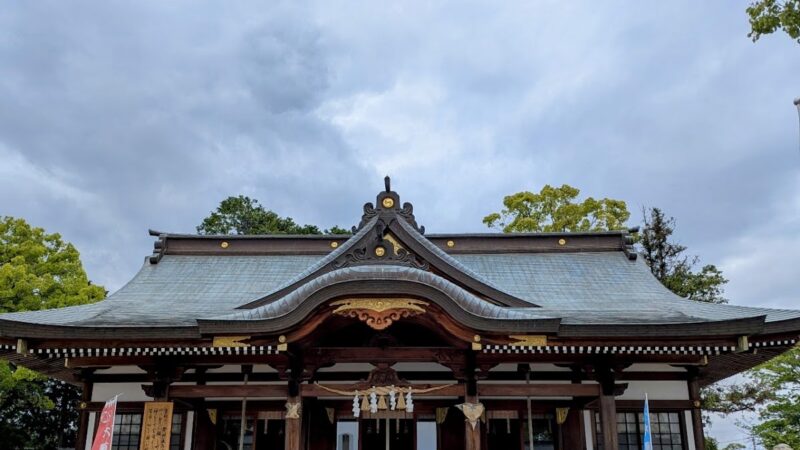
The vast temple grounds are blessed with the natural beauty of the four seasons, with the cherry blossoms in spring and the ginkgo trees in autumn being particularly magnificent. The main hall and guest hall are among the largest in the region, equipped to accommodate large-scale religious services and events. The temple grounds feature a Kannon Hall, bell tower, and living quarters, preserving the beauty of traditional temple architecture.
Main Ceremonies and Events
Various ceremonies are held throughout the year, attracting many visitors for New Year’s Day, spring and autumn equinox ceremonies, and Obon (Buddhist festival) ceremonies. Pilgrims also flock to the temple throughout the year as a sacred site dedicated to Kannon.
Access and Visiting Information
Located in Koga City, Ibaraki Prefecture, it is accessible from Koga Station on the JR Tohoku Main Line. A large parking lot is available, making it convenient for those visiting by car. The temple grounds are always open, but it is recommended to call ahead to inquire about the hours for receiving Goshuin (temple stamps) and prayer requests.
Anzen-in Enman-ji Temple (Yokohama City, Kanagawa Prefecture)
Temple Characteristics
Located in Yokohama City, Anzen-in Enman-ji Temple is a Zen temple belonging to the Kencho-ji branch of the Rinzai school. While cherishing the spirit of Zen, we operate our temple in a way that meets the needs of modern society.
Perpetual Memorial Services and Tree Burials
In recent years, our services for perpetual memorial graves and tree burials have been gaining attention. In today’s society, characterized by nuclear families and an aging population, we offer various memorial service options for those without successors or those who wish to return to nature. Tree burials, a new burial method that considers the natural environment, have attracted many inquiries.
Consultations and Access
We accept inquiries regarding memorial services via email. Please specify “Anzen-in Enmanji Temple (Yokohama City, Kanagawa Prefecture)” in the subject line for a smoother response. For detailed access information and visits, we recommend contacting us in advance.
Enmanji Temple (Dogo Onsen, Matsuyama City, Ehime Prefecture)
A Power Spot for Romantic Success
Located behind the Dogo Onsen Main Building, Enmanji Temple is gaining popularity, especially among younger generations, as a power spot for romantic success. Although small in scale, its reputation for blessings is known throughout Japan.
Yu no Daijizo (Fire-Preventing Jizo)
The most famous feature of the temple grounds is the white-painted “Yu no Daijizo.” Officially known as the “Fire-Preventing Jizo,” it has been worshipped as a guardian deity protecting the town of Dogo from fire. This “fire prevention” has evolved into a belief in its blessings of “preventing infidelity” and “marital harmony,” making it a popular destination for couples and married couples.
Omusubi-dama Prayer
Enmanji Temple’s specialty is its colorful and cute “Omusubi-dama” (musubi balls). Visitors can place one of these balls in their left hand, pray for success in love, and choose to tie it in the temple grounds or take it home. The sight of the temple grounds adorned with these colorful balls is a popular spot for Instagram photos.
Benefits for Longevity
There is a belief that visiting the Jizo statue before bathing in Dogo Onsen will extend one’s lifespan, making it known as “Enmei Jizo” (Longevity Jizo). Many people visit in conjunction with hot spring sightseeing.
Access
Conveniently located just a few minutes’ walk from Dogo Onsen Main Building, it’s easy to stop by as part of a stroll through the hot spring town. It’s also within walking distance of the Dogo Onsen tram station.
Enmanji Temple (Harima Region, Hyogo Prefecture)
Temple of the Harima Five-Storied Pagoda
Enmanji Temple in the Harima region of Hyogo Prefecture is a renowned temple known for its “Harima Five-Storied Pagoda.” The pagoda is a beloved symbol of the region, and its majestic appearance captivates many visitors.
Excellent Facilities
In addition to the main hall and guest hall capable of accommodating various memorial services, the temple also has a 24-hour managed columbarium. While operating the temple to meet modern needs, it also cherishes traditional Buddhist rituals.
Annual Events
From New Year’s Day to the end of the year, various annual events are held. The temple has strong ties with the local community, and many parishioners participate in seasonal events.
Enmanji Temple (Saku City, Nagano Prefecture)
Temple of Stone Jizo Statues
Enmanji Temple in Saku City, Nagano Prefecture, is an ancient temple said to have been founded in 1142 (Koji 2) by Kogyo Daishi. The current building was rebuilt in 1747 (Enkyo 4) and preserves the architectural style of the mid-Edo period.
In recent years, numerous stone Jizo statues have been erected on the temple grounds, and it has become known as the “Temple of Stone Jizo Statues.” The sight of countless stone Jizo statues lined up is breathtaking and leaves a deep impression on visitors.
Famous Wisteria Spot
There is an ancient wisteria tree that the founder is said to have brought back from Kyoto, and it blooms beautifully every May. During the wisteria season, many tourists visit, and the temple grounds are enveloped in a vibrant atmosphere.
Etiquette and Manners for Visiting Enmanji Temple
Basic Etiquette for Visiting Temples
When visiting Buddhist temples, including Enmanji Temple, please observe the following basic etiquette.
- Bow at the Temple Gate: Before entering the temple grounds, bow at the temple gate.
- Purify at the Water Basin: If there is a water basin, purify your hands and mouth.
- Worship at the Main Hall: Join your hands in prayer in front of the main hall and offer your prayers quietly.
- Offering Money: Place your offering quietly; do not throw it.
- Photography: Refrain from taking photos in areas where photography is prohibited, and even when permitted, be considerate of other visitors.
Clothing and Belongings
There are no specific dress code requirements, but avoid revealing clothing and aim for clean and presentable attire. If you wish to receive a Goshuin (temple stamp), please bring your Goshuincho (stamp book).
Benefits Received at Enmanji Temple
As the name Enmanji suggests, many Enmanji temples are believed to offer the following benefits:
Family Harmony/Marital Harmony
As a temple bearing the name “Enman” (harmony), many visitors come to pray for family harmony and marital harmony. Enmanji Temple in Dogo Onsen, in particular, is known for the benefit of its fire-preventing Jizo statue, which is believed to “prevent fire = prevent infidelity.”
Fulfillment of Love/Matchmaking
As exemplified by the Omusubi-dama (matchmaking ball) prayer at Enmanji Temple in Dogo, it is also popular among young people praying for good relationships.
Longevity
The benefit of longevity, linked to Jizo worship, is also widely believed.
Fulfillment of Wishes
As a Kannon (Goddess of Mercy) pilgrimage site, Enmanji Temple is believed to grant various wishes through the compassion of Kannon Bodhisattva.
Pilgrimage to Collect Goshuin (Temple Stamps) and Sacred Sites
Katsushika Bando Kannon Pilgrimage
Enmanji Temple in Koga City, Ibaraki Prefecture, is the 33rd temple on the Katsushika Bando Kannon Pilgrimage, marking the completion of the pilgrimage. Those undertaking the pilgrimage will complete their journey at Enmanji Temple.
How to Obtain a Goshuin (Temple Stamp)
Goshuin are given as proof of worship. Apply at the temple office or sutra hall during reception hours and leave your goshuin book. The fee for a goshuin is usually around 300 to 500 yen.
Annual Events and Festivals
Each Enmanji Temple holds various events throughout the year.
New Year’s Events
- Shushō-e (New Year’s Day)
- Acceptance of First Shrine Visits of the Year
- New Year’s Prayer Festival
Spring Events
- Spring Equinox Service (March)
- Flower Festival (April 8th)
- Wisteria Blooming Season (May, Enmanji Temple in Saku City, etc.)
Summer Events
- Segaki Memorial Service (Obon)
- Urabon-e (Buddhist All Souls’ Day)
Autumn Events
- Autumn Equinox Service (September)
- Best Time to See Autumn Leaves (Ginkgo trees on the temple grounds, etc.)
Winter Events
- New Year’s Eve Bell Ringing
- Year-End and New Year Preparations
Consultation and Support for Memorial Services and Buddhist Rites
Funerals and Buddhist Services
Each Enmanji Temple provides services for funerals, annual memorial services, and other Buddhist ceremonies. Please contact us by phone or email in advance to discuss the schedule and details.
Perpetual Memorial Services and Tree Burials
Increasingly, temples, including Enmanji Temple in Yokohama, are offering perpetual memorial services and tree burials to meet modern needs. Those without successors or those who desire a natural burial should consult with the temple for details.
Prayers and Supplications
We offer prayers for various purposes, including family safety, business prosperity, academic success, and traffic safety. For special prayers, it is recommended to contact and make a reservation in advance.
How to Check Access and Visiting Information
Since there are multiple Enmanji temples throughout Japan, it is important to check the accurate information of the temple you wish to visit when planning your visit.
Points to Check Beforehand
- Confirm Location: Since there are multiple temples with the same name, please confirm the exact prefecture and city/town.
- Confirm Sect: The sect differs (e.g., Shingon Buddhism, Rinzai Buddhism).
- Reception Hours: Please check the reception hours for receiving Goshuin (temple stamps) and prayers in advance.
- Parking Availability: If you plan to visit by car, please check the parking availability.
- Telephone Consultation: For memorial services and special prayers, please consult by telephone in advance.
Main Transportation Options
- Train/Bus: Please check the walking route and bus routes from the nearest station.
- Private Car: Please enter the exact address into your car navigation system and check for parking availability.
- Taxi: If the temple is far from the station, consider taking a taxi.
Enmanji Temple Newsletter and Announcements
Many Enmanji temples regularly publish a “Temple Newsletter” for their parishioners. The newsletter contains the following information:
- Dharma talks and seasonal greetings by the head priest
- Schedule of annual events
- Seasonal scenery of the temple grounds
- Fun facts about Buddhism
- Updates from parishioners
Recently, information is being actively disseminated through the temple’s website and social media. Following us will allow you to receive the latest information.
Highlights of the Temple Grounds and Seasonal Scenery
Spring
Cherry blossoms and wisteria adorn the temple grounds. The cherry blossoms at Enmanji Temple in Koga City and the wisteria at Enmanji Temple in Saku City are particularly magnificent.
Summer
The fresh greenery is beautiful, and the temple grounds are enveloped in a cool atmosphere. Visiting the temple amidst the lush green trees refreshes both mind and body.
Autumn
Ginkgo and maple leaves change color, dyeing the temple grounds in golden and crimson hues. Visiting the temple in the crisp autumn air is exceptional.
Winter
The snow-covered temple grounds are enveloped in silence, creating a solemn atmosphere. The end of the year, with the sound of New Year’s Eve bells ringing, is a special time.
How to Enjoy Visiting Enmanji Temple
Combine with Sightseeing
Like Enmanji Temple in Dogo Onsen, temples located near tourist attractions can be enjoyed by combining sightseeing with temple visits. Visiting in conjunction with strolling through the hot spring town and visiting local landmarks will make for a more fulfilling trip.
As a Pilgrimage
Enmanji Temple, which is part of a pilgrimage route like the Katsushika Bando Kannon Pilgrimage, can be visited as part of a pilgrimage. Pilgrimages while collecting temple stamps are popular as a spiritual journey.
Enjoy Seasonal Flowers
Visiting the temple while enjoying the seasonal beauty of nature, such as cherry blossoms, wisteria, and autumn leaves, is also appealing. Bringing a camera to record the beautiful scenery of the temple grounds is also recommended.
Spend Quiet Time
Spending quiet time away from the hustle and bustle of everyday life on the temple grounds calms the mind. Sitting on a bench and gazing at the scenery or quietly offering prayers in the main hall are precious moments for modern people. ## Summary: The Diverse Charms of Enmanji Temples
Temples named Enmanji exist throughout Japan, each with its own history and unique characteristics. From ancient temples boasting over 1200 years of history to temples offering tree burials that cater to modern needs, their forms are diverse.
Visitors come for a variety of reasons: young people praying for success in love, those praying for family health and harmony, those visiting to honor ancestors, pilgrims, and those enjoying seasonal flowers. However, what they all have in common, as the name “Enman” suggests, is the desire for a state of “fulfillment” and “harmony” in various aspects of life.
When planning a visit, it is recommended to first accurately confirm the location and characteristics of the Enmanji temple you wish to visit, and to research information such as access methods and reception hours in advance. Many temples also offer telephone consultations, so feel free to inquire if you have any questions.
The temple grounds, with their ever-changing seasonal beauty, historic architecture, and above all, the atmosphere imbued with Buddhist teachings, offer visitors peace of mind and new insights. We encourage you to visit a nearby Enmanji Temple, or one you encounter during your travels, and experience its charm for yourself.