Complete Guide to Nishinomiya Shrine | A Thorough Explanation of the History, Blessings, Annual Events, and Worship Methods of the Head Shrine of Ebisu Shrines
What is Nishinomiya Shrine? | Overview of the Head Shrine of Ebisu Shrines
Nishinomiya Shrine is a shrine located in Shakamachi, Nishinomiya City, Hyogo Prefecture. It is the head shrine of approximately 3,500 Ebisu shrines nationwide, dedicated to Ebisu, the god of fortune. Locally, it is affectionately called “Nishinomiya no Ebessan,” and attracts many worshippers, mainly from the Kansai region.
Its former shrine rank was Prefectural Shrine, and it is currently designated as a Special Shrine by the Association of Shinto Shrines. Ebisu, one of the Seven Lucky Gods, is known for his image holding a sea bream and a fishing rod, and has been widely worshipped as the god of fishing, the god of markets, and the god of business prosperity.
Basic Information
- Location: 1-17 Shakamachi, Nishinomiya City, Hyogo Prefecture
- Deities Enshrined: Hiruko-no-Okami, Amaterasu-Omikami, Okuninushi-no-Okami, Susanoo-no-Okami
- Founding: Before the Heian period (details below)
- Former Shrine Rank: Prefectural Shrine
- Special Shrine: Designated by the Association of Shinto Shrines
- Access: Approximately 5 minutes on foot from Hanshin Electric Railway “Nishinomiya Station”, approximately 15 minutes on foot from JR “Nishinomiya Station”
History and Origins of Nishinomiya Shrine
Founding and Ancient Beliefs
Nishinomiya Shrine has ancient origins, and is said to have a history of over 1000 years. The enshrined deity, Ebisu-sama, is considered the first god born from Izanagi-no-Mikoto and Izanami-no-Mikoto in Japanese mythology.
In ancient times, Nishinomiya was a thriving fishing region facing the Seto Inland Sea. Ebisu-sama was worshipped as a god who drifted ashore from the sea and was deeply revered as the god of fishing. His image, holding a sea bream and a fishing rod, originates from this fishing worship.
Development from the Medieval to the Early Modern Period
From the Heian period to the Kamakura period, Nishinomiya developed as a post town on the Saigoku Kaido road. As markets were established, Ebisu-sama came to be worshipped as the god of markets and commerce. During the Muromachi period, “Ebisu worship” spread throughout Japan, and Nishinomiya Shrine established its position as the “head shrine of Ebisu-sama.”
During the Edo period, with the development of commerce, the worship of Ebisu as a god of business prosperity became established, attracting many worshippers from all over Japan, including merchants from Osaka (present-day Osaka).
Developments since the Modern Era
Following the Meiji-era separation of Shinto and Buddhism, Nishinomiya Shrine was elevated to the rank of a prefectural shrine. Many of the shrine buildings were destroyed in the air raids of 1945, but the current shrine buildings were rebuilt after the war.
Even today, it remains the “head shrine of Ebisu” and a central figure in Ebisu worship throughout Japan.
The Benefits and Faith of Ebisu
What is Ebisu?
Ebisu is a god unique to Japan and is widely revered as one of the Seven Lucky Gods. Ebisu, enshrined at Nishinomiya Shrine as Hiruko-no-Okami, is believed to offer a variety of benefits, including the following:
Main Benefits
- Business Prosperity: The most well-known benefit, attracting fervent devotion from business owners and merchants seeking success and prosperity.
- Abundant Harvest: A belief in praying for bountiful harvests and catches in agriculture and fishing.
- Family Safety: As a deity protecting the peace and safety of families.
- Good Fortune and Prosperity: Believed to have the power to bring good fortune and ward off disaster.
- Industrial Development: As a deity protecting the development of all industries.
Characteristics of Ebisu Faith
Ebisu is always depicted with a smile as the “God of Fortune.” His gentle expression is said to symbolize the importance of honesty and trust in business. His posture, holding a sea bream and a fishing rod, also embodies the meaning of “catching good fortune.”
Shrine Grounds Guide | Highlights and Main Facilities
Nishinomiya Shrine grounds contain numerous historical buildings and points of interest. When you visit the shrine, be sure to explore all the different areas.
Main Gate (Red Gate)
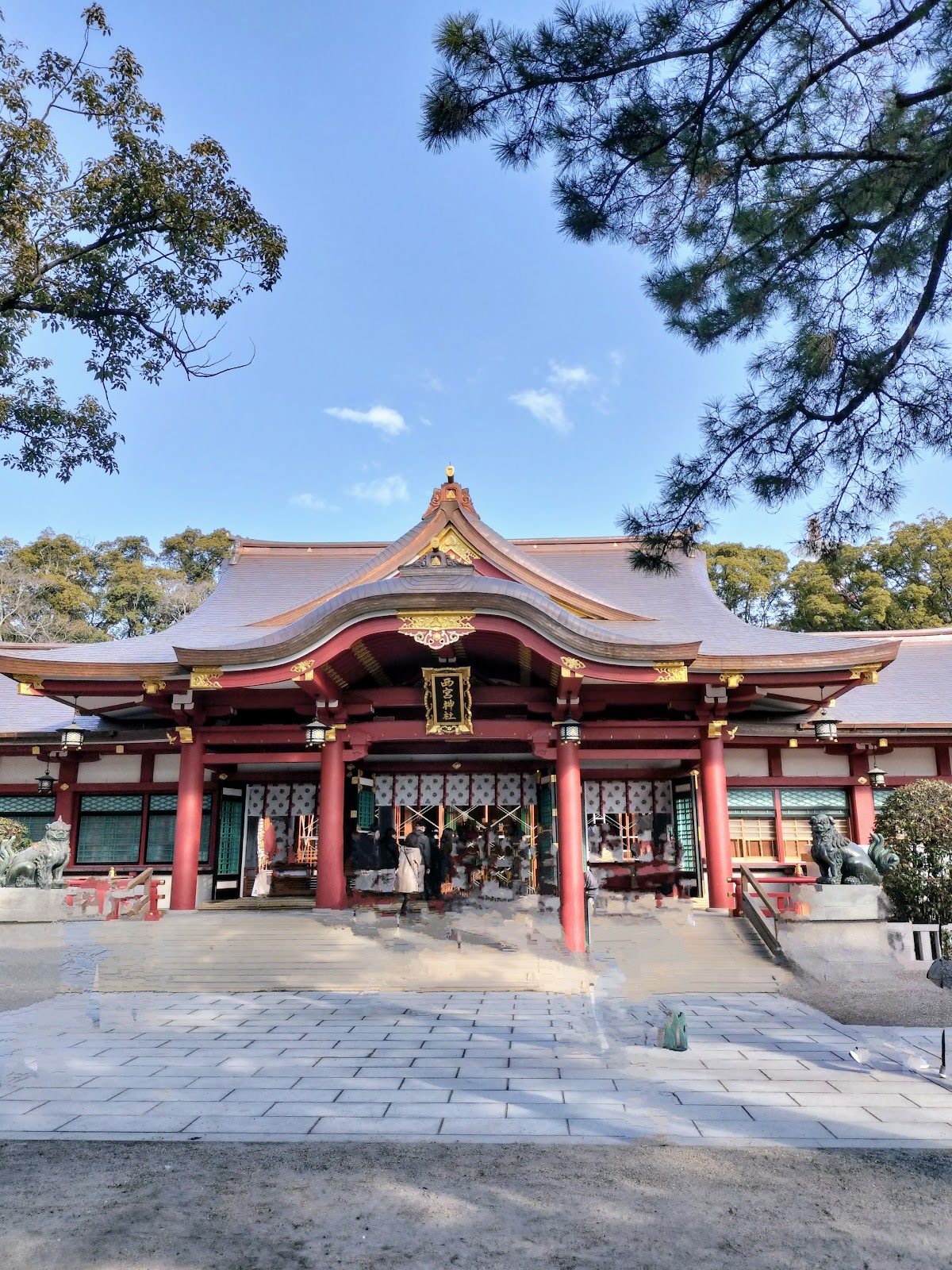
The main gate, a symbol of Nishinomiya Shrine, is affectionately known as the “Red Gate.” This beautiful vermilion-painted gate, characteristic of Momoyama-style architecture, is designated as an Important Cultural Property. Every year on January 10th, during the Toka Ebisu Gate Opening Ceremony and the “Fuku-otoko (Lucky Man) Selection,” many participants eagerly await the moment this gate opens.
Main Hall
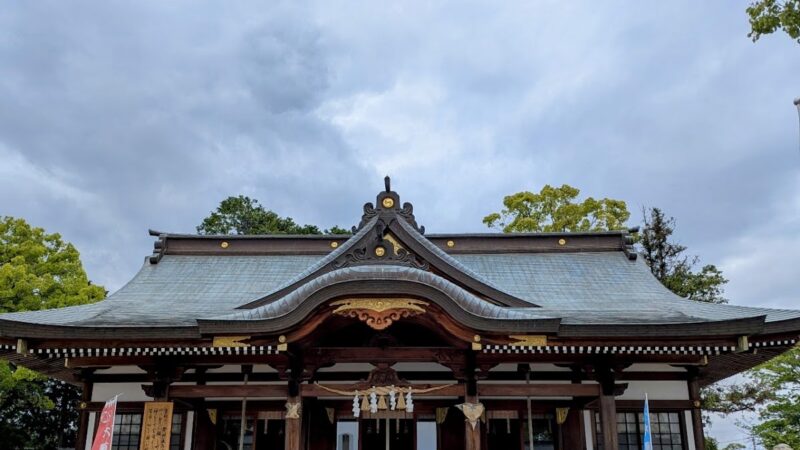
The main hall is built in a rare style called Sanren Kasuga-zukuri and is designated as a National Important Cultural Property. Hiruko-no-Okami is enshrined in the center, Amaterasu-Omikami and Okuninushi-no-Okami on the right, and Susanoo-no-Okami on the left.
Worship Hall
The worship hall, where worshippers pray, is located in front of the main hall. Many worshippers visit to pray for business prosperity, and it is especially lively during the Toka Ebisu period.
Hyakutayu Shrine
This subsidiary shrine within the grounds enshrines Hyakutayu, considered the ancestral deity of puppetry. It is revered as a god of performing arts and attracts worshippers from the entertainment industry.
Homusubi Shrine
This subsidiary shrine enshrines the god of fire and is believed to offer protection against fire.
Ebisu Faith Museum
This museum displays valuable materials related to the history of Ebisu faith and the origins of Nishinomiya Shrine. It’s a facility where you can gain a deep understanding of the nationwide spread of Ebisu faith and the history of Nishinomiya Shrine.
Sacred Pond and Taiko Bridge
Within the shrine grounds is a beautiful sacred pond spanned by a Taiko Bridge. Visitors can enjoy the beauty of nature throughout the seasons, and it’s a popular spot for photography.
Decorated Barrel House
Sake barrels donated by sake breweries from all over Japan are displayed here. Nishinomiya is one of the five Nada sake brewing regions, and this place demonstrates that connection.
Annual Events | Festivals Including Toka Ebisu
Nishinomiya Shrine holds various festivals and events throughout the year. Among them, “Toka Ebisu” is a nationally famous festival.
Toka Ebisu (January 9th-11th)
The most important annual event at Nishinomiya Shrine is “Toka Ebisu.” Held over three days—Yo-Ebisu on January 9th, Hon-Ebisu on the 10th, and Nokori-Fuku on the 11th—it attracts approximately 1 million visitors.
Fuku-Otoko Selection (Gate Opening Ceremony)
At 6:00 AM on January 10th, as soon as the main gate opens, participants simultaneously run towards the main shrine in the “Fuku-Otoko Selection,” a ceremony symbolizing Nishinomiya Shrine’s Toka Ebisu. The first three to arrive along the approximately 230-meter path to the main shrine are recognized as “Fuku-Otoko” (lucky men), and are said to be guaranteed good fortune for the entire year. This Shinto ritual has been featured on national news, contributing to the increased recognition of Nishinomiya Shrine.
Prayers for Business Prosperity
During the Toka Ebisu festival, numerous stalls line the shrine grounds, offering auspicious items such as “Fukuzasa” (lucky bamboo branches) and “Kitcho” (good luck charms). Business owners and merchants from all over the country visit to pray for business success in the new year.
Other Major Annual Events
- Saitansai (January 1st): A festival celebrating the New Year
- Setsubunsai (February 3rd): A traditional event including bean-throwing
- Natsu Ebisu (July 7th, 10th, and 20th): A summer festival praying for business prosperity
- Reisai (September 22nd): One of Nishinomiya Shrine’s most important festivals
- Seimonsai (November 20th): A festival pledging honesty in business
- Oharai-shiki (June 30th and December 31st): A Shinto ritual to purify sins and impurities accumulated over the past six months
These festivals are important events that continue the tradition of Ebisu worship, attracting many worshippers.
About Prayers and Supplications
At Nishinomiya Shrine, you can receive prayers and blessings tailored to various life rituals and wishes.
Main Types of Prayers
- Business Prosperity: Prayers for the prosperity of businesses and the development of stores.
- Family Safety: Prayers for the health and peace of the family.
- Exorcism: Prayers for warding off misfortune during unlucky years.
- Safety Prayer: Prayers for traffic safety, construction safety, etc.
- First Shrine Visit: Prayers for the healthy growth of a baby.
- Shichi-Go-San: Prayers for giving thanks for a child’s growth and for their future health.
- Success in Exams: Prayers for success in exams and job hunting.
- Recovery from Illness: Prayers for recovery from illness.
How to Receive Prayers
Prayers at Nishinomiya Shrine can be received on the day without prior reservation. However, during busy periods such as Toka Ebisu, or if you wish to have prayers for a group, it is recommended to contact the shrine in advance.
Reception hours are usually from 9:00 AM to 4:30 PM, but these may change depending on festivals and events, so please check the official website for the latest information.
Shinto Wedding Ceremony
At Nishinomiya Shrine, you can have a solemn Shinto wedding ceremony before the deity Ebisu. It is believed that a union formed before the god of fortune brings lasting happiness. The Nishinomiya Shrine Hall also has a reception hall, allowing you to hold both the ceremony and reception in one place.
Gifts | Amulets, Charms, and Lucky Bamboo Branches
Nishinomiya Shrine offers a variety of gifts. Understand the meaning and benefits of each and choose the one that suits you best.
Divine Image (Omie)
A divine image is an amulet depicting the image of a deity. The divine image at Nishinomiya Shrine depicts Ebisu, and it is believed that displaying it in your home or shop brings prosperity and safety to your family.
Fukuzasa (Lucky Bamboo)
The “Fukuzasa” is a particularly popular item to receive during the Toka Ebisu festival. Bamboo is evergreen, strong in vitality, and grows straight, making it a symbol of business prosperity. Fukuzasa can be adorned with auspicious decorations called “Kitcho,” such as gold coins, rice bales, and sea bream.
Amulets
- Business Prosperity Amulet: An amulet for wishing for business success
- Good Fortune Amulet: An amulet for attracting good luck
- Traffic Safety Amulet: An amulet to protect against traffic accidents
- Academic Success Amulet: An amulet for wishing for academic improvement
- Health Amulet: An amulet for wishing for health and recovery from illness
Talismans
Various talismans are available, including the Ise Grand Shrine amulet and the Nishinomiya Shrine amulet, which are placed on household altars.
Goshuin (Shrine Seal)
Nishinomiya Shrine offers goshuin as a memento of your visit. If you bring your goshuincho (seal book), they will write it for you on the spot. Original Nishinomiya Shrine goshuincho are also available for purchase.
How to Visit and Manners
This section explains how to visit Nishinomiya Shrine and the manners you should observe.
Basic Procedure for Worship
- Passing Through the Torii Gate: Bow before entering the shrine grounds.
- Purifying at the Water Basin: Scoop water with the ladle and purify your left hand, right hand, and mouth in that order.
- Proceeding to the Main Hall: Walk along the sides of the path, as the center is considered the path of the gods.
- Offering a Coin: Place your offering in the offering box.
- Two Bows, Two Claps, One Bow: Bow deeply twice, clap twice, silently recite your wish, and finally bow once.
Attire for Worship
Casual attire is acceptable for worship, but avoid overly revealing or dirty clothing. For those receiving prayers, formal attire is preferable.
Regarding Photography
Photography is generally permitted within the shrine grounds, but restrictions may apply inside the main hall and during festivals. Please be considerate of other visitors.
Avoiding Crowds
The shrine becomes extremely crowded during the Toka Ebisu festival. The Nishinomiya Shrine official website streams live video of the grounds, allowing you to check the crowd situation in real time. If possible, visiting early in the morning or after sunset is recommended.
Access and Parking Information
Access by Train
- Hanshin Electric Railway: Approximately 5 minutes on foot from Nishinomiya Station (Ebisu Exit)
- JR Kobe Line: Approximately 15 minutes on foot from Nishinomiya Station
- Hankyu Railway: Approximately 15 minutes on foot from Nishinomiya-Kitaguchi Station, or by bus
The easiest access is via Hanshin Electric Railway’s Nishinomiya Station; there are signs immediately after exiting the Ebisu Exit ticket gate.
Access by Car
- Hanshin Expressway Route 3 Kobe Line: Approximately 5 minutes from the Nishinomiya exit
- National Route 43: Head north from the Sansho-cho intersection
Parking
Nishinomiya Shrine has a parking lot for visitors, but spaces are limited. Especially during festivals such as the Toka Ebisu festival, the parking lot may be unavailable, or surrounding roads may be subject to traffic restrictions. We strongly recommend using public transportation.
Nearby Facilities
Near Hanshin Nishinomiya Station is the “Ebisu-guchi Shopping Street,” lined with restaurants and souvenir shops. We recommend visiting before or after your visit.
Activities of Supporting Organizations and Nishinomiya Shrine
Nishinomiya Shrine has various supporting organizations.
Nishinomiya Shrine Supporters’ Association
This organization, formed by supporters nationwide, aims to maintain and develop Nishinomiya Shrine. Members receive regular updates on the shrine and are offered opportunities to participate in special festivals.
Ebisu-ko (Ebisu Festival)
This is an organization formed by business owners and merchants who pray for business prosperity. They regularly receive prayers at Nishinomiya Shrine and pledge to prosper and conduct business honestly.
Ujiko Organization (Parishioners’ Organization)
This organization is composed of people living in the parish area of Nishinomiya Shrine. They cooperate in the operation of festivals and the maintenance of the shrine grounds.
Nationwide Spread of Ebisu Worship
Nishinomiya Shrine, as the “head shrine of Ebisu,” is the central presence for approximately 3,500 Ebisu shrines nationwide.
Ebisu Shrines Nationwide
Ebisu shrines, which were established by inviting the deity from Nishinomiya Shrine, exist throughout Japan, from Hokkaido to Okinawa. Especially in urban areas where commerce has flourished, there is almost always an Ebisu shrine, attracting the faith of people praying for the prosperity of their local businesses.
The Spread of Toka Ebisu
Nishinomiya Shrine’s Toka Ebisu festival is known as one of the “Three Great Ebisu Festivals of Japan,” along with Imamiya Ebisu Shrine in Osaka and Ebisu Shrine in Kyoto. These shrines also hold grand festivals around January 10th, attracting many worshippers.
The Modern Significance of Ebisu Worship
Even today, Ebisu worship is widely practiced as the god of business prosperity. Not only business owners and sole proprietors, but people from all professions visit Nishinomiya Shrine to pray for success and prosperity in their work. The teachings of Ebisu worship, which value honest business practices and gratitude, resonate with modern business ethics.
The Relationship Between Nishinomiya City and Nishinomiya Shrine
Nishinomiya Shrine is deeply rooted in the history and culture of Nishinomiya City.
Origin of the Place Name
The name “Nishinomiya” in Nishinomiya City is said to have originated from the fact that it was named after the shrine (Ebisu Shrine) located west of the imperial court in Kyoto. This indicates that Nishinomiya Shrine is central to the region’s identity.
Relationship with the Local Economy
Festivals such as the Toka Ebisu festival are important tourist resources for Nishinomiya City. The large number of visitors contributes to the revitalization of the local economy.
Value as a Cultural Asset
The buildings and cultural assets of Nishinomiya Shrine are valuable resources that convey the history of Nishinomiya City. At the Ebisu Faith Materials Exhibition Room, you can learn about the history of Nishinomiya through these cultural assets.
Summary | Points to Note When Visiting Nishinomiya Shrine
Nishinomiya Shrine, as the head shrine of Ebisu shrines with a history of over 1000 years, is known for its blessings of business prosperity and good fortune.
The points to note when visiting the shrine are summarized below.
- Toka Ebisu is a must-see: Toka Ebisu, held from January 9th to 11th, is the largest festival at Nishinomiya Shrine. The selection of the “Lucky Man” is particularly famous nationwide.
- Take a leisurely stroll through the shrine grounds: There are plenty of sights to see, including the important cultural property, the main gate, the main hall, and the subsidiary shrines.
- Receive auspicious items: Take home the blessings of Ebisu-sama, such as lucky bamboo branches and sacred images.
- Use public transportation: Access from Nishinomiya Station on the Hanshin Electric Railway is especially convenient during the festival period.
- Check the crowd situation: Check the live video feed on the official website beforehand to see what’s happening on the shrine grounds.
- Check the annual events: Various festivals are held in addition to Toka Ebisu.
For those wishing for business prosperity, seeking good fortune and happiness, or wanting to experience traditional Japanese culture, Nishinomiya Shrine is a shrine worth visiting. Why not visit and pray in peace, while being greeted by the warm smile of Ebisu-sama?