
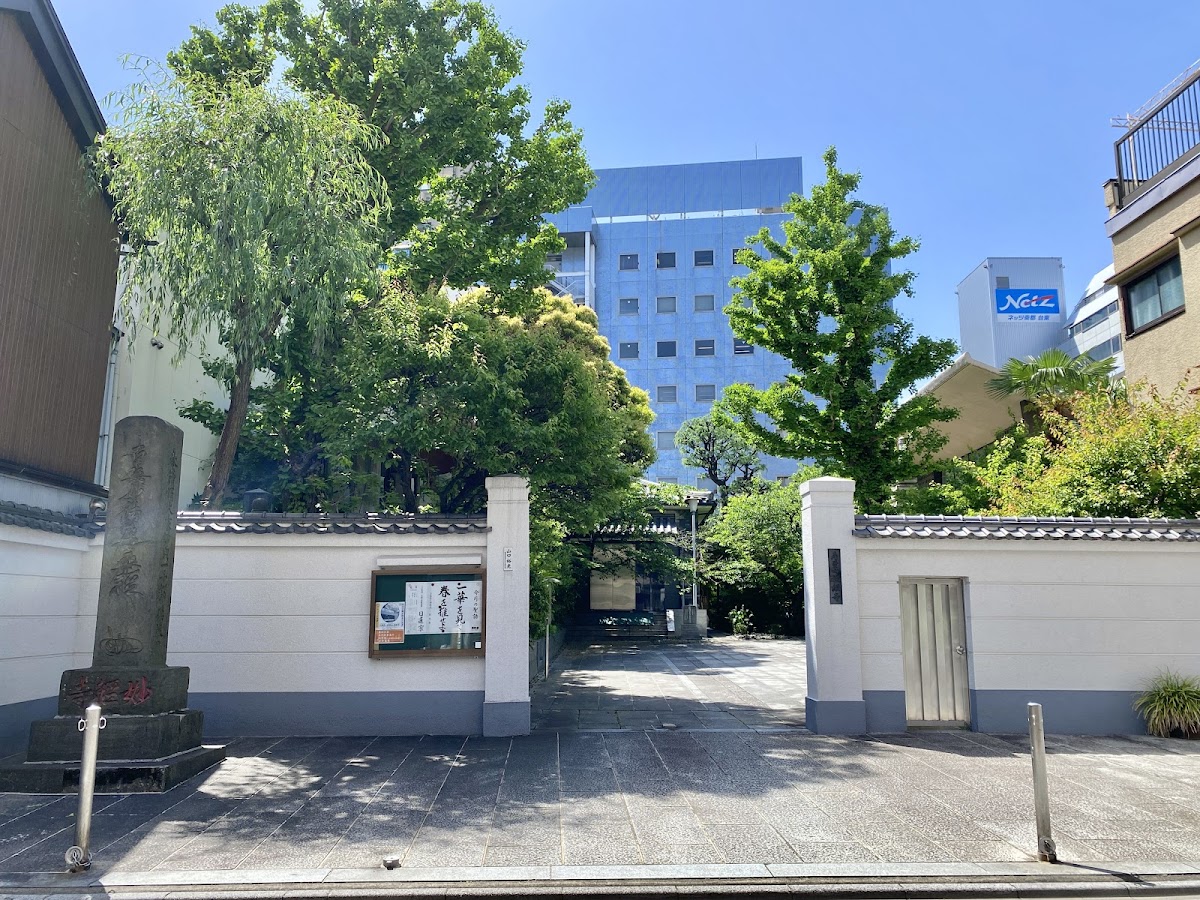
What is Myōkyōji Temple? A Complete Guide to Myōkyōji Temples Nationwide, Their History, and Characteristics
Myōkyōji temples are a group of Nichiren Buddhist temples located throughout Japan. “Myōkyō” refers to the Lotus Sutra (Myohō Renge Kyō), and these temples, carrying on the teachings of Nichiren Shōnin, have a long history in their respective regions. This article provides a detailed explanation of the history, characteristics, and access information for major Myōkyōji temples throughout Japan.
About Myōkyōji Temples
The name Myōkyōji comes from the fact that Nichiren Buddhist temples consider the Lotus Sutra to be their fundamental scripture. There are multiple Myōkyōji temples throughout Japan, each with its own unique history and role in its region.
Nichiren Buddhism is a Buddhist sect founded by Nichiren Shōnin, a monk during the Kamakura period. It teaches that anyone can attain the wisdom of Buddha by chanting the mantra “Namu Myōhō Renge Kyō.” Each temple of the Myōkyōji lineage functions as an important center for transmitting the teachings of Nichiren Shōnin to the present day.
Introduction to Major Myōkyōji Temples
Shōeizan Myōkyōji Temple (Minato-ku, Tokyo, Roppongi)
Located in Roppongi, Shōeizan Myōkyōji Temple is a Nichiren Buddhist temple that maintains a tranquil environment despite being in the heart of the city. It boasts a history dating back to the Edo period and is still supported by many parishioners.
Features:
- Convenient location in the city center yet with a peaceful temple grounds
- Guidance on new cemeteries and installation of memorial towers
- Acceptance of memorial services and prayers
- Implementation of Buddhist events throughout the year
Access:
Conveniently located within walking distance of Roppongi Station, making it easy to visit for prayers and consultations.
Jūryōzan Myōkyōji Temple (Taito-ku, Tokyo, Asakusa)
Located in Asakusa, Taito-ku, Jūryōzan Myōkyōji Temple is a temple with a long history dating back to the Muromachi period.
History:
In 1535 (Tenbun 4), Nichijo Shonin, a Buddhist monk of the Muromachi period, established this temple in Shibazaki Village (present-day Otemachi, Chiyoda Ward). The founder inherited the teachings of Nichijo Shonin, and the temple continues to transmit the teachings of Shakyamuni Buddha and Nichiren Shonin to the present day. During the Edo period, a new temple district was formed in Asakusa, and Myokyo-ji Temple relocated to its current location.
Features:
- A venerable temple with a history of approximately 500 years
- A temple rooted in the charming atmosphere of Asakusa
- Conveniently located just a few minutes’ walk from Inaricho Station on the Tokyo Metro Ginza Line
- Equipped with facilities for memorial services and a dining room next to the main hall
Access:
Conveniently located just a few minutes’ walk from Inaricho Station, making it easy to visit for memorial services and grave visits.
Hodenzan Myokyo-ji Temple (Hachioji City, Tokyo)
Located in Hachioji City, Hodenzan Myokyo-ji Temple is a Nichiren Buddhist temple known for its perpetual memorial services and grave closure services.
History:
Originally, it was a Shingon Buddhist temple located in Mido-zaku, Iidaka Village, Katori District, Shimousa Province (present-day Iidaka, Yokaichiba City, Chiba Prefecture). During the Bunwa era (1352-1356), it was converted to the Nichiren sect by Abbot Gan’oin Nichiga, and remains so to this day.
Features:
- Enshrines Kishimojin, the principal deity of fertility, safe childbirth, and successful child-rearing.
- Offers various prayers and rituals.
- Has a licensed nursery school, “Maya Nursery School,” on the temple grounds.
- Provides information on perpetual memorial services and tree burials at “Hachioji Alveage.”
- The cemetery is located separately from the main hall.
Address:
Since the main hall and cemetery are in different locations, it is important to confirm the address according to your purpose when visiting. The cemetery is located at 5-19-12 Sandamachi, Hachioji City, Tokyo.
Unique Services:
The temple operates in a way that meets modern needs, such as having a nursery school attached to support the healthy growth of infants and toddlers in the area.
Saijo Inari Kanto Branch Temple Myokyo-ji Temple (Toshima Ward, Tokyo – Ikebukuro)
Located near Ikebukuro, Myokyo-ji Temple is a Nichiren Buddhist temple authorized as the Kanto branch temple of Okayama Saijo Inari, one of Japan’s three major Inari shrines.
Features:
- Special position as the Kanto branch temple of Saijo Inari Shrine
- Quiet environment despite its proximity to Ikebukuro, Tokyo
- A calm atmosphere where you can peacefully commemorate the spirits of the deceased
Access:
Within walking distance of Ikebukuro Station, making it easily accessible from central Tokyo.
Seiyozan Daijoin Myokyo-ji Temple (Odawara City, Kanagawa Prefecture)
Myokyo-ji Temple, located in Miyuki-no-hama, Odawara City, is a Nichiren Buddhist temple with a history of over 500 years since its founding.
Features:
- A temple in Odawara with a history of over 500 years
- Beloved by many people in the community
- Scenic location in Miyuki-no-hama
In the historic land of Odawara, we continue our activities rooted in the community, receiving many connections along the way.
Horinzan Myokyo-ji Temple (Kuroishi City, Aomori Prefecture)
Horinzan Myokyo-ji Temple, located in Kuroishi City, Aomori Prefecture, is a Nichiren Buddhist temple in the Tohoku region that attracts the faith of the local community. Address:
12 Teramachi, Kyomachi, Kuroishi City, Aomori Prefecture 036-0362
Features:
As the name Teramachi (temple town) suggests, it is located in an area where multiple temples are concentrated, playing a vital role in supporting the Buddhist culture of Kuroishi City.
Other Myokyo-ji Temples
There is also a Myokyo-ji Temple in Tanabe City, Wakayama Prefecture, which operates as a temple of the Honmon Butsuryu sect. It is accessible by a 15-minute walk southeast from Kii-Tanabe Station, or via National Route 42.
The Teachings of Nichiren Buddhism and Myokyo-ji Temples
At each Myokyo-ji temple, which belongs to the Nichiren sect, one can practice a life of faith based on the teachings of Nichiren Shonin.
The Teachings of Nichiren Shonin
Nichiren Shonin taught that the Lotus Sutra is the true teaching of Shakyamuni Buddha, and that by chanting the title “Namu Myoho Renge Kyo,” anyone can attain the wisdom of Buddha and live a vibrant life. This teaching continues to be a source of spiritual support for many people today.
The Meaning of Gassho (Hands Clasped in Prayer)
In Buddhism, gassho is a fundamental gesture expressing respect and gratitude to Buddha. When visiting Myokyo-ji Temple, you can also perform gassho in front of the main hall, offering your daily gratitude and prayers.
Services Offered at Myokyo-ji Temple
Cemeteries and Perpetual Memorial Services
Many Myokyo-ji temples offer guidance on new burial plots and perpetual memorial services. Myokyo-ji temples located in urban areas are particularly popular due to their convenient access.
- General Cemetery Information
- Perpetual Memorial Graves
- Tree Burial
- Memorial Towers
- Consultation on Cemetery Closure
Memorial Services and Prayers
Applications for various memorial services and prayers are accepted.
- Ancestor Memorial Service
- Memorial Service for Stillborn Children
- Prayers for Fertility and Safe Childbirth (especially at Myōkyōji Temple in Hachiōji)
- Successful Child-Rearing
- Various Prayers
Annual Events
As a Nichiren Buddhist temple, various Buddhist events are held throughout the year.
- Buddha’s Birthday (Hanamatsuri)
- Nichiren Shonin’s Birthday
- Obon Memorial Service
- Higan Memorial Service
- Other Annual Events
Memorial Service Facilities
Many Myōkyōji temples have memorial service facilities and dining rooms available for use during memorial services. Some temples also accept consultations from the general public, not just parishioners.
Access to Myōkyōji Temples and Points to Note When Visiting
Transportation Access
Many Myōkyōji temples are conveniently located, often within walking distance of train stations in their respective areas.
- Myokyo-ji Temple in Roppongi: Within walking distance from Roppongi Station
- Myokyo-ji Temple in Asakusa: A few minutes’ walk from Inaricho Station
- Myokyo-ji Temple in Hachioji: Located in Hachioji City, the cemetery is in Sandamachi
- Myokyo-ji Temple in Ikebukuro: Within walking distance from Ikebukuro Station
- Myokyo-ji Temple in Kuroishi: Located in Teramachi, Kyomachi, Kuroishi City
Before visiting, we recommend checking detailed access information on each temple’s official website or by phone.
Etiquette for Visiting
Basic etiquette when visiting a Nichiren Buddhist temple:
- Bow at the temple gate
- Cleanse your hands and mouth at the water basin
- Join your hands in prayer in front of the main hall and chant “Namu Myoho Renge Kyo”
- Offer your donation
- Bow again at the temple gate when leaving
About Temple Membership
Some Myokyo-ji temples require temple membership. When considering the use of a cemetery or perpetual memorial services, it is important to check in advance whether or not there is a danka system (parishioner system) and what its details are.
Formal Names and Mountain Names of Myōkyōji Temples
Each Myōkyōji temple has a formal name and a mountain name.
- Shōeizan Myōkyōji (Roppongi)
- Jūryōzan Myōkyōji (Asakusa)
- Hōdenzan Myōkyōji (Hachioji)
- Seiyōzan Daijōin Myōkyōji (Odawara)
- Hōrinzan Myōkyōji (Kuroishi)
The mountain name represents the status and history of the temple, and the formal name, including the mountain name, is used in official documents and memorial tablets.
Topics: Modern Myōkyōji Temple Initiatives
Collaboration with Local Communities
Modern Myōkyōji temples are deepening their collaboration with local communities in addition to traditional temple activities. Some temples, like Myōkyōji in Hachioji, have attached nurseries to provide childcare support.
Adapting to Digitalization
Many Myōkyōji temples have launched official websites, providing information on annual events, explanations of Nichiren Shonin’s teachings, and distribution of sacred texts. The Nichiren Sect’s administrative office portal site also publishes a list and information on Nichiren temples nationwide.
Photo Contests and Events
Some Nichiren temples are also spreading Buddhist teachings through modern methods, such as photo contests and video releases.
Photo Gallery: Highlights of Myōkyōji Temples
Each Myōkyōji temple has its own unique highlights.
- Main Hall: Houses statues of Nichiren Shonin and the principal image of worship.
- Kishimojin Hall: A hall dedicated to the goddess of child-rearing, such as the Myōkyōji temple in Hachioji.
- Cemetery: A peaceful environment for ancestor worship.
- Garden: Temple grounds where seasonal flowers can be enjoyed.
- Historical Buildings: Buildings dating back to the Edo period.
Please check in advance whether photography is permitted before visiting. ## Consultation and Inquiries at Myōkyōji Temple
Myōkyōji Temple accepts various consultations.
Topics of Consultation
- Consultations regarding cemetery plot purchase and perpetual memorial services
- Consultations regarding Buddhist memorial services and rituals
- Consultations regarding general Buddhist rituals
- Life consultations (at some temples)
- Child-rearing and prayers for safe childbirth (at Myōkyōji Temple in Hachioji, etc.)
How to Inquire
You can inquire via the phone number or official website of each Myōkyōji Temple. It is recommended to call in advance before visiting.
Greetings: From the Chief Priest of Myōkyōji Temple
Many Myōkyōji Temples’ official websites feature greetings from their chief priests. These contain wise words on how we, living in modern times, can practice the teachings of Nichiren Shōnin.
Nichiren Shōnin taught that “through the wisdom of the Lotus Sutra, all people can live vibrant lives.” Even we, living in the modern age, can find peace of mind by visiting Myōkyōji Temple and experiencing its teachings.
Summary
Myōkyōji Temples, as Nichiren Buddhist temples scattered throughout Japan, have a long history in each region. Myōkyōji temples in Roppongi, Asakusa, Hachioji, Ikebukuro, Odawara, Kuroishi, and other locations transmit the teachings of Nichiren Shonin to the present day, while also providing services that meet the needs of modern people, such as cemeteries, perpetual memorial services, and various prayers.
Myōkyōji temples in urban areas are easily accessible on foot, offering a quiet environment for worship and memorial services. Furthermore, an increasing number of temples are adopting modern practices while preserving tradition, such as childcare support and community collaboration.
When visiting Myōkyōji Temple, it is recommended to check the annual events and information on each temple’s official website and inquire in advance by phone. Why not spend some time in prayer, experiencing the teachings of Nichiren Shonin and finding inner peace?
.png)