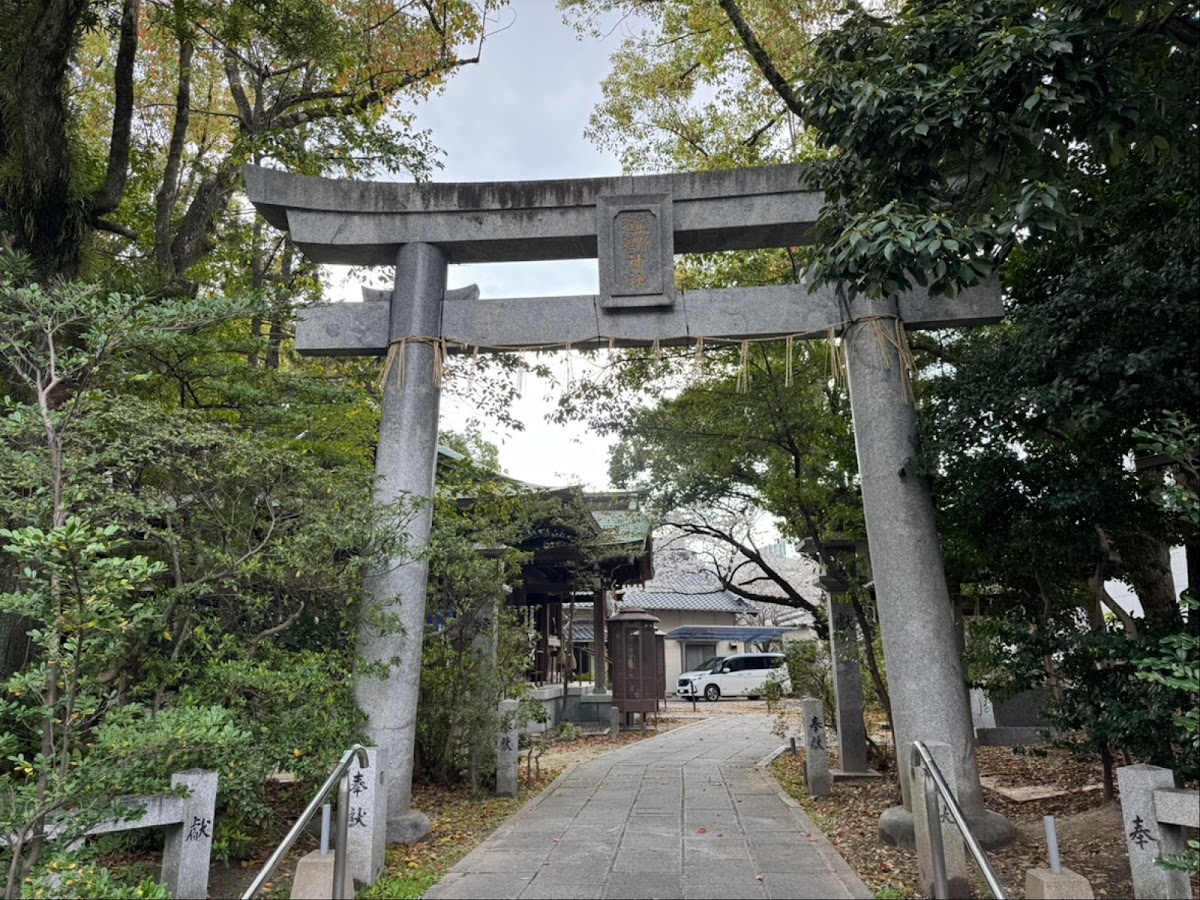
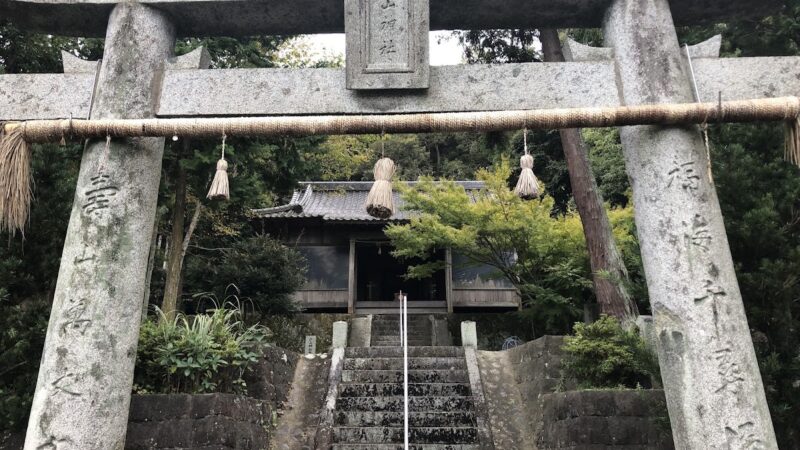
Complete Guide to Jounji Temple | History, Access, and Highlights Explained in Detail
Jounji temples are numerous throughout Japan, each possessing its own unique history and characteristics. This article provides a detailed explanation of the major Jounji temples, from their historical background to information on visiting them.
What is Jounji Temple?
There are several temples named Jounji throughout Japan, each belonging to a different sect and historical background. Major Jounji temples include Hoyozan Jounji (Nichiren sect) in Machida City, Tokyo; Tanakayama Eishoin Jounji (Jodo sect) in Kiryu City, Gunma Prefecture; and Jounji (Jodo sect) in Tatsuno City, Hyogo Prefecture.
These temples have played important roles in their respective regions, serving as centers of faith for local residents and boasting a long history.
Hoyozan Jounji Temple in Machida City
Origin and History of Jounji Temple
Located in Machida City, Tokyo, Hoyozan Jounji Temple is a Nichiren sect temple with a history spanning over 400 years. The temple’s origins trace back to a hermitage established in 1577 (Tensho 5), with Nichimei as its founding priest and Yabe Awaji (Hozen-in Nichisho) as its patron. Initially, it was a small hermitage founded by Honsho-in Nichimei Shonin (Hokke-ji Temple in Himonya).
Later, in 1637 (Kanei 14), it was formally developed into a temple by Joun-in Nichitoku and Hoyo-in Nichiun. It is believed that the temple’s name, “Joun-ji,” was derived from the names of these two monks.
Throughout the Edo period, it developed as a center of local faith and continues to function as an important religious facility in Machida City to this day.
Visiting Hours and Access
Opening Hours
- Opening: 7:00 AM
- Closing: 5:00 PM (17:00)
Those wishing to visit should come within these hours. We also accept requests for memorial services, prayers, and consultations.
Access Information
If you are coming by car, setting Jounji Kaikan as your destination will make it easier to find. Since the vehicle entrance can sometimes be difficult to find, we recommend checking the official website or contacting us directly by phone beforehand. Access from Machida Kaido is the most common route.
Jounji Temple Facilities
Jounji Kaikan
Within the temple grounds is Jounji Kaikan, a multi-purpose facility that can be used for various purposes such as funerals and memorial services. It is also open to local residents and can accommodate gatherings other than Buddhist ceremonies.
Jounji Cemetery
A cemetery equipped with modern facilities is also located on the premises, offering perpetual memorial services and general burial plots. A clean and well-maintained environment is kept.
Original Amulets and Gifts
Jounji Temple offers its own original amulets. Based on the teachings of the Nichiren sect, these amulets address various wishes, including family safety, traffic safety, and academic success.
These items are popular as souvenirs of visits and as gifts for loved ones.
Kumiko Shoji and Architectural Beauty
The main hall of Jounji Temple features traditional kumiko shoji screens, allowing visitors to experience the beauty of Japanese architecture. Kumiko shoji screens are a traditional technique that uses no nails to create geometric patterns by combining pieces of wood, requiring highly skilled craftsmanship.
The delicate patterns created by light and shadow show different expressions depending on the time of day, providing visitors with tranquility and peace.
Shippu Junpai Project
Jounji Temple conducts a unique initiative called the “Shippu Junpai Project.” This project involves visiting sacred sites and temples associated with the Nichiren sect, utilizing Google Maps for guiding visitors to the sites, allowing for a modern approach to experiencing Buddhist culture.
Information Dissemination on Social Media
Jounji Temple actively uses social media, sharing information about daily activities and events on Instagram, Facebook, and Twitter. You can obtain timely information on seasonal events and the state of the temple grounds.
Tanakayama Eishoin Jounji Temple, Kiryu City
History and Origins
Tanakayama Eishoin Jounji Temple, located in Honcho, Kiryu City, Gunma Prefecture, is a Jodo sect temple. It is the 59th temple in the Gunma diocese and is a branch temple of Ota Daikoin Temple.
The founder was the monk Gyokunen (~1586), who played an active role in the Azuchi Religious Debate. Gyokunen began by establishing a hermitage in Hirosawa Village, Gotani (present-day Hirosawa-cho 1-chome) during the Tenbun era (1532-1554), and in Eiroku 1 (1558), he built Aiminji Temple in Hirosawa Village. This is considered the origin of Jounji Temple.
Kiryu City Designated Important Cultural Property
Jounji Temple houses the “Azuchi Religious Debate Records,” a Kiryu City designated important cultural property. The Azuchi Religious Debate was a religious dispute between various Buddhist sects held at Jōgon-in Temple in Azuchi Castle town in 1579, by order of Oda Nobunaga. Records show that the temple’s founder, Gyokunen, participated in this debate, making it a historically significant document.
Architectural Value of the Jōunji Temple Main Hall
The Jōunji Temple Main Hall is designated as a tangible cultural property of Kiryū City. Located south of the former Kiryū Shinmachi and northwest of Honmachi Street, the temple has deep ties to the development of Kiryū Shinmachi. In terms of location, faith, and the lives of residents, it is an important building that tells the history of the region.
The architectural style of the main hall retains characteristics of the Edo period, conveying the architectural techniques and religious practices of that time.
Relationship with Kiryū Shinmachi
Jōunji Temple is closely related to the development of Kiryū Shinmachi. Kiryū has long flourished as a textile town, and Jōunji Temple has attracted the faith of merchants and craftsmen. The history of the temple is also the history of Kiryu town, and is an important element in shaping the region’s identity.
Jounji Temple in Tatsuno City
Connection to Honen Shonin
Jounji Temple, located in Murotsu, Tatsuno City, Hyogo Prefecture, is known as one of the sacred sites associated with Honen Shonin, the founder of the Jodo sect. It is said to have been founded in 1185 and was originally called Saihoji Temple.
It was built with the patronage of the Togawa family, wealthy landowners of Murotsu, and was later renamed Jounji Temple.
Legend of Honen Shonin’s Exile
A legend remains that in the spring of Ken’ei 2 (1207), when Honen Shonin was exiled to Sanuki, he departed from Murotsu. Due to this historical event, Jounji Temple holds special significance for Jodo sect followers as a place associated with Honen Shonin.
Exile was a time of trial for Honen Shonin, but his teachings spread even further through this hardship, and Jounji Temple has survived to this day as a witness to that history.
Historical Background of Murotsu
Murotsu has long been known as a natural harbor and was an important port of call on the Seto Inland Sea shipping route. The establishment of Jounji Temple in this place, where many people came and went, is an interesting example that shows the relationship between maritime traffic and the spread of Buddhism.
Even today, Jounji Temple is preserved as an important cultural property within the historical landscape of Murotsu and is attracting attention as a tourist resource of Tatsuno City.
Hakunzan Jounji Temple in Fukuoka
There is also a Jounji Temple in Fukuoka Prefecture, known as “Hakunzan Jounji Temple.” This temple also actively disseminates information through social media such as Instagram, and is an example of modern temple management.
While developing activities rooted in the local community, it continues its efforts to pass on Buddhist culture to younger generations.
Memorial Services and Buddhist Rites at Jounji Temple
Acceptance of Various Memorial Services
Jounji Temple accepts various memorial services, including:
- Ancestral Memorial Services: Annual memorial services, monthly memorial services, etc.
- Memorial Services for Deceased Infants: Memorial services for the small lives that have passed away
- Pet Memorial Services: Gratitude and memorial services for pets that were members of the family
- Prayers: Prayers for family safety, business prosperity, success in examinations, etc.
Consultation on Funerals and Buddhist Services
Jounji Temple Hall also accepts consultations regarding funerals and Buddhist services. Experienced monks will carefully address various questions and concerns regarding Buddhist rituals.
We can also provide flexible services to suit modern lifestyles, accommodating various formats such as family funerals and one-day funerals.
Guidelines for Visiting Jounji Temple
Etiquette for Visiting a Temple
Knowing the basic etiquette for visiting a temple will make your visit more fulfilling:
- Bow at the Temple Gate: Bow before entering the temple grounds.
- Purification at the Water Basin: Purify your hands and mouth.
- Worship at the Main Hall: Quietly join your hands in prayer and offer your prayers with sincerity.
- Offering a Money Token: Offer your money with gratitude.
- Bow Upon Exit: Turn around and bow as you leave the temple gate.
Attire
For everyday visits, clean and understated clothing is acceptable. However, if you are attending a memorial service or special event, formal attire is preferable.
Annual Events at Jounji Temple
Main Events
Jounji Temple holds various events throughout the year:
- Shōshō-e (January): A Buddhist service praying for peace in the new year
- Spring Equinox Service (March): A memorial service for ancestors
- Osegaki (Summer): A memorial service for those without relatives
- Autumn Equinox Service (September): A memorial service for ancestors
- Oeshiki (October, Nichiren Buddhist temple): A memorial service for the death anniversary of Nichiren Shonin, the founder of the sect
- Joya no Kane (December 31st): A ceremony to send off the old year and welcome the new year
For detailed dates and participation information for each event, we recommend checking the official website or social media of each temple.
Contacting Jounji Temple
You can contact each Jounji Temple using the following methods:
- Telephone: Call the main telephone number of each temple (preferably during opening hours)
- SNS: Use the DM function on Instagram, Facebook, or Twitter
- Official Website: Use the contact form
- Direct Visit: Visit the temple office on the temple grounds during opening hours
Even first-time visitors will receive courteous assistance, so please feel free to contact us.
Attractions Around Jounji Temple
Around Jounji Temple in Machida City
The area around Jounji Temple in Machida City has many shopping streets and restaurants along Machida Kaido, making it enjoyable to stroll around after visiting the temple. Accessing the area around Machida Station will provide access to numerous large commercial facilities and cafes.
Around Jounji Temple in Kiryu City
Jounji Temple in Kiryu City is located on Honmachi Street, in an area that retains its historical streetscape. Facilities where you can experience Kiryu’s textile culture and retro buildings are scattered throughout, making it ideal for historical walks.
Around Jounji Temple in Tatsuno City
Murotsu is a historical port town with many cultural properties and historical sites remaining. You can enjoy seafood dishes and spend a fulfilling time amidst the beautiful scenery of the Seto Inland Sea.
Summary
There are several temples named Jounji throughout Japan, each with its own unique history and characteristics. Hoyozan Jounji Temple in Machida City is a Nichiren Buddhist temple with a history of over 400 years, possessing unique charms such as kumiko shoji screens and original amulets. Jounji Temple in Kiryu City was founded by Tamanen, known for the Azuchi religious debate, and is a historical temple possessing important cultural properties. Jounji Temple in Tatsuno City is a sacred site associated with Honen Shonin, and holds special significance for followers of the Jodo sect.
Each Jounji Temple is a valuable presence that conveys the history and culture of its region, and you can experience Japanese Buddhist culture through worship. We recommend checking the opening hours and event information on each temple’s official website or social media, and visiting with a peaceful heart.