Complete Guide to Kongōchōji Temple | History, Grounds, Cultural Properties, and Access Information for the 26th Temple of the Shikoku 88 Temple Pilgrimage, “Nishidera”
What is Kongōchōji Temple?
Kongōchōji Temple is a Shingon sect (Toyozan branch) temple located in Moto-Otsu, Muroto City, Kochi Prefecture. It is a prestigious ancient temple with the mountain name Ryūzuzan and the temple name Kōmyōin, and is known as the 26th temple of the Shikoku 88 Temple Pilgrimage. The principal image is Yakushi Nyorai (Medicine Buddha), said to have been carved by Kūkai himself.
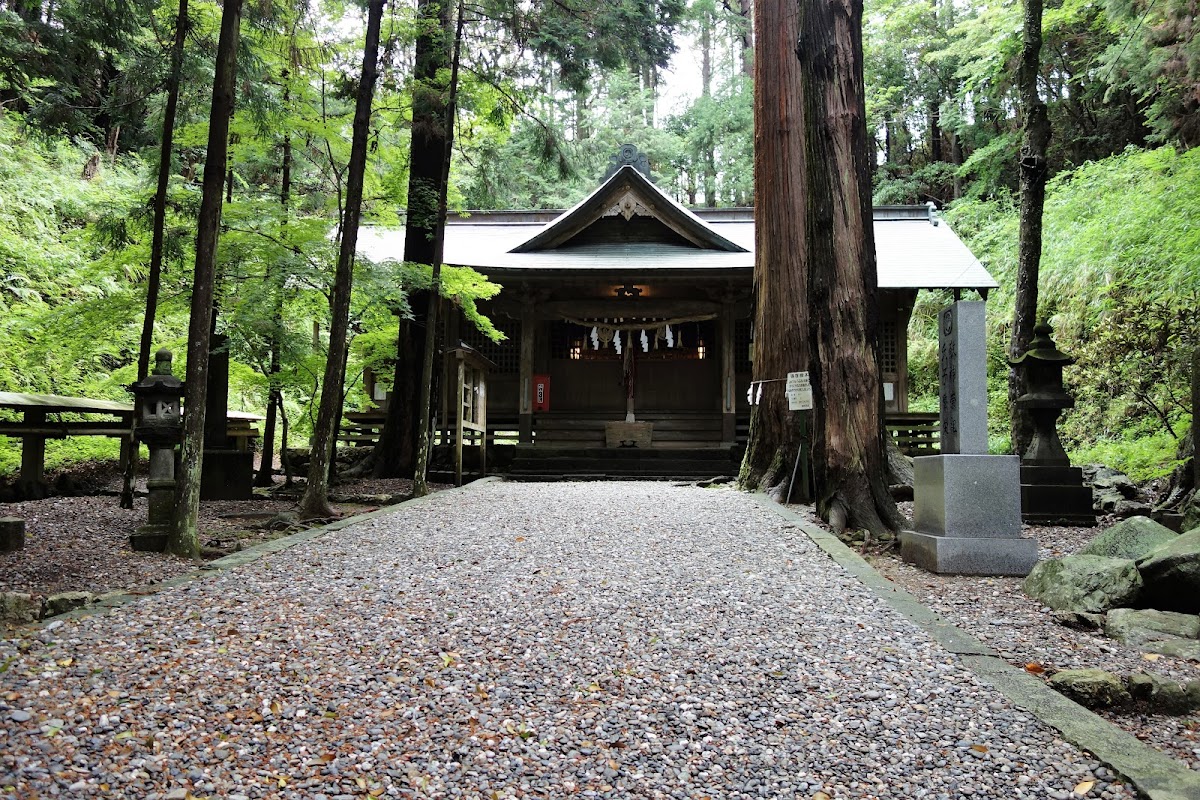
Locally, it is affectionately known as “Nishidera” (West Temple). While Hotsumisakiji Temple, located on the east side of Cape Muroto, is called “Higashidera” (East Temple), this temple is located on the west side as one of the three Muroto temples, hence the name. A distinctive feature is that the temple’s seal also bears the name “Nishidera.” Located on a hill approximately 200 meters above sea level behind Gyoto Cape, the temple grounds encompass a vast area of approximately 33,000 square meters. In a tranquil environment covered by primeval chinquapin trees, visitors can enjoy the beautiful scenery harmonizing with the changing seasons.
History of Kongōchōji Temple
Founding and Construction
While there are various theories regarding the founding of Kongōchōji Temple, the most widely accepted is that it was founded in 807 AD (Daidō 2) by Kūkai, the founder of Kobo Daishi, at the behest of Emperor Saga. It is believed that the temple began when Kūkai, after completing his training at Muroto Cape, established a temple in this location.
Kūkai himself carved a statue of Yakushi Nyorai (Medicine Buddha) as the principal image and designated this area as a sacred site. At that time, Kukai had just returned from Tang China, and it is believed that he positioned Kongōchō-ji Temple as an important base for spreading the teachings of Esoteric Buddhism. The temple’s name, “Kongōchō,” originates from the *Kongōchōkyō*, a fundamental scripture of Esoteric Buddhism.
History of the Prohibition of Women
For a long time, Kongōchō-ji Temple had a history of prohibiting women from entering. This was due to its strong character as a place of mountain worship and Esoteric Buddhist practice. During the Kamakura period, a particularly strict prohibition against women was in place, and female worshippers could only offer prayers at the foot of the mountain.
This prohibition against women was lifted after the Meiji era; for a long period before that, women could only worship the temple from afar. Currently, it is an open sacred site visited by many worshippers, both male and female.
Changes in the Temple
Kongōchō-ji Temple was originally located in the mountains behind its current location, at an altitude of approximately 110 meters. In 1939 (Showa 14), the temple was relocated to its current location, and many cultural artifacts were moved along with it. This relocation improved access for visitors, making it easier for more people to visit.
During the Edo period, it received protection from the Tosa Domain, and the lord of the domain frequently visited. Furthermore, it has a history of being deeply revered by local residents as a center of faith in the Muroto region.
Relationship with Kumano Gongen
According to temple tradition, Kongōchōji Temple originally enshrined Kumano Gongen, and it is said that during the Kamakura period, the monk Chōgen enshrined and combined Kumano Gongen of the Nankai Fudaraku Pure Land, the guardian deity of the Kannon pilgrimage site. This indicates that Kongōchōji Temple is not merely a Shingon Esoteric Buddhism temple, but a temple that strongly retains a history of syncretism between Shinto and Buddhism.
Highlights of the Temple Grounds
Exorcism Slope and Niomon Gate
The approach to Kongōchōji Temple begins with a stone staircase called “Yakuyoke-zaka” (Exorcism Slope). This staircase has a distinctive structure; the bottom step symbolizes the exorcism of those aged 61, followed by a “men’s slope,” and then two “women’s slopes,” totaling 61 steps before reaching the Niomon Gate.
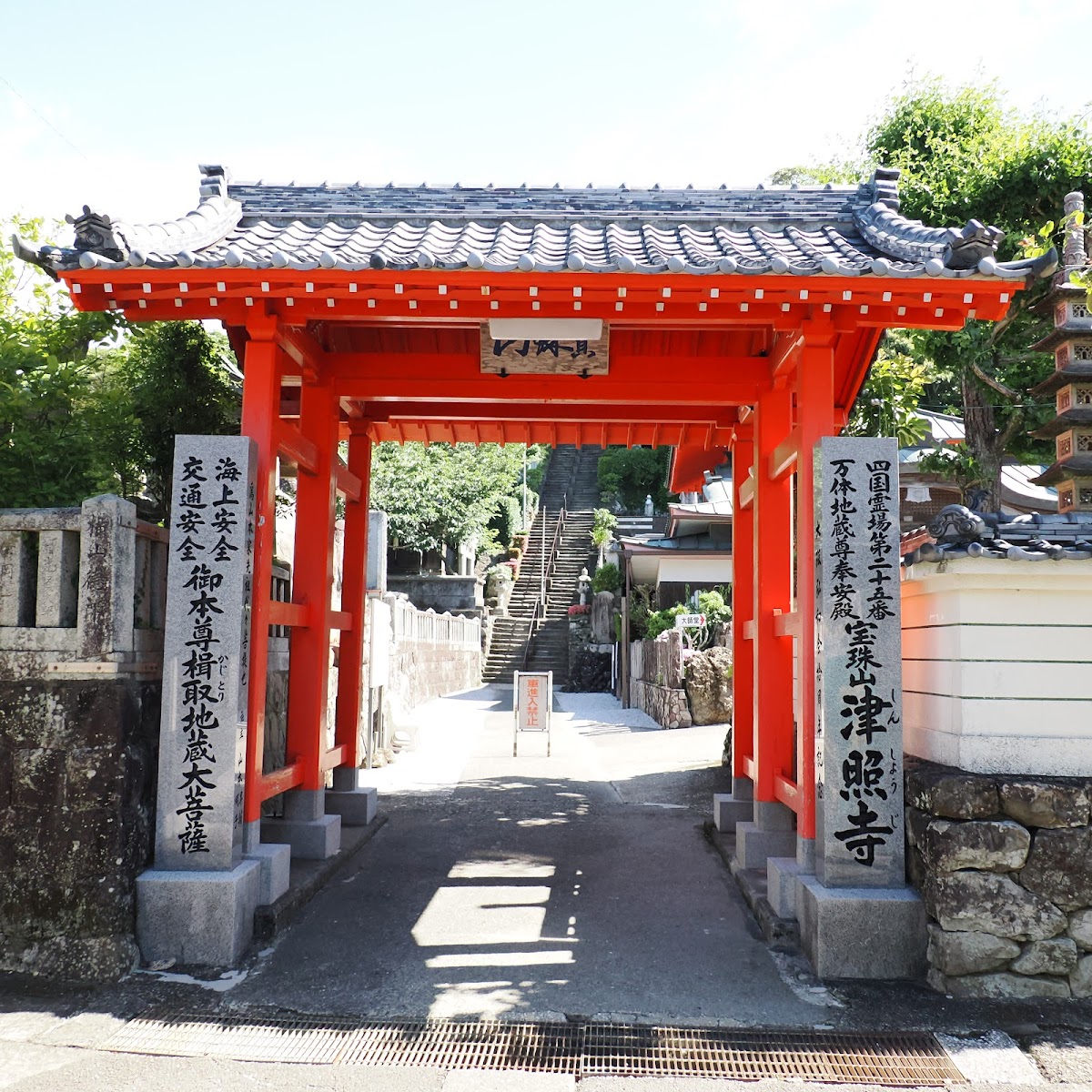
The Niomon Gate is imposing, with Kongo Rikishi statues on either side. Passing through this gate, one enters a tranquil temple ground, clearly feeling the boundary between the secular world and the sacred realm.
Main Hall
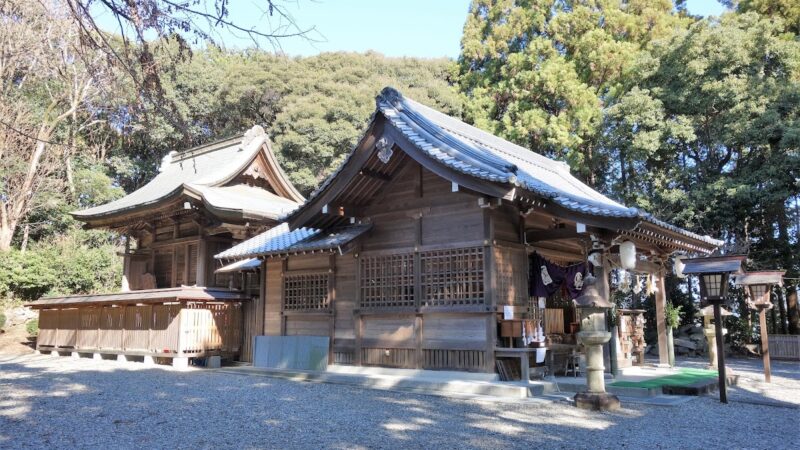
The main hall houses the principal image, Yakushi Nyorai (Medicine Buddha). This statue, said to have been carved by Kobo Daishi himself, is believed to bring healing from illness and longevity, attracting many worshippers. The architectural style of the main hall is typical of Shingon Buddhist temples, creating a solemn atmosphere.
Main Hall
The main hall houses the principal image, Yakushi Nyorai (Medicine Buddha). This Buddha statue, said to have been carved by Kobo Daishi himself, is believed to bring blessings of healing and longevity, drawing many visitors. Inside the hall, the sound of chanting resonates, and the scent of incense fills the air, allowing one to quietly offer prayers. The ceiling is adorned with magnificent decorations, showcasing the high level of craftsmanship from the Edo period.
Daishido Hall
Adjacent to the main hall stands the Daishido Hall, which houses a statue of Kobo Daishi Kukai. The spirit of “Dōgyō Ninin” (two traveling together) is highly valued on the Shikoku pilgrimage, and visiting this Daishido Hall allows one to reaffirm the meaning of walking the pilgrimage alongside Kobo Daishi.
Many pilgrims offer their sutras here, praying for safe travels and the fulfillment of their wishes. The hall is adorned with numerous paper cranes and votive tablets donated by pilgrims, testifying to their deep faith.
Bell Tower and Bell
Within the temple grounds stands a magnificent bell tower, housing a bronze bell designated as a National Important Cultural Property. This bell, believed to date from the Kamakura period, produces a beautiful tone. Visitors can ring the temple bell, and its sound, echoing through the mountains, is believed to have a purifying effect on the mind.
Natural Environment of the Temple Grounds
The grounds of Kongōchōji Temple are covered with primeval chinquapin trees, and many rare plants that are not often seen elsewhere grow there. These plants have been preserved through the temple’s long-standing conservation efforts, and are a fine example of how people’s cultural activities have contributed to the preservation of the natural environment.
You can enjoy the beautiful scenery of each season: cherry blossoms in spring, fresh greenery in early summer, and autumn leaves in fall. Especially during the autumn foliage season, the entire temple grounds are dyed in red and yellow, captivating visitors.
Observation Spot
Located on a hill approximately 200 meters above sea level, Kongōchōji Temple offers a magnificent panoramic view of the Pacific Ocean overlooking Tosa Bay. On clear days, you can see all the way to the horizon, and this spectacular view soothes the hearts of visitors. Sitting on one of the benches located throughout the temple grounds and meditating while gazing at the sea is also recommended.
Cultural Properties
Nationally Designated Important Cultural Properties
Kongōchōji Temple houses numerous valuable cultural properties, among which the following are designated as Nationally Designated Important Cultural Properties:
Wooden Seated Amida Buddha Statue
This elegant Buddha statue, believed to be from the Kamakura period, showcases exquisite sculptural techniques. Characterized by its serene expression and well-proportioned physique, it is a valuable work demonstrating the high skill of the Buddhist sculptors of the time.
Wooden Standing Statue of Vajrapani
This statue of Vajrapani, the guardian deity of Esoteric Buddhism, is impressive with its powerful posture. Despite its angry expression, the figure conveys a sense of compassion that overwhelms the viewer.
Bronze Standing Statue of Kannon Bodhisattva
This Kannon Bodhisattva statue, crafted with delicate casting techniques, is characterized by its elegant standing posture. The decoration of the halo is also magnificent, making it a work that embodies the pinnacle of metalworking techniques from the late Heian period to the Kamakura period.
Bronze Buddhist Altar Fittings
Bronze Buddhist altar fittings used in esoteric Buddhist rituals are also designated as Important Cultural Properties. These were actually used in religious ceremonies and are valuable historical materials for understanding the religious rituals of the time.
Bronze Bell
The aforementioned temple bell is also designated as an Important Cultural Property and is a masterpiece demonstrating the high level of casting technology of the Kamakura period. The inscription includes the date of production and the name of the donor, making it valuable as a historical document.
Kongōchōji Temple Deity Statues (Two Statues)
Kongōchōji Temple possesses two deity statues, which are also designated as Important Cultural Properties. According to temple tradition, these statues represent the enshrinement of Kumano Gongen, and it is said that Chōgen enshrined Kumano Gongen from the Pure Land of Fudaraku in the South Sea.
These statues were originally enshrined in the mountains behind the temple, but were moved to their current location in 1939 (Showa 14). They are attracting attention from researchers as valuable cultural assets that tell the history of the syncretism of Shinto and Buddhism.
Other Cultural Properties
Besides important cultural properties, Kongōchōji Temple houses many other valuable cultural artifacts. Ancient documents, Buddhist paintings, and scriptures are important resources for understanding the history and evolution of faith in the Muroto region.
Inner Sanctuary
Kongōchōji Temple has an inner sanctuary, visited by pilgrims seeking deeper faith. Located further into the mountains from the main hall, the inner sanctuary retains a strong atmosphere of a place of ascetic practice, enveloped in silence.
The path to the inner sanctuary is treacherous, requiring considerable time and physical effort for the round trip. However, the tranquility and sense of oneness with nature gained there are well worth the visit. Monks continue their training there, and witnessing their presence allows one to truly appreciate the rigor and dignity of Buddhist practice.
Access
Location
Address: 523 Moto-Otsu, Muroto City, Kochi Prefecture
Phone: 0887-23-0026
Access by Public Transportation
By Bus
If using Kochi Eastern Transportation buses, get off at the “Muroto World Geopark Center” or “Moto” bus stop and walk for approximately 30 minutes. However, since you will need to walk uphill, we recommend taking a taxi if you are not confident in your physical fitness.
From Kochi Station, take a Kochi Eastern Transportation route bus towards Muroto (approximately 2 hours and 30 minutes). Since the number of buses is limited, we recommend checking the timetable in advance.
By Taxi
If taking a taxi from the vicinity of Cape Muroto, it will take approximately 10 minutes. The fare is approximately 1,500 to 2,000 yen.
Access by Private Car
From Kochi City
Take National Route 55 east for approximately 2 hours towards Muroto City. After passing Cape Muroto, head west and turn onto the mountain road at the sign for Cape Gyoto.
Parking
The temple has a large parking lot that can accommodate approximately 50 regular cars. Parking is free. While the mountain road has many sharp curves and switchbacks, it is relatively wide, allowing for passing of oncoming vehicles. Even those who are not confident drivers can arrive without problems if they drive carefully.
Car Navigation Settings
Searching by phone number (0887-23-0026) or address (523 Moto-Otsu, Muroto City, Kochi Prefecture) will provide accurate directions.
Visiting Hours and Sutra Copying Hours
Visiting Hours: 7:00 AM – 5:00 PM (Open year-round)
Sutra Copying Hours: 7:00 AM – 5:00 PM
Please note that these hours may change depending on the season and weather; it is recommended to check in advance.
Preceding and Following Temples
When visiting the 88 temples of the Shikoku Pilgrimage, the temples before and after Kongōchōji Temple are as follows:
Temple No. 25: Hotsumisakiji Temple (“Tōji”)
Located approximately 7 kilometers from Kongōchōji Temple, about a 15-minute drive. Situated near the tip of Cape Muroto, this temple offers a spectacular view of the Pacific Ocean.
Temple No. 27: Kōnomineji Temple
Located approximately 27 kilometers from Kongōchōji Temple, about a 50-minute drive. Known for its steep stone steps, known as “Mattate,” this is one of the most challenging points on the pilgrimage route.
When walking the pilgrimage route, the path from temple 25 to 26 is relatively flat along the coast, but the path from temple 26 to 27 is a challenging mountain climb.
Nearby Attractions
Cape Muroto
Located about 15 minutes by car from Kongōchōji Temple, Cape Muroto is a scenic spot designated as a national scenic spot. Visitors can see Mikurodo Cave, where Kōbō Daishi (Kukai) practiced asceticism, and geological heritage sites designated as a UNESCO Global Geopark.
Muroto Global Geopark Center
This facility allows visitors to learn about the geology, nature, and history of Muroto. Through exhibits and a theater, visitors can gain a deep understanding of Muroto’s formation and its connection to Kōbō Daishi.
Saikōji Temple (Temple No. 25)
Saikōji Temple, affectionately known as “Higashi-dera” (East Temple), is a pilgrimage site located on the east side of Cape Muroto. Many pilgrims visit both Kongōchōji Temple and this temple together, and the two temples are collectively known as “Muroto’s Two Temples.”
Deep Sea Water Facilities
Muroto is known for its use of deep sea water, and there are hot spring facilities and shops selling products using deep sea water in the surrounding area. It’s recommended to stop by after your pilgrimage to soothe your fatigue.
Points to Note for Pilgrimage
Clothing and Items to Bring
Since you will be climbing mountain paths, comfortable shoes and clothing that allows for easy movement are essential. In summer, the sun is strong, so bring a hat and sunscreen. Also, don’t forget to bring water for hydration.
If you plan to wear pilgrimage attire, prepare a white robe, straw hat, and walking stick. Don’t forget to bring your pilgrimage notebook and votive slips.
Proper Visiting Etiquette
- Bow at the Niomon Gate before entering the temple grounds.
- Cleanse your hands and mouth at the water basin.
- Ring the bell at the bell tower (except during morning and evening hours).
- Chant sutras and offer your votive slip at the main hall.
- Chant sutras and offer your votive slip at the Daishido Hall.
- Receive your temple stamp at the sutra copying office.
- Bow at the Niomon Gate before leaving the temple grounds.
Estimated Time Required
From the parking lot to visiting the main hall and Daishido Hall, and receiving your temple stamp at the sutra copying office, it takes approximately 30 to 40 minutes. If you wish to stroll around the temple grounds at a leisurely pace, allow about an hour.
Temple Lodgings and Nearby Accommodations
Kongōchōji Temple does not have its own temple lodgings, but there are various accommodations in Muroto City, including pilgrim lodgings, guesthouses, and hotels. Staying at accommodations around Cape Muroto allows you to visit the temple early the next morning.
Many accommodations offer plans for pilgrims, including breakfast times to accommodate early morning departures and facilities such as drying rooms for wet clothes.
Annual Events
Kongōchōji Temple holds various religious services and events throughout the year.
New Year’s: Many worshippers visit for the first shrine visit of the year.
Spring Grand Festival: A religious service held during the spring equinox.
Kōbō Daishi Memorial Service: A memorial service held on the 21st of each month to commemorate Kōbō Daishi.
Autumn Grand Festival: A religious service held during the autumn equinox.
During these events, cultural properties that are normally closed to the public may be specially opened.
The Charm of Kongōchōji Temple
The greatest charm of Kongōchōji Temple is the spectacular view of the Pacific Ocean from its 200-meter-high plateau and the tranquil environment surrounded by primeval forest. Affectionately known as “Nishi-dera” by locals, this temple boasts a history of over 1200 years, offering deep spiritual healing to visitors.
The Buddhist statues and artifacts, designated as important national cultural properties, convey the outstanding artistry of the Kamakura period, making it a must-see for cultural heritage enthusiasts. Furthermore, its strong connection to Kumano Gongen and other aspects of the syncretism of Shinto and Buddhism make it an interesting element from the perspective of religious history research.
Not only is it a pilgrimage site on the Shikoku Pilgrimage, but it is also part of the Muroto UNESCO Global Geopark, and continues to be cherished by many as a precious space where nature and culture harmonize.
The rare plant communities growing naturally within the temple grounds are the result of the temple’s long-standing conservation efforts, and serve as a prime example of how human cultural activities can contribute to the preservation of the natural environment.
Summary
Kongōchō-ji Temple is an ancient temple boasting a history of over 1200 years, serving as the 26th temple on the Shikoku 88 Temple Pilgrimage, founded by Kūkai, Kobo Daishi. Affectionately known as “Nishi-dera,” this temple is situated on a hill 200 meters above sea level, offering breathtaking views of the Pacific Ocean.
It houses numerous valuable cultural artifacts, including nationally designated Important Cultural Properties. The Buddhist statues and implements from the Kamakura period showcase the outstanding artistry of that era. The tranquil grounds, surrounded by primeval forest, offer visitors deep spiritual healing and the opportunity to enjoy the beauty of nature throughout the seasons.
Access requires climbing a mountain road, but a large parking lot is available, making it convenient for those traveling by car. For those using public transportation, taking a taxi from the bus stop is recommended.
With many attractions nearby, such as Cape Muroto and Saigasaki-ji Temple, visiting Kongōchō-ji in conjunction with sightseeing in the Muroto area will make for a more fulfilling trip. Kongōchō-ji Temple is a must-see for those aspiring to the Shikoku Pilgrimage, those interested in history and cultural properties, and those seeking beautiful nature.