Kitadate Shrine Complete Guide | The Story of the Historic Shrine in Shonai Town Dedicated to the Water God and the Kitadate Weir
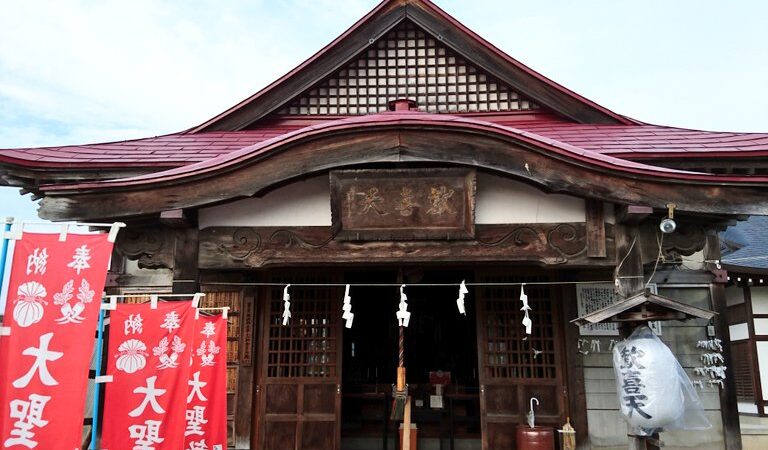
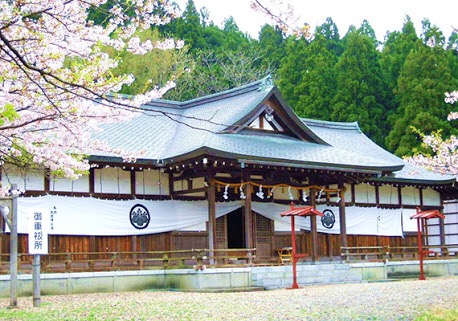
Kitadate Shrine, located in Shonai Town, Higashitagawa District, Yamagata Prefecture, is a historic shrine dedicated to Kitadate Daigaku-no-suke Toshinaga, who made significant contributions to the agricultural development of the Shonai Plain. Affectionately known locally as “Daigaku-sama,” it continues to attract many worshippers as a water god.
This article will fully convey the charm of this shrine, from its history and the achievements of its enshrined deity, Kitadate Daigaku-no-suke Toshinaga, to the story of the Kitadate Weir, a UNESCO World Heritage Irrigation Structure, and information on visiting the shrine.
About Kitadate Shrine | A Shrine Dedicated to the Water God Who Nourishes the Shonai Plain
Kitadate Shrine is located at 400 Kasayama, Karikawa, Shonai-cho, Higashitagawa-gun, Yamagata Prefecture. It enshrines Kitadate Daigaku-no-suke Toshinaga, who excavated irrigation canals throughout the eastern part of the Shonai Plain in the early Edo period.
Overview and Characteristics of the Shrine
The most distinctive feature of Kitadate Shrine is that it enshrines a real historical figure as a water god. Kitadate Daigaku-no-suke Toshinaga was appointed lord of Karikawa Castle (Tateyama Castle) in 1601 (Keicho 6). Witnessing the vast, desolate Ashiya area, he resolved to transform it into a fertile rice-growing region.
The shrine is built to watch over the town of Karikawa, and from its grounds, one can enjoy views of the rural landscape of the Shonai Plain. Even today, it remains an important place of worship for the local people, where they offer gratitude for abundant harvests and the blessings of water.
Deity Enshrined | The Life and Achievements of Lord Kitadate Daigakunosuke Toshinaga
Who was Lord Kitadate Daigakunosuke Toshinaga?
Kitadate Daigakunosuke Toshinaga was a samurai who served as a retainer of Mogami Yoshiaki, the lord of the Yamagata Domain. In 1601, he was appointed by Mogami Yoshiaki to protect the Karikawa, Kiyokawa, and Tachizawa areas.
At that time, the eastern part of the Shonai Plain, despite having water from the Tachizawa River flowing from the Gassan and Asahi mountain ranges, lacked irrigation facilities and was a vast expanse of undeveloped land. Lord Toshinaga recognized the potential of this land and devised a large-scale irrigation plan.
The Hardships and Successes of the Kitadate Weir Construction
The construction of the Kitadate Weir, which began in 1601, was fraught with unimaginable difficulties. The construction of a large-scale irrigation network, drawing water from the Tachiizawa River and distributing it throughout the eastern part of the Shonai Plain, using only the technology and manpower available at the time, was truly a remarkable achievement.
The construction was completed in Keicho 17 (1612 or 1616), and after approximately 15 years, an irrigation canal approximately 20 kilometers long was opened. This Kitadate Dam transformed the previously barren eastern part of the Shonai Plain into a fertile rice-growing region, laying the foundation for Shonai’s reputation as a rice-producing area.
Lord Toshinaga’s achievements extend beyond mere civil engineering; they hold immense historical significance for bringing about the development of agriculture in the region, improving people’s lives, and contributing to the economic prosperity of the Shonai area.
Worship as a Water Deity
After Lord Toshinaga’s death, in honor of his great achievements and as a token of gratitude for the blessings of water, the local people enshrined him as a water deity. This marked the beginning of Kitadate Shrine.
The affectionate nickname “Daigaku-sama” (Lord Daigaku) originates from Lord Toshinaga’s official title, “Daigaku-no-suke” (Assistant to the University), and continues to be cherished by the local people. For those engaged in agriculture, water is the source of life, and the gratitude towards Lord Toshinaga for providing this water remains unchanged, even after more than 400 years.
World Heritage Irrigation Structures | Historical Value of the Kitadate Weir
Registration as a World Heritage Irrigation Structure
The Kitadate Weir has been internationally recognized for its historical and technological value and registered as a World Heritage Irrigation Structure. This registration is granted by the International Commission on Irrigation and Drainage (ICID) to facilities that have been in operation for more than 100 years and have contributed to the development of irrigated agriculture.
The following points were recognized regarding the Kitadate Weir:
- Over 400 Years of History: It has been continuously functioning since its completion during the Keicho era.
- Contribution to Regional Agriculture: It has supported rice paddy agriculture in the eastern part of the Shonai Plain, forming the foundation of Shonai as a rice-producing region.
- Technical Value: It is a valuable legacy that conveys the civil engineering technology of the early Edo period.
- Sustainability: Through proper maintenance and management, it continues to play an important role as an agricultural water source.
A Historic Irrigation Facility Still in Function Today
The Kitadate Weir is not merely a historical relic, but a “living heritage” that still supplies water to approximately 2,000 hectares of rice paddies in the Shonai Plain. The complex waterway network, which draws water from the Tachiizawa River and distributes it to the Karikawa, Amarume, and Tachikawa areas, continues to function while maintaining the design philosophy from 400 years ago, and has undergone continuous improvements to adapt to the times.
Every spring during the rice planting season, abundant water flows from the Kitadate Dam into the rice paddies, supporting the production of Shonai rice. This scene speaks to how Lord Toshinaga’s great achievements continue to live on in modern times.
Yamagata Prefecture is also focusing on disseminating information to widely convey the value of the Kitadate Dam, including releasing official YouTube videos.
Annual Events and Rituals of Kitadate Shrine
Major Festivals
Various rituals are held at Kitadate Shrine throughout the year.
New Year’s Day Festival: A ritual to pray for family safety and good health as we welcome the new year. On a new day in a new month of a new year, we pray for a year of peace and safety with a refreshed spirit.
Great Purification Ceremony (Oharai): An important ritual to purify oneself of sins, mistakes, and impurities of mind and body that may have been unknowingly committed in daily life, and to pray for good health and protection from illness. Held twice a year, in June and December.
Grand Festival: This is the most important festival, commemorating and honoring the achievements of the enshrined deity, Kitadate Daigaku-no-suke Toshinaga. Local people gather to offer thanks for the blessings of water and abundant harvests.
Prayers and Sacred Offerings
Kitadate Shrine accepts various prayers and sacred offerings:
- Family Safety
- Business Prosperity
- Abundant Harvest
- Protection from Evil
- Traffic Safety
- Success in Exams
- Safe Childbirth
In particular, many prayers for bountiful harvests and water-related blessings are received from those involved in agriculture.
Access and Visiting Information for Kitadate Shrine
Basic Information
Location: 400 Kasayama, Karikawa, Shonai-cho, Higashitagawa-gun, Yamagata Prefecture 999-6601
Phone Number: 0234-56-2709
Shrine Office Hours: 9:00 AM – 5:00 PM (Prior contact required)
Transportation Access
Access by Train:
- Approximately 10-15 minutes on foot from JR Uetsu Main Line “Karikawa Station”
- Karikawa Station is the central station of Shonai-cho, approximately 15 minutes from Sakata Station and approximately 20 minutes from Tsuruoka Station
Access by Car:
- Approximately 15 minutes from Yamagata Expressway “Shonai Asahi IC”
- Approximately 10 minutes from Nihonkai Tohoku Expressway “Amarume IC”
- Parking available (free)
Points to Note When Visiting Kitadate Shrine
To make your visit to Kitadate Shrine more fulfilling, keep the following points in mind:
- View from the Shrine Grounds: On a clear day, you can enjoy a panoramic view of the vast rural landscape of the Shonai Plain from the shrine grounds. Seeing the land that Lord Toshinaga cultivated firsthand allows you to truly appreciate the magnitude of his achievements.
- Visiting the Kitadate Weir: Near the shrine are the intake and waterways of the Kitadate Weir. Seeing the flowing water allows you to experience the high level of civil engineering from 400 years ago and the remarkable functionality of this facility.
- Seasonal Scenery: Visiting during the spring rice planting season or the autumn rice harvest season allows you to witness the production of Shonai rice, nurtured by the blessings of water.
Visiting Sites Associated with the University
Karikawa Castle (Tateyama Castle) Ruins
The ruins of Karikawa Castle (Tateyama Castle), where Lord Kitadate Daigakusuke Toshinaga served as lord, remain near Kitadate Shrine. While only a portion of the remains survive today, it allows us to imagine Lord Toshinaga’s role in directing the construction of the Kitadate Weir from this location.
Historical Sites Along the Kitadate Weir
Along the Kitadate Weir, there are numerous stone monuments believed to have been used during construction, as well as historical facilities located at key points along the waterway. Joining a local guided tour allows for an efficient visit to these historical sites.
Related Facilities in Shonai Town
Within Shonai Town, there are facilities exhibiting materials related to Lord Kitadate Daigakusuke Toshinaga and the Kitadate Weir. Those interested in history can deepen their understanding by visiting these facilities in conjunction with the main site.
The Charms of Shonai Town and Surrounding Tourist Spots
About Shonai Town
Shonai Town is located in the northwestern part of Yamagata Prefecture, in the central part of the Shonai Plain. Blessed with fertile land and abundant water, it is particularly known for its rice production. Shonai rice is highly regarded nationwide, and the Kitadate Weir was instrumental in establishing its reputation.
Recommended Nearby Spots
Hibiki Hall: A concert hall boasting world-class acoustics. A must-see for music lovers.
Windmill Village: A tourist facility lined with windmills, a symbol of Shonai Town. Enjoy the atmosphere of the Netherlands.
Tsukinosawa Onsen: A hot spring facility located within Shonai Town. You can relax and soothe your fatigue after visiting the shrine.
Rural Landscape of the Shonai Plain: The vast rural landscape, which changes its appearance with each season, is a tourist resource in itself. The fresh green of spring and the golden rice fields of autumn are particularly breathtaking.
Historical Significance Conveyed by Kitadate Shrine
Pioneer of Regional Development
The Kitadate Weir construction project by Kitadate Daigakusuke Toshinaga was not merely an irrigation project, but a comprehensive development project encompassing the entire region. Its achievements in transforming undeveloped land into fertile farmland, improving people’s living standards, and developing the regional economy can be considered a precursor to modern regional development projects.
A Model for Sustainable Development
The Kitadate Weir, which continues to function even after more than 400 years, is an excellent model of sustainable development. The wisdom of our ancestors in utilizing the natural terrain, considering the environment, and constructing a facility for long-term use offers many insights for us today.
A Faith that Conveys Gratitude
The faith in Kitadate Shrine embodies traditional Japanese values: gratitude for the blessings of water, respect for the efforts of our ancestors, and coexistence with nature. This shrine continues to teach us the importance of not only material wealth, but also spiritual richness.
Summary | Feeling History and Gratitude at Kitadate Shrine
Kitadate Shrine is a shrine that embodies the achievements of a single warrior, Kitadate Daigaku-no-suke Toshinaga, and the feelings of gratitude and appreciation of the people who honor him. The Kitadate Weir, constructed during the Keicho era, is internationally recognized as a World Heritage Irrigation Structure and continues to support agriculture in the Shonai Plain even today, more than 400 years later.
By visiting the shrine, we can feel the weight of history, reflect on the efforts of our ancestors, and have the opportunity to express gratitude for the blessing of water that sustains our daily lives. When you visit Shonai Town, be sure to visit Kitadate Shrine and experience the great achievements of Toshinaga, affectionately known as “Daigaku-sama.”
Here lies the origin of Shonai, a rice-producing region. While gazing at the rich rural landscape, why not feel the gratitude that has been passed down for over 400 years?