Complete Guide to Ogamiyama Shrine | A Thorough Explanation of History, Blessings, Worship Methods, and the Charms of the Inner Shrine and Main Shrine
What is Ogamiyama Shrine?
Ogamiyama Shrine is a historic shrine in Tottori Prefecture, with Mount Daisen, a sacred mountain, as its deity. It consists of two shrines, the Inner Shrine and the Main Shrine, and has long been revered as a sacred site of mountain worship.
Mount Daisen is also known as “Hoki Fuji” and is known as the highest sacred mountain in the Chugoku region. Ogamiyama Shrine has a history of being an object of worship since before the Nara period, as a shrine that enshrines the spirit of Mount Daisen.
The Two Shrines of Ogamiyama Shrine
Ogamiyama Shrine has two shrines: the Inner Shrine and the Main Shrine.
- Inner Shrine: Located in Daisen-cho, Daisen, on the mountainside of Mount Daisen at an altitude of approximately 900 meters. It may be closed during winter due to heavy snowfall.
- Main Shrine: Located in Odaka, Yonago City, it serves as the village shrine and is open for worship throughout the year.
This two-shrine system is a valuable example of the “inner shrine/village shrine” structure in mountain worship, which is still preserved today.
History of Ogamiyama Shrine
Founding and Ancient Beliefs
The founding of Ogamiyama Shrine is extremely ancient, and although the exact date is unknown, its name is recorded in the “Izumo no Kuni Fudoki” and the “Engishiki Jinmyocho,” indicating that it was recognized as an important shrine at least before the Heian period.
Mt. Daisen has been revered as a sacred mountain since ancient times and flourished as a sacred site for mountain asceticism. During the era of syncretism of Shinto and Buddhism, a large religious city centered around “Daisen-ji Temple” was formed, and Ogamiyama Shrine played a part in it.
Development in the Middle Ages
In the Middle Ages, it flourished in conjunction with Daisen-ji Temple. During the Sengoku period, it was deeply revered by local warlords and received many donations. In particular, powerful daimyo of the San’in region, such as the Amago and Mori clans, are believed to have been involved in the construction and repair of the shrine buildings.
Meiji Restoration and Separation of Shinto and Buddhism
Due to the Meiji-era decree separating Shinto and Buddhism, Oyama-dera Temple and Ogamiyama Shrine were separated. At this time, Buddhist elements were eliminated, and the shrine was established as a purely Shinto shrine. The current shrine buildings of the inner sanctuary were constructed after this period.
After the Meiji era, Ogamiyama Shrine was ranked as a National Shrine of the lower rank and came to be recognized as one of the representative shrines of the San’in region.
From Modern to Contemporary Times
After the war, it became an independent religious corporation and continues to serve as the local tutelary shrine and the center of Oyama worship. In recent years, it has attracted attention as a power spot, and many worshippers from all over the country visit.
Deities and Benefits
Deities
The deity enshrined at Ogamiyama Shrine is Ōnamuchi-no-kami. Ōkuninushi-no-Mikoto is another name for Ōkuninushi-no-Mikoto and is a god of nation-building, also known as the enshrined deity of Izumo Taisha Shrine.
The Ōyama area is close to Izumo Province and has been strongly influenced by the Izumo cultural sphere since ancient times. Therefore, Ōkuninushi-no-Mikoto, a god of Izumo, is enshrined here.
Benefits
Ōgamiyama Shrine is believed to offer a variety of benefits, including:
Matchmaking and Success in Relationships
Ōkuninushi-no-Mikoto is widely known as a god of matchmaking. It is believed to bring good fortune not only in romantic relationships but also in relationships between people, in business, and in all kinds of relationships.
Business Prosperity and Success
As a god of nation-building, the shrine is also worshipped for its benefits in industrial development and business prosperity. Many visitors come to pray for success, especially when starting a new business.
Family Safety and Protection from Evil
There has been a long-standing belief in praying for the safety and health of family members and protection from disaster. The inner shrine, in particular, is said to be filled with the sacred energy of the mountain and possesses powerful protective abilities against evil.
Healing from Illness and Longevity
As a deity of medicine, many worshippers pray for healing from illness and longevity. Combined with the pure air of Mt. Daisen, it is believed to have the effect of purifying the mind and body and promoting health.
Abundant Harvest and Agricultural Protection
The belief in the shrine as a deity of agriculture remains strong, and local farmers continue to visit to pray for abundant harvests and bountiful crops.
Highlights of Ogamiyama Shrine Inner Shrine
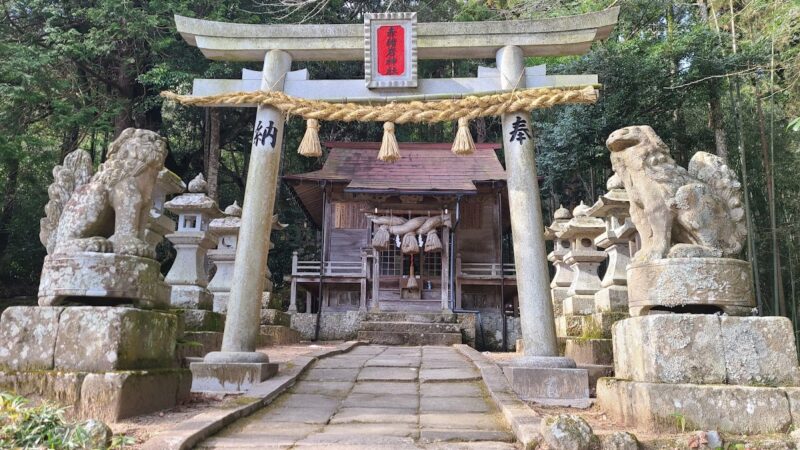
Japan’s Longest Natural Stone Path
The path to the inner shrine is known as Japan’s longest natural stone path. The path, approximately 700 meters long, is paved with natural stones, creating a solemn atmosphere that draws visitors into the sacred realm.
This stone pavement is composed of natural stones, each with a different shape, and has been maintained over many years. The moss-covered stones exhibit a mystical beauty, especially after rain or in the morning mist.
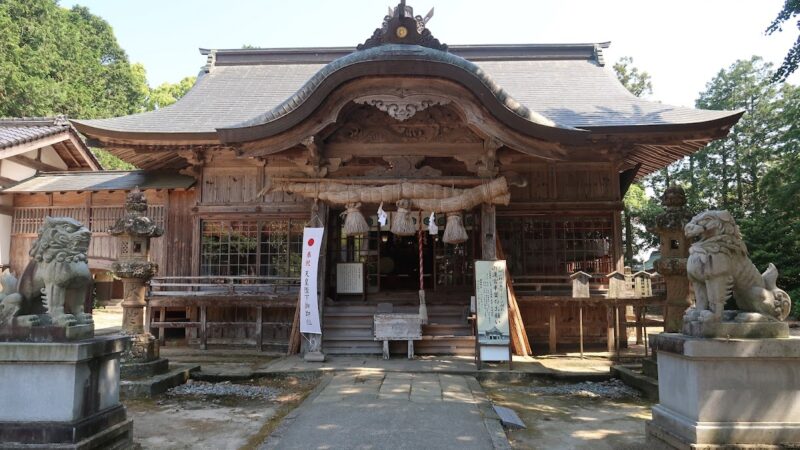
Gongen-zukuri Main Hall
The main hall of the inner shrine is built in the Gongen-zukuri style. This is a structure in which the main hall and the worship hall are connected by a stone partition, a highly dignified architectural style also seen at Nikko Toshogu Shrine.
The shrine buildings harmonize with the surrounding nature, creating a magnificent landscape where architectural beauty and natural beauty are integrated, especially during the seasons of fresh greenery and autumn leaves.
Sacred Atmosphere and Nature
The area around the inner shrine is surrounded by giant cedar trees hundreds of years old, creating a solemn atmosphere befitting a sacred realm. Especially during early morning visits, one can witness the fantastical sight of the shrine buildings floating in the morning mist.
Located amidst the rich natural beauty of Mt. Daisen, you can enjoy the changing scenery of each season. The fresh greenery of spring, the deep green of summer, the vibrant autumn foliage, and the snowy winter landscape each offer a different charm depending on the time of year you visit.
Visiting Period
The inner shrine (Okumiya) is located at a high altitude in a heavy snowfall area, so it may be closed during the winter. Generally, the visiting period is from late April to late November. However, since snow conditions vary from year to year, it is recommended to check in advance if visiting in winter or early spring.
Characteristics of the Main Shrine (Ogamiyama Shrine)
A Village Shrine Open Year-Round
The main shrine, located in Odaka, Yonago City, functions as the village shrine of the inner shrine (Okumiya). Due to its lower altitude and accessibility even in winter, it attracts the faith of local people throughout the year.
The main shrine also serves as the local guardian deity and is a popular place for worship at important life events such as New Year’s visits, Shichi-Go-San (a traditional rite of passage for children), and exorcisms.
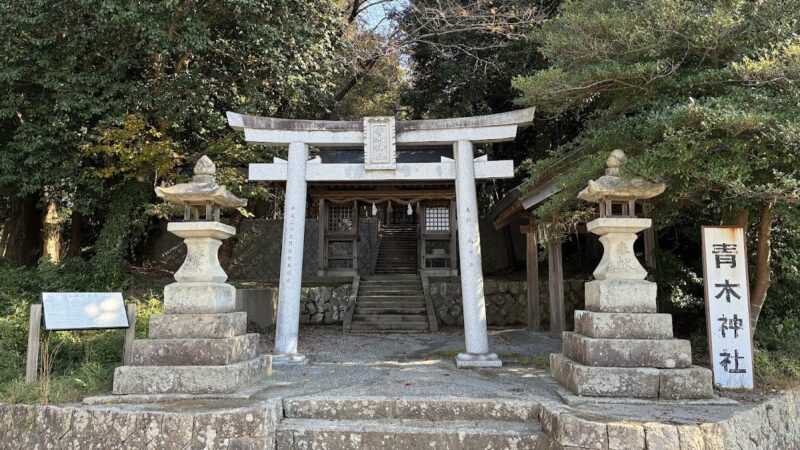
Main Shrine Building and Grounds
The main shrine building is a historically significant structure, offering a tranquil atmosphere for worship. The grounds are well-maintained, and visitors can enjoy seasonal flowers.
Compared to the inner shrine, it’s easily accessible, making it a convenient place to visit. For locals, it’s a familiar shrine they can visit regularly.
Connections to the Community
Many local festivals and events are held at the main shrine. It also plays a central role in the local community, serving as a place for people to interact through the shrine.
Worship Methods and Manners
Basic Worship Etiquette
Worship at Ogamiyama Shrine follows general shrine worship etiquette.
- Bow before passing through the torii gate: As a sign of respect before entering the sacred area, bow before the torii gate.
- Purify at the water basin: Purify your left hand, then your right hand, then receive water in your left hand and rinse your mouth. Finally, purify the handle of the ladle.
- Walk along the edge of the path: The center of the path is considered the path of the gods, so it is polite to walk along the edge.
- Worship at the main hall: Worship using the two bows, two claps, and one bow ritual.
Points to note when visiting the inner shrine
The following points should be noted when visiting the inner shrine:
- Attire: The natural stone path can be slippery, so wear comfortable shoes. Particular caution is needed during or after rain.
- Time: The path is long, so allow about an hour for the round trip.
- Season and weather: The path may be closed during winter. Also, the weather on Mt. Oyama is unpredictable, so rain gear is recommended.
- Physical fitness: The path is a gentle uphill climb, so those who are not confident in their physical fitness should take breaks and walk slowly.
Regarding Photography
Photography is generally permitted on the shrine grounds, but consideration must be given to avoid disturbing worshippers or religious ceremonies. Also, there are areas where photography is prohibited, such as inside the main hall, so please follow the signs.
Goshuin (Shrine Seals) and Amulets
Goshuin (Shrine Seals)
At Ogamiyama Shrine, you can receive goshuin at both the inner shrine and the main shrine.
- Goshuin at the Inner Shrine: Available during the visiting period (generally late April to late November).
- Goshuin at the Main Shrine: Available throughout the year.
Goshuin are popular as proof of worship and as souvenirs of your trip. You can bring your own goshuincho (seal book) or purchase one on site.
Amulets and Souvenirs
Ogamiyama Shrine offers a variety of amulets and souvenirs.
- Matchmaking Charm: A charm to pray for a successful relationship.
- Exorcism Charm: A charm to protect you from misfortune.
- Health Charm: A charm to pray for good health and longevity.
- Business Prosperity Charm: A charm to pray for success in business.
In addition, there are charms for various purposes, such as traffic safety, academic success, and safe childbirth.
Access Information
Access to Ogamiyama Shrine Inner Sanctuary
By Public Transportation
- Take the Nikko Bus bound for “Daisenji” from JR Yonago Station (approx. 50 minutes)
- After getting off at the “Daisenji” bus stop, walk for approximately 15-20 minutes to reach the entrance to the inner sanctuary’s approach.
- From there, walk along the approach for approximately 30-40 minutes to reach the inner sanctuary.
By Private Car
- Approximately 30 minutes from the Yonago IC on the Yonago Expressway
- Parking is available around Daisenji (both paid and free parking available)
- From the parking lot to the inner sanctuary, it is a walk.
Access to Ogamiyama Shrine Main Shrine
By Public Transportation
- Approximately 15 minutes by taxi from JR Yonago Station
- Or take a local bus towards “Odaka”
By Private Car
- Approximately 10 minutes from the Yonago IC on the Yonago Expressway
- Parking available on the shrine grounds
Best Time to Visit
- Spring (April-May): Beautiful fresh greenery, and the inner shrine is open to the public. The pleasant weather makes it ideal for visiting.
- Summer (June-August): Enjoy the cool mountain air amidst the deep greenery. However, rain gear is necessary during the rainy season.
- Autumn (September-November): The autumn foliage is magnificent, making it one of the most beautiful seasons. Mid-October to early November is the best time to see the leaves.
- Winter (December-March): The inner shrine is often closed, but the main shrine is open year-round.
Annual Events and Festivals
Main Annual Events
Ogamiyama Shrine holds various festivals and events throughout the year.
Grand Festival
This is the most important festival, held every autumn. The shrine is bustling with many worshippers as a portable shrine procession and dedication ceremonies are held. Traditional local performing arts are also performed.
New Year’s Visit
Many worshippers visit the shrine in the New Year. The main shrine, in particular, is a beloved place for local residents to make their first shrine visit of the year.
Summer Purification Ceremony
This Shinto ritual, held on June 30th, purifies the impurities accumulated over the past six months. A ritual of passing through a ring of reeds may also be performed.
Other Events
- Setsubun Festival (February)
- Spring Grand Festival (April or May)
- Autumn Grand Festival (October or November)
- Niiname-sai Festival (November)
- Year-End Purification Ceremony (December 31st)
Detailed dates may vary from year to year, so it is recommended to check official information.
Nearby Tourist Attractions
Daisen-ji Temple
This ancient Tendai sect temple is located very close to the inner sanctuary of Ogamiyama Shrine. It was once integrated with Ogamiyama Shrine due to the syncretism of Shinto and Buddhism, but was separated during the Meiji era’s separation of Shinto and Buddhism. It houses important cultural properties and is worth visiting in conjunction with a visit to the shrine.
Daisen Makiba Milk Village
This tourist farm at the foot of Mt. Daisen offers opportunities to interact with animals, purchase dairy products, and visit a restaurant. It’s a popular spot for families.
Daisen National Park Center
This facility allows you to learn about the nature and history of Mt. Daisen. It also provides climbing information, making it useful for those planning a climb of Mt. Daisen.
Shoji Ueda Photography Museum
This museum exhibits the works of Shoji Ueda, a world-renowned photographer. The architecture, set against the backdrop of Mt. Daisen, is beautiful and recommended for art lovers.
Kaike Onsen
This is a representative hot spring resort in the San’in region, located in Yonago City. This hot spring, facing the Sea of Japan, is perfect for relaxing after a pilgrimage.
The Charm of Ogamiyama Shrine and its Value as a Power Spot
A Sacred Precinct Integrated with Nature
The greatest charm of Ogamiyama Shrine, especially the inner sanctuary, lies in the atmosphere of the sacred precinct integrated with the magnificent nature of Mt. Daisen. Walking along the path surrounded by centuries-old cedar trees allows you to immerse yourself in a sacred space far removed from everyday life.
The Weight of History
The history of faith, continuing since ancient times, gives this shrine a special significance. It is said that invisible energy accumulates in places where many people have offered prayers.
Purification of Mind and Body
Praying in the pure air and tranquility of Mt. Daisen has a great effect on purifying the mind and body. Walking the path to the inner sanctuary, in particular, is a kind of spiritual experience, providing an opportunity to calm the mind.
Beauty in the Four Seasons
Ogamiyama Shrine shows different expressions in each season, offering new discoveries with every visit. The natural stone path leading to the inner shrine, in particular, exudes a completely different atmosphere depending on the season and weather.
Visitor Voices and Experiences
Deeply Moved by the Solemn Atmosphere
Many visitors have spoken of being deeply moved by the solemn atmosphere, especially at the inner shrine. Many report feeling a sense of purification as they walk the long path, treading on the moss-covered stones.
Benefits for Finding Love
There are many reports of people visiting the shrine seeking blessings for finding love and subsequently being blessed with a good match. Many couples visit, some before marriage or on their wedding anniversary.
Healing of the Soul
Many visitors have commented that they felt healed by spending time in the quiet sacred grounds, away from the hustle and bustle of everyday life. Early morning visits, in particular, are popular for their even more tranquil and sacred atmosphere.
Summary of Key Points for Visiting Ogamiyama Shrine
Visit Both the Inner Shrine and the Main Shrine
If possible, we recommend visiting both the Inner Shrine and the Main Shrine. Each has a different atmosphere and charm, and visiting both will allow for a deeper pilgrimage experience.
Allow Plenty of Time
Visiting the Inner Shrine, in particular, can take over an hour round trip. It’s important to walk slowly along the path, enjoying the natural surroundings.
Consider the Season and Weather
The Inner Shrine may be closed during winter, so check the visiting period in advance. Also, be careful as the ground can be slippery in rainy weather.
Early Morning Visits are Recommended
If possible, we recommend visiting early in the morning. There are fewer people, allowing for a quieter and more sacred atmosphere. The Inner Shrine in the morning mist is especially mystical.
Enjoy Local Culture
Along with your visit to Ogamiyama Shrine, enjoying the nature, culture, and cuisine around Mt. Oyama will make your trip even more fulfilling. Enjoy local cuisine and hot springs. ## Summary
Ogamiyama Shrine is a sacred site of mountain worship that has continued since ancient times, and it continues to attract the faith of many people. The solemn atmosphere of the inner sanctuary, the longest natural stone approach in Japan, and the magnificent nature of Mt. Daisen deeply move visitors.
It offers various blessings, including matchmaking, business prosperity, and family safety, and is a popular place to visit at various milestones in life. It is also attracting attention as a power spot, and many people visit seeking purification and healing of mind and body.
The inner sanctuary and the main shrine each have their own unique charm, and visiting both will allow for a deeper worship experience. Visiting this historic shrine amidst the beautiful nature of Mt. Daisen throughout the seasons will surely be a memorable experience.
When visiting Tottori Prefecture, be sure to include a visit to Ogamiyama Shrine in your itinerary. In this place filled with sacred energy that has continued since ancient times, you will be able to calm your mind and gain new vitality.