Nawa Shrine Complete Guide | History and Highlights of Tottori Prefecture’s Largest Special Imperial Shrine
Nawa Shrine, located in Daisen-cho, Saihaku-gun, Tottori Prefecture, is a former special imperial shrine dedicated to Nawa Nagatoshi, a meritorious retainer of the Kenmu Restoration. Known as one of the largest shrines in Tottori Prefecture, it attracts many worshippers and tourists as a famous cherry blossom viewing spot. This article provides a detailed introduction to Nawa Shrine, from its historical background to its highlights, annual events, and access information.
What is Nawa Shrine? – One of the Fifteen Shrines of the Kenmu Restoration
Nawa Shrine is a shrine dedicated to Nawa Nagatoshi, a warrior who was active from the late Kamakura period to the Nanboku-cho period. This shrine enshrines the heroic spirits of 42 members of the Nawa clan and their retainers, including Nawa Nagatoshi, a loyal retainer of the Southern Court who welcomed Emperor Go-Daigo from Oki Island, led his family and retainers to fortify Senjōzan Mountain, and fought valiantly for the imperial cause.
It is counted as one of the fifteen shrines of the Kenmu Restoration and was formerly a prestigious shrine with the rank of a Special Imperial Shrine. The shrine’s crest is the sailing ship (hokakebune), the family crest of the Nawa clan, reflecting their deep connection to maritime transport.
Status as a Special Imperial Shrine
In January 1878 (Meiji 11), Nawa Shrine was designated a Special Imperial Shrine. A Special Imperial Shrine is a rank bestowed upon shrines that enshrine individuals who made significant contributions to the Meiji Restoration and the Kenmu Restoration, and only a limited number of shrines nationwide hold this rank. Nawa Shrine is the only shrine in Tottori Prefecture to be designated a Special Imperial Shrine, highlighting its historical importance.
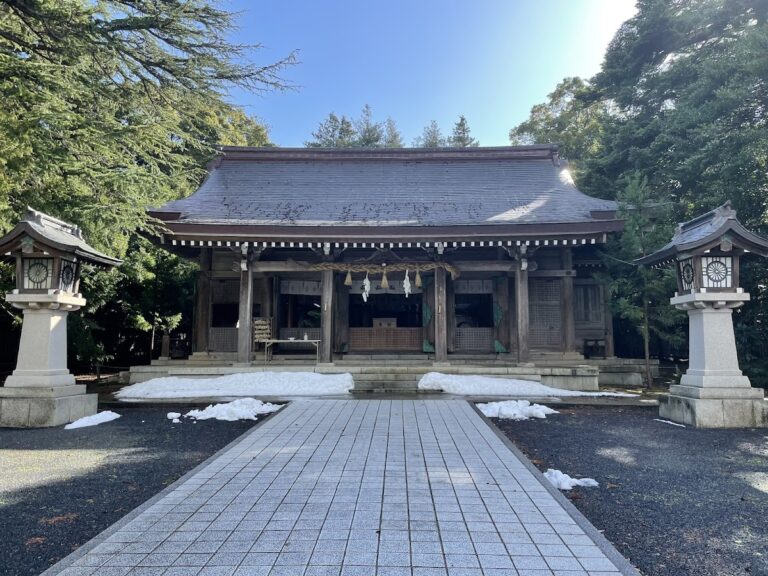
The current shrine buildings were constructed in 1883 (Meiji 16), making it one of the largest shrines in Tottori Prefecture. The vast grounds feature the main hall, worship hall, and shrine gate, creating a solemn atmosphere.
History and Achievements of Nawa Nagatoshi
Nawa Nagatoshi was a samurai warrior at the end of the Kamakura period and a powerful local figure based in Hoki Province (present-day central-western Tottori Prefecture). The Nawa clan originated in this region and built their influence as powerful local figures while engaging in the shipping industry.
Encounter with Emperor Go-Daigo
When Emperor Go-Daigo, who had been exiled to Oki Island after the Genko War, attempted to escape in 1333 (Genko 3), Nawa Nagatoshi welcomed the emperor. For many years, Nawa Nagatoshi led his family and retainers to fortify themselves on Senjōzan Mountain and fought against the Kamakura Shogunate forces. Due to this achievement, when the Kenmu Restoration began, Nagatoshi was appointed Governor of Hōki Province and played an active role as a high-ranking official of the imperial court.
Role in the Kenmu Restoration
During the Kenmu Restoration, Nawa Nagatoshi played a crucial role as a close confidant of Emperor Go-Daigo. However, in 1336, during the Battle of Minatogawa against Ashikaga Takauji, he fought alongside Kusunoki Masashige and met a heroic end. His loyalty and bravery have been passed down through generations, and he came to be revered as a loyal retainer of the Southern Court.
Archaeological excavations within the grounds of Nawa Shrine have uncovered burnt rice and a bronze seal bearing the character “財” (zai, meaning wealth). The burnt rice is said to be from when Nawa Nagatoshi, while holed up on Senjōzan Mountain, burned down the storehouse containing the rice he couldn’t take with him. It is a valuable artifact that conveys the tense situation of that time.
History and Transformation of Nawa Shrine
The history of Nawa Shrine dates back to the early Edo period. Around the Shōō and Meireki eras (1652-1657), local devotees who admired the virtues of Lord Nawa Nagatoshi erected a small shrine on the site of the Nawa family residence in Nawa Village (then called Tsubota), and enshrined Lord Nagatoshi, calling it Ujidono Gongen.
Development in the Edo Period
In Enpō 5 (1677), Ikeda Mitsunaka, the founder of the Tottori Domain and a devout admirer of Lord Nawa Nagatoshi, constructed a new shrine on the grounds of the nearby Sannō Gongen shrine on Hiyoshizaka. This shrine building is the current subsidiary shrine, Ujidono Shrine. Under the patronage of the Ikeda family, Nawa Shrine gained the faith of the local community.
Development after the Meiji Restoration
In 1873 (Meiji 6), the shrine was designated a prefectural shrine and renamed Ujidono Shrine. Later, thanks to the efforts of local worshippers’ representatives and a petition to the Imperial Court by Ikeda Yoshinori, the last lord of the Tottori domain, it was designated a special government-supported shrine in January 1878 (Meiji 11) and renamed Nawa Shrine.
In 1883 (Meiji 16), a new shrine building was constructed on the site of the Nawa family’s warehouse, known as Chojahara, and the old shrine (Ujidono Shrine) was moved to its current location. This is the current appearance of Nawa Shrine. At this time, cherry trees were planted along the approach to the shrine for the first time, and since then, it has become known as a famous cherry blossom viewing spot.
Highlights of the Shrine Grounds
Nawa Shrine boasts vast grounds, making it one of the largest in Tottori Prefecture. Numerous points of interest are scattered throughout the grounds, from the approach to the main hall.
Approach and Cherry Blossom Trees
Approximately 400 Somei Yoshino cherry trees line the approach to Nawa Shrine, creating a magnificent cherry blossom tunnel in spring. First planted in 1883 (Meiji 16), these trees have become a symbol of Nawa Shrine, attracting many visitors during cherry blossom season. Enjoying the cherry blossoms while strolling along the approach is a perfect way to feel the arrival of spring.
Main Hall and Worship Hall
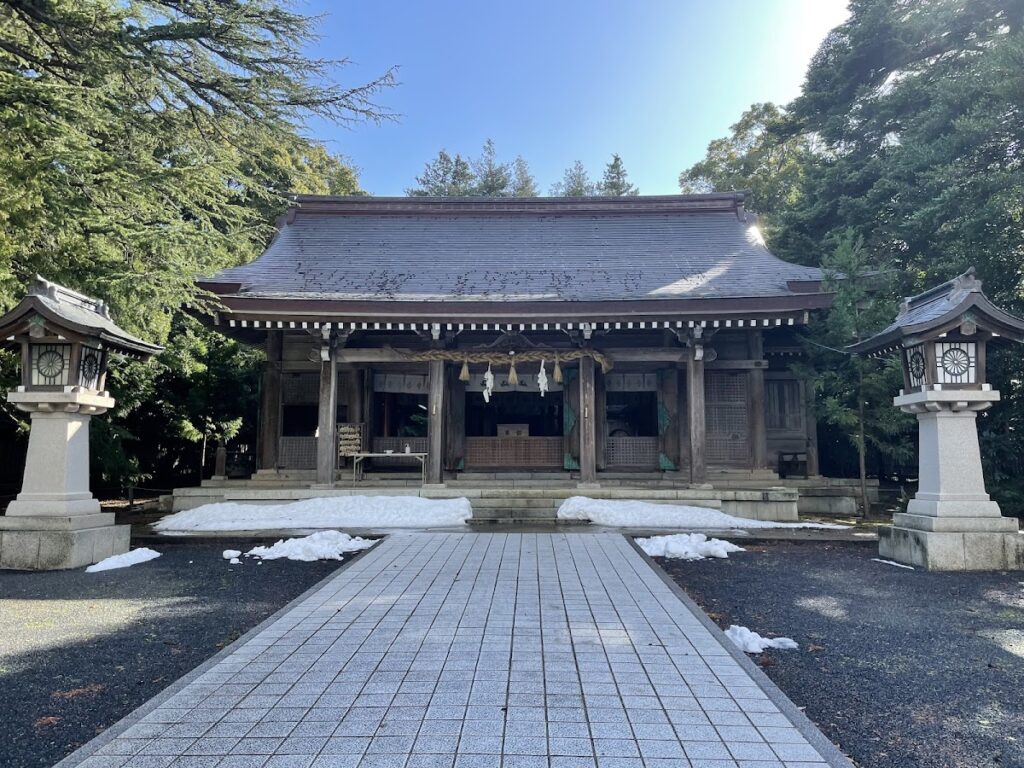
The main hall and worship hall, built in 1883 (Meiji 16), are built with a dignified style. The main hall enshrines Nawa Nagatoshi as the principal deity, along with 42 members of his family and retainers. Visitors can offer prayers in the worship hall, reflecting on history in a solemn atmosphere.
Shrine Gate and Office
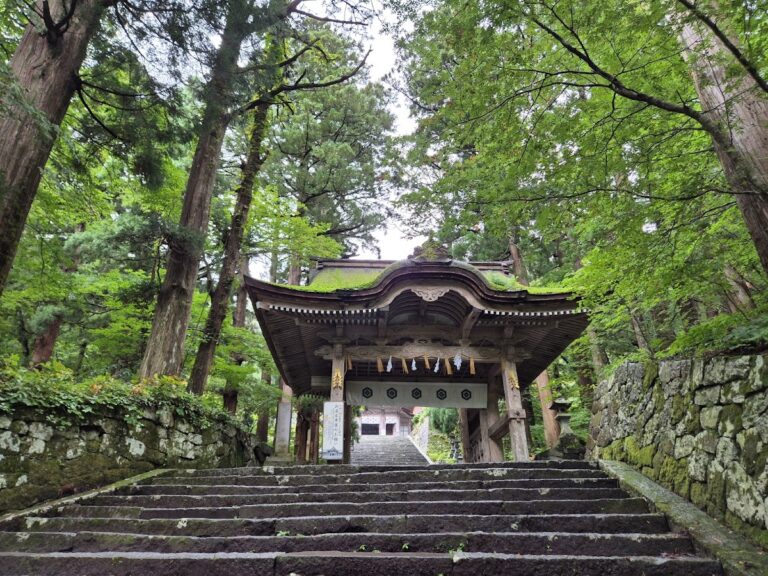
A magnificent shrine gate stands at the entrance to the grounds, welcoming visitors. The shrine office offers goshuin (stamped seals) and amulets, allowing visitors to take home a memento of their visit. The goshuin, featuring the sailing ship emblem of Nawa Shrine, is a popular souvenir.
Subsidiary Shrine: Ujidono Shrine
Within the grounds is the subsidiary shrine, Ujidono Shrine. This is the former shrine built in 1677 by Lord Ikeda Mitsunaka, and it has been preserved as a historical building even after Nawa Shrine was relocated to its current location. It is an important building for understanding the history of Nawa Shrine.
Famous Cherry Blossom and Azalea Spot
Nawa Shrine is known for its beautiful natural scenery throughout the seasons, but the cherry blossoms in spring and the azaleas in May are particularly magnificent.
Spring Cherry Blossoms
The approximately 400 Somei Yoshino cherry trees planted along the approach to the shrine reach their peak bloom from late March to early April each year. Walking along the path, which becomes a tunnel of cherry blossoms, is a deeply moving experience for visitors. The trees are sometimes illuminated at night, allowing visitors to enjoy the magical sight of cherry blossoms after dark.
During cherry blossom season, not only locals but also many tourists from outside the prefecture visit to enjoy the blossoms. The spacious grounds allow for a relaxed and leisurely appreciation of the cherry blossoms, which is one of the charms of Nawa Shrine.
May Azaleas
In May, azaleas bloom throughout the shrine grounds. The vibrant azalea blossoms, contrasting beautifully with the fresh green leaves, adorn the grounds from late spring to early summer. While not as well-known as the cherry blossoms, the azalea season is also well worth a visit.
Annual Events and Festivals
Nawa Shrine holds various Shinto rituals and festivals throughout the year.
Annual Grand Festival
The most important festival at Nawa Shrine is the Annual Grand Festival. Held every May, this festival commemorates the achievements of Lord Nawa Nagatoshi, and solemn Shinto rituals are performed. Local people participate, continuing the tradition. The shrine grounds are particularly lively during the Grand Festival, and various dedication ceremonies are held.
Harvest Festival
The Harvest Festival is held in November. This is an important Shinto ritual to give thanks for the year’s harvest and to offer the new grain to the gods. In Oyama Town, where agriculture is thriving, the Harvest Festival is an important event for the local people.
New Year’s Visit and Year-End/New Year’s Holidays
Many worshippers visit the shrine during the New Year’s visit period. During the year-end and New Year’s holidays, special visiting hours are sometimes set aside, and the shrine is bustling with people praying for happiness in the new year. Welcoming the new year in a solemn atmosphere is a good opportunity to renew one’s spirit.
Access and Visiting Information
Nawa Shrine is accessible by both public transport and car.
Location
556 Nawa, Daisen-cho, Saihaku-gun, Tottori Prefecture 689-3318
Access by Public Transport
The shrine is approximately a 15-minute walk from JR San’in Main Line “Nawa Station”. The path from the station to the shrine is flat and easy to walk. Enjoy a stroll while admiring the cherry blossom trees lining the approach to the shrine.
Access by Car
The shrine is conveniently located approximately 5 minutes from the San’in Expressway “Nawa IC”. A parking lot for visitors is available on the shrine grounds and is free of charge. Temporary parking may be opened during peak seasons such as cherry blossom season.
Visiting Hours
While the shrine grounds are generally open for free visits, the shrine office is open from 9:00 AM to 5:00 PM. If you wish to receive a Goshuin (shrine stamp) or amulet, it is recommended to visit during these hours.
Nearby Tourist Attractions
When visiting Nawa Shrine, exploring the surrounding tourist attractions will make your trip even more fulfilling.
Senjōzan Mountain
Senjōzan Mountain, where Nawa Nagatoshi and Emperor Go-Daigo took refuge, is about a 20-minute drive from Nawa Shrine. Designated a national scenic spot, it offers both historical significance and natural beauty. Hiking trails are well-maintained, making it a great place for hiking.
Daisen Mountain
Daisen Mountain, the highest peak in the Chūgoku region, is about a 30-minute drive from Nawa Shrine. It’s a tourist destination where you can enjoy beautiful scenery throughout the seasons, and various activities such as hiking, skiing, and hot springs are available. Historic temples and shrines, such as Daisen-ji Temple and Ōgamiyama Shrine Okumiya, are also scattered throughout the area.
Mikuriya Fishing Port
Mikuriya Fishing Port, about a 10-minute drive from Nawa Shrine, offers fresh seafood. Local restaurants and markets serve dishes made with seafood caught in the Sea of Japan.
Cultural Properties and Historic Sites of Nawa Shrine
Nawa Shrine and its surroundings are home to numerous cultural properties and historical sites of high historical value.
Artifacts Excavated from the Shrine Grounds
The burnt rice and a bronze seal bearing the character “財” (zai, meaning wealth) discovered during archaeological excavations on the shrine grounds are valuable relics that tell the story of the Nawa clan’s era. These are traces of when the Nawa clan burned down their warehouses, conveying the tense situation of that time.
Site of the Nawa Clan Residence
The current site of Nawa Shrine is a place called “Chojabara,” where the Nawa clan’s warehouses once stood. As a historical site that tells the story of the Nawa clan’s prosperity, it is an important place for understanding the history of the region.
Manners and Etiquette for Visiting the Shrine
When visiting Nawa Shrine, it is important to observe the manners unique to shrines.
Etiquette for Visiting the Shrine
Bow when passing through the torii gate, and walk avoiding the center of the path. Cleanse your hands and mouth at the water basin before proceeding to the main hall. At the main hall, worship is performed using the ritual of two bows, two claps, and one bow. Offer your prayers quietly and reflect on the achievements of Lord Nawa Nagatoshi.
Regarding Photography
Photography is generally permitted on the shrine grounds, but please remember that this is a sacred place and be considerate of other worshippers. There are areas where photography is restricted, such as inside the main hall, so please follow the signs.
Summary of Nawa Shrine’s Charms
Nawa Shrine is a historically important shrine dedicated to Lord Nawa Nagatoshi, a loyal retainer of the Kenmu Restoration, and is one of the largest special government-supported shrines in Tottori Prefecture. It boasts many attractions, including its vast grounds, the beauty of spring created by approximately 400 cherry trees, and cultural assets of high historical value.
The story of Nawa Nagatoshi, who assisted Emperor Go-Daigo and contributed to the overthrow of the Kamakura Shogunate, is an important page in Japanese history. Located in Hoki Province, the setting of the story, Nawa Shrine, where the virtues of Lord Nawa Nagatoshi have been remembered for many years, is a recommended spot not only for history buffs but also for those who want to enjoy the beauty of nature.
During cherry blossom season, many tourists from within and outside the prefecture visit, and the cherry trees lining the approach to the shrine are breathtakingly beautiful. Furthermore, the experience of praying in the quiet grounds while reflecting on history is calming and allows you to escape from everyday life.
When sightseeing in Daisen or traveling in the San’in region, be sure to visit Nawa Shrine and experience the charm of its history and nature. The loyalty of Lord Nawa Nagatoshi and the traditions that the local people have preserved will surely leave a deep impression on visitors.