Complete Guide to Utsunomiya Futarayama Shrine | A Thorough Explanation of History, Deities, Highlights of the Grounds, and Festivals
What is Utsunomiya Futarayama Shrine?
Utsunomiya Futarayama Shrine (Utsunomiya Futarayama Jinja) is an ancient shrine with a history of approximately 1600 years, located at 1-1-1 Babadori, Utsunomiya City, Tochigi Prefecture. Its official name is “Futarayama Shrine,” but to distinguish it from Nikko Futarayama Shrine (Futarasan Jinja), it is called “Utsunomiya Futarayama Shrine,” incorporating the name of its location.
It holds high status as a Myojin Taisha (a major shrine listed in the Engishiki) and has long been revered as the Ichinomiya (first-ranked shrine) of Shimotsuke Province. Its former shrine rank was Kokuhei Chusha (a national shrine of the second rank), and it is currently listed as a Beppyo Jinja (a special shrine) by the Association of Shinto Shrines. Locally, it is affectionately called “Futarasan,” and it continues to receive unwavering reverence as a spiritual anchor for the citizens of Utsunomiya.
As you walk along the main street from Utsunomiya Station, you’ll see a large torii gate. Despite being located in the heart of the city, the shrine grounds are a sacred area covered in deep greenery, offering a tranquil space that makes you forget the hustle and bustle of the city.
Origin of the Name Utsunomiya
Interestingly, there are several theories about the origin of the name “Utsunomiya,” but one of the most plausible is related to Futarasan Shrine. Futarasan Shrine was once called “Shimotsuke Province’s Ichinomiya” (first-ranked shrine), and this theory suggests that “Ichinomiya” (first-ranked shrine) transformed into “Utsunomiya.”
In fact, Utsunomiya has a history of developing as a temple town for Futarasan Shrine, and the close connection between the shrine and the city’s name speaks to the importance of Futarasan Shrine in this region. It’s no exaggeration to say that the history of Utsunomiya has walked hand in hand with Futarasan Shrine.
Deities and Divine Virtues
Main Deity: Toyokiirihiko-no-Mikoto
The main deity of Utsunomiya Futara-yama Shrine is Toyokiirihiko-no-Mikoto. Toyokiirihiko-no-Mikoto was the first son of Emperor Sujin (the 10th emperor) and was dispatched to Shimotsuke Province to pacify the eastern provinces. He is considered the founder of Utsunomiya, having ruled this area.
Toyokiirihiko-no-Mikoto excelled in martial arts and brought peace to the people by pacifying the eastern provinces. Therefore, he is believed to bestow a wide range of divine virtues, including long-lasting military fortune, good fortune, family safety, and business prosperity.
Enshrined Deities
In addition to the main deity, the following two deities are enshrined as enshrined deities:
- Omononushi-no-Mikoto: Known as the god of nation-building, he bestows divine virtues such as business prosperity, matchmaking, and healing from illness.
- Kotoshironushi-no-Mikoto: Known as Ebisu, this god of fortune bestows blessings such as business prosperity, maritime safety, and abundant catches.
The combination of these three deities makes Utsunomiya Futara-yama Shrine a power spot with diverse divine blessings, welcoming worshippers with various wishes.
History of Utsunomiya Futara-yama Shrine
Founding and Ancient Times
The founding of Utsunomiya Futara-yama Shrine is said to date back approximately 1600 years to the time of Emperor Keiko, the 12th emperor. It is believed to have begun when Narawake-no-Mikoto, a descendant of Toyokiirihiko-no-Mikoto, enshrined his ancestor, Toyokiirihiko-no-Mikoto.
During the Heian period, it was listed in the Engishiki Jinmyocho (a list of shrines compiled in the Heian period) as “Futara-yama Shrine, Kawachi District, Shimotsuke Province, Myojin Taisha,” recognizing it as a shrine of the highest rank. From this period onward, it is clear that the shrine, as the Ichinomiya (first-ranked shrine) of Shimotsuke Province, was an object of national worship.
Medieval Period: The Faith of Samurai Warriors
In the medieval period, many samurai warriors revered Futarasan Shrine. Particularly famous are the prayers for victory offered by Minamoto no Yoritomo and Tokugawa Ieyasu.
Minamoto no Yoritomo is said to have stopped in Utsunomiya during his campaign to defeat the Taira clan and prayed for victory at Futarasan Shrine. Following his victory, Yoritomo made many offerings to the shrine.
Tokugawa Ieyasu is also said to have prayed for victory at Futarasan Shrine before the Battle of Sekigahara, and after the establishment of the Edo Shogunate, he worked to protect the shrine. Thus, the shrine has a history of receiving fervent devotion from samurai governments.
Early Modern Period: With the Development of Utsunomiya-juku
During the Edo period, Utsunomiya prospered as Utsunomiya-juku, where the Nikko Kaido and Oshu Kaido roads intersected. Futarasan Shrine, as the guardian shrine of Utsunomiya Castle town, was widely revered by the castle lord and townspeople.
The area around the shrine developed as a temple town, with many merchant houses lining the streets, and it became very lively during festivals. This prosperity can be said to have laid the foundation for the present-day center of Utsunomiya City.
Modern Period: Boshin War and Reconstruction
During the Meiji Restoration, Utsunomiya became a fierce battlefield in the Boshin War. In the Battle of Utsunomiya Castle in 1868 (Keio 4), much of the castle town was burned down, and Futarasan Shrine also suffered significant damage.
After the war, the shrine was rebuilt with the cooperation of the citizens, and in Meiji 4 (1871), it was ranked as a National Shrine of the second rank. This rank indicated the high status of the shrine and it received national protection.
Modern Era: With the Citizens
Even after the war, Futarasan Shrine has remained a spiritual haven for the citizens of Utsunomiya, welcoming many visitors for important life events such as New Year’s visits, Shichi-Go-San (a traditional rite of passage for children), and prayers for success in exams. Despite increasing urbanization, the shrine grounds maintain their lush green environment, making it a beloved urban oasis.
Currently, various festivals are held throughout the year, playing a central role in local culture.
Highlights of the Shrine Grounds
The Great Torii Gate
The great torii gate, standing facing Utsunomiya’s main street, is a symbolic presence of Futarasan Shrine. Passing through this gate, which towers in the heart of the city, one enters the sacred precinct, a tranquil space separated from the hustle and bustle of the city.
The path leading from the great torii gate is also a popular place of relaxation for citizens, and many people pass through it daily.
Stone Steps and the Shrine Gate
After passing through the large torii gate, stone steps leading to the shrine grounds appear. Climbing these steps allows you to experience a gradual transition from the secular world to the sacred realm.
At the top of the steps is the shrine gate, beyond which the main shrine grounds unfold. The shrine gate is an important structure welcoming visitors to the shrine grounds.
Worship Hall and Main Sanctuary
After passing through the shrine gate, the worship hall comes into view. The worship hall is where worshippers offer their prayers, and the main sanctuary is located behind it.
The main sanctuary is built in the Shinmei-zukuri architectural style, making it a historically valuable structure. Shinmei-zukuri is one of the oldest shrine architectural styles in Japan, exemplified by Ise Grand Shrine, and is characterized by its simple yet dignified construction.
The main sanctuary is usually located behind the worship hall and cannot be seen directly, but its solemn atmosphere can be felt even from beyond the worship hall.
Kagura Hall
The shrine grounds also include a Kagura Hall, where Kagura (sacred dance and music) are performed during festivals. Kagura is a traditional performing art dedicated to the gods, and the Kagura of Utsunomiya Futara-san Shrine is preserved as an important intangible cultural asset of the region.
Nature within the Shrine Grounds
Despite being located in the heart of the city, the shrine grounds are covered in lush greenery, with a variety of trees including oak, ginkgo, cherry, cedar, maple, and sakaki. Many visitors come, especially during the cherry blossom season in spring and the autumn foliage season, to enjoy the changing seasons.
These trees have been nurtured over many years, creating a sacred atmosphere within the shrine grounds and providing a valuable green space, an oasis in the city.
Gyoza Fortune Slip
Utsunomiya is known nationwide as the “City of Gyoza,” and Futara-san Shrine offers a unique “Gyoza Fortune Slip” specific to Utsunomiya. The unique fortune-telling slips shaped like dumplings are popular as souvenirs and conversation starters for visitors.
One of the charms of Utsunomiya Futara-yama Shrine is that, while being a traditional shrine, it also incorporates modern and approachable elements like this.
Subsidiary Shrines
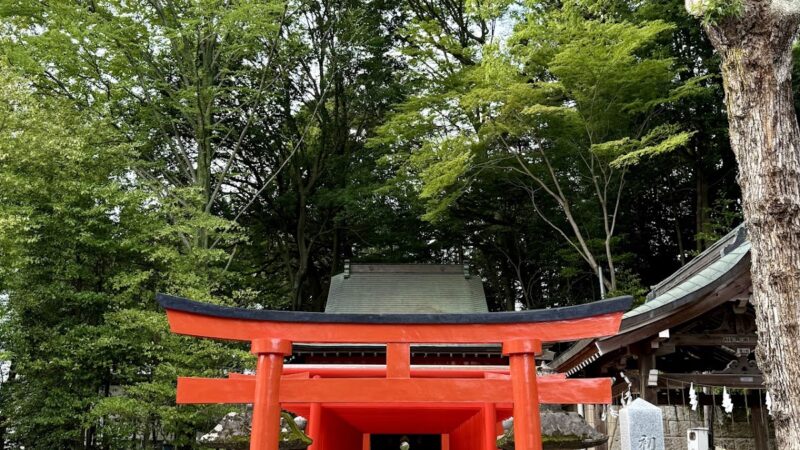
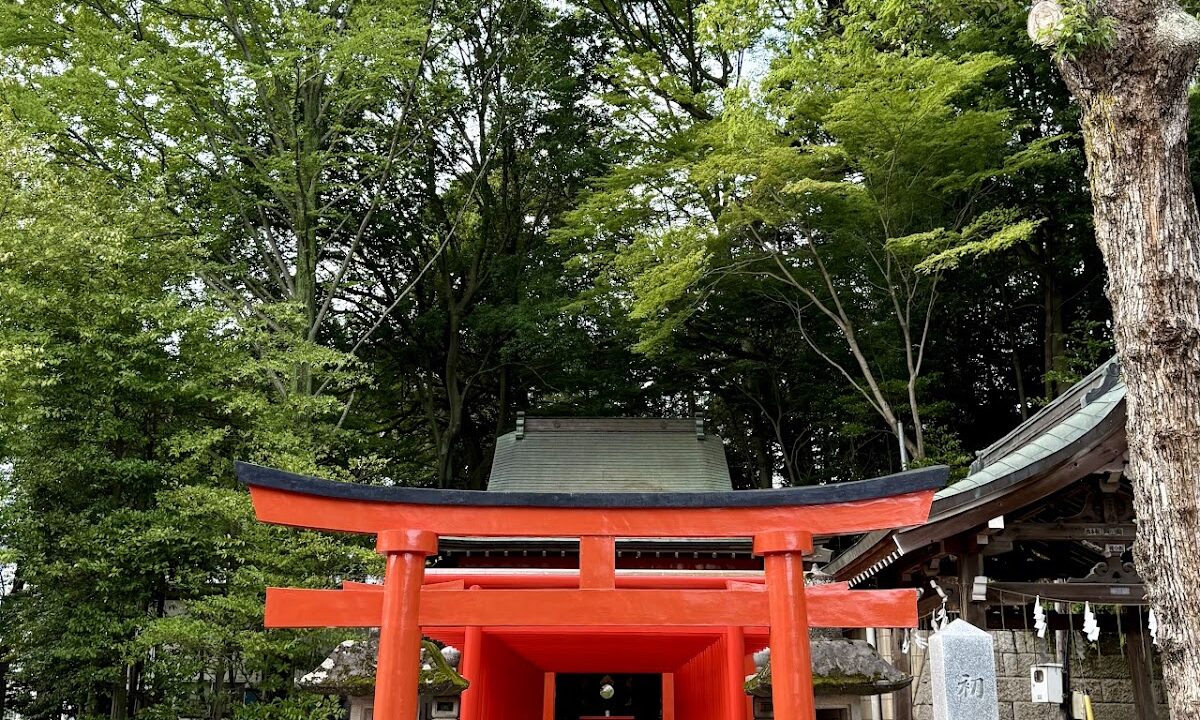
Within the grounds of Utsunomiya Futara-yama Shrine, there are twelve subsidiary shrines scattered throughout the main shrine. Each enshrines a different deity and possesses various divine blessings.
Main Subsidiary Shrines
Suga Shrine is one of the most important subsidiary shrines within the grounds. Suga Shrine enshrines Susanoo-no-Mikoto and is believed to offer blessings for protection against evil and matchmaking.
In addition, each subsidiary shrine has its own specific divine blessings, such as business prosperity, academic success, matchmaking, and safe childbirth, allowing visitors to pray at each shrine according to their wishes.
Visiting each of the subsidiary shrines while touring the grounds will allow for a more fulfilling pilgrimage experience.
Annual Festivals
Utsunomiya Futara-yama Shrine holds various festivals throughout the year. These festivals play an important role in preserving the shrine’s traditions and passing on local culture.
Main Annual Festivals
Hatsumode (January 1st-3rd): The most important event to welcome the new year, attracting many citizens. For Utsunomiya residents, Hatsumode at Futara-yama Shrine is a traditional New Year’s event.
Setsubun Festival (Around February 3rd): Bean-throwing ceremonies are held to ward off evil and pray for good fortune. Local celebrities also participate, making it a lively event.
Reitaisai (Kikusui Festival) (October): The most important festival at Utsunomiya Futara-yama Shrine. Known as the Kikusui Festival, it features a portable shrine procession and various dedication ceremonies. This festival is an important cultural event that colors the autumn in Utsunomiya, and it is bustling with many citizens and tourists.
Shichi-Go-San (November): A traditional event celebrating the growth of children, many families visit the shrine in November.
Year-End Purification Ceremony (December 31st): A Shinto ritual to purify and cleanse away the impurities of the year, an important event for welcoming the new year with a pure heart.
These festivals serve not only the religious role of the shrine but also a social function that connects the local community.
Cultural Properties
Utsunomiya Futara-yama Shrine preserves many valuable cultural properties that have been passed down through its long history.
Tangible Cultural Properties
The buildings, including the main hall, are valuable cultural properties that convey the characteristics of shrine architecture from the Edo period to the Meiji period. In particular, the Shinmei-zukuri style main hall is highly valued for its historical significance as an architectural style.
Furthermore, the shrine houses numerous cultural artifacts, including ancient documents, offerings, and ritual implements, which are important resources for understanding the history of Utsunomiya.
Intangible Cultural Heritage
Intangible cultural heritage, such as Kagura (sacred dance) and festival rituals, passed down through generations, is also important. These are preserved by organizations such as the Ujiko Youth Association and protected as part of the region’s traditional culture.
Connection between the Ujiko Youth Association and the Community
Utsunomiya Futara-yama Shrine has a Ujiko Youth Association, which actively participates in the operation of shrine festivals and the maintenance of the shrine grounds.
The Ujiko Youth Association is an organization primarily composed of young people who support the shrine. They play an active role as mikoshi (portable shrine) bearers during important festivals such as the annual grand festival, and also engage in various volunteer activities throughout the year.
The existence of such organizations maintains the connection between the shrine and the community, ensuring that traditions are passed down to the next generation. Furthermore, the activities of the Ujiko Youth Association provide opportunities for young people to learn about the region’s history and culture, and to deepen their sense of belonging to the community.
The History of the Official Supplier Signboard and the Temple Town
During the Edo period, the temple town surrounding Futarasan Shrine flourished with numerous merchant houses. Some of these merchants were recognized as official suppliers to the shrine and were permitted to display “official supplier signs.”
These signs demonstrated the credibility and prestige of the merchants and symbolized the prosperity of the temple town. Even today, many long-established shops remain around the shrine, preserving the atmosphere of the former temple town.
The commercial development of central Utsunomiya City is closely linked to its history as a temple town of Futarasan Shrine, demonstrating that the shrine was not merely a religious facility but a core element in urban development.
Access Information
Basic Information
- Address: 1-1-1 Babadori, Utsunomiya City, Tochigi Prefecture 320-0026
- Phone: 028-622-5271
- Visiting Hours: Grounds are freely accessible (Shrine office is usually open from 9:00 to 17:00)
- Admission Fee: Free
Access by Public Transportation
From JR Utsunomiya Station:
- Walking: Approximately 15-20 minutes. From the west exit of the station, head north along the main street and you will see the large torii gate when you turn onto Banbadori.
- Bus: Get off at the Kanto Bus “Babacho” bus stop, approximately 3 minutes on foot.
From Tobu Utsunomiya Station:
- Walking: Approximately 10 minutes. Convenient access as it is located in the center of Utsunomiya City.
Access by Car
- Approximately 20 minutes from the Tohoku Expressway “Utsunomiya IC”
- Approximately 25 minutes from the Kita-Kanto Expressway “Utsunomiya-Kamikawa IC”
Parking: There is a parking lot for visitors on the temple grounds (spaces are limited, so during busy times such as New Year’s, we recommend using public transportation).
Manners and Points for Visiting the Shrine
Etiquette for Visiting the Shrine
- When Passing Through the Torii Gate: Bow before entering the temple grounds. The center of the path is considered the path of the gods, so it is polite to walk along the side.
- Purification at the Water Basin: After entering the temple grounds, purify your hands and mouth at the water basin. Hold the ladle in your right hand and purify your left hand, then switch to your left hand and purify your right hand, then switch back to your right hand, receive water in your left hand, and rinse your mouth.
- Worship at the Main Hall: Two bows, two claps, and one bow are the basic rituals. After placing your offering in the offering box and ringing the bell, bow deeply twice, clap your hands twice, and finally bow deeply once more.
Recommended Time to Visit
Early mornings are quieter, allowing for a peaceful and tranquil visit. You can also enjoy the refreshing air of the shrine grounds, leaving you feeling refreshed both physically and mentally.
Evenings are also relatively calm, offering a peaceful escape from the daytime hustle and bustle.
Nearby Tourist Attractions
Utsunomiya Futara-yama Shrine is located in the city center, so there are many tourist attractions and restaurants nearby.
Utsunomiya Castle Ruins Park
Within walking distance of the shrine is the site of Utsunomiya Castle, now developed as a park. Reconstructed turrets and other structures allow you to learn about Utsunomiya’s history.
Gyoza Restaurant Hopping
As Utsunomiya is known as the “City of Gyoza,” there are numerous gyoza restaurants around the shrine. Enjoying authentic Utsunomiya gyoza after your visit is highly recommended.
Orion Street/Union Street
Located in the heart of Utsunomiya City, this bustling area offers plenty of shopping and dining options. The covered shopping arcade allows for enjoyable strolls regardless of the weather.
Summary
Utsunomiya Futara-yama Shrine, with its approximately 1600-year history, has remained a central hub of Utsunomiya’s history and culture as the Ichinomiya (first-ranked shrine) of Shimotsuke Province. Dedicated to Toyokiirihiko-no-Mikoto, this shrine, offering a wide range of blessings from military success to business prosperity, is a venerable sacred site visited by historical figures such as Minamoto no Yoritomo and Tokugawa Ieyasu to pray for victory.
Despite its central location in the city, the shrine grounds remain a sacred area covered in lush greenery, serving as a spiritual haven for modern Utsunomiya residents. Many worshippers visit for various life events such as New Year’s prayers, Shichi-Go-San (a traditional rite of passage for children), and prayers for success in exams, and various festivals are held throughout the year.
From historical buildings such as the main hall built in the Shinmei-zukuri style, to twelve subsidiary shrines, and even modern elements like “gyoza fortune-telling slips,” this shrine is a fascinating blend of tradition and innovation. When you visit Utsunomiya, be sure to stop by this historic power spot. You’ll be able to refresh both your mind and body in a tranquil space away from the hustle and bustle of the city.