Complete Guide to Umi Hachimangu Shrine | A Sacred Site for Safe Childbirth, History, Shrine Grounds Highlights, and Access Information
Umi Hachimangu Shrine, located in Umi-machi, Kasuya-gun, Fukuoka Prefecture, is a nationally renowned shrine known as the guardian deity of safe childbirth and child-rearing. Built on the legendary site where Empress Jingu gave birth to Emperor Ojin, the shrine attracts many pregnant women and their families every year who pray for safe childbirth. This article comprehensively introduces information you should know before visiting, from the history of Umi Hachimangu Shrine and its grounds to prayer methods and annual events.
What is Umi Hachimangu Shrine? | One of Japan’s Foremost Sacred Sites for Safe Childbirth
Umi Hachimangu Shrine is located at 1-1, Umi 2-chome, Umi-machi, Kasuya-gun, Fukuoka Prefecture. It was formerly a prefectural shrine and is currently designated as a special shrine by the Association of Shinto Shrines. The place name “Umi” itself is said to originate from the word “umami” (to give birth), indicating that this area has been a sacred place deeply connected to childbirth since ancient times.
The main deity enshrined here is Emperor Ōjin, and the enshrined deities include Empress Jingū, Tamayorihime-no-Mikoto, Sumiyoshi-no-Ōkami, and Izanagi-no-Mikoto.
A representative shrine for prayers for safe childbirth
While Hachiman shrines are generally revered as the ancestral deities of industrial culture, Umi Hachiman Shrine, the sacred birthplace of Emperor Ōjin, is particularly revered for its strong belief in “safe childbirth and child-rearing,” attracting a constant stream of worshippers from all over Japan praying for safe delivery. Numerous legends and historical sites related to safe childbirth remain within the shrine grounds, conveying the depth of this faith to this day.
History of Umi Hachimangu Shrine | Over 1400 Years of Tradition
Origin of the Shrine and the Legend of Empress Jingu
According to the shrine’s historical records, “Denshisonsho,” Umi Hachimangu Shrine was founded in the 3rd year of Emperor Bidatsu’s reign (574 AD). Its origins trace back to the story of Empress Jingu’s conquest of the Three Kingdoms of Korea.
After the death of her husband, Emperor Chuai, Empress Jingu, while pregnant, embarked on an expedition to the Korean Peninsula (the conquest of the Three Kingdoms). It is said that on her return journey, she safely gave birth to Emperor Ojin in this very place of Umi. Later, during the reign of Emperor Bidatsu, a shrine was built at this sacred site of childbirth to enshrine Emperor Ojin, marking the beginning of Umi Hachimangu Shrine.
This legend is not merely a myth; it is deeply intertwined with the history of ancient Japan and is recorded in historical texts such as the Nihon Shoki.
A Faith Passed Down Through the Ages
Already known as a powerful shrine during the Nara and Heian periods, it has continued to be revered as the main shrine of the region since the Middle Ages. During the Edo period, it received protection from the Kuroda clan, and in the Meiji era, it was designated a prefectural shrine, maintaining its important status throughout the ages.
In the Showa period, its cultural value was officially recognized, with the legendary sites within the shrine grounds related to safe childbirth designated as a Fukuoka Prefecture Tangible Folk Cultural Property. Even today, it boasts nationwide recognition as a shrine for prayers for safe childbirth, and is bustling with many worshippers throughout the year.
Shrine Grounds Guide | Highlights and Historical Sites Related to Safe Childbirth Faith
Within the grounds of Umi Hachimangu Shrine, there are numerous historical sites related to the legend of Empress Jingu’s childbirth, as well as sacred trees over 2000 years old, among many other points of interest.
Main Shrine and Worship Hall
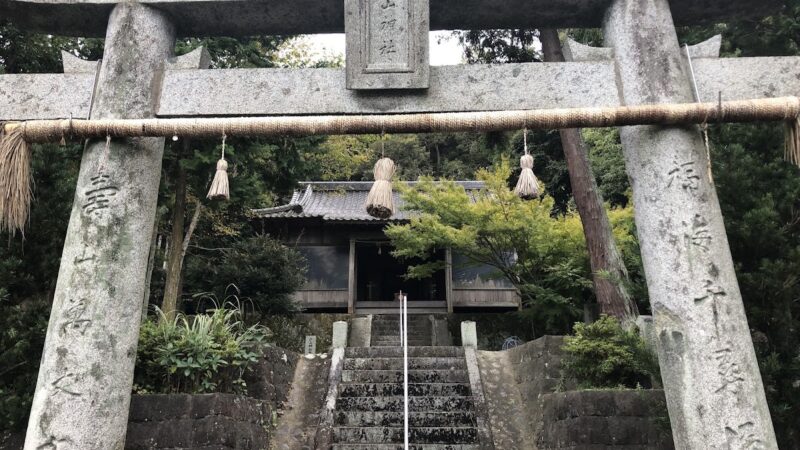
The beautiful vermilion-lacquered main shrine is the central building of Umi Hachimangu Shrine, where Emperor Ojin and other deities are enshrined. In the worship hall, many worshippers offer prayers daily for safe childbirth and successful child-rearing. While the architectural style of the shrine inherits the tradition of Hachiman-zukuri architecture, it also possesses a unique character reflecting the characteristics of the region.
Koyasu Stone | Umi Hachimangu Shrine’s Unique Belief
The most distinctive feature of Umi Hachimangu Shrine is the belief in the “Koyasu Stone.” Countless stones donated to the shrine are piled up within the grounds. Pregnant women who visit to pray for safe childbirth take one of these stones home, and after a successful delivery, return it along with a new stone.
Due to this custom, the number of stones on the grounds continues to increase year after year, accumulating as a testament to the many mothers and children who have watched over their safe delivery. The stones taken home are cherished as amulets during pregnancy.
The Water for the First Bath
The spring water said to have been used as the first bathwater when Empress Jingu gave birth to Emperor Ojin is known as “the water for the first bath.” Even today, pure water flows from this spring, making it an important spot visited by worshippers praying for safe childbirth. The water, which has continued to flow unchanged since ancient times, holds symbolic meaning as the source of life.
The Tree of Safe Childbirth
The “Tree of Safe Childbirth,” which Empress Jingu is said to have clung to during childbirth, is a symbolic presence in the faith of safe childbirth. Although the current tree has been replaced, it remains an important historical site that conveys the legend to the present day, and many worshippers offer their prayers here.
Yukata Shrine | Dedicated to the Founder of Midwifery
The Yukata Shrine, a subsidiary shrine within the grounds, enshrines the Yukata clan, who assisted in the birth of Emperor Ojin. The Yukata clan is considered the founder of midwifery and is worshipped as the guardian deity of safe childbirth and midwifery. Many midwives and medical professionals visit this shrine.
Yubuta-no-Mori and Kinukake-no-Mori | Nationally Designated Natural Monuments: Giant Camphor Trees
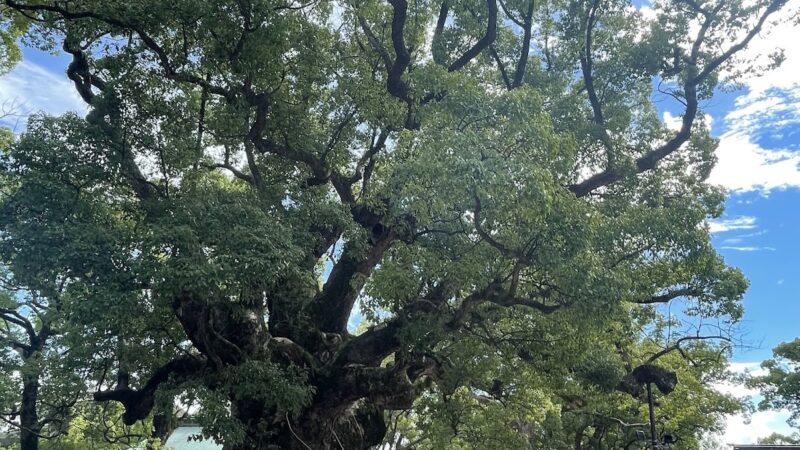
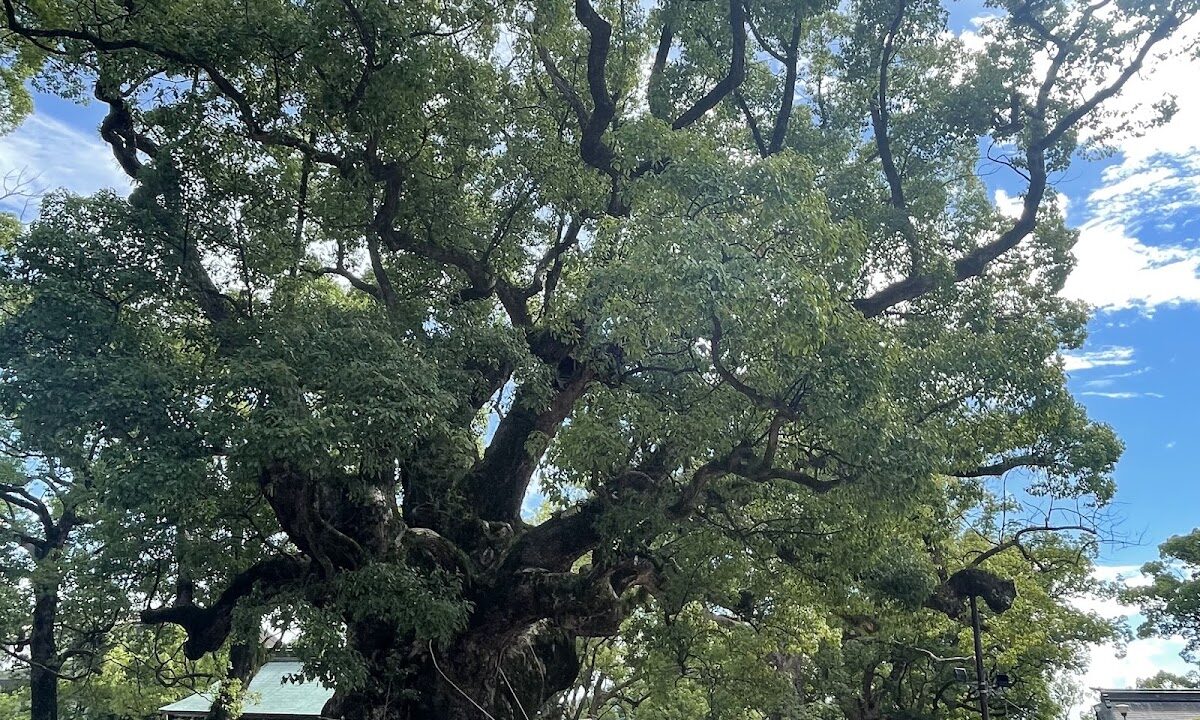
Within the shrine grounds are two gigantic camphor trees estimated to be over 2000 years old, known as “Yubuta-no-Mori” and “Kinukake-no-Mori.” These are designated as nationally designated natural monuments, and their overwhelming presence is awe-inspiring to visitors.
A legend says that Yubuta-no-Mori was used as a lid when boiling the water for Empress Jingu’s first bath, while Kinukake-no-Mori is said to be where the Empress hung her clothes. These giant trees, grown over countless years, embody the weight of the shrine’s history.
Seibo-gu Shrine
Seibo-gu Shrine, dedicated to Empress Jingu, is also an important shrine within the grounds. It embodies reverence for the Empress who accomplished the life-threatening feat of childbirth, and attracts the faith of many female worshippers as a symbol of motherhood.
About Prayers and Life Rituals
How to Receive a Prayer for Safe Childbirth
At Umi Hachimangu Shrine, prayers for safe childbirth are accepted at the shrine office at any time without reservation. The shrine office is open from 9:00 AM to 5:00 PM, and prayer requests are also accepted until 5:00 PM.
While it is generally considered best to perform a prayer for safe childbirth on the Day of the Dog in the fifth month of pregnancy, it is perfectly acceptable to visit on a different day depending on your physical condition and circumstances. Prioritizing the mother’s safety is paramount, and it is important to visit on a date that is comfortable for you.
Upon receiving the prayer, you will receive items such as a safe childbirth amulet and a maternity belt. You can also borrow one of the aforementioned Koyasu Stones to take home.
First Shrine Visit/Omiyamairi
After a safe delivery, many families visit Umi Hachimangu Shrine again for the first shrine visit (Omiyamairi) to pray for the healthy growth of their baby. The general guideline for the baby’s first shrine visit is 31 days after birth for boys and 33 days for girls, but the date should be decided with the mother’s and baby’s health as the top priority.
During the first shrine visit, the Koyasu stone borrowed during the prayer for a safe delivery is returned along with a new stone. This ensures that the stone is passed on to the next person praying for a safe delivery.
Other Life Rituals
Besides prayers for safe delivery, Umi Hachimangu Shrine accepts various life rituals and prayers, including Shichi-Go-San (a traditional Japanese rite of passage for children), protection from evil, traffic safety, and business prosperity. As the local guardian shrine, many people visit at various milestones in their lives.
Annual Festivals | Major Events at Umi Hachimangu Shrine
Umi Hachimangu Shrine holds various festivals throughout the year.
Grand Birth Festival (January 5th)
This is an important festival celebrating the birth of Emperor Ojin, held annually on January 5th. This festival symbolizes the history of Umi Hachimangu Shrine and attracts many worshippers. Held early in the new year, this festival holds special significance as a prayer for safe childbirth and successful child-rearing throughout the year.
Koyasu Grand Festival (Mid-April, 2 days)
The Koyasu Grand Festival, held in spring, is the largest festival at Umi Hachimangu Shrine, centered on the belief in safe childbirth. Held over two days in mid-April, various Shinto rituals and dedication ceremonies take place within the shrine grounds. Worshippers from all over Japan gather to pray for safe childbirth, making the shrine grounds very lively.
Hojo-e Grand Festival (October 15th-16th)
The Hojo-e Grand Festival, a major autumn festival, is held over two days from October 15th to 16th. Hojo-e is a Buddhist ritual that cherishes the lives of living creatures, syncretized with Shinto, and is widely practiced at Hachimangu shrines throughout the Kyushu region. At Umi Hachimangu Shrine’s Hojo-e festival, traditional festival events such as a portable shrine procession and devotional performances are held.
Other Annual Events
Various festivals and Shinto rituals are held throughout the year, including the New Year’s Day Festival, Setsubun Festival, Summer Purification Ceremony, and Autumn Grand Festival. These events also play a role in strengthening ties with the local community and are carefully preserved and passed down by parishioners and devotees.
Access and Transportation Information
Access by Train
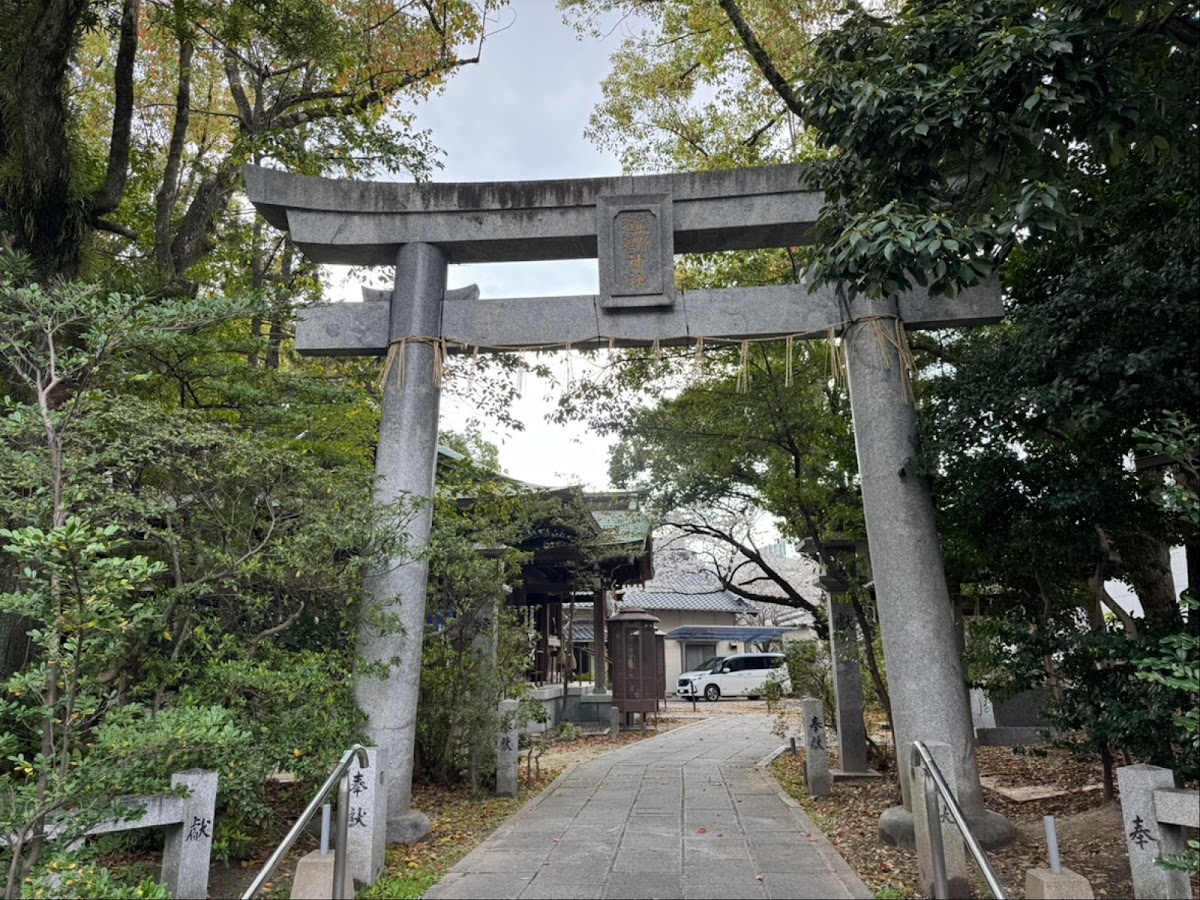
The nearest station is Umi Station on the JR Kashii Line. Umi Hachimangu Shrine is easily accessible, about a 5-minute walk from Umi Station. The torii gate is immediately visible when walking north from the station.
From JR Hakata Station, the most common route is to take the Kagoshima Main Line to Yoshizuka Station, then transfer to the Kashii Line to Umi Station. The journey takes approximately 40 minutes, including transfer time.
Access by Bus
If using Nishitetsu Bus, get off at the “Umi Hachiman-mae” bus stop; Umi Hachiman Shrine is right in front of you. Bus routes to Umi operate from various locations within Fukuoka City.
Access by Car and Parking
If visiting by car, it’s approximately 20 minutes from the Kyushu Expressway’s “Dazaifu IC” or “Fukuoka IC.” The shrine grounds have a parking lot for visitors, accommodating approximately 100 regular-sized cars.
However, on busy days such as the Day of the Dog or during major festivals, the parking lot may be full, so it’s recommended to allow ample time for your visit. Many pregnant women choose to access the shrine by car, considering their physical condition.
Address and Basic Information
Address: 1-1, Umi 2-chome, Umi-machi, Kasuya-gun, Fukuoka Prefecture 811-2101
Shrine Office Hours: 9:00 AM – 5:00 PM
Prayer Request Acceptance: No reservation required, accepted until 5:00 PM
Parking: Available (Free, approximately 100 spaces)
Information and Inquiries Regarding Prayers
How to Ask Questions and Make Inquiries
Umi Hachimangu Shrine accepts questions regarding visits and prayers via its official LINE account. While telephone inquiries are also possible, using the official LINE account is convenient for detailed questions or if prior confirmation is necessary.
Furthermore, the official Instagram account (@umi8kun) is regularly updated with information on the shrine grounds, events, and seasonal scenery. Checking social media is recommended if you want to get a feel for the atmosphere of the shrine grounds before visiting.
Regarding Prayer Request Reservations
Umi Hachimangu Shrine does not accept prayer request reservations. On the day of your visit, registration will be conducted directly at the shrine office. While registration is available at any time during reception hours, waiting times may occur during peak seasons such as the Day of the Dog (Inu no Hi), weekends, and during major festivals.
Cultural Properties of Umi Hachimangu Shrine
Fukuoka Prefecture Tangible Folk Cultural Property
The Koyasu Stone, the water used for the first bath, the Koyasu Tree, and the Yukata Shrine are collectively designated as a Fukuoka Prefecture Tangible Folk Cultural Property as “the legendary site related to the safe childbirth beliefs of Umi Hachimangu Shrine.” These are not merely historical sites, but are highly valued as folk cultural properties because they still function as living objects of faith.
Nationally Designated Natural Monument
The two large camphor trees in Yugai-no-Mori and Kinukake-no-Mori are designated as national natural monuments due to their age, size, and historical value. Their estimated age of over 2000 years physically proves that this area has been cherished as a sacred place since ancient times.
Nearby Tourist Attractions
Umi Town Historical and Folk Museum
Located within walking distance of Umi Hachimangu Shrine, this museum exhibits materials related to the history of Umi Town and Umi Hachimangu Shrine. Visiting it in conjunction with a shrine visit will allow you to gain a deeper understanding of the local history.
Umi Park
Near Umi Hachimangu Shrine is Umi Park, perfect for a rest after your visit. Especially beautiful in spring with its cherry blossoms, it’s a suitable place for families to visit.
Manners and Precautions for Visiting the Shrine
Attire
If you are receiving a formal prayer for a safe delivery, it is advisable to wear attire that is not too casual. Pregnant women may wear comfortable clothing, but please be mindful of presenting a clean and respectful appearance in the presence of the gods.
Etiquette for Visiting the Shrine
Bow before passing through the torii gate, and walk along the path avoiding the center. Purify your body and mind at the water basin before proceeding to the main hall. The basic form of worship is “two bows, two claps, one bow.”
For Pregnant Women
Pregnant women visiting for prayers for a safe delivery should not overexert themselves and should prioritize their health. There are steps and slopes on the temple grounds, so we recommend visiting with an accompanying person. On hot or cold days, pay particular attention to your health, and take breaks and hydrate as needed during your visit.
Frequently Asked Questions
Q: Can I receive prayers for a safe delivery on days other than the Day of the Dog?
A: Yes, we accept prayers for safe delivery every day, not just the Day of the Dog. It’s perfectly fine to visit on a day that suits your health and convenience.
Q: Do I need a reservation?
A: We do not accept reservations for prayers. Please register directly at the temple office on the day of your visit. Reception hours are from 9:00 AM to 5:00 PM.
Q: How do I take the Koyasu Stone home? **
A: When you receive a prayer for a safe delivery, you will borrow one of the Koyasu Stones enshrined on the shrine grounds. After the birth, once your baby is safely born, you will return it along with a new stone during the baby’s first shrine visit.
Q: Is there parking available?
A: Yes, there is a free parking lot for visitors, with space for approximately 100 regular cars. However, it can get crowded on the Day of the Dog and during major festivals.
Q: How much is the offering fee?
A: Please inquire at the shrine office regarding the offering fee for the prayer. It is generally around 5,000 yen, but we recommend confirming the exact amount directly.
Q: Do I need to bring my own maternity belt?
A: You can have your own maternity belt blessed, or you can receive one from the shrine. Please inquire at the shrine office for details.
Q: Can I visit even if I’m coming from far away?
A: Of course. People come from all over Japan to pray for safe childbirth. Its convenient location, easily accessible from Fukuoka Airport, makes it a shrine easily accessible even for those from far away.
Summary | Praying for Safe Childbirth and Child-Rearing at Umi Hachimangu Shrine
Umi Hachimangu Shrine boasts a history of over 1400 years, beginning with the legend of Empress Jingu’s childbirth, and is one of Japan’s leading sacred sites for prayers for safe childbirth. Historical sites related to safe childbirth beliefs, such as the Koyasu Stone, the water used for the first bath, the Koyasu Tree, and the Yukata Shrine, have watched over many mothers and children over the centuries.
The sacred tree, over 2000 years old, and the legendary sites designated as prefectural cultural properties, demonstrate that this shrine is not merely a tourist spot, but a living place of faith that still functions today.
Despite its convenient location in Umi-machi, Kasuya-gun, Fukuoka Prefecture, easily accessible from Fukuoka City, the shrine grounds are enveloped in a tranquil atmosphere, allowing for peaceful prayer. Beyond praying for a safe delivery, visiting this shrine at key milestones in your child’s growth, such as their first shrine visit or Shichi-Go-San (a traditional Japanese rite of passage for children), will make it a place that walks alongside your family’s history.
Umi Hachimangu Shrine is open to everyone: those facing the major life milestone of pregnancy and childbirth, those who have already given birth and wish to express their gratitude, those praying for their child’s healthy growth, and those who dream of becoming parents themselves. Please visit this historic sacred site for safe childbirth at least once.