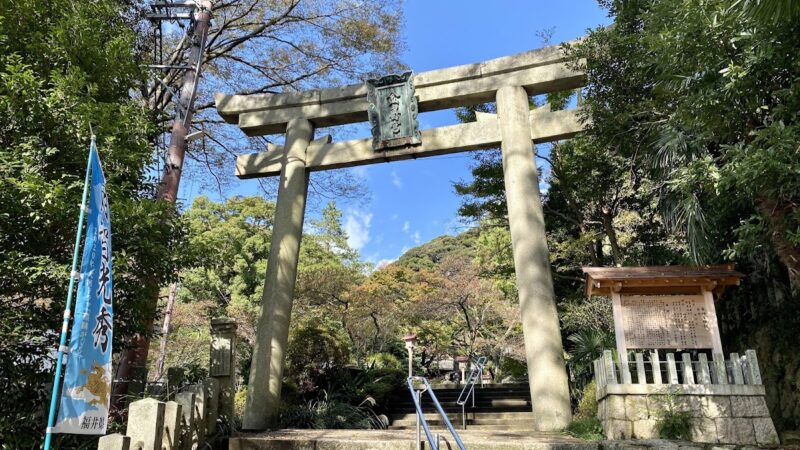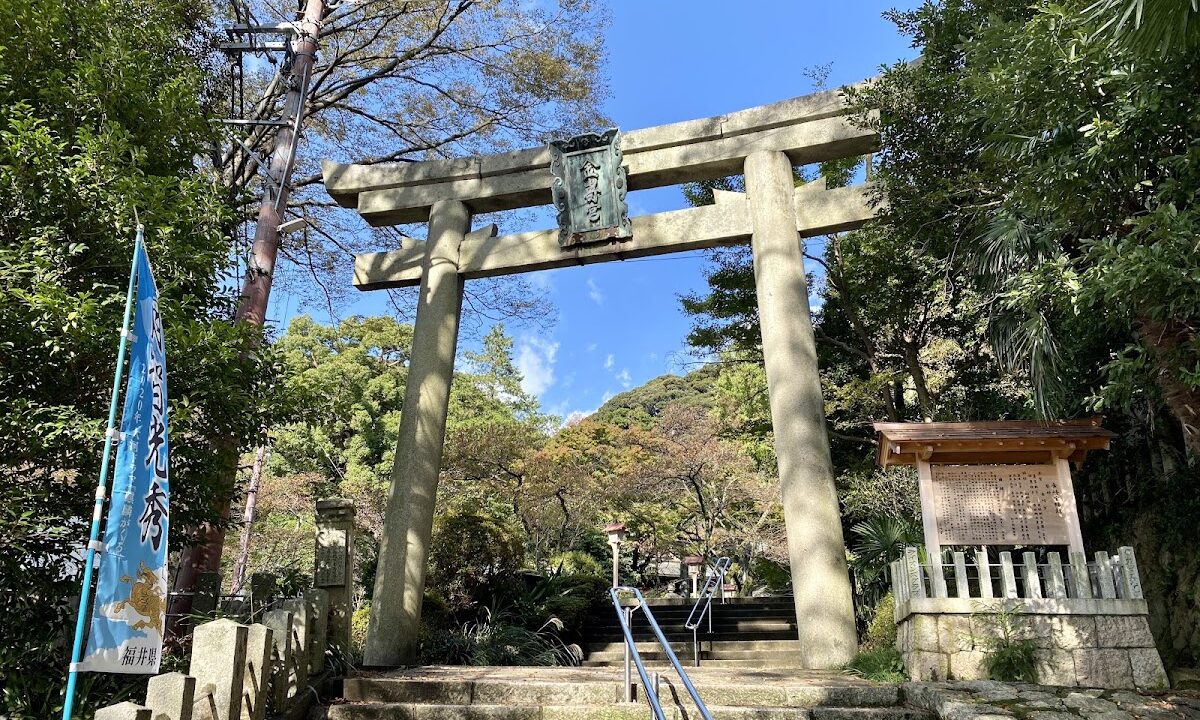
Complete Guide to Kanegasaki Shrine | History and Highlights of the Matchmaking Shrine in Tsuruga City, Fukui Prefecture, Known as the “Shrine of Love”
Kanegasaki Shrine, nestled at the foot of the ruins of Kanegasaki Castle in Tsuruga City, Fukui Prefecture, is a shrine built on a historical site from the Nanboku-cho period. As one of the fifteen shrines of the Kenmu Restoration, it was formerly ranked as a Kanpei Chusha (a medium-ranking government-supported shrine), and today, as the “Shrine of Love,” it attracts many visitors seeking matchmaking and romantic fulfillment.
This article provides a detailed introduction to everything about Kanegasaki Shrine, from its historical background to its charm as a cherry blossom viewing spot, the famous Hanakae Festival, and its blessings for overcoming difficulties.
About Kanazaki Shrine | Overview and Basic Information
Kanazaki Shrine is a Shinto shrine located in Kanegasaki-cho, Tsuruga City, Fukui Prefecture. It enshrines Prince Takanaga and Prince Tsunenaga, sons of Emperor Go-Daigo who met a tragic end at Kanegasaki Castle during the Nanboku-cho period.
Location and Access Information
Address: 1-4 Kanegasaki-cho, Tsuruga City, Fukui Prefecture
Transportation Access:
- Approximately 12 minutes by Tsuruga Loop Bus (“Gurutto Tsuruga Loop Bus”) from JR Tsuruga Station, alight at “Kanazaki-gu-guchi” bus stop, then approximately 5 minutes on foot.
- Approximately 25 minutes on foot from JR Tsuruga Station.
- Approximately 10 minutes by car from Tsuruga IC on the Hokuriku Expressway.
- Parking available (expect congestion during cherry blossom season).
Detailed tourist maps and information on surrounding tourist spots are available at the Tsuruga Tourist Information Center at Tsuruga Station.
Visiting Hours and Shrine Office
The shrine grounds are generally open for free worship. The shrine office is usually open from 9:00 AM to 5:00 PM, but this may vary depending on the season and events. Therefore, it is recommended to check in advance if you wish to obtain a Goshuin (shrine stamp) or other items.
History of Kanazaki Shrine | The Tragedy of the Nanboku-cho Period and the Circumstances of its Founding
The history of Kanazaki Shrine is deeply rooted in the Nanboku-cho period, a turbulent time in Japanese history.
The Battle of Kanegasaki Castle and the Two Princes
In 1336 (Engen 1), Prince Takanaga and Prince Tsunenaga, sons of Emperor Go-Daigo, holed up in Kanegasaki Castle along with Nitta Yoshisada and others. This area was an important base for the Southern Court in the Hokuriku region, but it fell after a fierce battle following a relentless attack by the Ashikaga army. The two princes met a tragic end.
Prince Takanaga committed suicide within the castle, and Prince Tsunenaga was captured and later died in exile. This tragic history led to the founding of Kanazaki Shrine.
Founding in the Meiji Era
After many years, in 1876 (Meiji 9), artifacts unearthed from a sutra mound on Kanazaki Mountain identified the presumed location of Prince Takanaga’s tomb. Local people revered the prince, calling him “Shinno-san” (Prince Takanaga), and a movement to enshrine him in this place grew.
Then, on September 11, 1890 (Meiji 23), the Minister of Home Affairs issued a decree establishing a shrine in Kanazaki, with Prince Takanaga as the enshrined deity, naming it Kanazaki Shrine, and designating it a Kanpei Chusha (a medium-ranking government-supported shrine). Later, in 1895 (Meiji 28), Prince Tsunenaga was also enshrined, resulting in the current form of the shrine.
Positioning as one of the Fifteen Shrines of the Kenmu Restoration
Kanazaki Shrine is counted among the “Fifteen Shrines of the Kenmu Restoration,” which enshrine members of the imperial family and military commanders of the Southern Court who contributed to the Kenmu Restoration (Kenmu Restoration). This was established during the Meiji era based on a historical view that the Southern Court was legitimate, and Kanazaki Shrine holds an important position within this group.
Kanazaki Shrine as a “Shrine of Love” | A Power Spot for Matchmaking and Romantic Fulfillment
Historically, Kanazaki Shrine was the stage for tragedy, but in modern times, it is affectionately known as the “Shrine of Love,” and is a popular tourist spot visited by many worshippers praying for matchmaking and romantic fulfillment.
Why is it called the “Shrine of Love”?
The reason Kanazaki Shrine came to be called the “Shrine of Love” lies in the “Flower Exchange Festival,” which will be described later. This festival, which has continued since the Meiji 40s (1907-1912), involves men and women exchanging cherry blossom branches to forge a bond, and this has become widely known as a blessing for romantic fulfillment.
Benefits and Offerings for Finding Love
The shrine offers a variety of offerings related to finding love. Love charms and votive tablets are particularly popular, with many visitors offering them with their wishes.
Located on the hillside overlooking Tsuruga Bay, Kanazaki Shrine, with its beautiful scenery, is also a popular date spot for couples.
Benefits for Overcoming Difficulties | For Exams and Job Hunting
Kanazaki Shrine is known not only for fulfilling romantic wishes but also for its benefits in overcoming difficulties.
Derived from a History of Overcoming Difficulties
The spirit of the two kings who persevered in their beliefs during the turbulent Nanboku-cho period is believed to bestow the strength to overcome various difficulties and trials in modern times. Many people, including students taking exams, job seekers, and those facing turning points in their lives, visit the shrine to pray for overcoming difficulties.
Prayers for Passing Exams and Academic Success
Especially during exam season, the number of visitors praying for success increases. Numerous votive tablets praying for success in exams are dedicated within the shrine grounds, imbued with the earnest wishes of students taking exams.
Hanakawa Matsuri (Flower Exchange Festival) | Kanazaki Shrine’s Representative Spring Ritual
An essential part of discussing Kanazaki Shrine is the Hanakawa Matsuri, held annually from April 1st to 15th.
Origin and History of the Hanakawa Matsuri
It is said that the Hanakawa Matsuri began in the Meiji 40s (1907-1912). At that time, opportunities for interaction between men and women were scarce, making the Hanakawa Matsuri a perfect place and opportunity for matchmaking.
Etiquette and Meaning of Hanakawa
During the Hanakawa Matsuri, worshippers bring small cherry blossom branches and exchange them with each other, exchanging the phrase, “Let’s exchange flowers.” It is said that the more flowers one exchanges, the more happiness will come.
In particular, there is a tradition that exchanging flowers between men and women will bring good fortune in relationships, and even today, many couples and people seeking love participate.
Highlights during the Shinto Ritual and Flower Exchange Festival
During the festival, the shrine grounds are adorned with cherry blossoms, and many stalls are set up. Often coinciding with the cherry blossom season, it offers a rare opportunity to enjoy both cherry blossom viewing and the Shinto rituals simultaneously. It is especially crowded on weekends and has become a representative spring event of Tsuruga City.
Kanazaki Shrine as a Cherry Blossom Spot | A Breathtaking View of a Thousand Cherry Trees
Kanazaki Shrine is known as one of the leading cherry blossom spots in Fukui Prefecture.
Approximately 400 Somei Yoshino Cherry Trees
Approximately 400 Somei Yoshino cherry trees are planted from the foot of the Kanagasaki Castle ruins to the grounds of Kanazaki Shrine. Many cherry trees have been planted on the shrine grounds since the shrine’s founding, and they bloom in full glory in spring.
A Thousand Cherry Trees at a Glance
The cherry blossoms blooming profusely at the foot of Mount Kanegasaki are said to number “a thousand trees at a glance,” making it a renowned spot for cherry blossom viewing. The cherry blossoms covering the mountain slopes create a breathtaking landscape, and the scenery of the cherry blossoms against the backdrop of Tsuruga Bay is a popular photo spot.
Best Time to See Cherry Blossoms
The best time to see the blossoms is usually from early to mid-April, coinciding with the Hanakae Festival. Blooming conditions vary from year to year, so it is recommended to check the latest information at the Tsuruga Tourist Information Center or the official website before visiting.
Nighttime Cherry Blossoms and Illuminations
During cherry blossom season, the trees are sometimes illuminated at night, allowing visitors to enjoy the magical sight of cherry blossoms after dark. Visiting the shrine in this different atmosphere will surely create special memories.
Guide to the Grounds of Kanegasaki Shrine | Highlights and Points of Interest
Main Hall and Worship Hall
The main hall, located at the top of a stone staircase, is a magnificent building that retains the appearance of its Meiji-era construction. At the main hall, quietly clasp your hands together and offer your prayers, showing respect to the Prince and Princess and expressing your own wishes.
View from the Shrine Grounds
Kanazaki Shrine is located on the side of a small hill, offering panoramic views of Tsuruga Bay and Tsuruga Port from its grounds. On clear days, a beautiful landscape unfolds, showcasing the townscape of Tsuruga and the blue sea.
Goshuin (Shrine Seal)
You can receive a goshuin (shrine seal) at Kanazaki Shrine. It is available at the shrine office, and many visitors have it inscribed in their goshuin notebooks as a memento of their visit. Special goshuin may be offered during the Hanakae Festival.
Ema (Votive Tablets) and Wishes
There is an ema hanging area on the shrine grounds, where ema inscribed with various wishes such as success in love, matchmaking, and overcoming difficulties are dedicated. Writing your own wish on an ema and dedicating it is one of the pleasures of visiting the shrine.
Relationship with Kanegasaki Castle Ruins | A Guide to Historical Walks
Behind Kanegasaki Shrine lies the Kanegasaki Castle Ruins, making it an irresistible walking course for history buffs.
History of Kanegasaki Castle Ruins
Kanegasaki Castle is known not only as an ancient battlefield from the Nanboku-cho period, but also as the site of the “Kanegasaki Retreat,” where Oda Nobunaga was forced to retreat after being attacked by the Asai-Asakura allied forces during the Sengoku period.
Hiking Course to the Castle Ruins
A walking path is maintained from Kanegasaki Shrine to the Kanegasaki Castle Ruins, allowing you to enjoy a historical exploration in a light hiking mood. The one-way trip takes approximately 15-20 minutes, and there are explanatory signs along the way.
Nearby Tourist Spots | Places to Visit Along with Kanegasaki Shrine
Around Kanegasaki Shrine, there are numerous tourist spots where you can experience the history and culture of Tsuruga.
Kanegasaki Green Space
Located very close to Kanegasaki Shrine, Kanegasaki Green Space is a park facing Tsuruga Port, perfect for strolls and picnics. You can relax and enjoy the view of Tsuruga Bay.
Port of Humanity Tsuruga Museum
This museum tells the history of Tsuruga Port, which accepted Polish orphans and Jewish refugees during World War II. As an important facility that conveys the historical facts of Tsuruga Port to future generations, it attracts many visitors. It is within walking distance of Kanegasaki Shrine.
Former Tsuruga Port Station Lamp House
This is a remnant of a railway facility built during the Meiji era, a valuable structure that evokes the time when Tsuruga Port flourished as an international port. Its retro atmosphere makes it a charming tourist spot.
Kinzenji Temple
This ancient temple, located near Kanegasaki Shrine, offers a peaceful and calming atmosphere. It’s a place you’ll want to visit when touring temples and shrines in Tsuruga.
Tsuruga Sightseeing Model Course | Focusing on Kanegasaki Shrine
This is a model sightseeing course for Tsuruga, focusing on Kanegasaki Shrine.
Half-Day Course (Approx. 4 Hours)
- Arrive at JR Tsuruga Station (Gather information at Tsuruga Tourist Information Center)
- Travel to Kanegasaki Shrine by Tsuruga Loop Bus
- Visit Kanegasaki Shrine and stroll around the grounds (Approx. 1 hour)
- Take a break at Kanegasaki Green Space (Approx. 30 minutes)
- Visit the Port of Humanity Tsuruga Museum (Approx. 1 hour)
- Visit the Old Tsuruga Port Station Lamp House (Approx. 30 minutes)
- Have lunch and buy souvenirs around Tsuruga Station
Full-Day Course (Approx. 8 Hours)
In addition to the above half-day course, you can enjoy a fulfilling full-day sightseeing experience that fully showcases the charm of Tsuruga by combining it with activities such as hiking to the Kanegasaki Castle ruins, visiting Kehi Shrine, and touring the Tsuruga Red Brick Warehouses.
Kanazaki Shrine in Every Season | Attractions Other Than Spring
Kanazaki Shrine is most famous during cherry blossom season, but it has its own unique charm in other seasons as well.
Kanazaki Shrine in Summer
The shrine grounds, enveloped in fresh greenery, are refreshing, and even on hot days, the shade of the trees is cool and comfortable. The sea breeze blowing from Tsuruga Bay is pleasant, making a summer visit particularly special.
Autumn Foliage
While not as famous as cherry blossoms, in autumn the trees in the shrine grounds and surrounding areas change color, allowing for a quiet and enjoyable viewing of the autumn leaves. There are fewer tourists than in spring, allowing for a more peaceful visit.
Winter Serenity
Kanazaki Shrine, covered in snow, is enveloped in a mystical atmosphere. With fewer visitors, you can offer your prayers in a solemn and serene setting.
Manners and Precautions When Visiting
Basic Worship Etiquette
The basic worship etiquette at a shrine is “two bows, two claps, one bow.” When passing through the torii gate, bow once, purify your hands and mouth at the water basin, and then proceed to the main shrine.
Precautions during Cherry Blossom Season
The shrine becomes extremely crowded during the Hanakae Festival and the peak cherry blossom season. Parking lots are often full, so we recommend using public transportation. Also, please be careful not to break any cherry branches or damage the trees.
Regarding Photography
Photography is generally permitted on the shrine grounds, but please be considerate of other visitors. It is considered good manners to refrain from taking photos inside the main shrine or during religious ceremonies.
Event Information and Announcements
Main Annual Events
- January 1st: New Year’s Day Festival
- April 1st-15th: Hanakae Festival
- September 11th: Grand Festival
- In addition, regular religious ceremonies such as monthly festivals are held.
How to Check the Latest Information
The official website of Kanazaki Shrine and the Tsuruga City Tourism Association website are regularly updated with the latest information, including event information and cherry blossom blooming status. We recommend checking them before your visit.
Summary | Experience the Charm of Kanazaki Shrine
Kanazaki Shrine is a shrine that conveys the tragic history of the Nanboku-cho period, yet it is also beloved as a “Shrine of Love,” attracting people seeking matchmaking and romantic fulfillment, and is a popular cherry blossom viewing spot, drawing many tourists. It possesses a multifaceted charm.
While the spring flower exchange festival and cherry blossom season are the most vibrant, each season has its own unique beauty, and visitors seeking blessings for overcoming difficulties continue to flock to the shrine. With its excellent views overlooking Tsuruga Port and its connections to surrounding historical tourist spots, it is a shrine well worth visiting, playing a central role in Tsuruga tourism.
When visiting Tsuruga City, Fukui Prefecture, be sure to visit Kanazaki Shrine and experience its historical significance, its splendor as a shrine of love, and its beautiful natural scenery. It will surely be a memorable experience.