Complete Guide to Kuhonji Temples | A Thorough Explanation of the History, Access, and Highlights of these Famous Temples in Nara and Kamakura
While there are several temples named Kuhonji throughout Japan, the two most famous are located in Gose City, Nara Prefecture, and Kamakura City, Kanagawa Prefecture. Each possesses its own unique history and cultural treasures, deeply impressing visitors. This article provides a detailed explanation of these two Kuhonji temples, covering their history, cultural assets, highlights, and access methods.
Table of Contents
- What is Kuhonji Temple? – Origin of the Name and Kuhonji Temples Nationwide
- Kuhonji Temple in Gose City, Nara Prefecture – The Temple of a Thousand Stone Buddha Statues
- Kuhonji Temple in Kamakura City – An Ancient Temple Associated with Nitta Yoshisada
- Other Kuhonji Temples – Temples with the Same Name Scattered Across Japan
- Etiquette and Manners for Visiting Kuhonji Temples
What is Kuhonji Temple? – Origin of the Name and Kuhonji Temples Nationwide
“Kuhon” refers to the ranks of rebirth in Pure Land Buddhism, encompassing nine stages from the highest rank (Jōbon Jōshō) to the lowest rank (Gebon Geshō). This doctrine posits that Amida Buddha’s salvation is divided into nine grades according to the depth of one’s practice and faith.
From this philosophy, temples of the Jōdo-shū and Jōdo Shinshū sects began to use the name “Kuhonji.” There are numerous temples named Kyuhonji scattered throughout Japan, each deeply intertwined with the history of its region.
Kyuhonji Temple in Gose City, Nara Prefecture – Temple of a Thousand Stone Buddhas
History and Origin
Located in Narahara, Gose City, Nara Prefecture, Kyuhonji Temple, whose mountain name is Kainasan, belongs to the Jodo sect. Its principal image is Amida Buddha, and it is widely known as the “Temple of Stone Buddhas.”
While there are various theories regarding its founding, it is said to have been established during the Nara period by Gyoki Bodhisattva, also known for constructing the Great Buddha of Todai-ji Temple, at the command of Emperor Shomu. Later, during the Heian period, it was restored by Kobo Daishi Kukai and flourished as a large temple known as “Kaina Senbo.” At that time, it was a major Shingon sect temple where many monks practiced.
In the Middle Ages, it became the family temple of the Narahara clan, the lords of Gose Castle, strengthening its ties with influential figures in the region. During the Eiroku era (1558-1570), the temple was converted to the present Jodo sect by the monk Kanyo Kosei, and it remains so to this day.
Cultural Properties and Highlights
Important Cultural Property – Wooden Seated Amida Buddha Statue
The wooden seated Amida Buddha statue, the principal image of Kyuhonji Temple, is designated as a National Important Cultural Property. This statue was created during the Fujiwara period (late Heian period) and is characterized by its elegant form with the meditation mudra. Its serene expression and well-proportioned physique exhibit the typical style of Fujiwara Buddhist art, conveying the high level of Buddhist art of that time.
The statue is approximately 80 centimeters tall and was created using the yosegi-zukuri technique (joined wood construction). Some gold leaf remains, evoking the grandeur of its former glory.
A Thousand Stone Buddhas – A Breathtaking Collection of Stone Buddhas
The greatest highlight of Kyuhonji Temple is the “A Thousand Stone Buddhas” arranged throughout the temple grounds and the surrounding hillside. There are actually over 1,500 stone Buddhas, and the sight is overwhelming for visitors.
These stone Buddhas were donated by devout believers from the Muromachi period to the Edo period. The sight of the various sizes of stone Buddhas lined up creates a landscape truly worthy of being called a “Pure Land of Stone Buddhas.”
Many of the stone Buddhas represent Jizo Bodhisattva or Amida Buddha, each embodying the wishes of the donor. Some have become difficult to read due to exposure to the elements, but this only adds to the sense of historical weight.
Juttokuen Garden – A Stroll Garden
Within the temple grounds is a stroll garden called “Juttokuen,” known as a famous garden. It’s a garden where you can enjoy the changing seasons, and it’s especially beautiful during the cherry blossom season in spring and the spider lilies and autumn leaves in autumn. The garden features ponds and stone arrangements, allowing visitors to enjoy the scenery from various angles while strolling. It’s a tranquil space where one can calm their mind and offer prayers.
Seasonal Events – Kyuhonji Temple in Four Seasons
Spring (March-May)
In spring, the cherry blossoms in the temple grounds are in full bloom, creating a magnificent contrast between the stone Buddha statues and the blossoms. The sight of the pale pink petals adorning the stone Buddhas is truly reminiscent of paradise. The best time to see them is early April.
Summer (June-August)
This is a beautiful season of fresh greenery, with the trees covering the entire temple grounds. Flowers and plants grow lushly around the stone Buddhas, creating a vibrant landscape.
Autumn (September-November)
From late September to early October, the temple grounds are dyed red by the spider lilies (Lycoris radiata). The combination of stone Buddha statues and spider lilies creates a scene that strongly evokes a Buddhist worldview. Furthermore, in November, the autumn leaves reach their peak, and the temple grounds are adorned with trees in vibrant reds and yellows.
Winter (December-February)
In winter, Kyuhonji Temple is enveloped in silence, and the occasional snow-covered stone Buddha statues create a fantastical atmosphere. With fewer visitors, it’s a season for a peaceful and tranquil visit.
Access Information
Location: 1188 Narahara, Gose City, Nara Prefecture 639-2312
Access by Train/Bus:
- Take the Nara Kotsu bus bound for “Gojo Bus Center” from Kintetsu Gose Station on the Kintetsu Gose Line, get off at the “Narahara” bus stop, and walk for approximately 15 minutes.
- Approximately 15 minutes by taxi from JR Wakayama Line “Gose Station”.
Access by Car:
- Approximately 20 minutes from Katsuragi IC on the Minami-Hanna Expressway via National Routes 24 and 309.
- Parking available (free, approximately 10 cars).
Visiting Hours: 9:00-17:00 (may vary depending on the season)
Admission Fee: General 300 yen, Junior and Senior High School Students 200 yen, Elementary School Students and younger free
Inquiries: 0745-66-1612
Kyuhonji Temple in Kamakura City – An Ancient Temple Associated with Nitta Yoshisada
History and Origin
Kyuhonji Temple, located in Zaimokuza, Kamakura City, Kanagawa Prefecture, has the mountain name Dairi-san and belongs to the Jodo sect. Its principal image is Amida Buddha.
This temple was founded in 1336 (Kenmu 3) by Nitta Yoshisada. Nitta Yoshisada was a samurai who fought against the Kamakura Shogunate forces during its downfall and is known as the commander-in-chief of the attack on Kamakura.
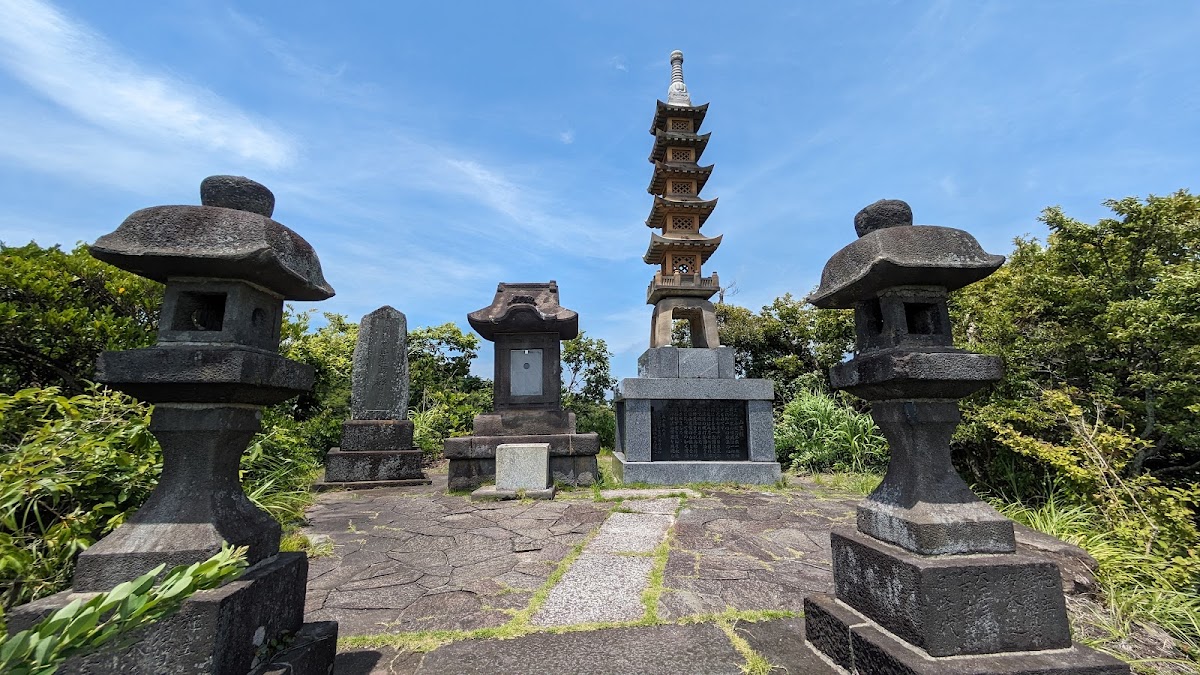
After the fall of the Kamakura Shogunate, Yoshisada built this temple on the site of his former headquarters to mourn the samurai who died fighting on the Hojo side. Yoshisada’s samurai spirit of commemorating those who died in battle, regardless of whether they were friend or foe, is embodied in the founding of this temple.
Cultural Properties and Highlights
Items Associated with Nitta Yoshisada
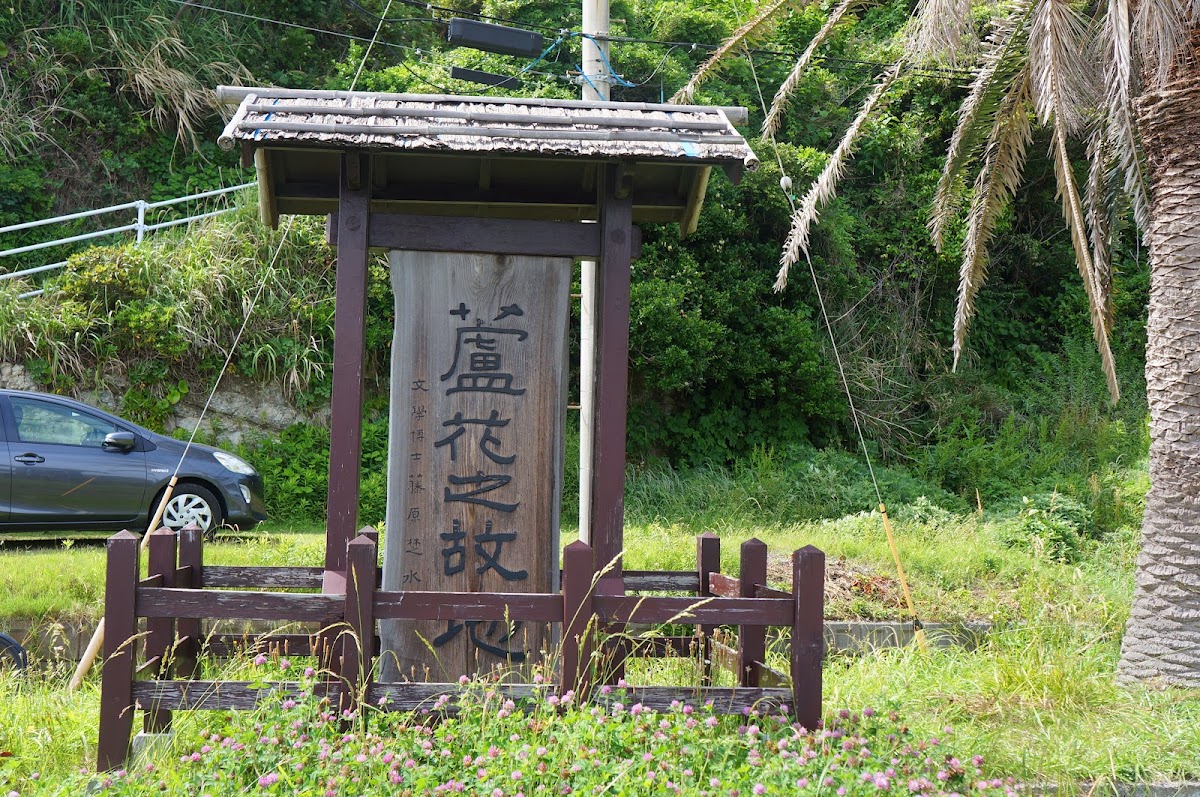
The calligraphy on the plaques bearing the names “Dairiyama” and “Kyuhonji” displayed on the main hall and temple gate is said to be a copy of Nitta Yoshisada’s own handwriting. The plaque believed to be Yoshisada’s original is carefully preserved inside the main hall and is a culturally significant artifact of high historical value.
Highlights of the Temple Grounds
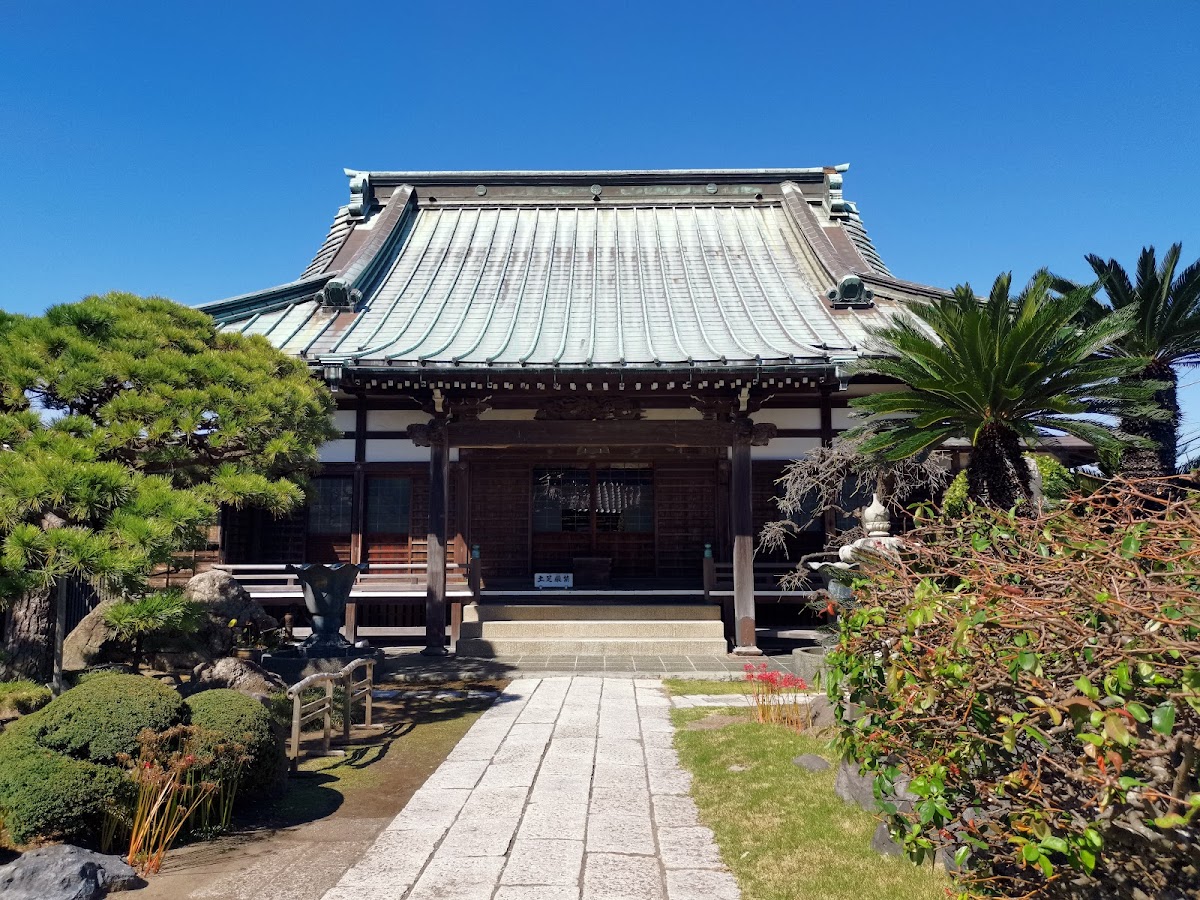
Located in the quiet residential area of Zaimokuza, Kyuhonji Temple, though small, exudes an atmosphere steeped in history. The main hall, rebuilt during the Edo period, showcases the typical architectural style of a Jodo sect temple.
The temple grounds are planted with flowers of all seasons, with the cherry blossoms in spring, hydrangeas in early summer, and bush clover in autumn being particularly renowned for their beauty.
Ten Nights Ceremony and Procession
Every October, Kyuhonji Temple plays an important role as a “Neriyado” (procession lodging) during the Ten Nights Ceremony held at the nearby Komyoji Temple. This is the starting point for the procession and is bustling with many worshippers.
The Ten-Night Ceremony is an important event in the Jodo sect, a ten-day and ten-night Buddhist service in which prayers are chanted. During this period, the Jodo sect temples of Kamakura are enveloped in a special atmosphere.
Access Information
Location: 5-13-14 Zaimokuza, Kamakura City, Kanagawa Prefecture 248-0013
Access by Train/Bus:
- From the East Exit of JR Yokosuka Line “Kamakura Station,” take the Keikyu Bus “Kyuhonji Loop” or “Zushi Station via Kotsubo,” and get off at the “Kyuhonji” bus stop.
- Approximately 30 minutes on foot from JR Yokosuka Line “Kamakura Station.”
Access by Car:
- Approximately 15 minutes from the Yokohama-Yokosuka Expressway “Asahina IC.”
- No parking available (use nearby coin parking).
Visiting Hours: Grounds are freely accessible (reservations required for entry into the main hall).
Admission Fee: Voluntary donation
Inquiries: 0467-22-3404
Other Kyuhonji Temples – Temples of the same name scattered throughout Japan
Kyuhonji Temple in Omihachiman City, Shiga Prefecture
There is also a Kyuhonji Temple in Azuchi-cho, Omihachiman City, Shiga Prefecture. This is a Jodo sect temple, also known as Notokuzan, founded in 1413 (Oei 20) during the Muromachi period by Tomo no Suo-no-kami to commemorate the Tomo clan.
Originally a Tendai sect temple, it later converted to the Jodo sect and became a branch temple of Jogen-in in Azuchi-cho. Although the temple buildings were lost in a fire during the Keicho era, the main hall was rebuilt during the Jokyo era, and the priest’s quarters were rebuilt in 1863 (Bunkyu 3). In 1890 (Meiji 23), it became a branch temple of Chion-in, and remains so to this day.
Kyuhonji Temples in Other Regions
The name Kyuhonji was used throughout Japan as Jodo Buddhism spread. Kyuhonji temples exist in various locations such as Kyoto, Osaka, Aichi, and Fukuoka, each preserving the history and culture of its respective region.
Etiquette and Manners for Visiting Kuhonji Temple
Proper Worship Etiquette
Kuhonji Temple is a Jodo sect temple, so the basic worship etiquette is as follows:
- Bow at the main gate before entering the temple grounds.
- Cleanse your hands and mouth at the water basin.
- Join your hands in prayer in front of the main hall and chant “Namu Amida Butsu.”
- Offer your donation and bow deeply.
- Be quiet when strolling around the temple grounds.
- Bow at the main gate when leaving.
Photography
Photography is generally permitted on the temple grounds, but please note the following:
- Permission may be required to photograph the interior of the main hall or cultural artifacts.
- Be considerate of other worshippers.
- Check in advance before using a tripod.
- Prior permission is required for commercial photography.
Clothing and Belongings
There are no particularly strict dress code regulations, but please dress appropriately for visiting a temple. Because Kyuhonji Temple in Gose City, Nara Prefecture, has stone steps and slopes, comfortable walking shoes are recommended.
Seasonal precautions are also important:
- Summer: Hat, sunscreen, drinking water
- Winter: Warm clothing (it gets cold in the mountainous area)
- Rainy weather: Umbrella, rain gear (stone steps become slippery)
The Charm of Kyuhonji Temple and its Future Preservation
Temples bearing the name Kyuhonji each possess their own unique history and cultural assets, and have functioned as centers of local faith. In particular, the thousand stone Buddha statues in Gose City, Nara Prefecture, and the temple associated with Nitta Yoshisada in Kamakura City are invaluable for understanding Japanese Buddhist culture and history.
In recent years, there have been many challenges in the preservation and maintenance of cultural assets. Weathering of stone Buddha statues, deterioration of buildings, and a lack of successors are problems faced by many temples, and Kyuhonji Temple is no exception. What we, as visitors, can do is to actually visit and worship, understand their value, and pass it on to future generations.
A visit to Kyuhonji Temple will allow you to experience firsthand the depth of Japanese Buddhist culture, the faith of our ancestors, and the weight of history. The time spent calming your mind in the tranquil temple grounds and contemplating the compassion of Amida Buddha will be a precious experience for those of us living in modern society.
Summary
Kyuhonji Temples are Jodo sect temples located throughout Japan, primarily in Gose City, Nara Prefecture, and Kamakura City, Kanagawa Prefecture. Each possesses its own unique history and cultural assets, deeply moving visitors.
Kyuhonji Temple in Gose City, Nara Prefecture, was founded by Gyoki during the Nara period and is known for its thousand stone Buddha statues and the important cultural property, the seated Amida Buddha statue. It is affectionately known as the “Temple of Stone Buddhas,” where visitors can also enjoy the beauty of nature throughout the seasons.
Kyuhonji Temple in Kamakura City was built by Nitta Yoshisada to commemorate those who died in battle after the fall of the Kamakura Shogunate, and it continues to embody the spirit of Bushido.
Each of the nine temples is a valuable resource for understanding Japanese Buddhist culture and history, and is well worth a visit. Why not find peace of mind in the tranquil grounds and reflect on the faith of our ancestors?