Myoenji Temple Complete Guide: Comprehensive Information on History, Visiting Procedures, and Access
While there are several temples named Myoenji throughout Japan, the most well-known are the Soto Zen temple Hōchizan Myoenji in Ijūin-chō, Hioki City, Kagoshima Prefecture, and the Nichiren Buddhist temple Renkōzan Myoenji in Harajuku, Shibuya Ward, Tokyo. This article provides comprehensive information on these Myoenji temples, from their historical background to visiting procedures and access methods.
Overview of Hōchizan Myoenji Temple (Hioki City, Kagoshima Prefecture)
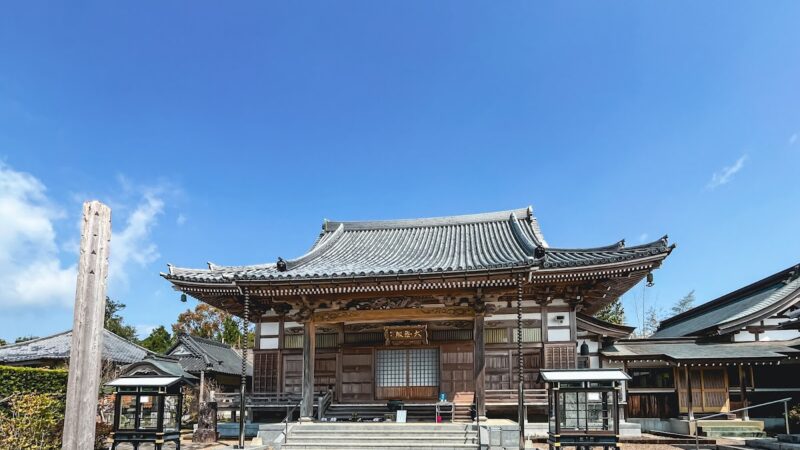
Hōchizan Myoenji Temple, located in Ijūin-chō, Hioki City, Kagoshima Prefecture, is a venerable Zen temple boasting a 630-year history. As a Soto Zen temple with Eiheiji Temple in Fukui and Sōjiji Temple in Tsurumi, Yokohama as its two head temples, it serves as a central figure in local faith.
Deep Connection to Sengoku Warlord Shimazu Yoshihiro
Myoenji Temple is particularly famous as the family temple of Shimazu Yoshihiro, a renowned general of the Sengoku period. As the 17th head of the Shimazu family, Shimazu Yoshihiro made significant contributions to the development of the Satsuma Domain and is also known for his legendary breakthrough during the Battle of Sekigahara. His bravery and character have been passed down through generations, and the temple continues to attract many visitors today.
The Zen Temple Where the Myoenji Pilgrimage Originated
Myoenji Temple is also widely known as the “Zen Temple Where the Myoenji Pilgrimage Originated.” This traditional event is preserved as an important cultural heritage of Kagoshima and attracts many participants every year.
History and Origins of Myoenji Temple
Founding History
Myoenji Temple was founded approximately 600 years ago during the Muromachi period. It is said that the temple was founded by the eminent Zen master Ishiya Shinryo at the request of the daughter of Lord Ouchi Yoshihiro. Zen Master Ishiya was a highly regarded monk in the Zen Buddhist world of the time, and his teachings influenced many samurai and commoners.
The Encounter Between Lord Shimazu Yoshihiro and Zen Master Ishiya
Lord Shimazu Yoshihiro, the 17th head of the Shimazu family, was deeply impressed by Zen Master Ishiya’s teachings and designated this temple as his family temple. Lord Yoshihiro was known not only for his achievements as a samurai but also for his fervent faith in Buddhism, and his relationship with Myoenji Temple holds significant meaning in the history of the Shimazu family.
From its Tempest to the Anti-Buddhist Movement
During the Edo period, the temple flourished greatly under the patronage of the Shimazu family, becoming a large temple where many monks devoted themselves to their training at its peak. However, it suffered a major blow during the anti-Buddhist movement of the Meiji era, and many of its buildings were tragically destroyed by fire. Nevertheless, the flame of faith has not been extinguished and has been passed down continuously to this day.
The Current Myoenji Temple
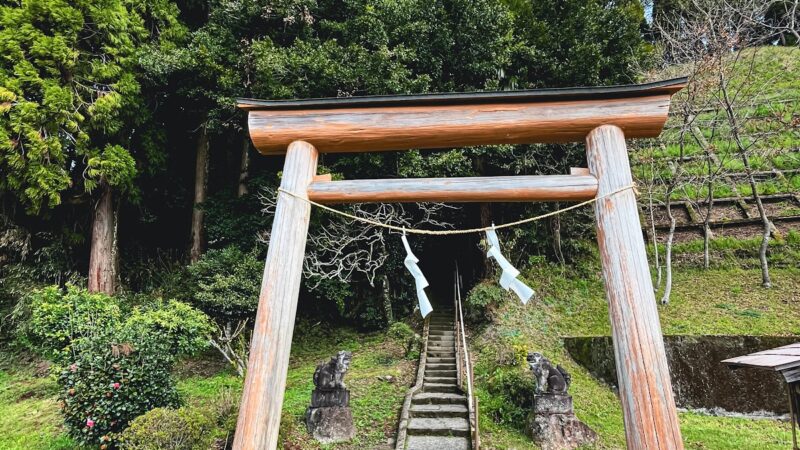
After the anti-Buddhist movement, Myoenji Temple was relocated and rebuilt in its current location in Tokushige, Ijuin-cho, Hioki City, Kagoshima Prefecture. Currently, it is located adjacent to Tokushige Shrine and is a popular place of worship and tourist attraction for many people.
The Tradition of Myoenji Pilgrimage
What is Myoenji Pilgrimage?
The Myoenji Pilgrimage is a traditional event in which people walk approximately 20 kilometers from Kagoshima City to Myoenji Temple in Ijuin-cho, Hioki City. This event began to commemorate the arduous retreat of the Shimazu army led by Lord Shimazu Yoshihiro during the Battle of Sekigahara, known as “Shimazu’s Retreat,” and to pass on its spirit to future generations.
The Battle of Sekigahara and the Shimazu Retreat
In 1600, in the Battle of Sekigahara, known as the battle that decided the fate of Japan, the Shimazu forces, fighting on the Toyotomi side, suffered a defeat. However, the army led by Lord Shimazu Yoshihiro made an unprecedented move, breaking through the enemy lines of the Tokugawa forces head-on and returning to Satsuma. This “Shimazu Retreat” is recounted as a rare event in Japanese military history.
The Content and Significance of the Event
At some point, the samurai of Kagoshima Castle town began the custom of visiting Myoenji Temple to commemorate the hardships of that time. Today, it is held annually in late October, with many participants of all ages walking through the night to the temple. Along with the “Akō Gishin Den Reading Group” and the “Soga-don Umbrella Burning Festival,” it is an important traditional event in Kagoshima.
Kyushu Forty-Nine Yakushi Pilgrimage Sites, Temple No. 26
Myoenji Temple is designated as the 26th temple of the Kyushu Forty-Nine Yakushi Pilgrimage Sites, and is visited by many pilgrims. It is a place where you can experience a unique religious culture that blends faith in Yakushi Nyorai (Medicine Buddha) with the teachings of Zen.
Visiting Information
Visiting Hours and Admission Fee
The grounds of Myoenji Temple are generally open for free visits. Visiting hours are generally from sunrise to sunset, but times may change during events and memorial services, so it is recommended to check in advance. Admission is usually free, but there may be separate fees for special visits or participation in events.
Prayers and Memorial Services
Myoenji Temple accepts various prayers and memorial services. We handle a wide range of services, from prayers for family safety, traffic safety, business prosperity, and academic success, to ancestral memorial services, memorial services for stillborn babies, and memorial services for pets. If you wish to receive prayers, it is recommended that you contact the temple in advance to make a reservation.
Goshuin (Temple Seal) and Amulets
You can receive a goshuin (temple seal) as a memento of your visit. Myoenji Temple’s goshuin features a powerful calligraphic style, befitting a temple associated with Shimazu Yoshihiro. Amulets and talismans are also available on the temple grounds, with various types offered for traffic safety, family safety, academic success, and more.
Highlights of the Temple Grounds
Within the main hall and other buildings, Myoenji Temple’s grounds are dotted with historical sites and monuments dedicated to Shimazu Yoshihiro. You can stroll slowly through the tranquil Zen temple grounds, reflecting on history. The temple is especially beautiful during the autumn foliage season and the fresh green season, offering a particularly special atmosphere.
Access Information (Myoenji Temple, Hioki City, Kagoshima Prefecture)
Access by Car
It is approximately a 30-minute drive from Kagoshima City. The temple is approximately a five-minute drive from the Ijuin Interchange on the Kyushu Expressway. A parking lot for visitors is available on the temple grounds, and is free for regular-sized vehicles. However, during major events such as the Myoenji Pilgrimage, congestion is expected, so please consider using public transportation.
Access by Public Transportation
The nearest station is Ijuin Station on the JR Kagoshima Main Line. It’s approximately a twenty-minute walk or a five-minute taxi ride from the station. There are also local buses; you can board a bus bound for Myoenji from in front of Ijuin Station. Since bus service is limited, it is recommended to check the timetable in advance.
Address and Contact Information
- Address: Tokushige, Ijuin-cho, Hioki City, Kagoshima Prefecture
- Contact Information: Please check the official website or call for details.
Myoenji Temple in Harajuku (Shibuya Ward, Tokyo)
Overview of Renkozan Myoenji Temple (Nichiren Sect)
Located in Harajuku, Shibuya Ward, Tokyo, Renkozan Myoenji Temple, a Nichiren sect temple, offers a tranquil space for prayer amidst the hustle and bustle of the city. While it differs from the Myoenji Temple in Kagoshima in both sect and history, both temples share the name “Myoenji” and attract devotion in their respective regions.
Unique Initiatives
Myoenji Temple in Harajuku has undertaken numerous unique initiatives, driven by a desire to walk hand in hand with its parishioners and the local community. Previously, children’s activities were very active, and it held community-based events such as “Hina Matsuri” (Girls’ Day) where children dressed as Hina dolls. Its characteristic feature is its commitment to traditional Buddhist teachings while incorporating modern sensibilities.
The Role of a Temple in the City Center
Located in Harajuku, a hub of youth culture, Myoenji Temple functions as a spiritual haven, demonstrating a new role for temples in modern society. Amidst the bustling streets of Harajuku, filled with tourists and shoppers, it offers a precious space for quiet prayer.
Access Information (Myoenji Temple in Harajuku)
Myoenji Temple is within walking distance of Harajuku Station and easily accessible from major Harajuku landmarks such as Meiji Jingu Shrine and Takeshita Street. Despite its city center location, the temple grounds possess a tranquil atmosphere, making it ideal for a visit between shopping and sightseeing.
Myoenji Temple in Kyoto
There is also a temple named Myoenji in Kyoto. While detailed information about Kyoto’s Myoenji is limited, it is one of Kyoto’s historic temples, attracting local devotion. It is a temple worth visiting during Kyoto sightseeing.
About Myoenji Cemetery and Memorial Park
Myoenji Temple in Shibuya Ward, Tokyo, also has a cemetery and memorial park, providing a quiet environment for honoring ancestors despite its central city location. Myoenji Temple’s cemetery is highly regarded for its convenient access and well-maintained environment. We accept inquiries for information requests and visits.
Cemetery Features
Despite being located in a prime location in the city center, it offers a tranquil environment surrounded by greenery. Various memorial options are available to meet modern needs, such as perpetual memorial graves and tree burials, allowing for choices that suit your lifestyle.
Differences between Soto Zen and Nichiren Buddhism
There are temples named Myoenji that belong to two different sects: Soto Zen and Nichiren Buddhism. Here, we briefly explain the characteristics of both sects.
Characteristics of Soto Zen
Soto Zen is a branch of Zen Buddhism characterized by its emphasis on seated meditation (shikantaza). Myoenji Temple in Kagoshima belongs to this Soto Zen sect, with Eiheiji and Sojiji as its two head temples. It seeks inner peace in daily life through the teachings of Zen.
Characteristics of the Nichiren Sect
The Nichiren sect is a Buddhist sect founded by Nichiren Shonin, and its fundamental scripture is the Lotus Sutra. It emphasizes chanting the mantra “Namu Myoho Renge Kyo,” and Myoenji Temple in Harajuku belongs to this sect. Its teachings are characterized by the unity of social practice and faith.
Guidelines for Visiting Myoenji Temple
Attire and Belongings
When visiting a temple, it is desirable to wear modest, understated clothing. Especially if participating in a memorial service or prayer, formal or semi-formal attire is appropriate. Bringing a goshuincho (stamp book) or rosary will enhance your visit.
Manners for Visiting a Temple
When passing through the temple gate, bow, and behave quietly within the temple grounds. Photography is only permitted in designated areas; refrain from taking photos inside the main hall or during memorial services. When offering a monetary donation, do so quietly and respectfully, and after praying, clasp your hands together and bow.
Participation in Events
When participating in various events, including the Myoenji Pilgrimage, be sure to check the details in advance and make the necessary preparations. Especially for the Myoenji Pilgrimage, which involves long-distance walking, comfortable shoes and clothing, and drinks are essential.
Summary
Temples bearing the name Myoenji have each cultivated their own unique history and culture in their respective regions. Hochizan Myoenji in Ijuin-cho, Hioki City, Kagoshima Prefecture, as the family temple of Lord Shimazu Yoshihiro and the Zen temple where the Myoenji Pilgrimage originated, has maintained its religious traditions for over 600 years. Meanwhile, Renkozan Myoenji in Harajuku, Shibuya Ward, Tokyo, while located in the heart of the city, demonstrates a new role for temples in modern society as a Nichiren Buddhist temple deeply rooted in the local community.
Both Myoenji temples play important roles as centers of faith and places that convey history and culture in their respective locations. When visiting for worship or sightseeing, taking the time to quietly offer prayers while understanding its historical background and religious significance will allow for a deeper experience.
From the continuing tradition of pilgrimages to Myoenji Temple to its innovative initiatives as a temple in the heart of the city, Myoenji Temple embodies a form of faith that spans the past, present, and future. When visiting Kagoshima or strolling through Harajuku, be sure to stop by Myoenji Temple and experience its history and spirituality.