Complete Guide to Tenman Shrines: History, Benefits, and Major Tenmangu Shrines Nationwide
Tenman shrines are a general term for shrines that enshrine Sugawara no Michizane, known as the god of learning. With approximately 12,000 Tenmangu and Tenjin shrines nationwide, they are bustling with students and those praying for academic success, and are deeply rooted in the religious lives of the Japanese people. This article provides a comprehensive explanation of Tenman shrines, from their historical background and benefits to the characteristics of representative Tenmangu shrines throughout Japan.
What are Tenman Shrines?: The Connection Between Sugawara no Michizane and Tenmangu Shrines
Tenman shrines are dedicated to Sugawara no Michizane (845-903), a Heian period nobleman, outstanding scholar, and politician. Michizane rose to the position of Minister of the Right, but was demoted to Dazaifu due to political intrigue and died in despair. Afterward, the capital suffered a series of disasters, including thunderstorms and epidemics. It is believed that the Tenmangu shrine originated from the enshrinement of Sugawara no Michizane’s vengeful spirit to appease him.
The Faith of Tenman Daijizai Tenjin
After his death, Michizane was deified as “Tenman Daijizai Tenjin” and came to be revered as the god of thunder and Tenjin. As time passed, his high level of scholarship during his lifetime led to the widespread belief in him as the “god of learning.” Today, worshippers seeking success in exams and academic achievements visit Tenman shrines throughout Japan.
The Difference Between Tenmangu and Tenjin Shrines
While there are various names such as “Tenmangu,” “Tenman Shrine,” and “Tenjin Shrine,” they all share the commonality of enshrining Sugawara no Michizane as their principal deity. The name differs depending on the region and the history of their founding, but the essence of the faith remains the same.
The Benefits and Faith of Tenman Shrines
At Tenman shrines, various benefits related to the life and achievements of Sugawara no Michizane are believed to be attained.
Academic Success and Passing Exams
The most famous blessings are academic achievement and passing exams. Sugawara no Michizane excelled in Chinese poetry from a young age and was a genius scholar who became a Doctor of Literature at the age of 33. Because of his high level of knowledge, students and those preparing for exams visit the shrine to pray for success. Especially during exam season, many votive tablets are offered, and the shrine grounds are bustling with worshippers.
Improvement in Poetry and Literature
Michizane was also an accomplished Chinese poet, leaving behind many poems. Therefore, he attracts worshippers from writers and artists who wish to improve their poetry and writing skills.
Protection of Agriculture and Healing from Illness
Because Tenjin worship also has an aspect as a thunder god, he is revered as a guardian deity of agriculture who controls rain. Furthermore, because Michizane suffered from illness in Dazaifu, he is also believed to grant blessings for healing from illness.
Protection from Evil and Good Fortune
Originating from a belief that began to appease vengeful spirits, the benefits of protection from evil and disaster are also highly valued.
Major Tenman Shrines Nationwide
Numerous Tenman shrines exist throughout Japan, each with its own unique history and characteristics.
Osaka Tenmangu Shrine (Osaka City, Osaka Prefecture)
Osaka Tenmangu Shrine is a historic Tenmangu shrine founded in 949 AD (Tenryaku 3). Located in Kita Ward, Osaka City, it is affectionately known locally as “Tenjin-san of Tenma.”
Features
- The Tenjin Festival, one of Japan’s three major festivals, is held annually on July 24th and 25th.
- The shrine grounds feature numerous buildings, including the main hall, worship hall, and the Dragon Gate.
- It’s also a popular wedding venue, offering Shinto wedding ceremonies and photo wedding packages.
- Access: A short walk from Minamimorimachi Station on the Osaka Metro Tanimachi Line and Sakaisuji Line, and Osaka Tenmangu Station on the JR Tozai Line.
The Tenjin Festival, known for its boat procession and fireworks display, is a summer tradition in Osaka, attracting over 1.3 million visitors annually. A map of the grounds and detailed event information can be found on the official website.
Kitano Tenmangu Shrine (Kyoto City, Kyoto Prefecture)
Kitano Tenmangu Shrine, considered the head shrine of all Tenmangu shrines nationwide, was founded in 947 AD. It is one of the first shrines to enshrine Sugawara no Michizane as a deity and is a central figure in Tenmangu worship.
Features
- Houses numerous cultural properties, including the National Treasure main hall and worship hall.
- Known as a famous spot for plum blossoms, with approximately 1,500 plum trees planted.
- An antique market is held on the 25th of every month, the “Tenjin-san” festival day.
- The treasure hall displays items related to Sugawara no Michizane.
Dazaifu Tenmangu Shrine (Dazaifu City, Fukuoka Prefecture)
Dazaifu Tenmangu Shrine, built on the site where Sugawara no Michizane was exiled and died, is one of the head shrines of all Tenmangu shrines, along with Kitano Tenmangu Shrine. The shrine buildings are constructed over the tomb of Sugawara no Michizane.
Features
- A leading tourist destination in Kyushu, attracting approximately 10 million visitors annually.
- Home to the sacred “Tobiume” plum tree, famous for the legend of the flying plum tree.
- The approach to the shrine is lined with shops selling the local specialty, Umegae Mochi (plum blossom rice cakes).
- Adjacent to the Kyushu National Museum.
Kuniyasu Tenman Shrine (Inami-cho, Kako-gun, Hyogo Prefecture)
Kuniyasu Tenman Shrine is a Tenmangu shrine situated on a hill overlooking the Inamino Plain. It has long been revered as the local guardian deity.
Features
- The Kokuon Festival features lion dances and a procession of children.
- Offers magnificent views from the shrine grounds.
- A beloved shrine deeply rooted in the community.
Tenman Shrine (Shinjo City, Yamagata Prefecture)
Located on the site of the main keep of Shinjo Castle, Tenman Shrine has a history of being revered as the guardian deity of the Tozawa family.
Features
- Established in 1628 by the first lord of the domain, Tozawa Masamori
- The castle’s Tenmangu Shrine festival is the origin of the current “Shinjo Festival”
- An indispensable shrine when discussing the history of Shinjo
Tenman Shrine (Yosano-cho, Kyoto Prefecture – Chirimen Kaido)
Located on Tenjin-yama mountain and overlooking Chirimen Kaido, Tenman Shrine boasts a main hall designated as a Kyoto Prefecture cultural property.
Features
- The main hall, built in 1733, is a Kyoto Prefecture designated cultural property
- Climb 137 stone steps leading to the shrine
- There are stone lanterns dating back to the Kamakura period
- The shrine has a history of being relocated after the Tango Great Earthquake of 1927
Other Tenman Shrines
Numerous Tenman Shrines rooted in local communities exist throughout Japan.
- Tenman Shrine (Kure City, Hiroshima Prefecture): A popular local tourist spot.
- Tenman Shrine (Okayama Prefecture): Established in 1458 (Chōroku 2) with a deity invited from Shinano Province; a rare Shinto ritual called the Ōtōban Festival is held here.
- Tenman Shrine (Kitano-cho, Kobe City, Hyogo Prefecture): Located near the Kitano Ijinkan district, it is also a popular tourist destination.
- Tenman Shrine (Ehime Prefecture): Functions as a center of local faith.
How to Visit and Etiquette at Tenman Shrines
This section introduces basic etiquette for visiting Tenman Shrines.
Basic Procedure for Visiting a Shrine
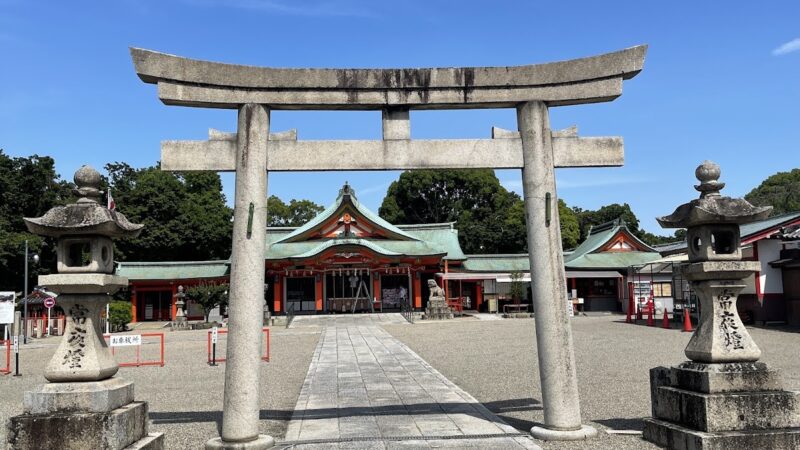
- Passing Through the Torii Gate: Bow before entering the shrine grounds.
- Purifying at the Water Basin: Purify your left hand, right hand, and mouth in that order, washing your left hand last.
- Walking Along the Path: The center is the path for the gods, so walk along the sides.
- Praying at the Main Hall: Two bows, two claps, and one bow are the basic rituals.
- Receiving Ema (votive tablets) and Amulets: As needed.
Visiting During Exam Season
During exam season, many students and their families visit to pray for success. To avoid crowds, early morning or weekday visits are recommended. Write the name of your desired school and your wish on an ema and dedicate it.
Goshuin (Shrine Seals) and Amulets
Many Tenman shrines offer goshuin (shrine seals). A wide variety of academic-related items are available, such as amulets for academic success and pencils for passing exams.
Visiting During Exam Season
During exam season, many students and their families visit to pray for success. To avoid crowds, early morning or weekday visits are recommended. Write the name of your desired school and your wish on an ema and dedicate it.
Goshuin and Amulets
Many Tenman shrines offer goshuin. A wide variety of academic-related items are available, such as amulets for academic achievement and pencils for passing exams.
Annual Events and Festivals at Tenman Shrines
Tenman shrines hold various festivals and events throughout the year.
Annual Festival (July 25th)
Many Tenman shrines hold their annual festival on July 25th, close to the anniversary of Sugawara no Michizane’s death. The Tenjin Festival at Osaka Tenmangu Shrine is a prime example, famous for its boat procession and fireworks display.
First Tenjin Festival (January 25th)
The first festival of the new year, bustling with worshippers praying for success in exams.
Plum Blossom Festival (February 25th)
This festival is held during the plum blossom season, in honor of Michizane’s love for plums. The Plum Blossom Festival at Kitano Tenmangu Shrine includes an outdoor tea ceremony.
Autumn Festivals
Tenman shrines throughout the region hold harvest thanksgiving festivals in the autumn. Shinto rituals such as lion dances and portable shrine processions are performed.
Architecture and Grounds of Tenman Shrine
The shrine buildings and grounds of Tenman Shrine exhibit characteristics of traditional shrine architecture.
Main Hall and Worship Hall
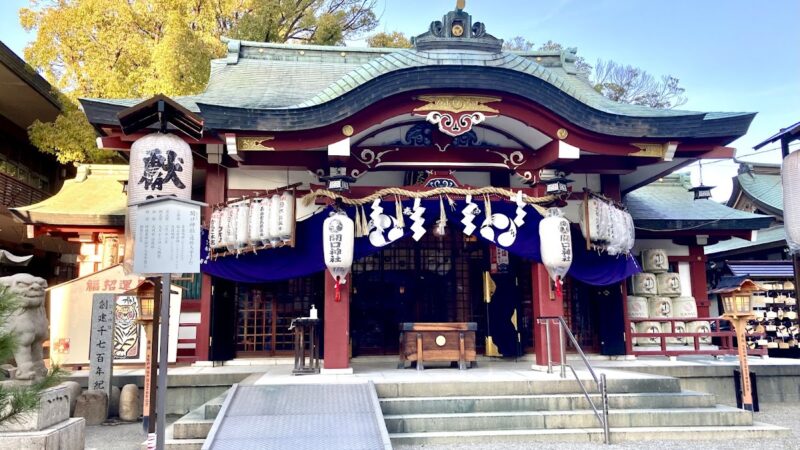
The main hall is the most sacred place where the deity resides, and the worship hall is where worshippers pay their respects. Many Tenman shrines employ traditional architectural styles such as Gongen-zukuri and Nagare-zukuri.
Facilities on the Shrine Grounds
- Kagura Hall: Where Kagura and Bugaku (traditional dance and music) are performed
- Shrine Office: Where Goshuin (shrine stamps) and amulets are given out
- Water Basin: Where worshippers purify themselves before praying
- Ema Hanging: Where ema (votive tablets) with wishes written on them are offered
- Stone Lanterns: Illuminating the approach to the shrine and the shrine grounds
Sacred Trees and Plum Trees
Many Tenman shrines have plum trees planted. This name originates from the fact that Sugawara no Michizane loved plum blossoms and composed the famous waka poem, “When the east wind blows, send forth your fragrance, plum blossoms; do not forget spring, even though your master is gone.”
Treasures and Cultural Properties of Tenman Shrine
The historic Tenman Shrine houses valuable cultural properties and treasures.
National Treasures and Important Cultural Properties
Numerous buildings of high architectural value exist, such as the main hall and worship hall of Kitano Tenmangu Shrine (National Treasure) and the main hall of Dazaifu Tenmangu Shrine (Important Cultural Property).
Ancient Documents and Calligraphy
Calligraphy by Sugawara no Michizane, successive ridgepole inscriptions, and ancient documents are preserved. These are important materials for understanding the history of the shrine.
Fine Arts and Crafts
Various arts and crafts donated to the shrine, including paintings, sculptures, swords, and ceramics, are housed here.
Access to Tenman Shrines and Surrounding Information
This section introduces how to access major Tenman shrines.
Osaka Tenmangu Shrine
- Train: Immediately after alighting at Minamimorimachi Station on the Osaka Metro Tanimachi Line and Sakaisuji Line, or Osaka Tenmangu Station on the JR Tozai Line.
- Address: 2-1-8 Tenjinbashi, Kita-ku, Osaka City, Osaka Prefecture
- Surroundings: Tenjinbashisuji Shopping Street, Osaka Museum of Housing and Living
Kitano Tenmangu Shrine
- Bus: Immediately after alighting at Kitano Tenmangu-mae bus stop on the Kyoto City Bus.
- Address: Bakurocho, Kamigyo-ku, Kyoto City, Kyoto Prefecture
- Surroundings: Kinkaku-ji Temple, Hirano Shrine, Kamishichiken
Dazaifu Tenmangu Shrine
- Train: 5-minute walk from Dazaifu Station on the Nishitetsu Dazaifu Line
- Address: 4-7-1 Saifu, Dazaifu City, Fukuoka Prefecture
- Surroundings: Kyushu National Museum, Kamado Shrine, Kanzeon-ji Temple
Shinto Wedding Ceremony and Photo Wedding
In recent years, Shinto wedding ceremonies and photo weddings at Tenman Shrine have become increasingly popular.
Shinto Wedding Ceremony at Osaka Tenmangu Shrine
At Osaka Tenmangu Shrine, you can hold a traditional Shinto wedding ceremony. The ceremony in the historic shrine buildings offers a solemn and dignified atmosphere. The wedding-specific website provides detailed information on ceremony and photography plans.
Photo Wedding Plans
Photography within the shrine grounds is ideal for pre-wedding or post-wedding shoots in traditional Japanese attire. During the plum blossom season and autumn foliage season, you can capture beautiful photos against a backdrop of nature.
Tips for Visiting Tenman Shrine
Here are some points to keep in mind when visiting Tenman Shrine.
Best Time to Visit
- Plum Blossom Season (February-March): The plum blossoms in the shrine grounds are beautiful.
- Before Exams (December-February): Ideal for praying for success in exams.
- Tenjin Festival (July): Experience the lively atmosphere of the festival.
- Autumn Leaves Season (November): Enjoy the autumn scenery.
Dress Code and Manners
Shrines are sacred places. Avoid overly revealing clothing and wear clean attire when visiting. Photography is only permitted in designated areas, and consideration should be given to avoiding disturbing other visitors.
Prayers and Exorcisms
If you wish to perform a formal prayer, you can contact the shrine office in advance to request a prayer. Prayers can be offered according to your purpose, such as academic success, passing exams, and protection from evil.
Tenman Shrine and the Local Community
Tenman Shrine is not merely a tourist destination; it plays an important role as the center of the local community.
Role as a Local Deity
Many Tenman Shrines serve as the local guardian deities, attracting the faith of residents. They are places where important life events such as first shrine visits, Shichi-Go-San (a traditional rite of passage for children), and exorcisms are performed.
Center of Local Events
Festivals and religious ceremonies are important opportunities to unite local communities. Many Tenman Shrine festivals, like the Shinjo Festival, have become major local events.
Preservation of Cultural Properties
Tenman Shrines also play a role in preserving historical buildings and cultural properties and passing them on to future generations.
Summary: The Charm and Value of Tenman Shrines
Tenman Shrines are important religious institutions in Japan that have supported scholarship, culture, and local communities through the devotion to Sugawara no Michizane. With over 12,000 Tenmangu and Tenjin shrines nationwide, each has cultivated its own unique history and traditions in its respective region.
Tenman shrines throughout Japan, such as the Tenjin Festival at Osaka Tenmangu Shrine, the Plum Blossom Festival at Kitano Tenmangu Shrine, and the legend of the flying plum tree at Dazaifu Tenmangu Shrine, each have their own fascinating stories and events. They continue to attract the faith of a wide range of people, including students praying for success in exams, artists seeking improvement in their literary skills, and residents praying for peace and security in their communities.
When visiting a Tenman shrine, understanding its historical background and cultural value will lead to a deeper experience. From the shrine buildings and sacred plum trees to the seasonal festivals, Tenman shrines embody the essence of traditional Japanese culture.
As deities of learning and guardians of their communities, Tenman shrines will continue to be cherished by many and support the spiritual culture of Japan.