Myoshoji Temple Complete Guide | History, Access, and Highlights of Myoshoji Temples Nationwide (Kawagoe, Atsugi, Oiso, etc.)
There are several temples named “Myoshoji” throughout Japan, each with its own unique history and characteristics. This article provides detailed information on Myoshoji temples in various locations, including Kawagoe City, Atsugi City, and Oiso Town, which attract many visitors, covering their historical background, access methods, highlights, and experiential programs.
What is Myoshoji Temple? | The Lineage of Nichiren Buddhist Temples
The name Myoshoji is commonly found among temples of the Nichiren Buddhist sect. The Nichiren sect was founded by Nichiren Shonin during the Kamakura period and considers the Lotus Sutra as its fundamental scripture. While each Myoshoji temple throughout Japan has a different history of founding, they continue to uphold local faith as centers for transmitting the teachings of the Nichiren sect.
Each Myoshoji temple, as a branch temple of the head temple Minobu-san Kuonji and the grand head temple Ikegami Honmonji, has been deeply connected to the local community through the danka (parishioner) system. Even today, in addition to traditional Buddhist ceremonies and cemetery management, they operate as temples open to a wide range of people through experiential programs such as sutra copying and incense making.
Myoshoji Temple in Kawagoe | Kyogashima Benzaiten and the Kawagoe Seven Lucky Gods
History and Origins
Located in Kawagoe City, Saitama Prefecture, Myoshoji Temple was founded in 1375 (Eiwa 1) as a branch temple of Ikegami Honmonji Temple in Tokyo. This temple, with its long history dating back to the Muromachi period, moved to its current location in 1742 (Kanpo 1), where it remains today.
Myoshoji Temple in Kawagoe is particularly known for enshrining Kyogashima Benzaiten, one of the Kawagoe Seven Lucky Gods. This Benzaiten (goddess of fortune and arts) is called “Kyogashima Benzaiten” because it was enshrined in a mound built during the Muromachi period using small stones on which the Lotus Sutra was inscribed. As the guardian deity of arts and learning, it attracts many worshippers.
Highlights of Kawagoe Myoshoji Temple
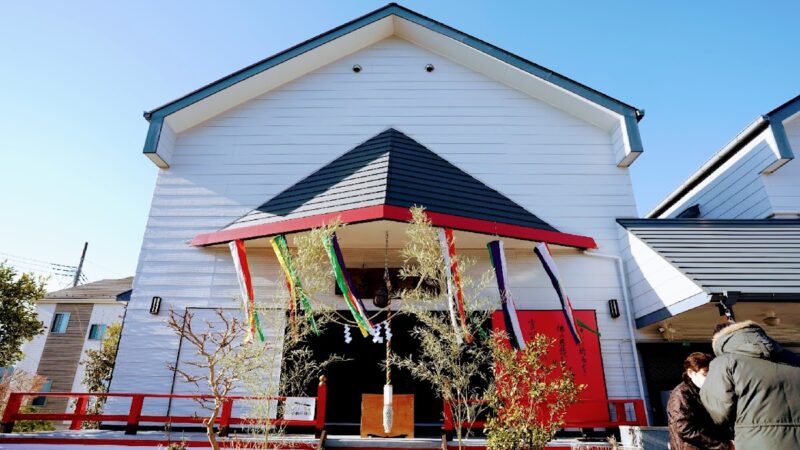
Kawagoe’s Myoshoji Temple also serves as a “guardian of the back gate of Kawagoe,” and its grounds include a magnificent main hall and other buildings dedicated to Benzaiten. The temple grounds are well-maintained compared to typical temples, allowing visitors to enjoy the beauty of each season.
Notably, as a temple dedicated to the arts, it offers various experiential programs. Opportunities to experience traditional Japanese culture, such as sutra copying and incense making, are available, making it popular with both tourists and locals.
Annual Events at Kawagoe Myoshoji Temple
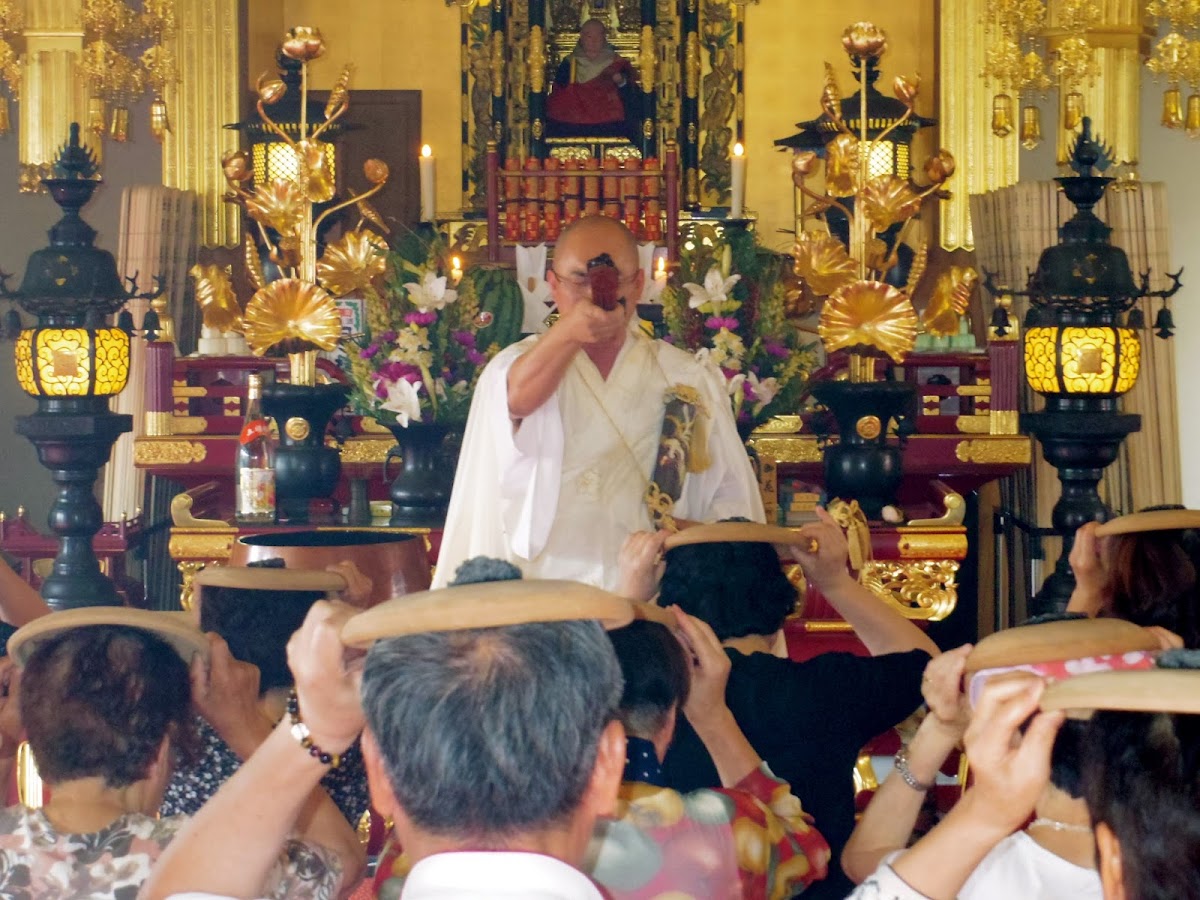
Kawagoe’s Myoshoji Temple holds various events throughout the year. In addition to memorial services during Obon and Higan, the temple is particularly famous for its “Horoku-kyu” moxibustion, a quintessential summer ritual. Horoku-kyu is a traditional folk remedy where moxibustion is applied to a clay plate placed on the head, and is believed to relieve heatstroke and headaches.
Access Information
Myoshoji Temple in Kawagoe is within walking distance of Hon-Kawagoe Station on the Seibu Shinjuku Line or Kawagoe Station on the JR Kawagoe Line and Tobu Tojo Line. It’s easily accessible from the Kawagoe tourist area, and many visitors come as part of a pilgrimage to the Kawagoe Seven Lucky Gods.
Address: 29-1 Sanko-cho, Kawagoe City, Saitama Prefecture
Sect: Nichiren Buddhism
Head Temple: Ikegami Honmonji Temple (Branch Temple)
Myoshoji Temple in Atsugi | History of Choaizan Myoshoji Temple
Founding and History
Choaizan Myoshoji Temple, located in Atsugi City, Kanagawa Prefecture, is a Nichiren Buddhist temple that reveres Nichiren Daishonin as its founder. It is known as a historically significant temple, founded in 1500 (Meio 9) by Gyogakuin Nichicho Shonin, the 11th head priest of the head temple, Minobu-san Kuonji Temple.
Nichicho Shonin is a highly respected priest, also known as the restorer of Minobu-san, and is known for founding and restoring many temples. Myoshoji Temple in Atsugi is one of them, and has functioned as a center of local faith for over 500 years.
Characteristics of Myoshoji Temple in Atsugi
Myoshoji Temple in Atsugi is characterized by its openness to all, regardless of religious affiliation or sect, while still being based on the traditional danka (parishioner) system. It proposes a natural and unforced style of memorial service that suits modern lifestyles, accommodating people with diverse values.
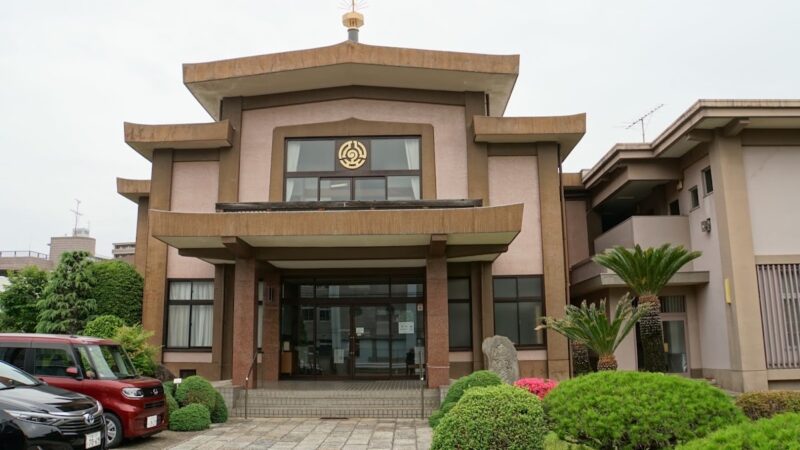
The temple grounds are located in a quiet residential area of Atsugi City, offering a peaceful atmosphere for worship. The main hall maintains its traditional architectural style while being properly maintained, presenting a magnificent appearance.
Access Information
Address: Atsugi City, Kanagawa Prefecture
Sect: Nichiren Buddhism
Founding: Meio 9 (1500)
Founding Priest: Gyogakuin Nichicho Shonin
Myoshoji Temple in Oiso | Shonan Temple Cemetery
Location and Features
Located in Higashi-Oiso, Oiso-machi, Naka-gun, Kanagawa Prefecture, Myoshoji Temple is a Nichiren Buddhist temple that also operates a cemetery and memorial park. Located within walking distance of JR Tokaido Line’s Oiso Station, its excellent accessibility via public transportation is a major advantage.
Oiso is known as a historic town in the Shonan area, boasting a mild climate and proximity to the sea. Myoshoji Temple, a temple cemetery where many people rest in this region, offers burial plots based on the obligation of temple membership.
Facility Information
Myoshoji Temple in Oiso is equipped with facilities for memorial services and receptions, and is equipped to handle everything from funerals to memorial services. Parking is also available, making it convenient for visitors arriving by private car. Emphasizing its function as a temple cemetery, it also offers consultations regarding perpetual memorial graves.
Access Information
Address: 137 Higashi-Oiso, Oiso-machi, Naka-gun, Kanagawa Prefecture
Sect: Nichiren Buddhism
Nearest Station: Within walking distance of Oiso Station on the JR Tokaido Main Line
Parking: Available
Myoshoji Temple in Kobe/Higashimatsuyama | A Place Associated with Nichiren Shonin
Myoshoji Temple in Kobe (Hyogo Prefecture)
Located in Hyogo Prefecture, Myoshoji Temple is a historic temple with a tradition that Nichiren Shonin stopped by on his way to exile on Sado Island. Founded in 1281 (Koan 4), it is one of the precious temples with a direct connection to Nichiren Shonin.
With the concept of “community of life,” it actively explores the role of temples in modern society. Belonging to the Nichiren sect of the head temple Minobu-san, it is revered by many as a spiritual haven, regardless of sect or denomination.
Myoshoji Temple in Kambe, Higashimatsuyama City (Saitama Prefecture)
Myoshoji Temple, located in Kambe, Higashimatsuyama City, Saitama Prefecture, is said to have been founded in 1281 (Koan 4) by Fujiwara Toshiyuki, the lord of Aotori Castle, and established by Nichisen Shonin, following Nichiren Shonin’s overnight stay at Aotori Castle during his exile to Sado Island.
This temple houses a “stone stupa” designated as a Saitama Prefecture cultural property, also known as the “Nichiren Shonin Memorial Stone Stupa.” As a valuable cultural asset that conveys the stone art of the Kamakura period, it is important from the perspective of historical research.
Other Myoshoji Temples
Myoshoji Temple in Chiba Prefecture (Eichozan Myoshoji Temple)
Eichozan Myoshoji Temple, located in Chiba Prefecture, was founded in 1392 (Meitoku 2) during the Kamakura period by Myoshoin Nichikyo Shonin, a disciple of Nichiyo Shonin, the 4th head priest of the head temple Tanjoji. Due to land subsidence in the late Edo period, many historical records and documents were lost, but the red gate, the “Nio-mon” (guardian gate), remains, conveying a glimpse of its former glory.
Myoshoji Temple, Amagasaki City, Hyogo Prefecture
Located along the Mukogawa River, Myoshoji Temple in Amagasaki City is also a temple belonging to the Nichiren sect, with its head temple being Mount Minobu. It operates as an open temple, not bound by sect or denomination, and proposes modern styles of memorial services.
Myoshoji Temple, Toyota City, Aichi Prefecture
In Toyota City, Aichi Prefecture, there is a Soto Zen temple called Myoshoji, known for its connection to the Matsudaira family. This is an example showing that the name “Myoshoji” exists in sects other than Nichiren Buddhism.
Experience Programs at Myoshoji Temple
Sutra Copying Experience
Several Myoshoji temples, including the one in Kawagoe, offer sutra copying experiences. By carefully copying a passage from the Lotus Sutra, you can calm your mind and connect with the teachings of Buddhism. Instruction is provided to make it easy for beginners to participate.
Copying sutras is believed to have a calming effect on the mind, and it is a popular program for those seeking peace of mind in today’s stressful society. The session takes about 1-2 hours, and advance reservations are recommended.
Incense Making Experience
At Myoshoji Temple in Kawagoe, a traditional incense making experience is also offered. You can create your own original incense by blending natural fragrances, providing a valuable opportunity to experience Japanese incense culture.
Horoku Moxibustion
Known as a summer tradition, “Horoku moxibustion” is a particularly famous event at Myoshoji Temple in Kawagoe. A clay plate (horoku) is placed on the head, and moxibustion is applied to it, praying for relief from the summer heat and improvement of headaches and dizziness. This form of folk belief has continued since the Edo period, and it attracts many participants every year.
Manners and Precautions for Visiting Myoshoji Temple
Basic Manners for Visiting
When visiting Myoshoji Temple, please observe the following basic manners:
- Attire: Modest, understated clothing is preferred.
- Photography: Photography is often permitted on the temple grounds, but prior confirmation is necessary for photographing the interior of the main hall or Buddha statues.
- Quietness: Please behave quietly on the temple grounds and be considerate of other visitors.
- Offerings: When praying at the main hall or Benzaiten hall, please offer an appropriate amount.
- Goshuin (Temple Stamp): If you wish to receive a Goshuin, please bring your Goshuincho (stamp book) and request it politely.
Visits by Non-Parishioners
While many Myoshoji temples operate on a parishioner system, general visitors are also welcome. Temples that are part of the Seven Lucky Gods pilgrimage, such as Myoshoji Temple in Kawagoe, or those possessing cultural properties, are particularly open to the public.
However, it is recommended to refrain from visiting during memorial services or special events, or to check in advance.
Myoshoji Temple and the Local Community
The Danka System and Modern Temple Management
Many Nichiren Buddhist temples, including Myoshoji Temple, have been deeply connected to their local communities through the Danka system. A Danka is a system where a person belongs to a specific temple and provides financial support in exchange for having Buddhist services such as funerals and memorial services performed.
In modern times, while maintaining this traditional Danka system, there is a movement towards more open temple management. Accepting memorial services regardless of sect or denomination, and offering experiential programs are concrete examples of this.
Protection and Public Access to Cultural Properties
Temples possessing valuable cultural properties, such as the stone stupas held by Myoshoji Temple in Higashimatsuyama City, are managed while balancing their protection and public access. They play an important role in conveying the history of the region, and their educational value is highly regarded.
About Myoshoji Temple’s Cemetery and Perpetual Memorial Services
Characteristics of Temple Cemeteries
The cemeteries offered by Myoshoji Temple have the following characteristics as temple cemeteries:
- Parishioner Obligation: In most cases, becoming a parishioner is a condition for using a cemetery plot.
- Perpetual Memorial Services: Even if there are no successors, the temple will continue to provide memorial services responsibly.
- Memorial Service Facilities: Many temples have facilities for memorial services and meals.
- Access: Some temples, like Myoshoji Temple in Oiso, are located close to train stations.
Consultation Regarding Cemeteries and Perpetual Memorial Services
If you are considering purchasing a cemetery plot or perpetual memorial services, we recommend contacting each Myoshoji Temple directly. Since costs, conditions, and the content of memorial services vary from temple to temple, it is important to compare and consider multiple options.
In recent years, in addition to traditional family graves, a variety of memorial service methods are being offered, such as individual graves, couple graves, and tree burials.
Kawagoe Seven Lucky Gods Pilgrimage and Myoshoji Temple
What are the Kawagoe Seven Lucky Gods?
The Kawagoe Seven Lucky Gods pilgrimage is a religious event involving visiting seven temples and shrines in Kawagoe City, known as “Little Edo.” The Seven Lucky Gods refer to seven deities (Ebisu, Daikokuten, Bishamonten, Benzaiten, Fukurokuju, Jurojin, and Hotei) believed to bring good fortune and prosperity. Visiting the temples and shrines dedicated to these deities is a way to pray for good luck and prosperity.
Myoshoji Temple, as a temple dedicated to Benzaiten, is an important base for the Kawagoe Seven Lucky Gods pilgrimage.
Benefits of Benzaiten
The Kyōgashima Benzaiten at Myoshoji Temple is worshipped as the goddess of art, learning, and wealth. The following blessings are particularly believed to be associated with this temple:
- Improvement of artistic talent
- Academic success
- Business prosperity
- Increased financial luck
- Improvement of musical and eloquent speaking skills
Seven Lucky Gods Pilgrimage Course
The Kawagoe Seven Lucky Gods pilgrimage can be completed on foot or by bicycle in half a day to a full day. At each temple and shrine, including Myoshoji Temple, you can receive a Goshuin (temple/shrine stamp) on a special shikishi (decorative paper) or Goshuincho (stamp book), making it a memorable souvenir.
While the pilgrimage is especially crowded during the New Year period, it is possible to visit the temples and shrines throughout the year.
Myoshoji Temple Goshuin Information
What is a Goshuin?
A Goshuin is a stamp and calligraphy given as proof of visiting a temple or shrine. It includes the name of the temple, the principal deity, and the date of visit, and is becoming increasingly popular as a collection.
Goshuin (Temple Seal) at Myoshoji Temple
At Myoshoji Temple in Kawagoe, in addition to the regular goshuin, a special goshuin for the Kawagoe Seven Lucky Gods pilgrimage is also available. It features a Benzaiten (goddess of fortune) seal and the calligraphy “Kyogashima Benzaiten.”
When receiving a goshuin, please note the following:
- Always pray before receiving the goshuin.
- Bring your goshuincho (stamp book) (understand that this is a religious act, not a stamp rally).
- Prepare the offering (usually around 300-500 yen).
- Request politely.
- Wait quietly while the goshuin is being written.
Summary: The Charm and Value of Visiting Myoshoji Temple
Myoshoji Temples, scattered throughout Japan, each possess their own unique history and characteristics, while functioning as important centers for transmitting the teachings of Nichiren Buddhism. From Kawagoe’s Kyōgashima Benzaiten and Atsugi’s venerable history to Oiso’s easy accessibility and Kobe’s Higashimatsuyama’s legends associated with Nichiren Shonin, each temple offers a wealth of attractions worth visiting.
Visitors come for a variety of reasons, including sightseeing, visiting the Seven Lucky Gods, viewing cultural properties, participating in programs such as sutra copying, or consulting about cemeteries and perpetual memorial services. In all cases, it is important to respect the historical and cultural value of the temple and observe appropriate manners during your visit.
Myoshoji Temple, while preserving tradition, continues to offer peace of mind and cultural experiences to many people as a temple open to modern society. When you visit a Myoshoji Temple near you, please be sure to experience its history and charm.