Complete Guide to Jiunji Temple: History, Highlights, Access, and Visiting Information
Jiunji Temple is a historical temple name with several temples bearing the same name located throughout Japan. This article provides a detailed explanation of Jiunji Temple’s historical background, architectural style, cultural assets, seasonal highlights, access methods, and visiting information for those considering a visit or interested in its history.
What is Jiunji Temple?
The name Jiunji Temple means “cloud of compassion” in Buddhism, stemming from the teaching that the Buddha’s compassion spreads widely over all sentient beings like a cloud. There are several Jiunji Temples throughout Japan, each with its own unique history and characteristics.
Main Locations of Jiunji Temples
The main Jiunji temples scattered throughout Japan include the following:
- Jiunji Temple in Koshu City, Yamanashi Prefecture: A Rinzai Zen temple known for its weeping cherry tree over 300 years old.
- Jiunji Temple in Kyoto Prefecture: A temple known as a historical Zen temple.
- Jiunji Temple in Kanagawa Prefecture: A temple cherished as a center of local faith.
- Other Jiunji Temples: Temples actively operating as community-based temples.
This article will examine in detail the common elements of these Jiunji temples and the characteristics of particularly famous temples.
History of Jiunji Temples
Background of Founding
Many Jiunji temples were founded from the medieval to the early modern period. Temples belonging to various sects, such as Zen Buddhism and Jodo Buddhism, bear this name and have played important roles in their respective regions.
The temple’s name, “Jiun,” is a concept found in Buddhist scriptures such as the *Mahaparinirvana Sutra*, signifying that the Buddha’s compassion spreads like clouds, nourishing all living beings. By choosing this name, the founding monks hoped the temple would become a place that brings compassion and salvation to the local community.
Historical Transformations
Many Jionji temples in Japan have undergone the following historical transformations:
Medieval Period (Kamakura and Muromachi Periods)
- Founded with the patronage of powerful local samurai and feudal lords
- Developed alongside the spread of Zen Buddhist culture
- Functioned as a center of local culture and education
Early Modern Period (Edo Period)
- Established the danka system (parishioner system) through the development of the temple system
- Served as a terakoya (temple school) for education
- Became a center for local ceremonies such as weddings and funerals
Modern and Contemporary Periods
- Overcame the anti-Buddhist movement of the Meiji Restoration
- Reconstructed from war damage and natural disasters
- Re-evaluated as a hub for local communities in modern times
Jionji Temple in Koshu City, Yamanashi Prefecture (Famous for its Thread Cherry Tree)
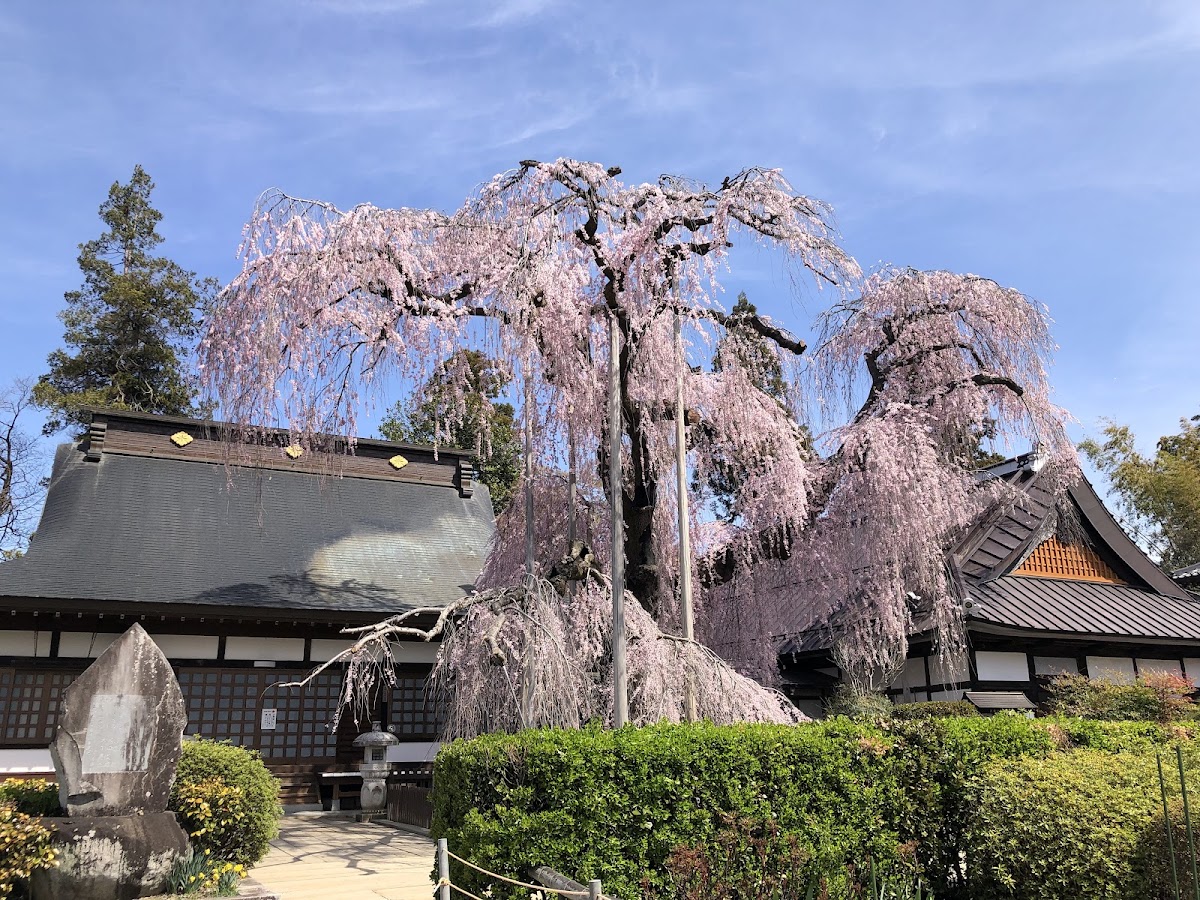
One particularly famous Jionji temple is Jionji Temple in Shioyama, Koshu City, Yamanashi Prefecture. This temple is nationally known for its “Itozakura” (thread cherry tree), which is over 300 years old.
Overview of Jiunji Temple, Koshu City
- Sect: Rinzai Zen Myoshinji School
- Founded: Nanboku-cho period (around the 14th century)
- Principal Image: Shakyamuni Buddha
- Features: A weeping cherry tree designated as a national natural monument
About the Weeping Cherry Tree
The weeping cherry tree at Jiunji Temple is a type of Edo Higan cherry tree, and is called “Itozakura” (thread cherry tree) because of its distinctive weeping branches.
Features of the Weeping Cherry Tree:
- Age: Estimated over 300 years
- Height: Approximately 13 meters
- Branch Spread: Approximately 17 meters east-west, approximately 12 meters north-south
- Flowering Season: Typically late March to early April
- Flower Color: Pale pink
During the flowering season, it creates a magnificent landscape resembling a pale pink waterfall, attracting many tourists and photography enthusiasts. It is also illuminated at night, allowing visitors to enjoy a magical atmosphere.
Highlights of the Temple Grounds
Main Hall
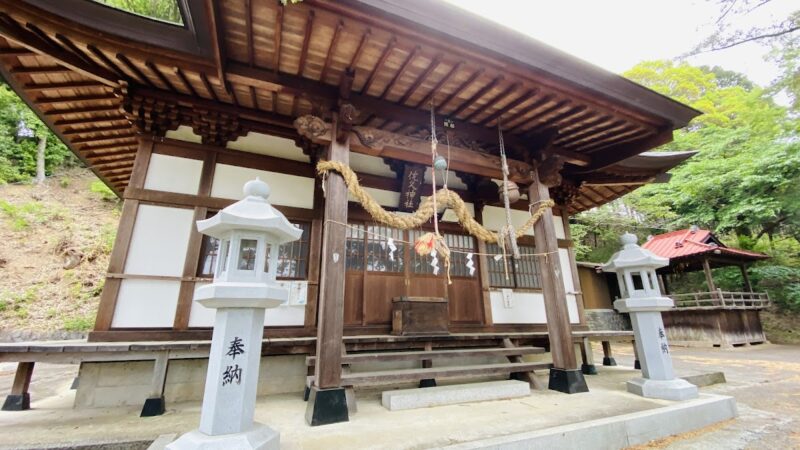
A traditional Zen Buddhist architectural style, offering a tranquil atmosphere for worship. It houses the principal image, a statue of Shakyamuni Buddha.
Garden
A Zen temple features a dry landscape garden, allowing visitors to enjoy the beauty of nature throughout the seasons. The autumn foliage is particularly beautiful.
Stone Buddha Statues
Stone Buddha statues dating back to the Edo period are scattered throughout the temple grounds, conveying a sense of historical significance.
Architectural Style and Cultural Assets of Jiunji Temple
Characteristics of Zen Buddhist Architecture
Many Jiunji temples, as Zen Buddhist temples, possess the following architectural characteristics:
Temple Layout
- A straight approach leading from the main gate to the main hall
- A layout based on symmetry
- Temple grounds design emphasizing harmony with nature
Architectural Style
- Architecture influenced by the Tang style (Zen style)
- Simple and functional structure
- Traditional wooden construction techniques
Cultural Assets in Possession
Jiunji temples in various locations may possess the following cultural assets:
- Buddhist Statues: Various Buddhist statues, including the principal image
- Ancient Documents: Valuable records conveying the history of the temple
- Calligraphy and Paintings: Calligraphy by successive chief priests and famous Zen monks
- Crafts: Metalwork such as Buddhist implements and temple bells
- Buildings: Historical buildings such as the main hall and main gate
Seasonal Highlights
Jiunji Temple offers different charms throughout the four seasons.
Spring (March-May)
Cherry Blossom Season
- The most spectacular time when cherry blossoms, including weeping cherry trees, are in full bloom.
- The entire temple grounds are bathed in a delicate pink hue.
- A season bustling with cherry blossom viewers.
Fresh Greenery
- A beautiful season of fresh greenery following the cherry blossoms.
- A time for worship in refreshing air.
Summer (June-August)
Green Maple Leaves
- Enjoy the coolness of the lush green temple grounds.
- Experience Zen meditation in a tranquil atmosphere.
Summer Festivals
- Local summer festivals and Obon events are sometimes held.
Autumn (September-November)
Autumn Leaves
- A beautiful season when the trees on the temple grounds turn red and yellow.
- A calm beauty in contrast to the cherry blossoms of spring.
Autumn Memorial Services
- Buddhist events such as the autumn equinox.
Winter (December-February)
Snowy Landscape
- The serene beauty of the temple grounds covered in snow.
- A landscape like an ink painting created by bare winter trees
New Year’s Eve Bell
- Some temples allow you to ring the New Year’s Eve bell on New Year’s Eve.
Access Methods (Example: Jiunji Temple, Koshu City, Yamanashi Prefecture)
Access by Public Transportation
By Train
- Get off at Shioyama Station on the JR Chuo Main Line
- Approximately 20 minutes on foot from the station, or approximately 5 minutes by taxi
- Temporary buses may operate during the cherry blossom season.
By Bus
- City buses and community buses are available from Shioyama Station (varies by route)
- Since the number of buses is limited, it is necessary to check the timetable in advance.
Access by Car
From Tokyo
- Approximately 15 minutes from Katsunuma IC on the Chuo Expressway
- Or approximately 20 minutes from Ichinomiya-Misaka IC
Parking Information
- Parking is available on the temple grounds (can be crowded during cherry blossom season)
- Temporary parking may be set up during the cherry blossom season.
- Early morning or weekday visits are recommended.
Visiting Information
Visiting Hours and Admission Fees
Regular Season
- Visiting Hours: 9:00 AM – 5:00 PM (Varies by temple)
- Admission Fee: Free to approximately 300 yen (Varies by temple)
Cherry Blossom Season (Jiunji Temple, Koshu City, Yamanashi Prefecture)
- Visiting Hours: 8:00 AM – approximately 6:00 PM (Until approximately 9:00 PM during the illumination period)
- Admission Fee: Approximately 300 yen (Maintenance cooperation fee)
- Illumination: After sunset to approximately 9:00 PM
Notes for Visitors
- Regarding Photography
- Photography is generally permitted within the temple grounds, but may be prohibited inside the main hall.
- Tripod use may be restricted during crowded times.
- Commercial photography requires prior permission.
- Manners
- Please worship quietly.
- Please take your trash with you. – Please refrain from touching plants and cultural artifacts.
- Smoking is permitted only in designated areas.
- Dress Code
- There are no specific dress code requirements, but please dress appropriately for a temple.
- As the temple grounds have gravel paths and stone steps, comfortable walking shoes are recommended.
Experiences and Events at Jiunji Temple
Zen Meditation Experience
Jiunji Temple, a Zen Buddhist temple, offers Zen meditation experiences.
Overview of Zen Meditation Experience
- Dates: Approximately 1-2 times per month (varies by temple)
- Time: Early morning or evening
- Participation Fee: Free to approximately 500 yen
- Reservation: Often requires advance reservation.
Beginner-friendly instruction is available, so even those new to Zen meditation can participate with confidence.
Sutra Copying and Buddha Image Copying Experience
Sutra copying and Buddha image copying experiences, which calm the mind and allow you to connect with Buddhist teachings, are also popular.
Experience Details
- Copying the Heart Sutra
- Copying Buddhist Statues
- Duration: 1-2 hours
- Participation Fee: Approximately 1,000-2,000 yen
Annual Events
Main Annual Events
- New Year’s Day: First Shrine Visit of the Year, Shusho-e Ceremony
- Spring Equinox & Autumn Equinox: Spring and Autumn Equinox Ceremonies
- April 8th: Hana Matsuri (Buddha’s Birthday Celebration)
- August: Obon Festival
- December 31st: New Year’s Eve Bell Ringing
Many of these events are open to general visitors and offer a great opportunity to experience traditional Japanese culture.
Nearby Tourist Spots (Example: Koshu City, Yamanashi Prefecture)
When visiting Jiunji Temple, you can also enjoy nearby tourist spots.
Erinji Temple
A famous Rinzai Zen temple known as the family temple of Takeda Shingen. This temple is associated with the renowned Zen master Kaikawa Kokushi, famous for the saying, “If you extinguish all thoughts in your mind, even fire will feel cool.”
Daizenji Temple
An ancient temple possessing a national treasure, the Yakushido Hall. Also known as the “Grape Temple,” it is associated with a legend about the origin of grapes.
Koshu City Katsunuma Grape Hill
A facility where you can enjoy wine and hot springs. It also boasts a spectacular view of the Kofu Basin.
Fruit Picking
Fruit cultivation is thriving in and around Koshu City, and you can enjoy fruit picking of peaches, grapes, persimmons, and other fruits depending on the season.
Best Season to Visit Jiunji Temple
Cherry Blossom Season (Late March to Early April)
Advantages
- Enjoy the beauty of fully bloomed weeping cherry blossoms
- Enjoy the magical night cherry blossoms illuminated by lights
- The best season to feel the arrival of spring
Disadvantages
- It gets crowded with many tourists
- Securing parking is difficult
- Blooming conditions vary from year to year
Recommended Visiting Time
- Early morning (7:00-8:00): Fewer people, allowing for quiet appreciation
- Evening to night (during illumination hours): A magical atmosphere
Autumn Foliage Season (Mid-to-Late November)
Advantages
- Not as crowded as cherry blossom season
- Enjoy the tranquil atmosphere of autumn
- You can also enjoy fruit picking at nearby orchards
Fresh Green/Green Maple Season (May-June)
Advantages
- Fewer tourists, allowing for quiet worship
- The refreshing beauty of greenery
- Pleasant and comfortable climate
Connections to Historical Figures at Jiunji Temple
Founder and Successive Chief Priests
Each Jiunji Temple has a founder and chief priests who played important roles in its history. The footsteps of these high-ranking monks, who dedicated themselves to Zen training and spread Buddhist teachings throughout the local community, are etched into the temple’s history.
Relationships with Local Warlords and Lords
Many Jiunji Temples developed through the patronage of local warlords and lords. Especially from the Sengoku period to the Edo period, they played a crucial role as a spiritual pillar for the samurai class.
Preservation and Future Initiatives of Jiunji Temple
Cultural Property Preservation Activities
To pass on historical buildings and cultural properties to future generations, each Jiunji temple engages in the following preservation activities:
- Regular repair and maintenance of buildings
- Digitalization and preservation of historical documents
- Research and investigation of cultural properties by experts
- Development of disaster prevention equipment
Collaboration with Local Communities
Modern temples are not merely religious facilities; they also play a role as hubs for local communities:
- Holding local events
- Buddhist culture experience classes for children
- Salon activities for the elderly
- Activities to preserve local history and culture
Balancing Tourism and Faith
Jiunji Temple, particularly known for its cherry blossoms, faces the challenge of balancing its role as a tourist destination with its original function as a place of worship. Efforts are continuously being made to maintain the tranquil atmosphere of a temple while accommodating many visitors and tourists.
Etiquette and Manners for Visiting a Temple
Basic Etiquette for Visiting a Temple
Bow at the Temple Gate
- Bow before entering the temple grounds.
- Avoid stepping on the threshold of the temple gate.
Purification at the Water Basin
- Take the ladle with your right hand and purify your left hand.
- Switch the ladle to your left hand and purify your right hand.
- Switch the ladle back to your right hand, receive water in your left hand, and rinse your mouth.
- Finally, stand the ladle upright and purify the handle.
Worship at the Main Hall
- Quietly place your offering in the offering box.
- If there is a bell, ring it.
- Join your hands in prayer and pray sincerely (do not clap in Buddhist temples).
- Bow and leave.
Manners for Photography
- Photography inside the main hall and of Buddha statues is often prohibited, so check beforehand.
- Be considerate of other visitors and avoid disturbing them.
- Please refrain from using tripods during crowded times.
- Please refrain from using flash photography to protect cultural properties.
Inquiries about Jiunji Temple
Before visiting, we recommend checking the following information:
- Latest information on visiting hours and admission fees
- Cherry blossom blooming status (spring)
- Schedule of special viewings and events
- Access methods and parking status
- Reservations for experience programs such as Zen meditation and sutra copying
You can check the latest information on the official website of each Jiunji Temple or the website of the local tourism association. Telephone inquiries are also possible, but it is considered good manners to avoid calling early in the morning or during religious services.
Summary
Jiunji Temple, as its name suggests, is a temple that embraces people widely like a “cloud of compassion.” In particular, Jiunji Temple in Koshu City, Yamanashi Prefecture, is one of Japan’s leading cherry blossom viewing spots, where a natural treasure—a weeping cherry tree over 300 years old—and the history of a Zen Buddhist temple are fused together.
Jiunji Temple, with its ever-changing scenery throughout the seasons—cherry blossoms in spring, lush greenery in summer, vibrant autumn leaves, and the tranquility of winter—is a place where you can discover something new with every visit. Furthermore, you can experience traditional Japanese culture and Buddhist teachings through activities such as Zen meditation and sutra copying.
Beyond a tourist attraction, Jiunji Temple continues to play an important role in modern society as a place to seek inner peace. We encourage you to visit and experience its history and beauty firsthand.
When visiting, respecting the temple’s original role and observing proper etiquette will enhance your experience. We hope your time at Jiunji Temple will be a memorable and wonderful experience.