Complete Guide to Ryōgonji Temple | History, Highlights, and Access Information for Famous Temples Nationwide
Ryōgonji is the name of several Buddhist temples located throughout Japan. The name “Ryōgon” originates from the Sanskrit word “Śūraṅgama,” a transliteration of “Shurangama,” and is named after the Buddhist scripture, the *Shurangama Sutra*. This article provides detailed information on the history, highlights, and access information for particularly famous Ryōgonji temples throughout Japan.
Origin and Meaning of the Name Ryōgonji
The word “Ryōgon” comes from the *Shurangama Sutra*, one of the important scriptures of Mahayana Buddhism. This scripture contains profound teachings on the path to enlightenment and has been particularly valued in Zen Buddhism. Therefore, the name Ryōgonji is frequently found in Zen Buddhist temples, such as those of the Sōtō and Rinzai schools.
Because temples with the same name exist throughout Japan, each Ryōgonji possesses unique characteristics deeply intertwined with the history and culture of its region. Below, we introduce some of the major Ryōgonji temples by region.
Ryōgonji Temple (Crow Temple) in Ayabe City, Kyoto Prefecture
History and Origin
Ryōgonji Temple in Ayabe City, Kyoto Prefecture, is an ancient temple affectionately known as “Crow Temple.” It is said to have been founded in 732 AD (Tenpyō 4) by the monk Hayashi Shōnin, boasting a history of over 1200 years.
Reason for the Crow Temple Name
This temple came to be called “Crow Temple” because of the magnificent fusuma (sliding door) paintings depicting crows in each of the four seasons located within its grounds. These paintings artistically depict the appearance of crows in each of the four seasons, captivating visitors. Crows are sometimes considered symbols of wisdom in Buddhism, and this sliding screen painting holds deep religious meaning.
Three Ancient Trees on the Temple Grounds
Particularly famous at Ryogonji Temple in Ayabe are the “Three Ancient Trees” on its grounds. These three ancient trees—a Bodhi tree, a crape myrtle, and a camellia—are symbols of this temple with its long history.
The Bodhi tree holds special significance in Buddhism as the tree under which Shakyamuni Buddha attained enlightenment. In early summer, it blooms with pale yellow flowers, filling the temple grounds with a sweet fragrance.
The crape myrtle gets its name from its beautiful crimson flowers that bloom for a long period from summer to autumn. It vividly colors the temple grounds from mid-July to early September.
The camellia blooms from winter to spring, and its beauty even in harsh seasons has led to its association with the samurai spirit.
Kansai’s Twenty-Five Flower Temples
Ryōgonji Temple in Ayabe is designated as the second temple on the “Kansai’s Twenty-Five Flower Temples” pilgrimage route. Many tourists visit the temple, enjoying the flowers of each season. In particular, the temple grounds, which display different appearances throughout the year—from the linden trees in spring, to the lotus and crape myrtle in summer, to the autumn leaves, and the camellias in winter—are a must-see spot for flower lovers.
Access Information (Ayabe)
- Location: Ayabe City, Kyoto Prefecture
- Access by Train: Accessible by bus or on foot from JR Ayabe Station
- Bus: Take a local bus from Ayabe Station
- Parking: Visitor parking available on the temple grounds
- Visiting Hours: Daytime (Advance confirmation is recommended)
Ryogonji Temple, Kariya City, Aichi Prefecture
The Mizuno Family’s Family Temple
Ryogonji Temple, located in Kariya City, Aichi Prefecture, is a Soto Zen temple said to have been founded in 1413 by Abbot Rizan, the grandson of the 7th abbot of Eiheiji Temple. This temple played an important role as the family temple of the Mizuno family, who built Kariya Castle.
Temple Associated with Odai-no-kata
Ryōgonji Temple in Kariya is known for its deep connection to Odai-no-kata, the birth mother of Tokugawa Ieyasu. After divorcing her husband, the Matsudaira family, Odai-no-kata returned to Kariya from her birthplace in Okazaki and is said to have frequently visited Ryōgonji Temple.
Odai-no-kata was born the daughter of Mizuno Tadamasa and later married Matsudaira Hirotada, giving birth to Ieyasu. However, she was divorced for political reasons. She later remarried Hisamatsu Toshikatsu, and during her time in Kariya, Ryōgonji Temple became her spiritual refuge.
Historical Value
Ryōgonji Temple in Kariya is an important temple that tells the history of the Mikawa region from the Sengoku period to the Edo period. The temple grounds contain historical sites and cultural artifacts related to the Mizuno family and Odai-no-kata, making it an interesting spot for history enthusiasts.
Access Information (Kariya)
- Location: Kariya City, Aichi Prefecture
- Access by Train: Walking distance or bus ride from JR Kariya Station or Meitetsu Kariya Station
- Inquiries: Kariya City Tourism Association or Kariya City Hall Culture and Tourism Division
- Related Facilities: Kariya Castle Ruins, Odai Park, etc.
Ryogonji Temple, Joetsu City, Niigata Prefecture
Temple Associated with Uesugi Kenshin
Ryogonji Temple, located in Joetsu City, Niigata Prefecture, is a Soto Zen temple established in 1534 (Tenbun 3), and its mountain name is Daibutsu-san. This temple has deep ties to Uesugi Kenshin, a famous general of the Sengoku period.
Kakizaki Kageie and Zen Master Tenshitsu Koiku
The founder of Ryogonji Temple was Kakizaki Izumi-no-kami Kageie, a senior retainer of Uesugi Kenshin. Kakizaki Kageie invited Tenshitsu Kōiku Zenji, Kenshin’s teacher, to restore the original esoteric Buddhist temple, Tōzenji, and renamed it Ryōgonji Temple of the Sōtō Zen sect.
Tenshitsu Kōiku Zenji is known as a high-ranking monk who imparted Zen teachings to Kenshin and is believed to have greatly influenced Kenshin’s spiritual development. Ryōgonji Temple is an important historical site demonstrating the connection between Kenshin and Zen.
Over 480 Years of History
Since its founding, Ryōgonji Temple has maintained its Buddhist traditions for 38 generations, marking a history of over 480 years. Through its relationships with the Uesugi and Kakizaki clans, it has played a central role in the history and culture of Echigo (Niigata).
Access Information (Joetsu)
- Location: Joetsu City, Niigata Prefecture
- Access by Train: Accessible from Joetsu-Myoko Station on the JR Shin’etsu Main Line or Hokuriku Shinkansen
- Tourist Information: Detailed information can be found on Joetsu Tourism Navi
- Nearby Attractions: Historical sites associated with Uesugi Kenshin, such as Kasugayama Castle Ruins and Rinsenji Temple
Ryogonji Temple, Iwaki City, Fukushima Prefecture
Shikinzan Ryogonji Temple
Ryogonji Temple, located in Yamada-machi, Iwaki City, Fukushima Prefecture, is a Soto Zen Buddhist temple with the mountain name Shikinzan. It is close to Ueda-machi and Tono-machi, and located right next to Iwaki Minamidai.
Famous for Weeping Cherry Blossoms
Ryogonji Temple in Iwaki is known for its weeping cherry blossoms in spring. The temple grounds are home to over a dozen weeping cherry trees, and the sight of them all blooming simultaneously from mid-April to late April is truly breathtaking. During cherry blossom season, locals and tourists alike visit the temple, creating a vibrant and festive atmosphere.
Providing Opportunities to Experience Buddhism
At Shikinzan Ryogonji Temple, we conduct various activities to provide many people with opportunities to experience Buddhism. Through Zen meditation sessions and Dharma talks, we offer support to those seeking inner peace, which is often lost in modern society.
Access Information (Iwaki)
- Location: Yamada-machi, Iwaki City, Fukushima Prefecture
- Access by Train: Approximately 10 minutes by car from Ueda Station on the JR Joban Line
- Official Website: Detailed information can be found on the Ryogonji Temple official website
- Best Time to Visit: Weeping cherry blossoms are in mid-to-late April
Ryogonji Temple, Shunan City, Yamaguchi Prefecture
Golden Buddha of the Heian Period
Ryogonji Temple, located in Shunan City, Yamaguchi Prefecture, is a Soto Zen temple known for housing a golden Buddha from the Heian period. This golden Buddha is designated as an Important Cultural Property and is preserved as a valuable legacy of Heian period Buddhist art.
Teachings of Zen Master Dogen and Zen Master Keizan
The Soto Zen sect was introduced to Japan from China by Zen Master Dogen during the Kamakura period and spread throughout the country by Zen Master Keizan. Ryogonji Temple in Shunan is one of the temples that continues to uphold the teachings of the Soto Zen sect. The principal image is Shakyamuni Buddha, and the temple carries on the teachings of Shakyamuni Buddha to the present day.
Perpetual Memorial Services and Cemeteries
Ryōgonji Temple in Shūnan also provides perpetual memorial services and manages its cemeteries, playing an important role as a place of worship for the local people.
Other Ryōgonji Temples
Ryōgonji Temple in Kasama City, Ibaraki Prefecture
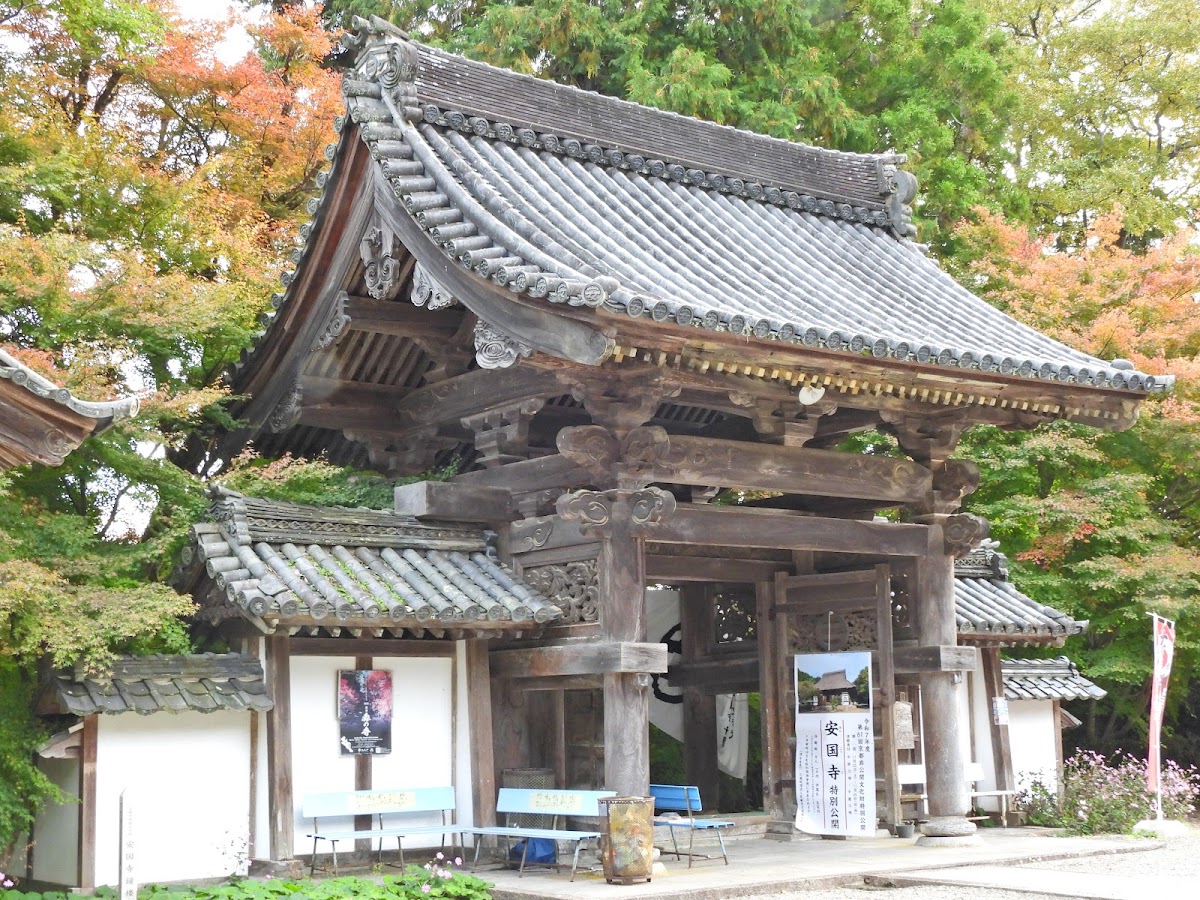
In Kasama City, Ibaraki Prefecture, there is Ryōgonji Temple of the Myoshinji branch of the Rinzai school of Zen Buddhism. Its temple gate from the Muromachi period remains and is known as a building of high historical value.
Commonalities of Ryōgonji Temples Across Japan
A commonality among Ryōgonji temples throughout Japan is that many are Zen Buddhist temples (especially the Sōtō and Rinzai schools). This is related to the fact that the *Shurangama Sutra* has been highly valued in Zen Buddhism. Furthermore, many Ryōgonji temples have deep connections to influential figures and warlords in the region, playing an important role in preserving the history and culture of that area.
Points to Note When Visiting Ryōgonji Temples
Temple Visiting Etiquette
When visiting temples, please observe the following basic manners:
- Attire: Avoid revealing clothing and wear modest attire.
- Behavior on Temple Grounds: Pray quietly and refrain from speaking loudly or running.
- Photography: Refrain from taking photographs in areas where photography is prohibited. If unsure, please check in advance.
- Offerings: Offer an offering within your means.
Seasonal Highlights
Each Ryogonji temple has a different charm depending on the season:
- Spring (Mid-April to Early May): Beautiful cherry blossoms and linden blossoms
- Summer (July to August): Lotus and crape myrtle are in full bloom
- Autumn (October to November): Autumn leaves adorn the temple grounds
- Winter (December to February): Camellias and snowscapes create a charming atmosphere
Importance of Checking in Advance
Before visiting, we recommend checking the following information:
- Visiting Hours: Visiting hours vary depending on the temple
- Admission Fee: Some temples charge an admission fee, so please check in advance.
- Special Viewings: Cultural properties that are normally closed to the public may be open for a limited time.
- Event Information: Visiting the temple may not be possible on days when memorial services or events are held.
- Access Information: Check public transportation timetables and parking availability.
Ryogonji Temple and Local Sightseeing
Sightseeing in Ayabe City
When visiting Ryogonji Temple in Ayabe City, Kyoto Prefecture, it is recommended to also visit surrounding tourist spots. Ayabe City is located in the “Forest of Kyoto” area, and historical temples and shrines are scattered throughout a rich natural environment. Utilize the Ayabe City tourist guide and information from the Ayabe City Tourism Association to create an efficient sightseeing plan.
Historical Exploration in Kariya City
In Kariya City, Aichi Prefecture, you can enjoy a historical exploration tracing the footsteps of the Mizuno family and Lady Oda by visiting Ryogonji Temple, Kariya Castle Ruins, and Oda Park. Detailed sightseeing information is available on the Kariya City Tourism Association’s official website, “Iijan Kariya!”.
Visiting Historical Sites Associated with Samurai in Joetsu City
In Joetsu City, Niigata Prefecture, we recommend visiting historical sites associated with Uesugi Kenshin, such as the ruins of Kasugayama Castle and Rinsenji Temple, along with Ryogonji Temple. “Joetsu Tourism Navi” promotes the charm of Joetsu City as a place where you can encounter history and nature.
Summary
There are several temples named Ryogonji throughout Japan, each deeply connected to the history and culture of its region. From the “Crow Temple” in Ayabe, Kyoto, to the “Temple Associated with Oda-no-kata” in Kariya, Aichi, to the “Temple Associated with Uesugi Kenshin” in Joetsu, Niigata, and the “Famous Weeping Cherry Blossom Spot” in Iwaki, Fukushima, each Ryogonji has its own unique charm.
With its beautiful natural surroundings, historical cultural assets, and continued role as a place of worship, Ryogonji is a temple of multifaceted value. When visiting, checking information about each temple beforehand and observing proper etiquette will allow for a deeper experience. The seasonal flowers and trees, and the tranquil atmosphere of the temple grounds, offer a precious moment of peace and solace, a welcome escape from the hustle and bustle of modern life. We encourage you to visit a Ryōgon-ji Temple near you, or one you choose to visit during your travels, and experience Japanese Buddhist culture and history.