Suwakibe Shrine (Ayabe City, Kyoto Prefecture) Complete Guide | History, Deities, Goshuin (Shrine Seal), and Access Information
Located in Monobe-cho, Ayabe City, Kyoto Prefecture, Suwakibe Shrine is a venerable shrine listed in the Engishiki (ancient Japanese legal code) and founded in the early Heian period. This shrine, believed to have been worshipped by the Suwaki Monobe clan, a group of retainers of the Monobe clan, is an ancient shrine listed in the Engishiki Jinmyocho (a list of shrines compiled in the Heian period), preserving the history and faith of the region.
This article comprehensively introduces all the information you need to know before visiting Suwakibe Shrine, including its detailed history, enshrined deities, highlights of the grounds, goshuin information, and access methods.
Basic Information on Suwakibe Shrine
Official Name: Suwakibe Shrine
Location: 48 Yokoen, Monobe-cho, Ayabe City, Kyoto Prefecture
Former Shrine Rank: Gosha (Village Shrine)
Shikinaisha (Shrine Listed in the Engishiki): Suwakibe Shrine, Tanba Province, Ikaruga District
Corporate Number: 2130005010698
Deity Enshrined: Ohirume-no-Mikoto
Suwakibe Shrine is located in Monobe-cho, east of the center of Ayabe City, surrounded by a rich natural environment. It holds the status of a Shikinaisha (shrine listed in the Engishiki) and has long been revered by the local people.
History of Suwagibe Shrine
Founding and Ancient Records
According to shrine tradition, Suwagibe Shrine was founded in Daido 2 (807 AD). It is said that the shrine was first established on Mount Suwagi in that year, giving it a long history dating back to the early Heian period.
The oldest record indicating the existence of the shrine can be found in the entry for December 8, Jogan 11 (869 AD) in the *Sandai Jitsuroku* (Chronicles of Three Reigns). It states, “The shrine of Mononobe Suwagibe, of Tanba Province, was granted the rank of Junior Fifth Rank,” indicating that it was a historically significant shrine that received divine rank from the imperial court. This record confirms that Suwagibe Shrine was recognized and considered important by the imperial court from ancient times.
Listing in the Engishiki Jinmyocho
The Engishiki Jinmyocho, compiled in the mid-Heian period, lists “Suwagibe Shrine” as a Shikinaisha (shrine listed in the Engishiki) in Ikaruga-gun, Tanba Province. Shrines listed in the Engishiki Jinmyocho are called Shikinaisha, and were considered particularly important by the imperial court at the time.
While several Shikinaisha existed in Ikaruga-gun, Tanba Province, Suwagibe Shrine was unique among them due to its deep connection with the Mononobe clan.
Relationship with the Mononobe Clan
The area where Suwagibe Shrine is located is identified with “Mononobe-go” in Ikaruga-gun, Tanba Province, as described in the Wamyō Ruijushō (Wamyō Ruijushō). The place name Mononobe-cho also originates from this historical background.
The Mononobe clan was one of the powerful clans in ancient Japan, known for their military and religious responsibilities. Suwakibe Shrine is believed to have been a shrine worshipped by the Suwaki Mononobe clan, a group of people belonging to the Mononobe clan, and is thought to have been one of the centers of faith within the Mononobe clan’s sphere of influence.
There are various theories regarding the origin of the name “Suwaki,” but it has been suggested that it may indicate the role the Mononobe clan played in religious ceremonies and cleaning.
Changes in the Medieval and Early Modern Periods
While detailed records from the medieval period onward are limited, it is recorded that the main hall was built in Genna 9 (1623). This period falls within the early Edo period, and it is thought to be a time when the shrine was restored and improved after the turmoil of the Sengoku period.
Throughout the Edo period, Suwakibe Shrine was maintained as the local tutelary shrine and a place of worship for the people around Mononobe town. In the modern shrine ranking system of the Meiji era, it was ranked as a Gōsha (village shrine), maintaining its status as an important shrine in the region.
Modern Suwagibe Shrine
The current Suwagibe Shrine is managed and operated as a religious corporation, registered under corporate number 2130005010698. As a local tutelary shrine and a historically significant shrine listed in the Engishiki (ancient Japanese legal code), it attracts worshippers and history enthusiasts.
Deity: Ohirume-no-Mikoto
The deity enshrined at Suwagibe Shrine is Ohirume-no-Mikoto. This deity is considered another name for Amaterasu-Omikami, the supreme deity in Japanese mythology.
Divine Nature of Ohirume-no-Mikoto
The name “Ohirume-no-Mikoto” means “Great Sun Goddess,” reflecting her characteristics as a sun goddess. Amaterasu-Omikami is the ancestral deity of the Imperial Family and the most revered national deity of Japan.
The reason why Ohirume-no-Mikoto is enshrined at Suwagibe Shrine is thought to be rooted in the deep relationship between the Mononobe clan and the Imperial Court. The Mononobe clan was one of the clans that oversaw religious ceremonies in ancient times and had close ties to the Imperial family. Therefore, it is presumed that they enshrined Amaterasu-Omikami, the ancestral deity of the Imperial family, as their principal deity.
Divine Virtues
Ohirume-no-Mikoto (Amaterasu-Omikami) possesses a wide range of divine virtues, but the main ones are listed below:
- National Peace and Security
- Abundant Harvests and Industrial Development
- Good Fortune and Protection from Evil
- Family Safety and Prosperity
- Fulfillment of All Wishes
Due to her nature as a sun goddess, she is worshipped as a deity who brings vitality, growth, and prosperity.
Highlights of the Shrine Grounds
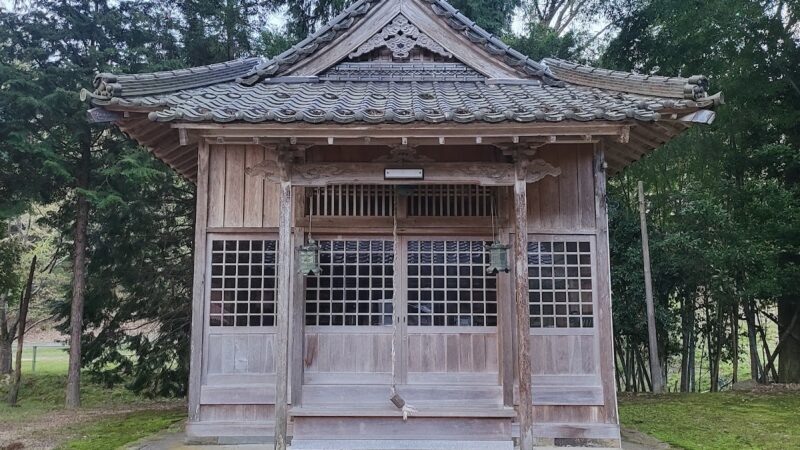
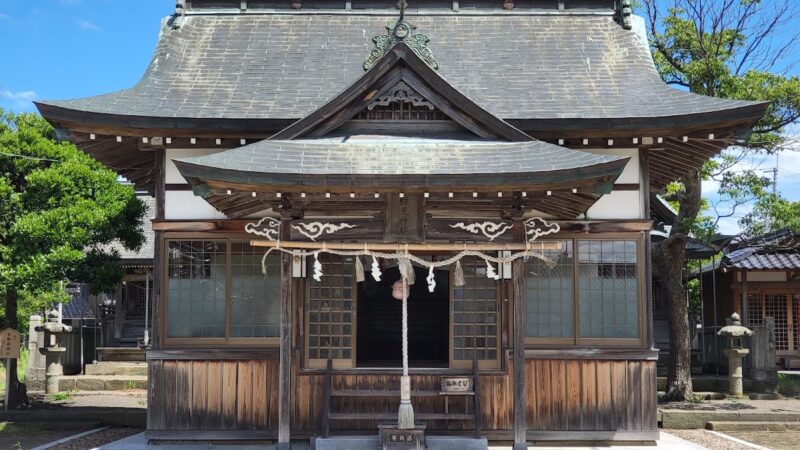
The grounds of Suwagibe Shrine retain buildings and natural environments that evoke a long history.
Main Shrine
Built in 1623 (Genna 9), the main shrine is a valuable structure that showcases the characteristics of early Edo period shrine architecture. While not large in scale, its meticulous craftsmanship and historical significance are palpable.
Approach and Shrine Grove
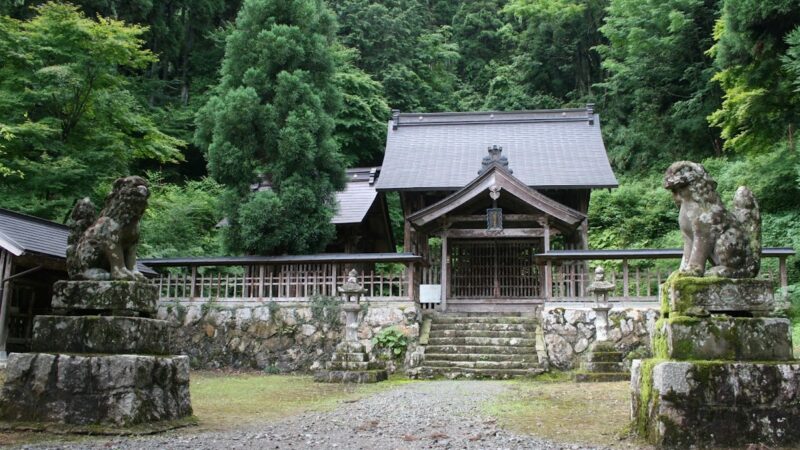
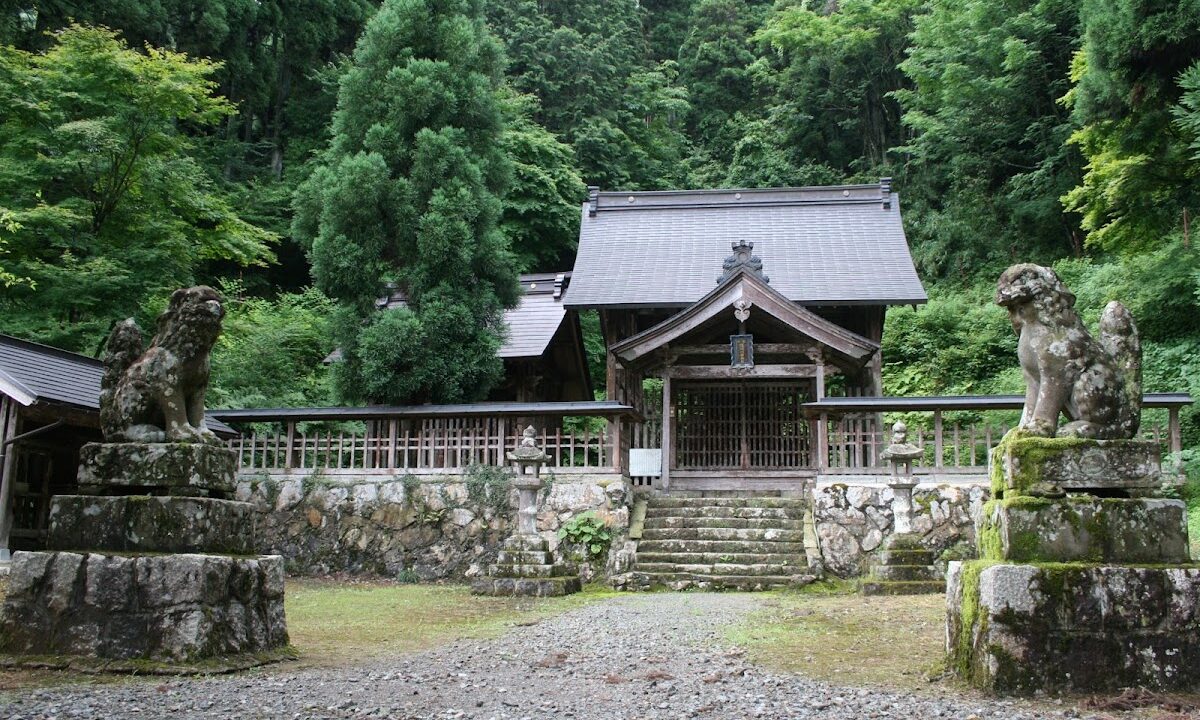
The approach to Suwagibe Shrine has a tranquil atmosphere that harmonizes with the surrounding nature. The shrine grove surrounding the grounds is a well-preserved natural forest, offering beautiful scenery throughout the seasons.
Especially during the seasons of fresh greenery and autumn leaves, a stunning landscape awaits visitors.
Stone Steps and Torii Gate
The stone steps leading to the shrine grounds have a charming, historical feel. Passing through the torii gate and climbing the steps to the main shrine evokes a sense of transitioning from everyday life to a sacred space.
Tranquil Environment
One of the greatest charms of Suwagibe Shrine is its tranquil environment. Located away from the center of Ayabe City, it’s not crowded, allowing you to enjoy a peaceful visit and stroll.
Listening to the birdsong and the sound of the wind, you can find peace of mind by being in a place of worship that has continued since ancient times.
Goshuin (Shrine Seal) Information
Regarding the issuance of Goshuin at Suwagibe Shrine, prior confirmation is necessary. As it is a small shrine, there may not be a resident priest.
Those wishing to receive a Goshuin should note the following:
- Prior Contact: It is recommended to contact the shrine or the Ayabe City Tourism Association before visiting.
- Visiting Hours: It is preferable to visit during daylight hours.
- Manners: Please observe proper etiquette to maintain a peaceful environment.
As a shrine with historical value as a Shikinaisha (a shrine listed in the Engishiki, an ancient Japanese legal code), it will be a valuable place for those who enjoy collecting Goshuin.
Access Information
Location
48 Yokoen, Monobe-cho, Ayabe City, Kyoto Prefecture 623-0104
Access by Train
- Get off at Ayabe Station on the JR San’in Main Line
- Approximately 15-20 minutes by taxi from Ayabe Station
- Alternatively, take a local bus from Ayabe Station (prior confirmation is necessary as the number of buses is limited)
Ayabe Station is approximately 1 hour 30 minutes to 2 hours from Kyoto Station on the San’in Main Line (Sagano Line). Using an express train can shorten the travel time.
Access by Car
Approximately 15 minutes from Ayabe IC on the Kyoto Jukan Expressway
After exiting the Ayabe IC, head towards Monobe-cho via National Route 27. Entering “Sunagibe Shrine” or “48 Yokoen, Monobe-cho, Ayabe City, Kyoto Prefecture” into your car navigation system is convenient.
Parking
Due to the size of the shrine, there is no dedicated large parking lot. However, there are a few parking spaces near the shrine grounds. When visiting, please be considerate of other visitors.
Nearby Tourist Attractions
When visiting Suwagibe Shrine, you can also visit other tourist attractions in Ayabe City:
- Ayabe City Astronomical Observatory Pao: Astronomical observation facility
- Gunze Museum: A facility where you can learn about the history of the textile industry
- Ayabe Rose Garden: You can enjoy beautiful roses in season
- Yamaga Castle Ruins: The ruins of a mountain castle from the Sengoku period
Points and Manners for Visiting
Etiquette for Visiting
When visiting Suwagibe Shrine, follow the general etiquette for visiting a shrine:
- Bow before the Torii Gate: Before entering the shrine grounds, bow before the Torii gate.
- Purify yourself at the Water Basin: If there is a water basin, purify your hands and mouth.
- How to Walk the Approach: The center of the approach is considered the path of the gods, so walk along the sides.
- Worship at the Main Hall: Worship should be performed using the two bows, two claps, and one bow ritual.
- Bow Upon Exit: When leaving the shrine grounds, turn around and bow after passing through the torii gate.
Photography
Photography is generally permitted on the shrine grounds, but please note the following:
- Do not enter areas where photography is prohibited, such as inside the main hall.
- Be considerate of other worshippers.
- Remember that this is a sacred place and photograph with respect.
Attire
There are no specific dress code requirements, but appropriate attire for a sacred place is desirable. Since it is located in a mountainous area, comfortable walking shoes are recommended.
Historical Significance of Suwagibe Shrine and the Mononobe Clan
Suwagibe Shrine is not merely a local shrine, but also an important historical site that demonstrates the clan system and beliefs of ancient Japan.
Central Shrine of Mononobe Village
Mononobe Village in Ikaruga District, Tanba Province, was one of the areas of influence of the Mononobe clan. The Suwagibe Shrine is considered to have been the center of faith for the Mononobe clan in this region, and a symbol of clan unity and regional control.
Even after their defeat in the political struggle against the Soga clan, the Mononobe clan dispersed to various locations, maintaining their influence. The Suwagibe Shrine is a valuable legacy that conveys the history of the Mononobe clan to the present day.
Value as a Shikinaisha Shrine
There are approximately 3,100 Shikinaisha shrines listed in the Engishiki Jinmyocho (a list of shrines compiled in the Heian period) throughout Japan. Among them, the Suwagibe Shrine, with its clearly established founding date and records from ancient times, is an important shrine for historical research.
In particular, the record of the granting of divine rank in the Sandai Jitsuroku (a historical record of the Three Reigns) is valuable evidence of its relationship with the imperial court and provides clues to understanding the political and religious situation of the ancient Tanba region.
Core of Regional Identity
The fact that the place name “Mononobe-cho” still exists today, and that the Suwagibe Shrine is maintained, is proof that the historical identity of the region is being passed down. For over 1200 years, this place of worship has been preserved and continues to serve as a spiritual pillar for the local community.
Suwagibe Shrine in Every Season
Spring (March-May)
Spring at Suwagibe Shrine is a beautiful season of fresh greenery. The trees in the shrine grounds bud, creating a vibrant landscape. If there are cherry trees, it’s also worth visiting during cherry blossom season.
Summer (June-August)
In summer, the shrine grounds, enveloped in deep green, exude a cool and refreshing atmosphere. Visiting amidst the sound of cicadas evokes the essence of a Japanese summer.
Autumn (September-November)
Autumn is the season of autumn leaves. The trees in the shrine grounds change color, and the stone steps and approach are adorned with fallen leaves, creating a truly picturesque scene. The air is crisp and clear, making it one of the best seasons to visit.
Winter (December to February)
In winter, the tranquility of Suwagibe Shrine is even more pronounced. Snow sometimes accumulates, creating a fantastical atmosphere as the shrine grounds are enveloped in a blanket of white. Be sure to dress warmly when visiting.
Summary: The Significance of Visiting Suwagibe Shrine
Suwagibe Shrine is a venerable shrine with a history of over 1200 years since its founding in 807 AD. As a shrine associated with the Mononobe clan and an important place of worship in Ikaruga District, Tanba Province, it has been revered by the local people for centuries.
The enshrined deity, Ohirume-no-Mikoto (Amaterasu-Omikami), is the supreme deity of Japan, possessing a wide range of divine virtues, from national peace and security to personal good fortune and prosperity. Being in this ancient place of worship in such a tranquil environment will be a valuable spiritual experience for us living in the modern age.
When visiting Ayabe City, be sure to stop by Suwagibe Shrine and experience its history and tranquil atmosphere. It’s a special place where you can escape the hustle and bustle of the city and feel the breath of ancient times.
Deepening your understanding of the shrine’s history and enshrined deities will make your visit even more meaningful. We hope this article will be helpful for those planning a visit to Suwagibe Shrine, as well as those interested in the history of Shikinaisha shrines in Kyoto Prefecture and the Mononobe clan.