What is Muryoju-ji Temple? A thorough explanation of the head temple, doctrines, and history of Nenbutsu-shu Sanpozan Muryoju-ji Temple
Overview of Muryoju-ji Temple
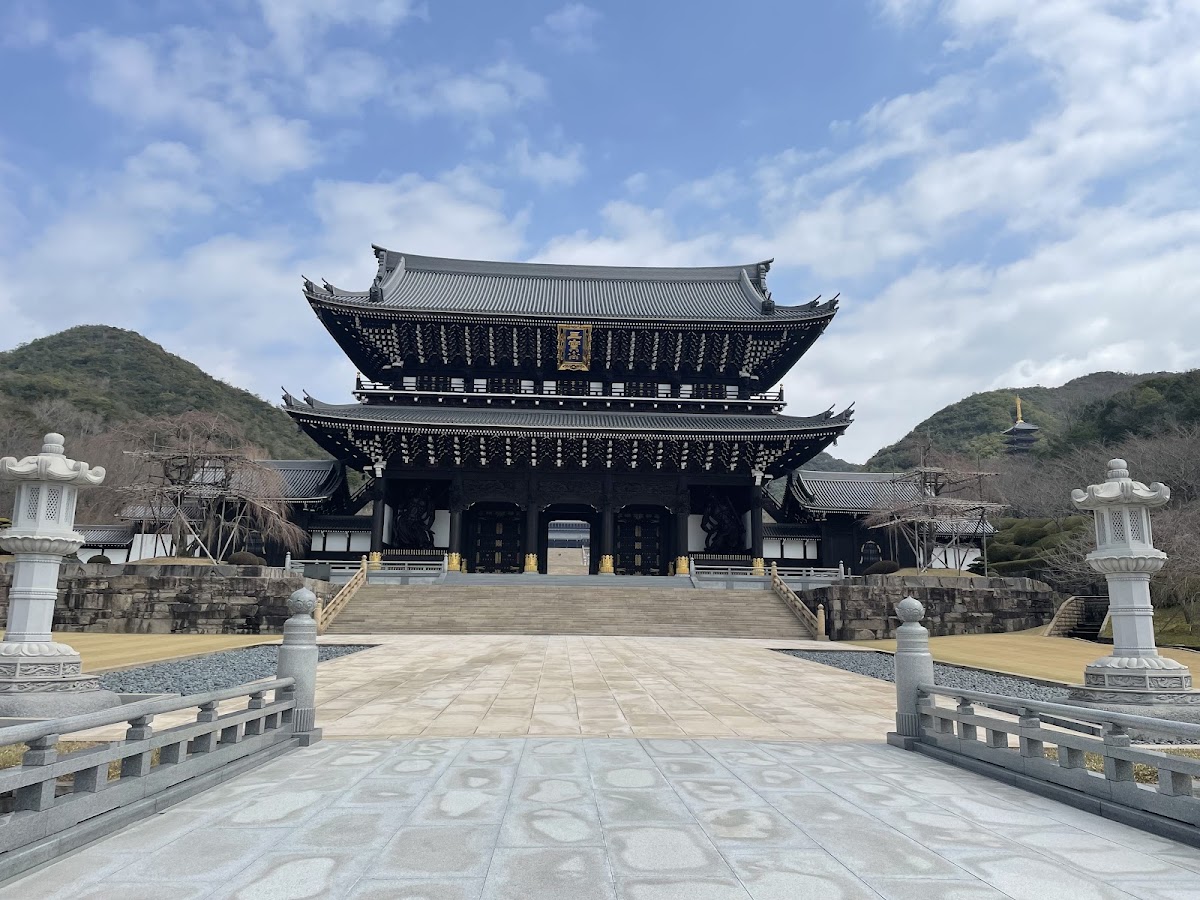
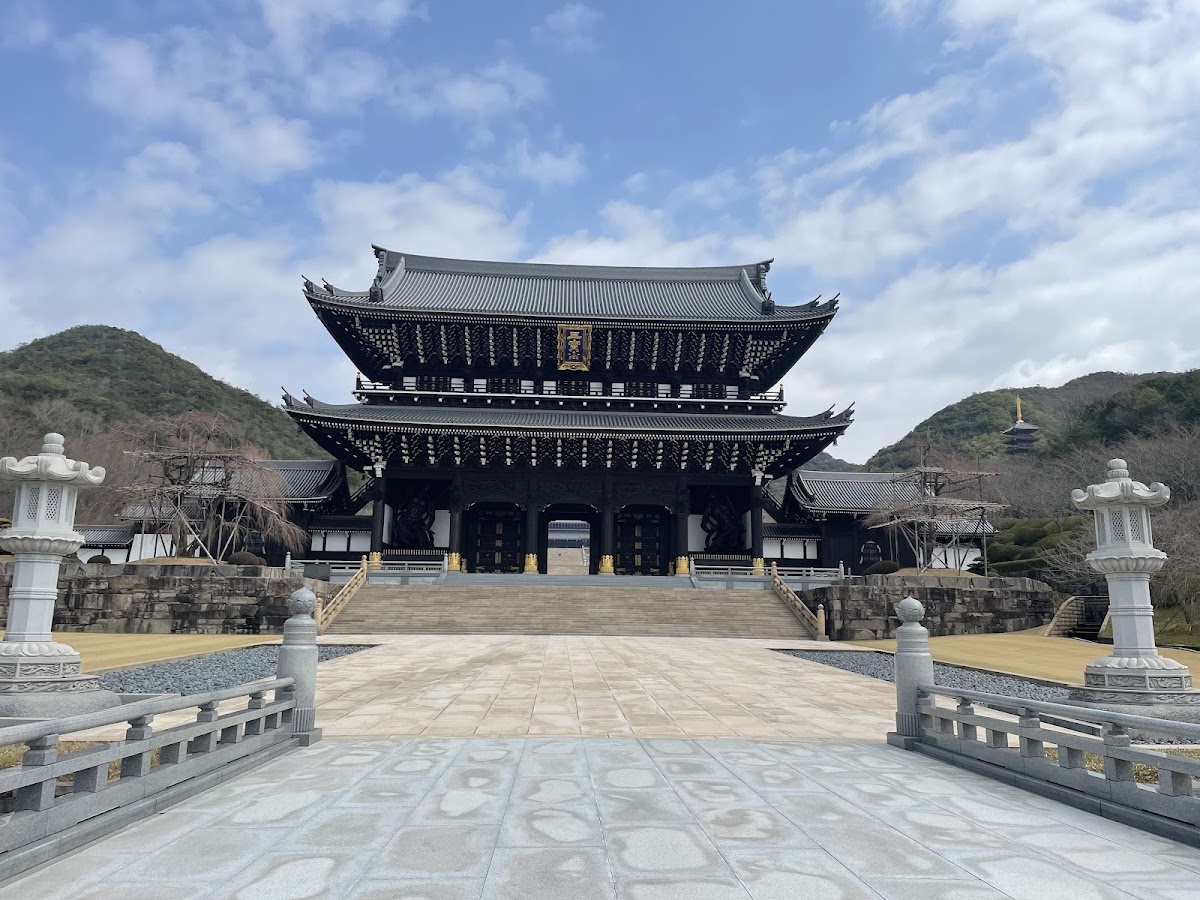
Muryoju-ji Temple, officially known as “Nenbutsu-shu Sanpozan Muryoju-ji,” is an independent religious corporation of the Pure Land Buddhist sect in Japan. It is classified as a new religious movement and has its head temple, “Butsukyo no Odo,” in Kato City, Hyogo Prefecture.
“Muryoju” means immeasurable lifespan and is known as a translation of Amida Buddha. Nenbutsu-shu Sanpozan Muryoju-ji aims to practice true Buddhism and is a religious organization that develops international Buddhist activities through exchanges with Buddhist leaders in 51 countries across five continents.
The head temple, “Buddhist King’s Hall,” was built with the hope of becoming a beacon of hope heralding the “dawn of spiritual civilization,” and is positioned as a sacred site for Buddhists worldwide. It boasts numerous followers throughout Japan, who engage in religious activities through regular pilgrimages and events.
History and Origins of Nenbutsu-shu Sanbozan Muryoju-ji Temple
Nenbutsu-shu Sanbozan Muryoju-ji Temple is a relatively new Buddhist sect established in modern times, but its doctrines are based on traditional Buddhist thought. The history of the sect begins with its founding by the founder and is currently passed down to the second patriarch and the second head priest.
Since its establishment, the sect has continued to guide its followers and engage in social contribution activities while adapting the essential teachings of Buddhism to modern society. In particular, the construction of the head temple, “Buddhist King’s Hall,” marked a significant turning point in the sect’s history, and it has come to play a role as a hub for international Buddhist exchange.
Within Japan, the sect has activity bases in various locations, including Gifu Prefecture, and conducts missionary work while valuing its relationship with local communities. It also actively engages in exchanges with Buddhist countries such as Sri Lanka, playing a part in the global Buddhist network.
Founder and Leaders of the Sect
About the Founder
The founder of the Nenbutsu-shu Sanbozan Muryoju-ji sect established the sect with the mission of transmitting true Buddhism to the modern age. The founder emphasized compassion and wisdom, the fundamental teachings of Buddhism, and strived to systematize the doctrines in an easily understandable way so that all people could receive the benefits of Buddhism.
The founder’s teachings, while based on the traditional Pure Land Buddhist thought, are practical and address the worries and suffering of people in modern society. To followers, he emphasized the importance of practicing Buddhist teachings in daily life and showed a path to inner peace through the recitation of the Buddha’s name.
Second Patriarch and Second High Priest
After the founder’s death, the leadership of the religious order was passed on to the second patriarch and the second high priest. The second high priest faithfully inherited the founder’s teachings while promoting the further development and internationalization of the religious order.
Under the second high priest’s leadership, important projects were realized, including the completion of the head temple, “Buddhist King’s Hall,” and exchanges with top Buddhist leaders and royal families around the world deepened. Currently, under the guidance of the second high priest, the religious order continues to conduct Buddhist activities on a global scale, guiding many followers.
Principal Image and Object of Worship
The principal image of Nenbutsu-shu Sanbozan Muryoju-ji Temple is Amida Buddha. Amida Buddha, also known as “Muryoju Nyorai,” is the most important object of worship in the Pure Land school, as a Buddha possessing infinite life and infinite light.
Amida Buddha is the Buddha who made the vow to save all sentient beings, and is central to the teaching that anyone can attain rebirth in the Pure Land through chanting the Nembutsu (invocation of Amida Buddha). The sect aims for peace of mind in this life and rebirth in the Pure Land in the next life through devotion to Amida Buddha and the practice of chanting the Nembutsu.
At the head temple, “Buddhist King’s Hall,” a magnificent statue of Amida Buddha is enshrined, and worshippers can purify their hearts by chanting the Nembutsu before it. Faith in the principal image is central to the sect’s religious life, and worship of Amida Buddha is indispensable in daily practice.
Foundation of Scriptures and Doctrines
Scriptures Relied Upon
At the Nenbutsu-shu Sanbozan Muryoju-ji Temple, following the tradition of the Pure Land school, the Three Pure Land Sutras are the main scriptures. The Three Pure Land Sutras refer to the three scriptures: the *Larger Sutra of Immeasurable Life*, the *Contemplation Sutra of Immeasurable Life*, and the *Amitabha Sutra*. These are important scriptures that expound on the original vows of Amitabha Buddha and the Pure Land.
In particular, the *Larger Sutra of Immeasurable Life* is a scripture related to the name of the religious order and provides a detailed explanation of the forty-eight vows made by Amitabha Buddha when he was Bodhisattva Dharmakara. Through this scripture, believers learn about the profound compassion of Amitabha Buddha and the certainty of salvation through chanting the Buddha’s name.
In addition to these scriptures, the writings and commentaries of the founders of the Pure Land school are also studied, serving as a guide for a deeper understanding of Buddhist teachings.
Characteristics of the Doctrine
The doctrine of the Nenbutsu-shu Sanbozan Muryoju-ji Temple is based on the Pure Land school’s philosophy, centering on salvation through chanting the Buddha’s name. The main characteristics of the doctrine are as follows:
The Philosophy of Reliance on Other Power: This teaching emphasizes salvation through the power of Amida Buddha’s vow, rather than through self-effort. This means that all people are equally eligible for salvation, and regardless of academic or spiritual training, rebirth in the Pure Land is promised through chanting the Nembutsu (invocation of Amida Buddha).
The Practice of Nembutsu: Chanting “Namu Amida Butsu” is the most important practice within this religious order. Through chanting, one becomes one with Amida Buddha, attains inner peace, and ensures rebirth in the Pure Land.
Compassion and Wisdom: This teaching emphasizes practicing compassion and wisdom, the foundations of Buddhism, in daily life. It teaches that cultivating compassion for others and the wisdom to discern the true nature of things is the way of life for a true Buddhist.
Worldly Benefits and Rebirth in the Next Life: This teaching pursues both worldly peace and happiness, and rebirth in the Pure Land in the next life. A key characteristic of Buddhist teachings is their practical approach, emphasizing not only the afterlife but also ways to improve one’s present life.
About the Head Temple, “Buddhist King’s Hall”
Background and Significance of its Construction
The Head Temple, “Buddhist King’s Hall,” is the central facility of the Nenbutsu-shu Sanbozan Muryoju-ji Temple, located in Kato City, Hyogo Prefecture. This magnificent structure was built with the hope that it would become a beacon of hope, heralding the dawn of a spiritual civilization.
The Buddhist King’s Hall is not merely a religious facility, but is positioned as a sacred site for Buddhists worldwide. Its architectural style revives the beauty of traditional Buddhist architecture in a modern context, welcoming visitors in a solemn atmosphere.
The dedication ceremony was attended by Buddhist leaders from 51 countries across five continents, serving as a platform for international Buddhist exchange. This event became a symbolic demonstration that the organization functions not only within Japan but also as part of a global Buddhist network.
Facility Features
The Buddhist King’s Hall is a remarkable religious site in Japan, distinguished by its scale and grandeur. Within its vast grounds, multiple buildings, including the main hall, are arranged, allowing worshippers to deepen their faith in a tranquil environment.
The interior of the main hall is lavishly decorated and houses a statue of Amida Buddha. Furthermore, Buddhist art and religious artifacts donated from around the world are displayed, serving as a hub for international Buddhist cultural exchange.
Regular religious services and ceremonies are held within the facility, making it the center of the faith life of its followers. It also welcomes general visitors, making it an open place for those interested in Buddhism.
Visitor Information
Visits to the Buddhist King’s Hall require prior reservations and follow the provided guidance. Worshippers learn the formal procedures of worship under the guidance of the religious organization and perform worship to Amida Buddha.
During a pilgrimage, visitors can walk around the temple while chanting the Nembutsu (Buddhist invocation), viewing the Buddhist statues and religious artifacts placed throughout. Opportunities to listen to Dharma talks are also provided, allowing for a deeper understanding of Buddhist teachings.
A pilgrimage to the head temple is an important opportunity for believers to renew their faith, and many people visit from all over Japan. Especially during important events, a large number of pilgrims gather, creating a solemn scene of chanting the Nembutsu together.
Organization and Activities of the Sect
Organizational Structure of the Sect
The Nenbutsu-shu Sanbozan Muryoju-ji sect has an organizational structure with the head temple at its apex. With the second head priest as the supreme leader, branches and dojos are established in various regions, carrying out guidance and educational activities for believers.
While the organization follows the traditional form of Buddhist sects, it has established an efficient operational system adapted to modern society. Each branch has a designated leader responsible for guiding local believers and managing events.
Furthermore, the headquarters oversees the entire organization’s activities, including doctrinal research, educational material creation, and international exchange planning. The believer education program is also systematized, providing an environment where believers, from beginners to advanced practitioners, can learn Buddhist teachings step by step.
Kyushu Headquarters and Regional Branches
In addition to the main headquarters, “Butsukyo no Odo,” there are regional branches, including the Kyushu Headquarters. These branches serve as familiar places of worship for local believers, hosting regular services and study sessions.
The Kyushu Headquarters functions as the center of the organization’s activities in the western Japan region, attracting many believers. Furthermore, dojos and meeting halls have been established in various locations, including Gifu Prefecture, forming a nationwide network.
These branches also value interaction with local communities, participating in local events and engaging in social contribution activities. The religious organization not only engages in religious activities but also plays a role as a member of the local community.
Events and Activities
Regular Events
Nenbutsu-shu Sanbozan Muryoju-ji Temple holds various events throughout the year. One of the most important events is “Buddhist Day” on April 8th. This day celebrates the birth of Shakyamuni Buddha, and a grand memorial service is held at the head temple, “Buddhist King’s Hall.”
On Buddhist Day, Buddhist leaders from 51 countries across five continents gather, creating a forum for international Buddhist exchange. This event is an important demonstration of the organization’s part of a global Buddhist network, and many believers and pilgrims participate.
In addition, traditional Buddhist events such as the spring and autumn equinox services, the Obon festival, and special memorial services at the end of the year and the beginning of the new year are also held. Through these events, believers practice Buddhist teachings and express gratitude and offer prayers for their ancestors.
Buddhist Summits and International Exchange
One of the distinctive activities of the Nenbutsu-shu Sanbozan Muryoju-ji Temple is international Buddhist exchange. The organization cultivates relationships with top Buddhist leaders and royal families around the world and hosts international conferences such as the “Buddhist Summit.”
At the Buddhist Summit, Buddhist leaders from around the world gather to discuss the role of Buddhism in modern society and the development of peace and spiritual civilization. Representatives from Buddhist countries, including Sri Lanka, are invited as guests of honor, fostering mutual understanding and strengthening cooperative relationships.
Such international exchange activities demonstrate the organization’s contribution to the development of Buddhism not only within Japan but also on a global scale. Furthermore, through dialogue between different Buddhist traditions, it aims to confirm the commonalities of essential Buddhist teachings and contribute to world peace.
Educational and Cultural Activities
The religious organization places great emphasis on the education of its followers. Through educational programs such as “The Fountain of Learning” and picture books like “My Buddha and Yours,” it conveys Buddhist teachings to a wide range of people, from children to adults.
Furthermore, it publishes a collection of sermons and doctrinal commentaries titled “Words of Precious Light that Illuminate the World,” serving as a guide for followers to practice Buddhist teachings in their daily lives. These materials are written in easy-to-understand Japanese, making them accessible even to those new to Buddhism.
Cultural activities include exhibitions of Buddhist art and concerts of traditional Buddhist music. Through these activities, the organization aims to widely convey the beauty of Buddhist culture to society and contribute to the development of spiritual civilization.
Social Engagement and Recognition
Social Contribution Activities
Nenbutsu-shu Sanbozan Muryoju-ji Temple actively engages not only in religious activities but also in social contribution activities. It values its relationship with the local community and develops various charitable and cultural projects.
The religious organization participates in disaster relief and welfare activities, providing assistance to people in difficult circumstances. It also takes an interest in environmental protection and peace movements, applying the Buddhist spirit of compassion to social practice.
These activities reflect the organization’s philosophy that Buddhist teachings contribute not only to individual salvation but also to the happiness and peace of society as a whole.
Legal Issues and Responses
The organization has faced legal issues throughout its history, such as the Fukui billboard lawsuit. This lawsuit concerned the installation of the organization’s advertising billboards, and a certain degree of resolution was achieved through the court ruling.
The organization has responded sincerely to such issues, striving to comply with laws and regulations and fulfill its social responsibilities. Furthermore, in its missionary activities, it aims for transparent management to gain social understanding and cooperation.
Positioning as a New Religious Movement
Nenbutsu-shu Sanbozan Muryoju-ji is classified as a new religious organization, but its doctrines are based on the traditional Pure Land Buddhist philosophy. The defining characteristics of this new religious movement lie in its organizational management adapted to modern society and its international activities.
The organization emphasizes conveying traditional Buddhist teachings in an easily understandable way to modern people, conducting missionary work through diverse teaching materials and activities. Furthermore, its efforts to build a global Buddhist network represent a new approach not seen in traditional Japanese Buddhism.
Information on Visiting and Joining the Movement
How to Visit
If you wish to visit the Nenbutsu-shu Sanbozan Muryoju-ji Temple, you can obtain information through the official website or local branches. Visiting the head temple, “Butsukyo no Odo,” may require prior reservation; therefore, it is recommended to inquire with the organization for details.
Appropriate attire and mindset are required when visiting. It is important to follow the organization’s guidelines and worship respectfully. It is also advisable to learn about the proper way to chant the Nembutsu and the etiquette of worship beforehand.
About Joining the Family
Those wishing to join the Nenbutsu-shu Sanbozan Muryoju-ji Temple will progress through a step-by-step learning process under the guidance of the religious organization. It begins with learning the basics of the doctrine and starting the practice of nembutsu (recitation of Amida Buddha’s name).
After joining, members will deepen their understanding of Buddhist teachings through participation in regular religious services and study sessions. Furthermore, through interaction with other believers, they can deepen their awareness of being a member of the faith community.
The religious organization provides thorough guidance for beginners, creating an environment where even those without prior knowledge of Buddhism can begin learning with confidence.
Summary
Muryoju-ji Temple (Nenbutsu-shu Sanbozan Muryoju-ji Temple) is a religious organization that pursues the role of Buddhism in modern society while based on the traditional teachings of the Pure Land school. Centered around its head temple, “Bukkyo no Odo,” it conducts a wide range of activities both domestically and internationally.
With Amida Buddha as its principal deity and its doctrine of salvation through chanting the Buddha’s name, this sect has brought peace of mind to many followers. Furthermore, it aims to contribute to the development of spiritual civilization through global Buddhist exchange and social contribution activities.
The sect continues its activities throughout Japan and around the world, while cherishing the teachings passed down from its founder to its second head priest. Those wishing to visit or join the sect can receive detailed information through the official website or local branches.
Nenbutsu-shu Sanbozan Muryoju-ji Temple is expected to continue developing its activities as a modern Buddhist sect that blends tradition and innovation.