What is Fukuda-ji Temple? A Thorough Explanation of the History, Sect, and Characteristics of Fukuda-ji Temples Across Japan
There are several temples named “Fukuda-ji” throughout Japan. Each belongs to a different sect and has its own unique history and characteristics. This article provides a detailed explanation of the major Fukuda-ji temples, including their founding history, sect, principal image, and visiting information.
Origin and Meaning of the Name Fukuda-ji
The name “Fukuda-ji” originates from the Buddhist term “Fukuden.” Fukuden means “a field that produces good fortune,” and in Buddhism, it refers to the Three Jewels (Buddha, Dharma, and Sangha) or parents—those to whom one can gain merit through offerings and alms. It can be inferred that temples bearing this name were founded as places that bring good fortune to people.
The existence of Fukuda-ji temples throughout Japan is thought to be because this auspicious name was chosen by many founding monks and parishioners. Each Fukuda-ji temple is an independent temple, deeply connected to the history of its region.
Fukuda-ji Temple (Jishu, Higashi-Okayama) in Shimogyo-ku, Kyoto City
History and Founding
Fukuda-ji Temple, a Jishu sect temple located in Shimogyo-ku, Kyoto City, is an ancient temple founded in 1264. Its founder was Prince Munetaka, the 6th Shogun of the Kamakura Shogunate (son of Emperor Go-Saga), a person of extremely high rank. Its mountain name is Higashi-Okayama.
In the context of the mid-Kamakura period, the founding of a temple by a member of the imperial family held special significance. This was the time when Ippen Shonin, the founder of the Jishu sect, was traveling throughout Japan, spreading the teachings of Nembutsu.
About the Jishu Sect
The Jishu sect is a branch of Pure Land Buddhism founded by Ippen Shonin during the Kamakura period. Known for its “dancing Nembutsu,” it is characterized by its egalitarian philosophy that anyone, regardless of social status or gender, can attain rebirth in paradise by chanting the Nembutsu. The head temple is Seijokoji Temple (Yugyo-ji Temple) in Fujisawa City, Kanagawa Prefecture.
A characteristic of the Jishu sect is that monks travel around (pilgrimage) to spread their teachings. This tradition continues to this day, and Jishu temples have a unique, open atmosphere.
Access and Visiting Information
Fukuda-ji Temple, located in Shimogyo-ku, Kyoto City, is easily accessible from the center of Kyoto. It is relatively close to Kyoto Station and can be visited as part of a Kyoto sightseeing trip.
Fukuda-ji Temple (Jishu, Gaishi-zan) in Odawara City
Founding and History
Fukuda-ji Temple, located in Honmachi, Odawara City, Kanagawa Prefecture, has the mountain name Gaishi-zan. It was founded in 1297 by Ta’a Shinkyo Shonin, the second patriarch of the Jishu sect’s itinerant pilgrimage.
Ta’a Shinkyo Shonin was a direct disciple of Ippen Shonin and an important figure who spread the teachings of the Jishu sect throughout Japan. The establishment of Fukuda-ji Temple in Odawara, a strategic point on the Tokaido road, is thought to have had strategic significance as a base for missionary activities.
Current Activities
Fukuda-ji Temple in Odawara conducts various religious activities, including sutra copying workshops. As a temple open to the community, it regularly holds events that are open not only to parishioners but also to the general public.
Sutra copying is a good opportunity to calm the mind and connect with Buddhist teachings. It is designed to be accessible even for beginners and is a popular cultural experience for visitors to Odawara.
Connection to Odawara’s History
Odawara flourished as the base of the Hojo clan during the Sengoku period and developed as a post town on the Tokaido road during the Edo period. Fukuda-ji Temple is one of the temples that has watched over Odawara’s history.
Fukuda-ji Temple (Soto Zen, Kinpusan) in Tome City, Miyagi Prefecture
Sect and Mountain Name
Fukuda-ji Temple, located in Tome City, Miyagi Prefecture, is a temple belonging to the Soto Zen sect. The temple’s mountain name is Kinpusan. The Soto Zen sect is a branch of Zen Buddhism that emphasizes “Shikantaza,” the practice of simply sitting in meditation.
A Temple for Prayers for Victory and Success
Fukuda-ji Temple is known for prayers for victory and success in exams. Many worshippers visit during exam season and before important competitions. It is a place of faith for local people and a beloved place for prayer at important life events.
Temple Treasures and Cultural Properties
Fukuda-ji Temple houses valuable temple treasures, including a Nirvana painting. The Nirvana painting depicts the death of Shakyamuni Buddha and is enshrined in many temples during the Nirvana Ceremony (around February 15th).
Furthermore, cultural properties linked to local faith, such as the Fukutomi Kannon shrine, are carefully preserved. On Cultural Property Fire Prevention Day, disaster prevention drills are also conducted to protect valuable cultural heritage.
Fukuda-ji Temple (Shingon-shu Buzan-ha) in Koriyama City, Fukushima Prefecture
Founding Legend
Fukuda-ji Temple, located in Kikuta-cho, Koriyama City, Fukushima Prefecture, is a temple of the Shingon-shu Buzan-ha sect. Its history is ancient, and it is said to have been founded approximately 1200 years ago by the high-ranking priest Gyoki Shonin during his fundraising efforts in the Tohoku region.
Gyoki Shonin was a renowned monk who was also involved in the construction of the Great Buddha of Todai-ji Temple and conducted activities to help the people throughout Japan. The founding of Fukuda-ji Temple is also said to have begun with a wish for the welfare of the people of the Tohoku region and for child-rearing.
Faith in Kokuzo Bodhisattva
The principal image of Fukuda-ji Temple is Kokuzo Bodhisattva. This Buddha statue, said to have been carved by Gyoki Shonin from a single tree, is revered locally as one of the “Three Great Kokuzo Bodhisattva Statues of Japan.”
Kokuzo Bodhisattva is worshipped as a Buddha who bestows wisdom and good fortune, and many worshippers visit the temple, especially those praying for the healthy growth and academic success of their children. It is also known as the subject of the Jusan-mairi (a custom of visiting a temple at the age of 13).
About the Shingon-shu Buzan-ha
The Shingon-shu Buzan-ha is a branch of the Shingon sect, with Hase-dera Temple in Sakurai City, Nara Prefecture, as its head temple. It considers Kobo Daishi Kukai as its founder and transmits the teachings of esoteric Buddhism. There are many Buzan-ha temples in the Tohoku region, playing an important role as centers of local faith.
Other Fukuda-ji Temples
Fukuda-ji Temple in Minami-ku, Kyoto City (Seizan Jodo-shu)
Fukuda-ji Temple of the Seizan Jodo-shu sect is located in Kuze-Tonoshiro-cho, Minami-ku, Kyoto City. Its mountain name is Geishakuzan. This temple is also known as a place of prayer for rain and has had deep ties to local agriculture.
The Nishiyama Jodo sect was founded by Shōkū Shōnin, a disciple of Hōnen Shōnin, and developed primarily in Nishiyama, Kyoto. It uses the Three Pure Land Sutras as its foundational scriptures and preaches rebirth in paradise through chanting the Buddha’s name.
Fukuda-ji Temple in Shitara-cho, Aichi Prefecture
There is also a Fukuda-ji Temple in Shitara-cho, Kitashitara-gun, Aichi Prefecture. Shitara-cho is located in the mountainous region of Okumikawa, surrounded by abundant nature. This Fukuda-ji Temple is also considered a tourist spot, conveying the history and culture of the region.
Fukuda-ji Temple in Tōyō-cho, Kōchi Prefecture
In Tōyō-cho, Aki-gun, Kōchi Prefecture, there is a Fukuda-ji Temple of the Nishiyama branch of the Jodo sect. This temple is deeply connected to the history of the late Edo period and is known for housing the graves of the Twenty-Three Ronin of Nonoyama.
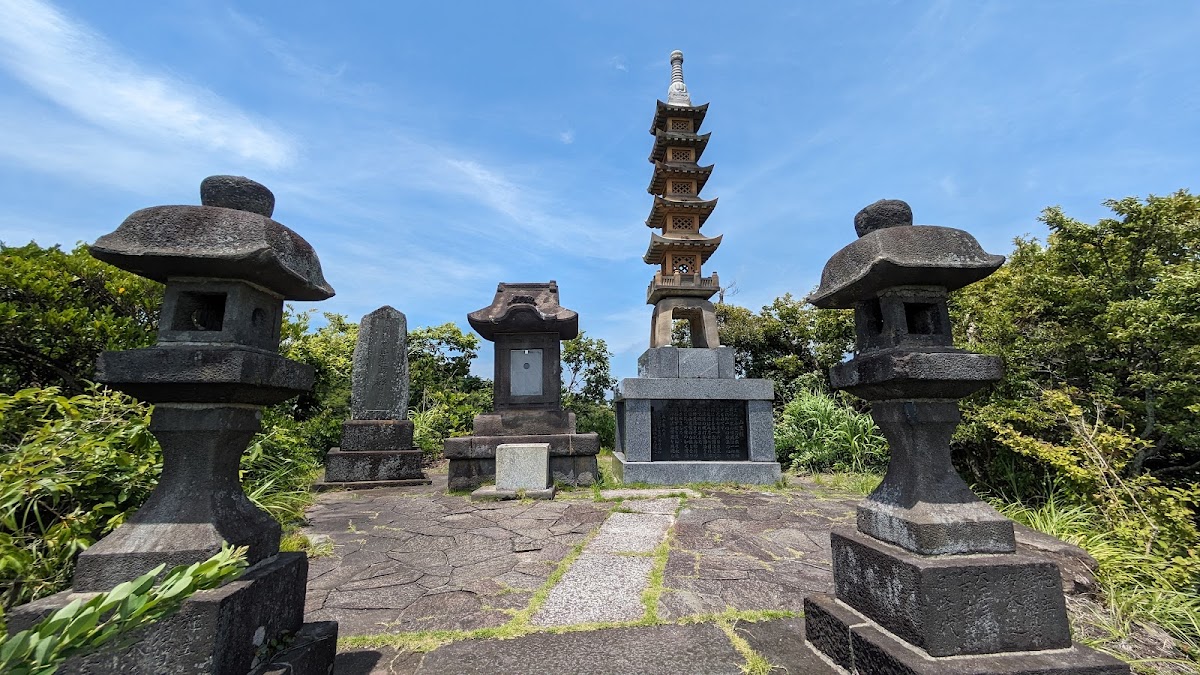
The Twenty-Three Ronin of Nonoyama were patriots who rose up demanding the release of Takechi Hanpeita of the Tosa Loyalist Party and were beheaded at Naharigawara. Within the temple grounds are the graves of the 23 samurai, as well as a monument erected by Ishida Hidekichi and a statue of Takechi Hanpeita, making it an important historical site for those interested in the history of the late Edo period.
Fukuda-ji Temple (Shingon Buddhism, Toji Shingon Sect) in Nara Prefecture
Nara Prefecture is home to Fukuda-ji Temple, founded in 1136 (Heian period). The founding priest was Eiden, and the principal image is Yakushi Nyorai (a hidden Buddha). Fudo Myoo, Kobo Daishi, and Shoten (a hidden Buddha) are enshrined as flanking deities.
The Toji Shingon sect is a branch of Shingon Buddhism with Toji Temple (Kyo-o-gokoku-ji) in Kyoto as its head temple. Toji Temple is known as a temple associated with Kobo Daishi Kukai and is one of the centers of Esoteric Buddhism in Japan.
Visiting Etiquette at Fukuda-ji Temple
Basic Visiting Etiquette
Regardless of which Fukuda-ji Temple you visit, it is important to observe basic visiting etiquette. 1. Bow at the Temple Gate: Bow at the temple gate before entering the grounds.
- Purification at the Water Basin: If there is a water basin, purify your hands and mouth.
- Worship at the Main Hall: Join your hands in prayer in front of the main hall and offer your prayers quietly.
- Consideration for Photography: Refrain from taking photos in areas where photography is prohibited, and be considerate of other worshippers.
- Respectful Attitude: Behave quietly on the temple grounds, remembering that this is a place of spiritual practice.
Differences by Sect
Fukuda-ji Temple belongs to various sects, including the Jishu, Soto Zen, Shingon, and Jodo sects. While basic worship etiquette is common, each sect has its own unique characteristics.
- Jishu: Primarily focuses on chanting the Nembutsu (invocation of Amida Buddha).
- Soto Zen: A Zen sect that emphasizes seated meditation.
- Shingon: A esoteric Buddhist temple where rituals such as Goma fire rituals are performed.
- Jodo-shu/Seizan Jodo-shu: Preaches attaining rebirth in paradise through the Nembutsu.
About Fukuda-ji Temple’s Cemetery and Perpetual Memorial Services
Many Fukuda-ji temples offer cemetery guidance and accept applications for perpetual memorial services. In today’s society, with its declining birthrate and aging population, the demand for perpetual memorial graves for those without successors to their family graves is increasing.
Points to Consider When Choosing a Cemetery
- Location and Access: Is it a convenient location for visiting?
- Confirmation of Sect: Some temples accept all sects, while others require you to become a temple parishioner.
- Costs: Check the perpetual use fee, management fee, memorial service fees, etc.
- Management Status: Are the temple grounds and cemetery properly managed?
- Atmosphere: Is it an environment where you and your family can feel at ease?
For detailed information about the cemeteries at each Fukuda-ji temple, we recommend contacting the temple directly.
Experiences and Events at Fukuda-ji Temple
Sutra Copying and Buddha Image Copying Experience
Many temples, including Fukuda-ji Temple in Odawara, hold sutra copying experience sessions. Sutra copying is a Buddhist practice of copying scriptures, which has the effect of calming the mind and improving concentration.
To make it easy for beginners to participate, the temple often provides the necessary tools and offers careful instruction. The session takes about 1-2 hours, and the completed sutra can be offered to the temple or taken home. ### Seasonal Buddhist Services
Various Buddhist services are held throughout the year at each Fukuda-ji temple.
- Nirvana Ceremony (around February 15th): A service commemorating the passing of Buddha
- Flower Festival (April 8th): A service celebrating the birth of Buddha
- Obon (August or July): A service for honoring ancestors
- Higan-e (7 days centered around the spring and autumn equinoxes): A period for honoring ancestors and accumulating merit
These services may be open to non-parishioners as well.
Access Information to Fukuda-ji Temples
This is a brief summary of access information to major Fukuda-ji temples in various locations. Please check the official websites or contact each temple for details.
Fukuda-ji Temple, Shimogyo-ku, Kyoto City
- Location: Shimogyo-ku, Kyoto City
- Nearest Station: Possibly within walking distance of Kyoto Station on the Kyoto Municipal Subway
- Sect: Jishu
Fukuda-ji Temple, Odawara City
- Location: Honmachi, Odawara City, Kanagawa Prefecture
- Nearest Station: JR Odawara Station, Odakyu Odawara Station
- Sect: Jishu
Fukuda-ji Temple, Tome City
- Location: Tome City, Miyagi Prefecture
- Sect: Soto Zen
- Features: Famous for prayers for victory and passing exams
Fukuda-ji Temple, Koriyama City
- Location: 1-41 Maedazawa, Kikuta-cho, Koriyama City, Fukushima Prefecture
- Sect: Shingon-shu Buzan-ha
- Features: Faith in Kokuzo Bosatsu
Fukuda-ji Temple, Minami-ku, Kyoto City
- Location: Kuze-Tonoshiro-cho, Minami-ku, Kyoto City
- Sect: Seizan Jodo-shu
- Features: A place for praying for rain
Summary: The Charm of Each Fukuda-ji Temple
Fukuda-ji temples, scattered throughout Japan, each possess their own unique history and characteristics. They belong to various sects, including the Jishu, Soto, Shingon, and Jodo sects, and their founding circumstances differ.
Kyoto’s Fukuda-ji boasts a prestigious history, having been founded by a member of the imperial family. Odawara’s Fukuda-ji served as an important missionary center for the Jishu sect. Tome’s Fukuda-ji is a temple for praying for victory. Koriyama’s Fukuda-ji is an ancient temple associated with the monk Gyoki. Each temple has played an important role in its respective region.
As the name “Fukuda-ji” (meaning “field that produces fortune”) suggests, these temples have brought good fortune and become a spiritual haven for the people of their respective communities throughout their long histories.
When traveling or sightseeing in various regions, why not visit the Fukuda-ji temple in that area? The historic buildings, Buddhist statues, and tranquil atmosphere of the temple grounds are sure to offer a special escape from everyday life.
Furthermore, participating in sutra copying experiences or seasonal Buddhist services will allow you to delve deeper into Buddhist culture. Discover the unique charm of each Fukuda-ji temple and experience Japan’s rich religious culture and history.