Complete Guide to Matsubara Shrine | A Thorough Explanation of the History, Deities, Festivals, and Highlights of Odawara’s Guardian Shrine
What is Matsubara Shrine? | A Historic Shrine and Guardian Deity of Odawara
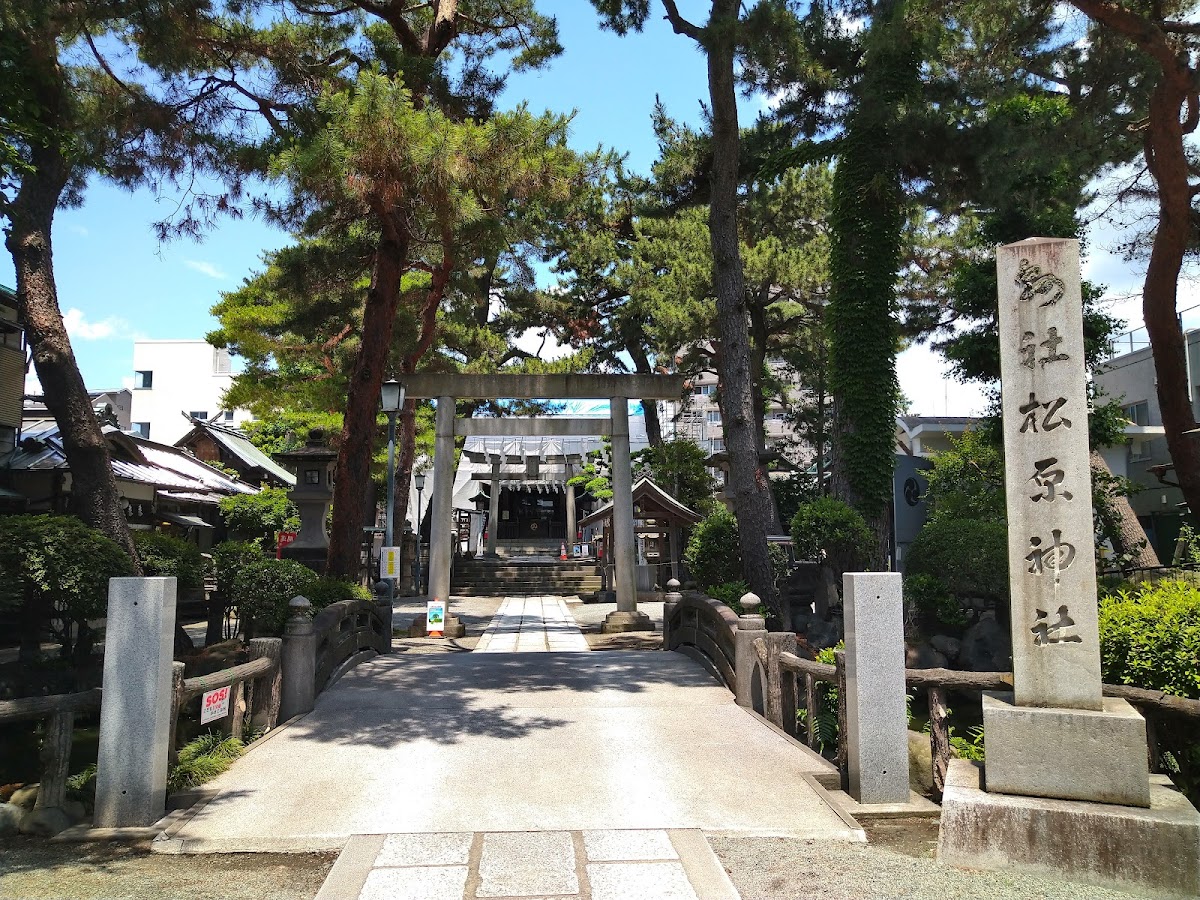
Matsubara Shrine is a historic shrine located in Honcho, Odawara City, Kanagawa Prefecture, known as the guardian shrine of Odawara. Situated near Odawara Castle, it is cherished by local residents as one of the “Three Great Shrines of Odawara.” While the exact date of its founding is unknown, tradition holds that it was established during the Kyūan era (1145-1150), and it was formerly known as “Tsuru no Mori Myōjin” and “Matsubara Daimyōjin.”
Currently, it is a prestigious shrine designated as a prefectural shrine, playing an important role in conveying the history and culture of Odawara. Having developed alongside the Odawara post town, Matsubara Shrine has received reverence from successive feudal lords, including the Later Hōjō clan, and has remained a center of local faith despite numerous changes.
Deities enshrined at Matsubara Shrine | History of Yamato Takeru no Mikoto as the principal deity
Principal Deity: Yamato Takeru no Mikoto
The principal deity of Matsubara Shrine is Yamato Takeru no Mikoto. Yamato Takeru no Mikoto is a legendary hero appearing in the Kojiki and Nihon Shoki, and is widely worshipped in this region because he is said to have passed through Sagami Province during his eastern expedition. He has been worshipped as a god of martial prowess and pioneering, and as a guardian deity of the region.
Enshrined Deities: Susanoo no Mikoto and Ukanomitama no Kami
Enshrined alongside the principal deity are Susanoo no Mikoto and Ukanomitama no Kami. Susanoo no Mikoto is worshipped as a god of protection against misfortune and disease, while Ukanomitama no Kami is worshipped as a god of abundant harvests and business prosperity. These three deities, united as one, have protected the land of Odawara.
History of Matsubara Shrine | From Tsuru-no-Mori Myojin to Prefectural Shrine
Founding and Ancient History
The exact founding date of Matsubara Shrine is unknown, but there is a tradition that it was established during the Kyūan era (1145-1150) of Emperor Konoe. Records show that during the time of Emperor Go-Daigo (1318-1339), the area was called “Tsuru-no-Mori Myojin” (Crane Forest Shrine) because cranes inhabited the area. This name indicates that the shrine grounds at the time were surrounded by a rich forest and were a naturally abundant environment inhabited by diverse wild animals.
Sengoku Period: Reverence of the Later Hojo Clan
The Later Hojo clan, who made Odawara their base during the Sengoku period, deeply revered Matsubara Shrine. The Later Hojo clan donated land to the shrine and supported its maintenance and development. As the castle town of Odawara developed, Matsubara Shrine strengthened its role as a spiritual pillar of the town. During this period, it also came to be known as “Matsubara Daimyojin” and attracted the devotion of samurai families.
Edo Period: Protection by Successive Lords
In the Edo period, the shrine continued to receive reverence from the Inaba and Okubo families, who became the lords of the Odawara domain. Both families supported the repair of the shrine buildings and the festivals, and Matsubara Shrine established a firm position as the guardian shrine of Odawara-juku (Odawara post town). In Odawara, which flourished as a post town, Matsubara Shrine played an important role as a place for travelers to pray for safety.
Meiji Era and Beyond: Renaming to Matsubara Shrine and Ranking as a Prefectural Shrine
In 1869 (Meiji 2), amidst the reforms of shrines and temples following the separation of Shinto and Buddhism, the shrine was officially renamed from “Tsuru no Mori Myojin” and “Matsubara Daimyojin” to “Matsubara Shrine.” In January 1873 (Meiji 6), Matsubara Shrine was designated a prefectural shrine, recognizing it as one of Kanagawa Prefecture’s leading shrines. This designation placed Matsubara Shrine in a significant position within the modern Shinto system.
Despite numerous changes over the years, Matsubara Shrine has walked hand-in-hand with the history of Odawara and continues to attract the faith of local people.
Matsubara Shrine Festivals | Annual Grand Festival and Regular Events
Matsubara Shrine Grand Festival: A Golden Week Tradition
The most important festival at Matsubara Shrine is the annual grand festival, held from May 3rd to 5th. Known as one of the largest festivals in Odawara City, it’s a Golden Week tradition. Especially on the final day, May 5th, approximately 30 portable shrines—including the main shrine’s and those from local neighborhoods—gather and parade through the streets of Odawara, creating a spectacular spectacle.
Odawara-style Mikoshi Carrying: A Unique Mikoshi Carrying Culture
A major characteristic of the Matsubara Shrine Grand Festival is its unique mikoshi (portable shrine) carrying style, known as “Odawara-style carrying.” This style originates from fishermen’s festivals and is characterized by its rough and powerful movements. The sight of the mikoshi being lifted high and shaken violently conveys the courageous spirit of the men of the sea. This traditional carrying style is carefully preserved as a cultural heritage of Odawara.
Other Annual Festivals
In addition to the Grand Festival, Matsubara Shrine holds various festivals throughout the year. These include the New Year’s Day Festival, Setsubun Festival, Summer Purification Ceremony, and Autumn Festival. These religious ceremonies mark seasonal turning points and are deeply intertwined with the lives of the local residents. These festivals provide important opportunities to preserve and pass on traditional Japanese annual events.
Highlights of the Shrine Grounds | Must-See Spots When Visiting Matsubara Shrine
Main Hall and Worship Hall
The main hall of Matsubara Shrine is a valuable structure that preserves the traditional style of shrine architecture. The worship hall has a solemn atmosphere that welcomes worshippers, and the craftsmanship of the artisans can be seen in the detailed carvings and decorations. Stepping onto the shrine grounds, you will find yourself in a tranquil space away from the hustle and bustle of Odawara Castle town, allowing you to calm your mind.
Shrines within the Grounds
In addition to the main hall, there are several smaller shrines within the grounds of Matsubara Shrine. These smaller shrines enshrine deities with different blessings, and worshippers can pray according to their wishes. Visiting these shrines will allow you to experience the world of Shinto more deeply.
Shrine Office and Souvenirs
At the shrine office, you can receive souvenirs such as goshuin (shrine stamps) and amulets. Matsubara Shrine’s goshuin are sought after by many as a memento of their visit. Furthermore, various types of amulets are available, allowing you to receive one tailored to your specific wishes, such as protection from evil, traffic safety, and academic success.
The Position of Matsubara Shrine and the Three Great Shrines of Odawara
Matsubara Shrine is counted as one of the “Three Great Shrines of Odawara.” The Three Great Shrines of Odawara refer to three shrines particularly revered in the Odawara castle town, and Matsubara Shrine has played a central role among them. Along with the other two shrines, it is an important presence that has formed the foundation of Odawara’s spiritual culture.
As the guardian shrine of Odawara, Matsubara Shrine has played the role of the guardian deity of the entire castle town. A guardian shrine is a shrine that protects the entire region, and is a special presence that is the object of faith for all residents of the area. Even today, Matsubara Shrine remains a spiritual anchor for the citizens of Odawara.
Access and Visiting Information for Matsubara Shrine
Address and Basic Information
Address: 2-10-16 Honcho, Odawara City, Kanagawa Prefecture
Phone: Please contact the Kanagawa Prefectural Shrine Association or the Matsubara Shrine Office.
Access Methods
Access by Train:
- Approximately 15 minutes on foot from Odawara Station on the JR Tokaido Line and Odakyu Line
- Located within walking distance of Odawara Castle
Access by Car:
- Approximately 10 minutes from the Ogikubo Interchange on the Odawara-Atsugi Expressway
- It is recommended to check in advance regarding parking availability.
Points to Note When Visiting
Matsubara Shrine is conveniently located for those visiting Odawara Castle. After visiting Odawara Castle, walking to Matsubara Shrine while experiencing the history of the castle town is a pleasant experience. It gets particularly crowded during the annual festival, so those who wish to visit at a leisurely pace are advised to visit on weekdays or outside of the festival period.
Searching for Shrines in Kanagawa Prefecture | Shrine Pilgrimage Around Matsubara Shrine
Besides Matsubara Shrine, Kanagawa Prefecture has many other historically significant shrines. The Kanagawa Prefectural Shrine Association website allows you to search for shrines within the prefecture and obtain information on each shrine’s enshrined deities, history, and festivals.
Around Odawara, other shrines worth visiting along with Matsubara Shrine include Hotoku Ninomiya Shrine (located within Odawara Castle). If you venture towards Hakone, you’ll find nationally famous shrines such as Hakone Shrine and Kuzuryu Shrine. When planning a shrine pilgrimage, researching the history and characteristics of each shrine beforehand will lead to a more fulfilling experience.
Matsubara Shrine and the History and Culture of Odawara
Odawara-juku and Matsubara Shrine
In Odawara-juku, which flourished as a post town on the Tokaido Fifty-three Stations route, Matsubara Shrine also functioned as a place for travelers to pray for safety. Located along an important highway connecting Edo (Tokyo) and Kyoto, Odawara was a vital transportation hub where many people passed through, and Matsubara Shrine watched over the safety of those traveling.
The Development of Odawara Castle Town and the Shrine
From the Sengoku period to the Edo period, Matsubara Shrine was revered not only by samurai but also by townspeople in the castle town that developed around Odawara Castle. As the castle town prospered, the shrine’s festivals also grew in scale, playing a role in strengthening the bonds of the local community. The current vibrancy of the annual festival is a continuation of this tradition rooted in historical background.
Modernization and the Transformation of Matsubara Shrine
Amidst the wave of modernization following the Meiji Restoration, Matsubara Shrine experienced numerous transformations. While adapting to changes such as the separation of Shinto and Buddhism, the introduction of the shrine ranking system, and post-war incorporation as a religious corporation, it continued to maintain its role as a center of local faith. This adaptability is one of the reasons why Matsubara Shrine continues to exist today.
Benefits and Faith at Matsubara Shrine
Long-lasting Military Fortune and Victory
The main deity enshrined here, Yamato Takeru, is known as the god of martial prowess. Therefore, Matsubara Shrine has long been revered as a shrine for praying for long-lasting military fortune and victory. In modern times, people visit the shrine to pray for success in sports matches, exams, and business.
Protection from Evil and Family Safety
Susanoo-no-Mikoto, enshrined alongside the main deity, is worshipped as the god of protection from evil, while Ukanomitama-no-Kami is worshipped as the god of family safety and business prosperity. Many worshippers visit throughout the year seeking these benefits. It is said to be particularly revered by those in their unlucky years and those starting new businesses.
Regional Protection and the Role of the General Guardian Shrine
As the general guardian shrine of Odawara, Matsubara Shrine plays a role in protecting the peace and security of the entire region. It continues to be revered across generations as a place to pray for the development of the region and the health and happiness of its residents. By being central to local festivals and events, it also plays a social role in strengthening community bonds.
Etiquette for Visiting Matsubara Shrine
Basic Worship Etiquette
When visiting a shrine, begin by bowing before passing through the torii gate. Walk along the approach to the shrine, avoiding the center, and purify your hands and mouth at the purification fountain. At the front of the main hall, worship using the “two bows, two claps, one bow” method. This is the basic etiquette for visiting shrines in Japan, and it is the same at Matsubara Shrine.
Clothing and Belongings
There are no specific rules regarding clothing for worship, but clean attire that reflects the sacred nature of the place is desirable. During festivals such as the annual grand festival, the shrine can become crowded, so comfortable clothing is recommended. If you wish to receive a goshuin (shrine stamp), it is advisable to bring your goshuincho (stamp book).
Photography Etiquette
Photography is generally permitted on the shrine grounds, but there may be restrictions, such as inside the main hall or during festival ceremonies. Please be considerate of other visitors and, if you have any questions, we recommend checking with the shrine office.
The Future of Matsubara Shrine and its Relationship with the Community
Matsubara Shrine, while boasting a long history, continues to explore new roles in modern society. Beyond the continuation of traditional festivals, it contributes to local cultural education activities and tourism promotion. As an important cultural resource of Odawara City, it is expected to continue to develop while maintaining close ties with the community.
Even in the Reiwa era, Matsubara Shrine remains a spiritual anchor for the residents of Odawara as its guardian shrine. With its ability to preserve history and tradition while also responding to the needs of the new era, Matsubara Shrine will continue to play an important role as the center of Odawara’s spiritual culture.
When you visit Odawara, please be sure to visit Matsubara Shrine and experience its history, culture, and the faith of the local people. You will be able to find peace of mind in its tranquil grounds and feel the traditional Japanese culture nurtured over its long history.