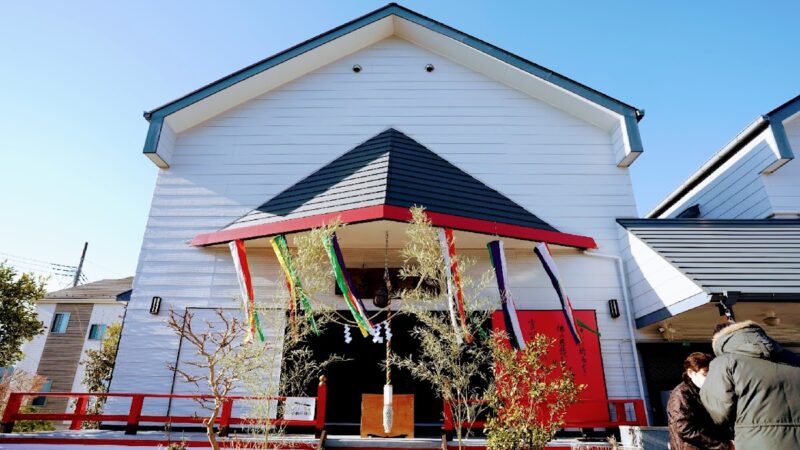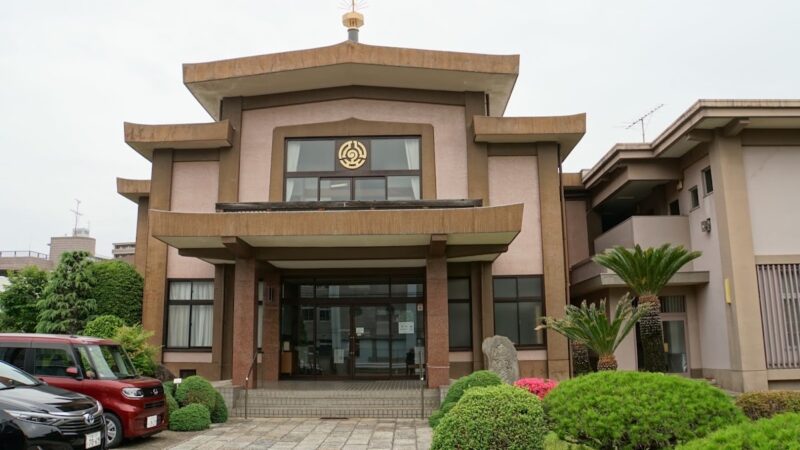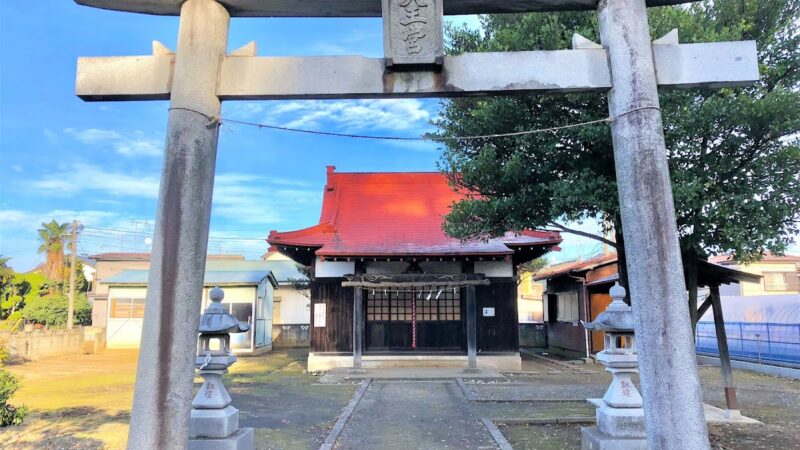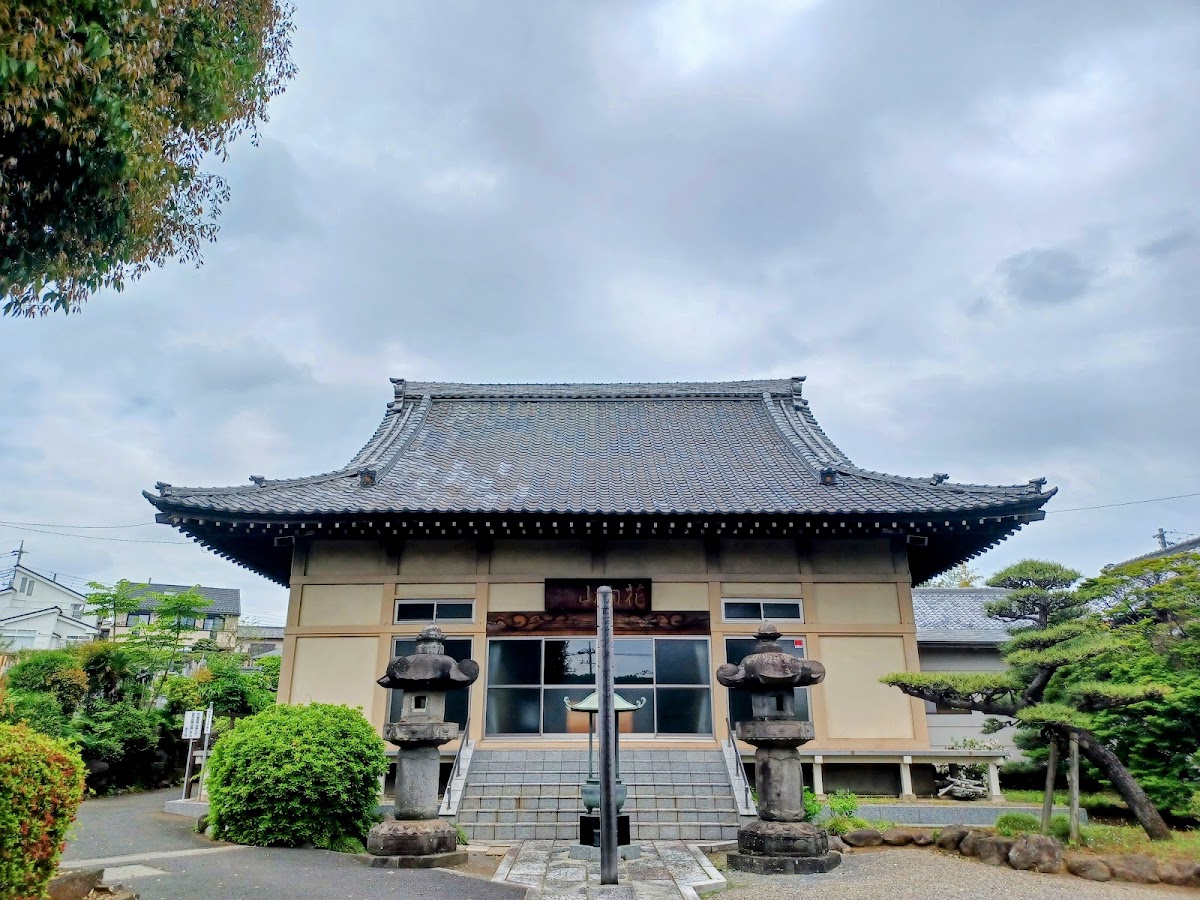
Complete Guide to Chokyu-ji Temples | Comprehensive Information on the History, Cultural Assets, and Goshuin (Temple Seals) of Chokyu-ji Temples Nationwide
Chokyu-ji is the name of several temples located throughout Japan, each possessing unique characteristics, distinct sects, histories, and cultural assets. This article provides detailed information on the history, highlights of the temple grounds, cultural assets, goshuin information, and transportation access for major Chokyu-ji temples across Japan, including those in Osaka City, Kanazawa City, Shiga Prefecture, Nara Prefecture, and Tokorozawa City in Saitama Prefecture.
What is Chokyu-ji Temple?
The name “Chokyu-ji” originates from the Buddhist term “Chokyu,” meaning eternity and permanence. It is often used to express the hope for the eternal nature of Buddhist teachings and the prosperity of the temple. Chokyu-ji temples exist throughout Japan, each deeply intertwined with the history and culture of its region.
Each Chōkyūji temple belongs to a different sect, including Nichiren, Sōtō, Jōdo, Shingon, Jishū, and Rinzai Zen, and its founding dates range widely from the Kamakura period to the Edo period, with each temple possessing its own unique history and characteristics.
Chōkyūji Temple in Chūō-ku, Osaka City
History and Overview
Located in Chōkyū-ku, Osaka City, Chōkyūji Temple is a Nichiren Buddhist temple. Its mountain name is Daienzan, and it enshrines a pagoda and two deities as its principal image. It is also known as a temple that enshrines Fukurokuju, one of the Seven Lucky Gods of Osaka, and attracts many visitors on the Seven Lucky Gods pilgrimage.
Based on the doctrines of Nichiren Buddhism, the faith with the Lotus Sutra as its fundamental scripture is passed down. Despite being located in the heart of Osaka, it maintains a tranquil atmosphere and is cherished as a place of worship for the local people.
Highlights of the Temple Grounds
At Chokyu-ji Temple in Osaka City, the hall dedicated to Fukurokuju is an important pilgrimage spot. Fukurokuju is worshipped as the god of happiness, wealth, and longevity, and has been particularly revered in Osaka, a city of merchants.
The main hall houses a pagoda and two statues, showcasing a unique form of worship characteristic of the Nichiren sect. Despite its urban location, the temple grounds are meticulously maintained, and seasonal flowers welcome visitors.
Cultural Properties
The temple houses cultural properties designated as Osaka City Tangible Cultural Properties, providing valuable historical information about the region. For detailed information on cultural properties, direct contact with the temple is recommended.
Goshuin (Temple Seal) Information
As part of the Osaka Seven Lucky Gods Pilgrimage, a Goshuin of Fukurokuju is offered. During the Seven Lucky Gods Pilgrimage period, many visitors come seeking the Goshuin. Regular Goshuin are also available, featuring the distinctive calligraphy characteristic of Nichiren sect temples.
Access
Located in Chuo-ku, Osaka City, it is within walking distance of the nearest Osaka Metro station. Its central location makes it easily accessible by public transport, and it can be combined with other temples and shrines during the Osaka Seven Lucky Gods pilgrimage.
Chokyu-ji Temple in Teramachi, Kanazawa City
History and Founding
Chokyu-ji Temple, located in Teramachi, Kanazawa City, Ishikawa Prefecture, is a Soto Zen Buddhist temple. It was founded in 1609 (Keicho 14) to mourn Tsusehime, the younger sister of Maeda Toshiie. This temple, with a history of approximately 400 years, has deep ties to the Maeda family of the Kaga Domain.
Tsusehime was born as the younger sister of Maeda Toshiie and was an important figure in the history of the Kaga Domain. Chokyu-ji Temple, built to commemorate her, developed under the patronage of the Maeda family.
Features of the Temple Grounds
The most striking feature of Chokyu-ji Temple in Kanazawa is the two gigantic silver osmanthus trees that immediately catch the eye upon entering the temple gate. These trees are among the largest in Ishikawa Prefecture, and in autumn, their fragrance fills the entire temple grounds. Said to be several hundred years old, these silver osmanthus trees are cherished as a symbol of the temple.
The main hall exhibits a typical Soto Zen architectural style and is used for Zen meditation and Buddhist services. The temple grounds occupy a corner of Kanazawa’s temple district, maintaining a tranquil environment for worship.
Cultural Properties and Temple Treasures
The temple houses several treasures associated with the Maeda family, serving as valuable historical materials for the Kaga Domain. Items related to Princess Tsuyo and Buddhist implements passed down through successive chief priests are also preserved.
Weddings and Buddhist Services
Traditional Buddhist wedding ceremonies can be held at Chokyu-ji Temple in Kanazawa. Solemn weddings held in the historic main hall have recently attracted considerable attention. Furthermore, the temple accepts various memorial services and perpetual memorial services, supporting the religious lives of local residents.
Goshuin (Temple Seal) and Visiting Information
Goshuin are available at the main hall and feature the distinctive calligraphy characteristic of a Soto Zen temple. It is an important pilgrimage site for visitors to the Teramachi temple district.
Access
Located in Teramachi, Kanazawa City, it is accessible by bus from Kanazawa Station. Situated in the heart of the Teramachi temple district, it is close to other famous temples such as Myoryu-ji (Ninja Temple), allowing for combined visits.
Chokyu-ji Temple, Hikone City, Shiga Prefecture
History and Relationship with the Ii Family
Chokyu-ji Temple, located in Hikone City, Shiga Prefecture, is a Shingon Buddhist temple. It has deep ties to the Ii family of the Hikone Domain, and the main hall was rebuilt through a donation from Iwahara Chikara-no-suke Tomoaki, a chief retainer of the Ii family.
Architectural Features
The main hall’s design embodies the spirit of the Momoyama period, resulting in a small yet beautifully balanced building. Its architectural style, combining the grandeur and delicacy characteristic of the Momoyama period, is considered highly valuable from an architectural history perspective.
Cultural Property: “Okiku’s Plate”
A particularly famous treasure of Chokyu-ji Temple is “Okiku’s Plate,” said to have been bestowed upon the temple by the Ii family. It is associated with the legend of Okiku, known from the ghost story “Bancho Sarayashiki,” and attracts many history enthusiasts and ghost story fans.
While there are various theories regarding the authenticity of this plate, it is carefully preserved as an important cultural property demonstrating its connection to the Ii family.
Temple Grounds and Worship
As a Shingon Buddhist temple, the faith based on the teachings of Kobo Daishi Kukai is passed down. The temple grounds are located in a quiet area of Hikone, providing a peaceful environment for worship.
Access
Located in Hikone City, it is accessible by bus or taxi from JR Hikone Station. It can be visited in conjunction with other tourist attractions such as Hikone Castle.
Chokyu-ji Temple, Yamazoe Village, Nara Prefecture
History and Founding
The founding date of Chokyu-ji Temple, located in Yamazoe Village, Nara Prefecture, is unclear, but it is said to have been founded during the Tenpyo era in connection with the construction of Todai-ji Temple. It is believed to have once been a large temple boasting magnificent buildings, and is a temple that demonstrates the spread of Buddhist culture during the Nara period.
Temple Grounds and Historical Background
Given its connection to Todai-ji Temple, it may have played a part in the official temple system of the Nara period. Although it has lost its former scale, it continues to exist as a center of local faith.
Visiting and Highlights
Located in the rich natural environment of Yamazoe Village, it offers a tranquil environment for worship. You can slowly stroll through the temple grounds while reflecting on the history of the Nara period.
Access
Located in Yamazoe Village, Nara Prefecture, it is accessible from the Meihan National Highway. Visiting by car is convenient, and you can also enjoy the surrounding natural scenery.
Chokyu-ji Temple, Tokorozawa City, Saitama Prefecture
A Temple of History and the Jishu Sect
Chokyu-ji Temple, located in Tokorozawa City, Saitama Prefecture, is a temple of the Jishu sect. Founded in 1331 during the Kamakura period, it is a valuable institution as the only Jishu temple in Tokorozawa City.
The Jishu sect was founded by Ippen Shonin during the Kamakura period and is characterized by “Yugyo,” a practice of traveling throughout the country while chanting the Nembutsu (Buddhist invocation). Chokyu-ji Temple is a temple that continues to transmit this teaching to the present day.
Relationship with the Old Kamakura Road
The old Kamakura Road passes in front of the temple gate, indicating its location at a key transportation hub during the medieval period. It is believed that travelers and samurai passing along this road visited the temple during the Kamakura period.
Temple Facilities
The temple grounds, spanning approximately 3,000 tsubo (about 10,000 square meters), include a main gate, main hall, guest hall, priest’s quarters, funeral hall, cemetery, and perpetual memorial graves. Equipped with modern facilities, it accommodates funerals, memorial services, and perpetual memorial services.
Perpetual Memorial Graves and Cemetery
Chokuji Temple in Tokorozawa offers perpetual memorial graves, providing memorial services for those without successors or those concerned about cemetery management. The cemetery is fully equipped and functions as a final resting place for local residents.
Goshuin (Temple Seal) Information
As a Jishu sect temple, it offers Goshuin, characterized by its unique calligraphy. The Goshuin of this temple, with its history dating back to the Kamakura period, is a valuable item for Goshuin collectors.
Access
The temple is accessible by bus or on foot from the nearest Seibu Line station. It is also conveniently located near Tokorozawa city center, making it easily accessible for visitors.
Chokyu-ji Temple, Iida City, Nagano Prefecture
History and the Family Temple of the Iida Domain Lords
Located in Iida City, Nagano Prefecture, Chokyu-ji Temple is a Rinzai Zen Buddhist temple founded in 1530 during the Muromachi period. It played an important role as the family temple of the Iida domain lords and houses the tombs of the lord’s family.
A Historic Building That Survived the Great Iida Fire
While much of Iida city was destroyed in the Great Iida Fire of 1947, Chokyu-ji Temple escaped destruction. Therefore, it remains a valuable historical building, preserving its original appearance, including the main hall and gardens.
The Framed Garden from the Study Hall
The greatest highlight of Chokyu-ji Temple is the framed garden viewed from the study hall. The window frame of the study hall frames the beautifully maintained garden, creating a landscape that resembles a painting, captivating many visitors and tourists.
The garden is a dry landscape garden (karesansui) style that expresses the spirit of Zen, as is typical of Rinzai Zen temples, with carefully calculated arrangements of stones and plants. The garden, which displays different expressions throughout the seasons, is also known as a tourist attraction in Iida City.
Cultural Properties and Temple Treasures
The temple houses cultural properties and treasures associated with the lords of the Iida domain, serving as valuable historical resources for the region. The main hall and garden themselves also have high historical value, and preservation efforts are underway.
Access
Located within walking distance of JR Iida Station, it is easily accessible as part of sightseeing in Iida city. It can be visited in conjunction with the Iida Castle ruins and the Iida City Museum of Art.
Chokyu-ji Temple, Nakatsu City, Oita Prefecture
History and Relationship with Rennyo
Chokyu-ji Temple, located in Fukushima, Nakatsu City, Oita Prefecture, is a temple of the Jodo Shinshu Honganji sect. Its mountain name is Tamaru-yama. Founded in 1477 (Bunmei 9) by Lord Fukushima Nagahisa (Masayoshi), who became a follower of Ten’nen, a leading disciple of Rennyo, the temple was established within his castle grounds.
Rennyo is known as the restorer of Jodo Shinshu Buddhism, and his teachings spread throughout Japan. Chokyu-ji Temple, as a temple following in his footsteps, has become a center of Jodo Shinshu faith in the region.
Temple Grounds and Faith
Based on the doctrines of Jodo Shinshu Buddhism, the temple’s faith has been passed down with Amida Buddha as its principal deity. The teachings of Shinran Shonin and the missionary spirit of Rennyo still thrive in this temple.
Access
Located in the Fukushima district of Nakatsu City, it is accessible by bus or car from JR Nakatsu Station. It can be visited in conjunction with other tourist attractions such as Nakatsu Castle.
How to Enjoy Visiting Chokyu-ji Temples Nationwide
Collecting Goshuin (Temple Stamps)
Collecting Goshuin from Chokyu-ji temples throughout Japan is one of the greatest pleasures of temple pilgrimage. Each temple belongs to a different sect and has a different history, so the calligraphy and seals on the Goshuin are unique to each.
Bring your Goshuincho (stamp book) and respectfully visit each temple before receiving your Goshuin. Goshuin are not merely commemorative stamps, but proof of a connection with Buddha, so it’s important to receive them with respect.
Learning About the Differences Between Sects
Even temples with the same name, Chokyu-ji, belong to various sects, including Nichiren, Soto, Jodo, Shingon, Jishu, Rinzai, and Jodo Shinshu. Visiting each temple allows you to learn about the diversity of Japanese Buddhism and the characteristics of each sect.
Observing the differences between sects, such as the architectural style of the main hall, the type of principal image, and the content of the sutras, will deepen your understanding of Buddhism.
Local History and Culture
Each Chokyu-ji temple is deeply connected to the history and culture of its respective region. For example, the Chokyu-ji in Kanazawa, associated with the Maeda family; the Chokyu-ji in Shiga, with its strong ties to the Ii family; and the Chokyu-ji in Nagano, the family temple of the Iida domain lord—each is an important part of its local history.
Through temple visits, you can learn about and deepen your understanding of the region’s history and culture.
Seasonal Events
Each Chokyu-ji temple holds various events throughout the year. Participating in Buddhist events such as Hatsumode (first shrine visit of the year), Setsubun (bean-throwing festival), Hana Matsuri (flower festival), Obon (Buddhist festival), and Higan (equinox festival) allows you to experience traditional Japanese culture.
In particular, the silver osmanthus at Chokyu-ji in Kanazawa is famous as an autumn highlight, attracting many visitors during its blooming season.
Manners and Precautions During Temple Visits
Basic Temple Visit Manners
When visiting a temple, please observe the following basic manners.
- Bow at the temple gate before entering the grounds.
- In the main hall, quietly clasp your hands together and pray with sincerity.
- Take photographs only in designated areas.
- Walk quietly on the temple grounds and refrain from speaking loudly.
- Receive your Goshuin (temple stamp) after praying.
Attire and Belongings
For temple visits, clean, understated clothing is appropriate. Especially when entering the main hall, avoid revealing clothing.
If you wish to receive a Goshuin, bring your Goshuincho (stamp book). It’s also a good idea to have some small change for offerings.
Visiting Hours and Admission Fees
Visiting hours and admission fees vary by temple. It is recommended to check the official website or call beforehand. Reservations may be required for special viewings or viewing cultural properties.
Summary
Chokyu-ji temples exist throughout Japan, each possessing a unique history, sect, and cultural heritage. Each of the Chokyu-ji temples is well worth a visit, including a Nichiren Buddhist temple in Osaka dedicated to Fukurokuju, a Soto Zen temple in Kanazawa associated with the Maeda family, a Shingon Buddhist temple in Shiga with deep ties to the Ii family, a temple in Nara with a long history dating back to ancient times, a Jishu temple in Tokorozawa, a Rinzai Zen temple in Iida with a beautiful garden, and a Jodo Shinshu temple in Nakatsu associated with Rennyo.
Through temple pilgrimages, you can appreciate Japanese Buddhist culture, local history, architectural beauty, and garden beauty, and find peace of mind. Please visit the Chokyu-ji temples in various locations and discover their unique charms. With various ways to enjoy the temples, such as collecting temple stamps and participating in seasonal events, a Chokyu-ji pilgrimage will be a valuable opportunity to gain a deeper understanding of Japanese culture.